
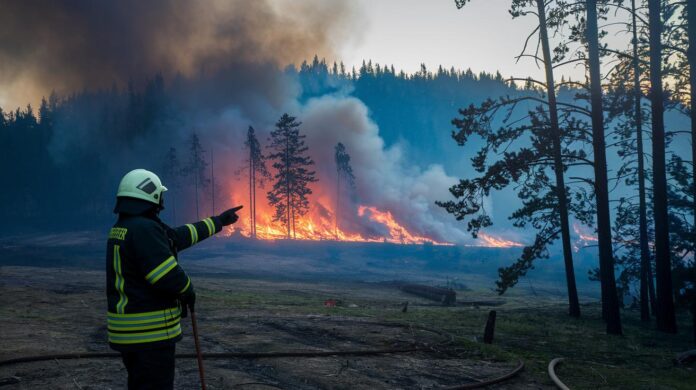

Ever seen a tiny spark suddenly burst into a roaring flame? Wildfires can pop up out of nowhere, catching you off guard when you least expect them.
In this quick guide, I'm sharing simple, easy steps to help protect your home, your health, and the people you care about when things start to heat up. You'll find straightforward tips on how to act fast and keep safe when a wildfire is on the move.
Sometimes, it's the little changes that make the biggest difference. So stick with me, and let's explore how every minute counts when you're getting ready to face wildfires.
Top Wildfire Safety Tips for Prevention and Response
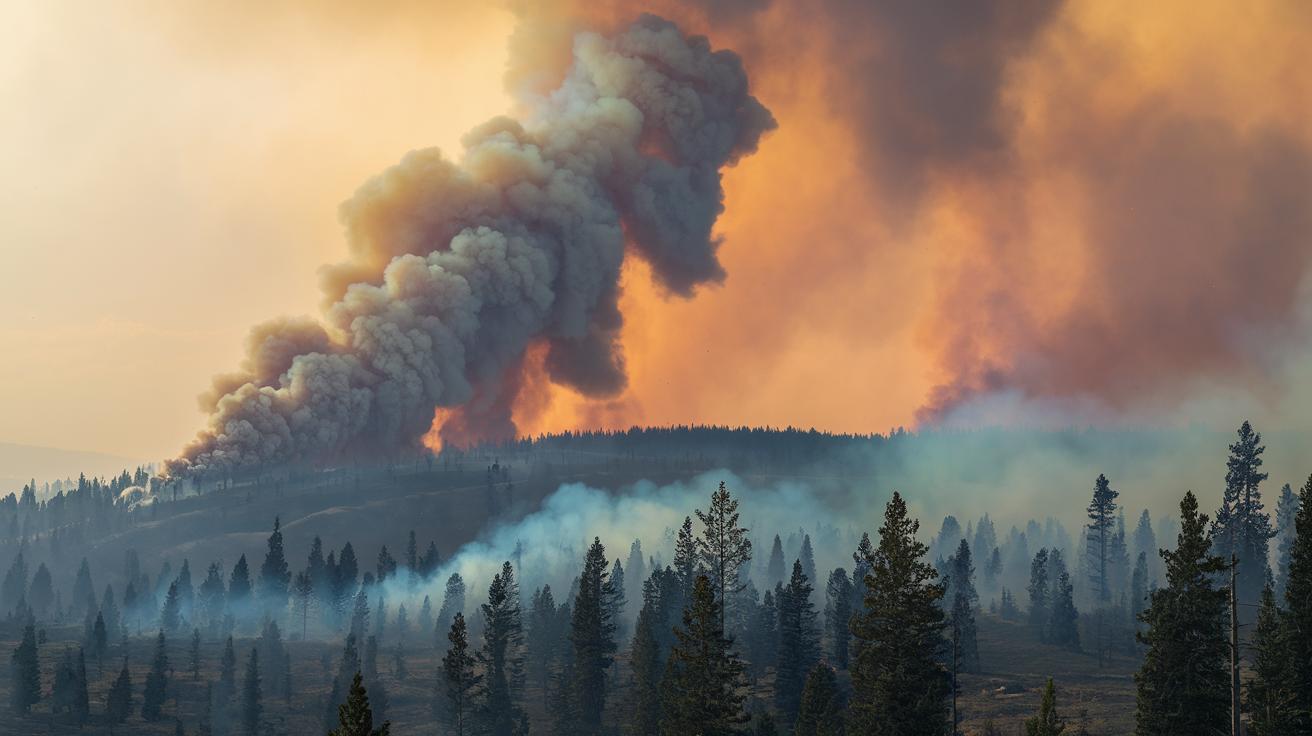
Wildfires can start from something as simple as an unattended spark or even a lightning strike when conditions are dry and breezy. Before you know it, that tiny flame can grow into a fierce blaze that sweeps through the area.
The thick smoke from these fires carries very small particles (PM2.5) that may hurt your lungs and overall health. Homes aren’t safe either, flying embers can easily ignite roofs or siding. Both people and our furry friends are at risk when heat and flames spread quickly. Even a sturdy house might fall prey to an unpredictable wildfire, so knowing the dangers helps you and your loved ones stay prepared and safe.
Here are some practical steps to follow:
- Keep a 30-foot clear area around your home to act as a safety buffer
- Strengthen the outside parts of your house to make it more fire-resistant
- Create a simple Wildfire Action Plan (a step-by-step guide for emergencies)
- Learn and practice quick exit routes from your neighborhood
- Pack a grab-and-go kit with essentials in case you need to leave fast
- Stay updated with official local alerts for early warnings
- Set up clear safety plans for both family members and pets
- Connect with local community safety contacts to stay informed
By taking these steps, you lower the risk and boost your readiness for a quick escape if needed. Think of these tips as your basic toolkit for wildfire safety, a guide to help protect your home and health, ensuring that you’re ready to act when every minute counts.
Home Hardening and Defensible Space in Wildfire Safety Tips
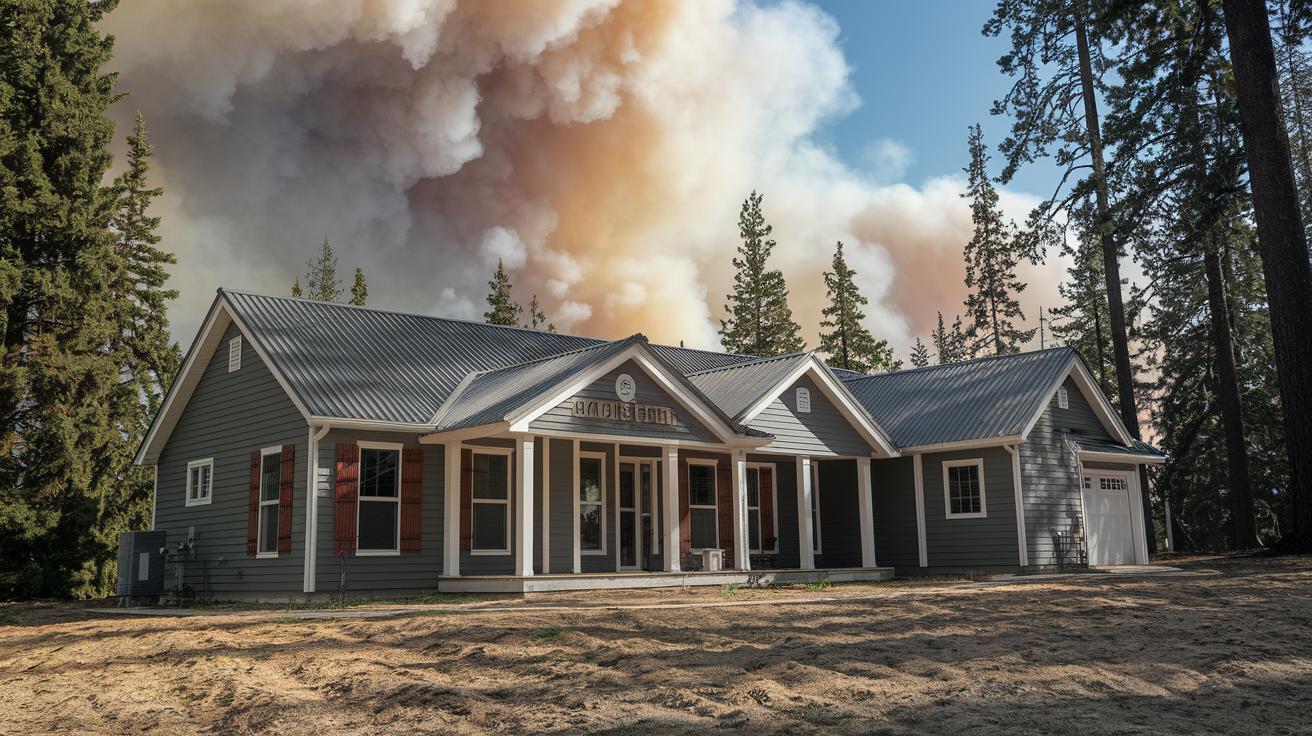
Home hardening is all about getting your house ready to face wildfires. It means making sure the outside of your home is tough enough to block flames, flying sparks, and the heat that can cause damage.
Think of simple fixes like using fire-resistant roofing and siding. These materials act as a wall that keeps the heat at bay. Plus, covering up vents with ember shields stops sparks from sneaking in. At the same time, creating a safe zone around your home by clearing away dry bushes and debris (about 30 feet out) is key. It’s like leaving extra space around a campfire to keep everyone safe.
| Hardening Measure | Benefit |
|---|---|
| Fire-Resistant Roofing | Stops the roof from catching fire when exposed to flames |
| Ember Shields | Keeps flying sparks out of vents and openings |
| Defensible Space | Clears flammable materials from around the home |
| Heat-Reflective Coatings | Reduces the amount of heat absorbed by the building |
| Vegetation Management | Removes dry brush and debris to lower fire risk |
And remember, a little upkeep goes a long way. Check your house and the area around it often, trim overgrown shrubs, and replace old materials. This regular care keeps your fire protection strong and your property safer over time.
Wildfire Safety Tips: Stay Alert, Stay Safe

First things first, you need a clear plan for emergencies at home. Start by drawing a map that shows not just one, but two escape routes. That way, if a fire is near, everyone will know exactly where to go. Jot down key phone numbers and create a simple way for everyone to stay in touch. Remember to add special steps for kids and pets so they can keep calm, too. This plan is like a trusted guide, showing everyone what to do when it matters most.
It really pays off to practice your plan. Set aside time for drills with your kids, and maybe even get a neighbor or two involved to build a little safety team. Chat about different ways to leave the house quickly and clear those paths like you’re following a mini adventure map. By having everyone, from the little ones to the grown-ups, practice their roles, you make sure that when things get hectic, actions come naturally. It might seem simple, but a good drill can make all the difference when seconds count.
Keep your plan fresh by going over it every few months. Even small changes in your family or updates in local emergency rules might mean you need to tweak a few details. This way, your plan stays ready for any unexpected moment.
Grab-and-Go Supply Kit and Smoke Inhalation Precautions in Wildfire Safety Tips

Every family should have an emergency bag ready, a small kit with enough water and nonperishable food for three days, any must-have medications, important papers, and N95 masks to help protect your breathing. Think of it like that bag you pack before a long school trip: small, essential, and there when you need it most.
When wildfire smoke fills the air, keeping your indoor space safe is a must. Close your windows and doors to keep the smoke outside, just like you’d keep a pesky bug out of your picnic. Running a HEPA air purifier inside helps clear away tiny particles that can hurt your lungs. And if the smog gets too heavy, like on those dusty, windy days, it’s best to limit your time outdoors so you don’t breathe in too much harmful air.
Checking your emergency kit and your home’s air safety every day makes sure you’re always ready, just in case.
Landscape Management and Outdoor Hazard Mitigation for Wildfire Safety Tips

When you start preparing your yard for wildfire safety, think of it as creating a protective zone around your home. Choose hardy, fire-resistant plants and swap out easy-to-burn ones for more robust alternatives. It’s a bit like tidying up a space before a meal, removing extra dry brush, fallen leaves, and clutter so that only the strong, fire-resistant elements remain.
Using natural barriers is another smart move. Picture your yard as a series of safe zones where gravel strips or firebreaks help steer flames away from your home. Simple tasks like thinning out excess vegetation and even planning controlled burns (small, safe fires to clean up dangerous material) create little gaps that slow the spread of wildfires. Ever imagine your yard as a patchwork of shields, each one guarding against the heat?
Make it a point to spend a little time each season checking and adjusting your yard layout. A regular review not only keeps your home safer but also ensures your efforts continue to pay off as the seasons change.
Post-Wildfire Recovery and Safety Tips for Affected Properties
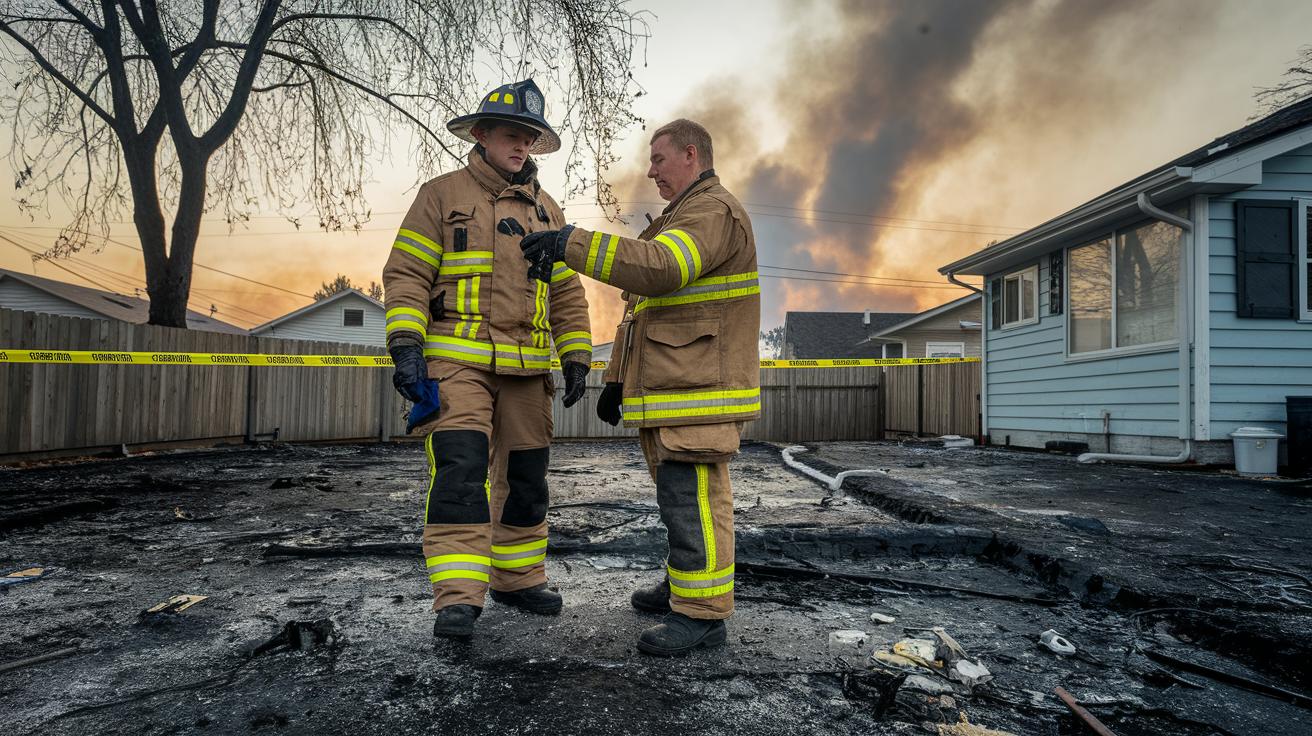
When a wildfire has swept through an area, danger can still linger around every corner. Ash, scattered debris, and unstable ground mean you’ve got to watch your step. It's best not to start cleaning up right away unless you’re wearing the right gear, like protective clothing and a mask, to keep harmful particles at bay. Local officials usually recommend waiting until a professional team secures the site first. This simple step can help you avoid injuries and other hazards.
Before stepping into any cleanup zone, arrange for an expert inspection. Trained crews can scout the area for structural risks and handle the cleanup safely. Trusting certified professionals with this job means you’re putting your safety first while ensuring the property gets properly looked after.
In the weeks following a wildfire, starting the long-term recovery process is key. Joining local cleanup programs not only helps restore the community but also builds a sense of togetherness. Follow local guidelines for environmental healing, such as planting native species that aid in recovery. Regular check-ups on your property can catch hidden structural issues before they become a bigger problem. When neighbors pool their resources and volunteer together, it turns a tough time into an opportunity to rebuild stronger and safer.
Together, these care steps lay the foundation for a safer, united community, where everyone plays a part in turning a challenging recovery into a fresh start.
Final Words
In the action, we explored practical wildfire safety tips that help keep homes and families secure. We highlighted how simple steps like crafting an emergency action plan and prepping a grab-and-go kit can make a big difference. The post shared ways to handle property hardening, outdoor hazard management, and recovery practices after a fire. Every tip builds confidence and readiness for what could be a tough situation. Stay proactive, keep learning vivid wildfire safety tips, and step forward with hope and preparedness.
FAQ
Q: What are 10 fire safety tips and ways to prevent forest fires?
A: These 10 fire safety tips advise maintaining a 30-foot defensible space, hardening your home, drafting a clear action plan, mapping rapid exit routes, assembling supply kits, monitoring alerts, and coordinating with local contacts.
Q: What is a wildfire preparedness checklist?
A: A wildfire preparedness checklist includes creating a clear action plan, mapping quick exit routes, assembling grab-and-go kits, updating family and pet protocols, and ensuring your home is hardened against unexpected fire threats.
Q: How can kids stay safe during a wildfire?
A: Keeping kids safe means explaining the emergency plan in simple terms, designating a safe meeting spot, practicing drills regularly, and ensuring they know what to do in case of an unexpected fire.
Q: Where can I find a wildfire safety PDF?
A: A wildfire safety PDF provides detailed, step-by-step instructions and visuals for fire risk reduction. Check reputable government or community websites for free, downloadable guides with clear safety advice.
Q: What should you do after a wildfire?
A: After a wildfire, avoid handling ash or debris without protective gear, schedule a professional inspection of your property, follow local cleanup and recovery protocols, and stay informed through community updates.
Q: How do climate change factors influence wildfire prevention?
A: Climate change can increase dryness and wind, making wildfires more likely. Preventative measures include reducing human-caused ignitions, maintaining safe landscapes, and using community safeguards against sudden fire outbreaks.
Q: How can controlled burns stop forest fires?
A: Controlled burns, done by trained professionals, reduce built-up vegetation or fuel loads. This measured burning lowers the intensity of wildfires by removing excess materials that can feed a larger, uncontrolled fire.
Q: What kind of wildfire book is available?
A: Wildfire books share firsthand accounts, safety tips, and scientific insights on fire behavior. These guides help readers understand fire dynamics, learn useful safety practices, and prepare for potential wildfire situations.
Q: What does the 30/30/30 rule for fire signify?
A: The 30/30/30 rule recommends a 30-foot defensible space, planning a 30-minute window for a safe exit, and checking the weather every 30 minutes to stay updated on changing fire conditions.