

Ever wonder if your bike ride is as safe as it could be? Imagine the crisp air on your face and the gentle hum of your bike as you cruise down quiet streets. Simple ideas like a snug helmet and clear turn signals can change your ride from nerve-wracking to relaxed. Studies tell us that even small tweaks make a big difference.
In this guide, you'll find easy tips to keep you safe and help everyone share the road a little kinder. So next time you pedal out, ride smart and enjoy every moment.
Essential Bicycle Safety Guidelines
Cycling should be fun and safe, and knowing a few simple safety tips can make your ride that much better. When you follow these guidelines, you not only protect yourself but also help create a friendly and secure space for everyone on the road.
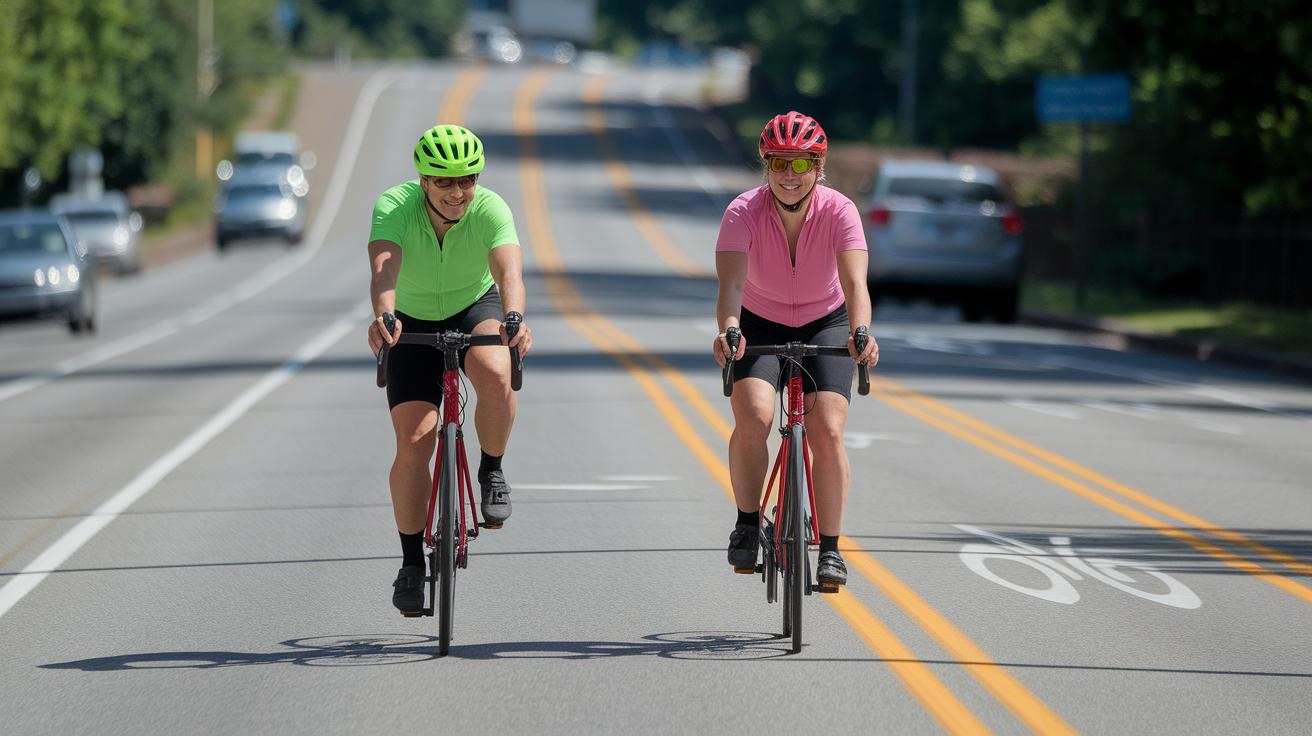
In Kentucky, for example, it’s illegal to ride with a blood alcohol level over 0.08. Studies even point out that many bike crash fatalities involve riders at this level. And if you’re riding in Florida, keep in mind that drivers must give you at least 20 feet of space when turning near you at an intersection. Helmets are required for riders and passengers under 16, and they need to fit well. You might also notice painted symbols on the road called Sharrows, which remind both cyclists and drivers that the lanes are shared.
Here are some friendly reminders to keep you safe on every ride:
- Always wear a helmet.
- Never ride after drinking.
- Obey traffic signals.
- Keep a safe distance from other vehicles.
- Use lights and reflectors in low light.
- Signal your turns clearly.
- Always watch out for hazards.
- Stay visible so drivers can see you.
- Respect all motorists.
- Ride defensively by looking ahead for any troubles.
By keeping these tips in mind and showing respect on the road, everyone can share in the joy of a smooth, worry-free ride. Enjoy your journey and stay safe!
bicycle safety tips for confident rides
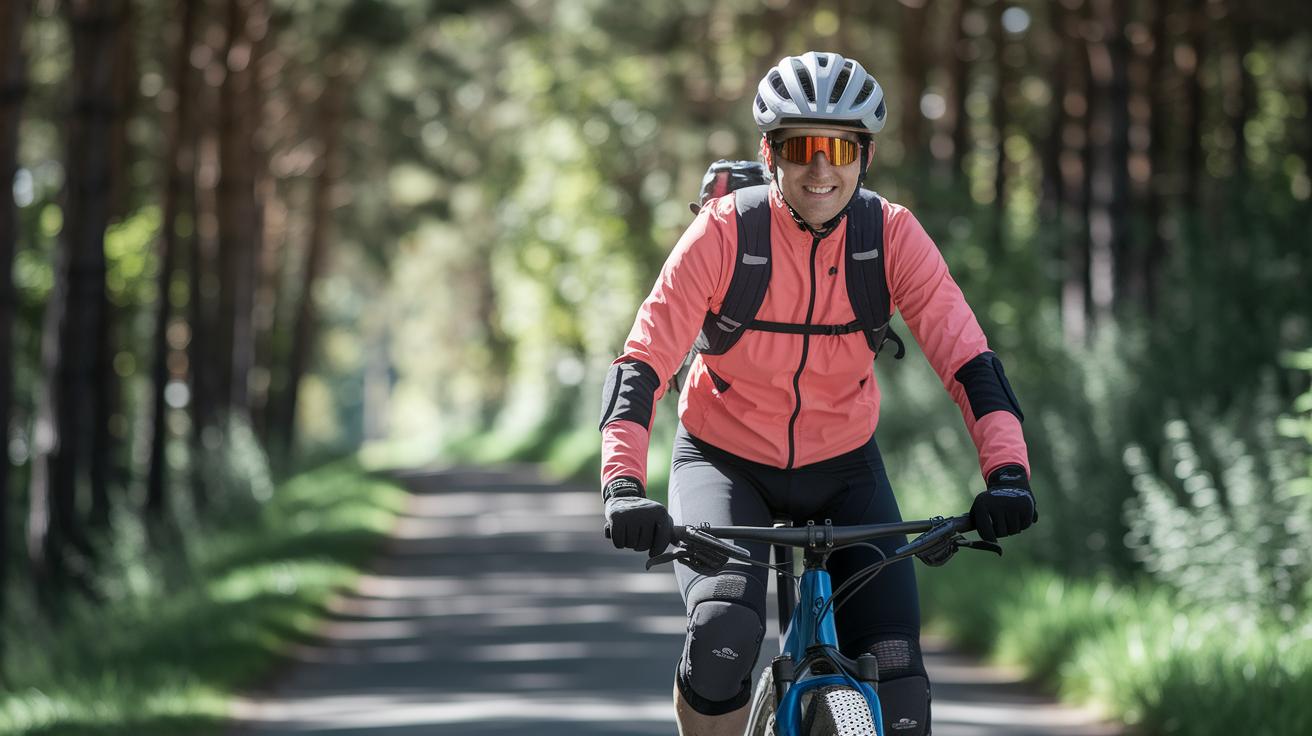
Start your ride off right by making sure your helmet fits perfectly. A good helmet should sit level on your head, covering your forehead just like the perfect pair of shoes fits your feet. Picture yourself on a quiet bike trail, feeling the snug, secure grip of a helmet that stays in place, it’s like a friendly hug that keeps you safe as you ride.
Next, gear up with essential cycling gear. Padded gloves, elbow and knee pads, and bright clothing all work together to protect you in case of a fall and give you extra comfort on every ride. It’s similar to layering your favorite clothes on a cool morning; each layer adds comfort and safety while letting drivers know you’re a careful rider.
Finally, make sure you stand out by using proper lights and reflective gear for both daytime and nighttime rides. Bright clothes and reflective accessories help drivers see you from far away, just like a flashlight brightens up a dark path. Using front and rear lights, along with some reflective tape on your bike, ensures that your presence is known wherever you roll, keeping your rides confident and secure.
Effective Pre-Ride Maintenance and Inspection

Taking a few minutes before you head out on your bike can make a big difference. A quick check helps ensure your bike is safe and ready, so you can enjoy your ride without unwanted surprises. Regular inspections not only reduce the chance of accidents but also help your bike run smoothly, saving you time and money. It’s all about catching little issues before they become big ones.
Think of it like a small health check-up for your bike: check your brakes, tires, chain, and every part that gets you moving. Here’s a simple list to follow:
| What to Check | Why It Matters |
|---|---|
| Brake engagement and pad wear | Stops you safely when needed |
| Tire pressure and tread | Ensures a smooth, stable ride |
| Chain tension and lubrication | Keeps the pedals turning easily |
| Quick-release skewers | Makes sure your wheels are secure |
| Front/rear lights and reflectors | Makes you visible to others |
| Frame and fork for cracks or damage | Prevents serious problems on the road |
While these quick checks are perfect for everyday rides, it’s also a good idea to visit a trusted bike mechanic now and then. A professional tune-up is like a full health review for your bike, ensuring every part is adjusted and working as it should. This way, you can keep riding with confidence, knowing your bike is in its best shape for every adventure.
Navigating Traffic and Road Rules on a Bicycle

When you're out riding, remember that traffic rules are here to keep everyone safe, not just cars. Stop signs, traffic signals, and road markings guide all road users, so think of each intersection as a moment where everyone plays a part. Many cities ask cyclists to stick to the same rules as drivers, so treating lane markings and signals with care creates a safer space for everyone on the road.
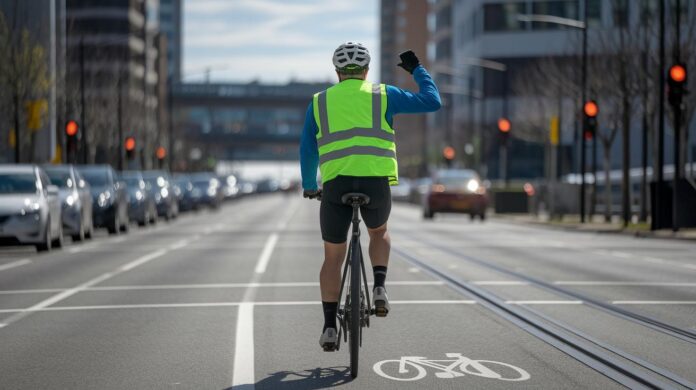
Using hand signals is like having a quick chat with drivers. Want to turn left? Simply extend your left arm to let others know your plan. And a quick look or a nod with eye contact lets drivers see you're there, clearing up any uncertainty on busy streets.
Finding the right lane position is another smart move. Riding one to two feet from the curb keeps you visible without interfering with vehicles. It’s like finding your perfect little spot where you feel safe and part of the flow, even when cars zip by.
At intersections, driveways, or roundabouts, plan ahead and adjust your speed just right. Always scan for turning cars and pedestrians before you move forward. Using hand signals while staying alert helps everyone, both cyclists and drivers, avoid sudden stops or surprises.
Nighttime and Adverse Weather Riding Safety
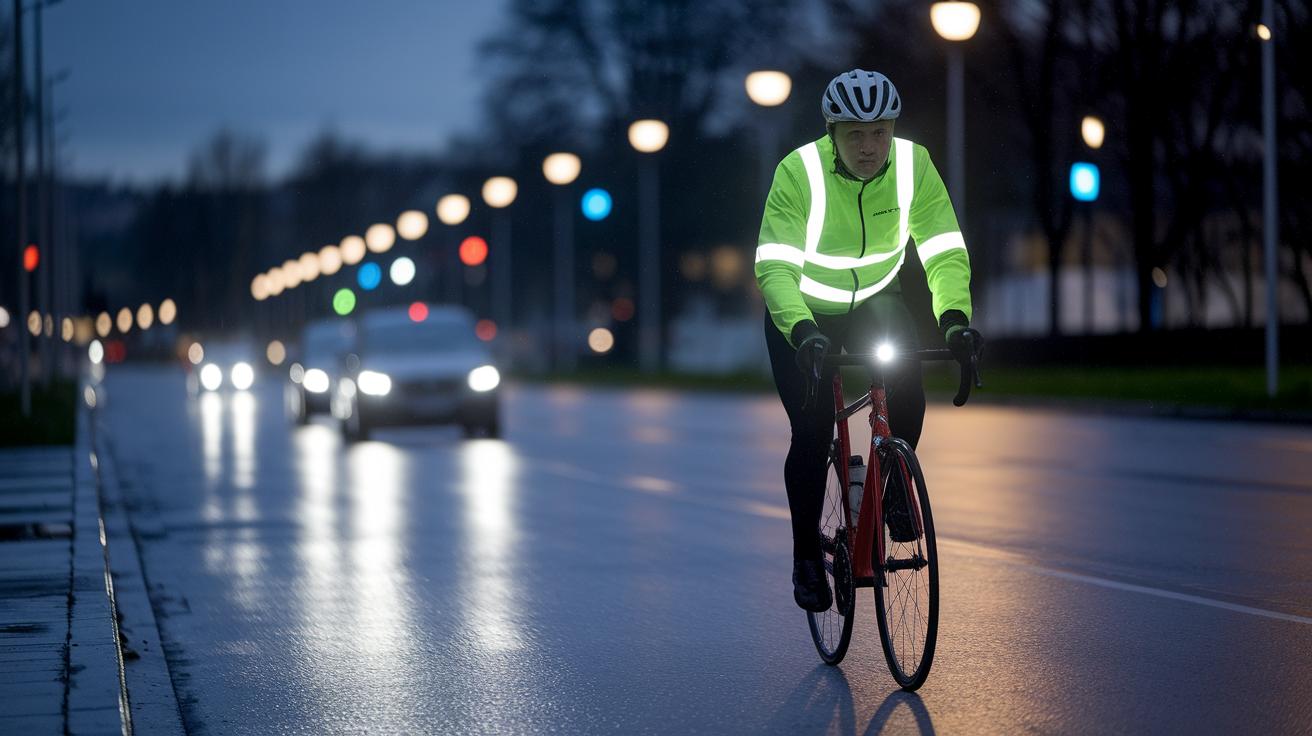
When dusk falls or a sudden drizzle turns the road slippery, it's important to tweak your gear. Use strong front and rear lights, some even have a blinking option, to ensure drivers spot you early. Add reflective tape to your frame and choose bright clothes so every move you make is noticed. Picture yourself riding at night with lights flashing like a guiding beacon and a jacket that practically glows under street lamps. It’s a smart way to stay safe without losing your cool style.
When the road gets slick, it helps to adjust your riding technique too. Slow down a bit so you have extra time to react, and take wider turns to give yourself more room to maneuver. Extend your braking distance to come to a smooth stop without skidding. You might even want to use fenders and tires that grip better in the wet. Think of it like this: riding through a sudden rain shower with a little extra space can keep each pedal stroke secure. Have you ever felt that rush of relief when you know you’ve made the smart move?
Route Planning and Emergency Preparedness for Cyclists

Picking a route that feels safe can change your entire ride. Look for quiet streets and well-lit bike paths using your favorite mapping tool. Imagine riding along a calm road, where friendly streetlamps light your way, making each turn a little adventure. A smartly planned route helps you dodge surprises and lets you soak in the little moments along the way.
Being ready for surprises is part of the adventure. Pack a compact emergency kit with your ID, smartphone, a handy multi-tool (that’s a small gadget with several uses), a patch kit, and some basic first-aid supplies. Think of this kit as a mini toolbox that helps you fix small problems or tend to a minor scrape without any fuss.
It’s also a good idea to tap into local resources. Many communities offer safety classes or share helpful tips through flyers at public libraries. These free resources can boost your cycling know-how, making your trips feel even more secure and enjoyable.
Final Words
In the action, clear safety guidelines set the tone for every ride. From wearing proper helmets to checking brakes and tire pressure, these bicycle safety tips remind us of the essentials for every trip.
Following road rules, using reflective gear, and staying prepared for weather changes all work together to keep you safe. These simple, real-world rules make each ride more secure and enjoyable. Every pedal stroke is a chance to ride smart and stay safe, now that's a ride worth taking!
FAQ
What are the top bicycle safety tips for riders of all ages?
The top bicycle safety tips for riders include wearing a properly fitted helmet, obeying traffic signals, using hand signals, scanning for hazards, maintaining safe following distance, and riding defensively whether you’re a beginner, adult, or kid.
How do bicycle safety guidelines differ for kids and school-age children?
The bicycle safety tips for kids and school-age riders stress wearing helmets and protective gear, riding in safe areas, using reflective clothing, and learning basic road rules to build good habits early on.
What should drivers know about bicycle safety?
The bicycle safety rules for drivers highlight the need to stay alert for cyclists, give extra space when passing, recognize hand signals, and share the road respectfully to promote mutual safety.
What is the 75% rule and the 80% rule in cycling?
The 75% and 80% rules in cycling are informal guidelines suggesting that riders adjust their speed—reducing it to 75% or 80% of normal—in challenging conditions, which helps with control and safer riding.
What does the three-second rule mean in cycling?
The three-second rule in cycling means keeping at least a three-second gap behind the rider or vehicle ahead, giving you enough time to react and helping prevent unexpected stops or collisions.
Where can I find a bicycle safety tips PDF?
The bicycle safety tips PDF is a downloadable resource that outlines key safety practices and gear recommendations in a clear format, making it easy for riders to review the guidelines on the go.