
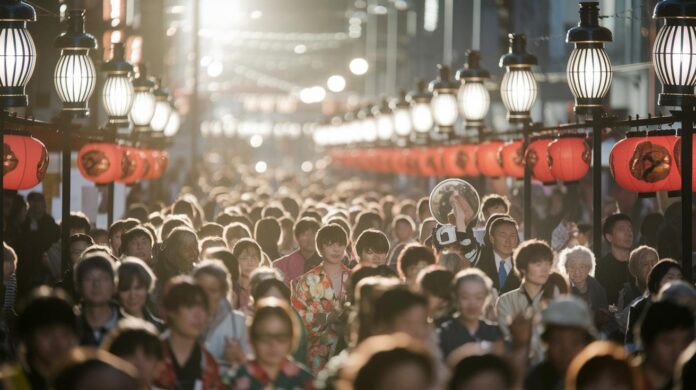

Have you ever thought that old traditions can feel fresh and exciting? In Japan, colorful festivals blend classic customs with today’s fun vibes. Whether you're wandering through snowy Hokkaido or strolling the sunny streets of Kyoto, you'll find each celebration bursting with charm and surprises. These events let you dive into local stories while enjoying a lively party atmosphere. Get ready to see how age-old art and modern fun mix together in amazing ways.
Japanese Cultural Festivals: Lively Modern Traditions
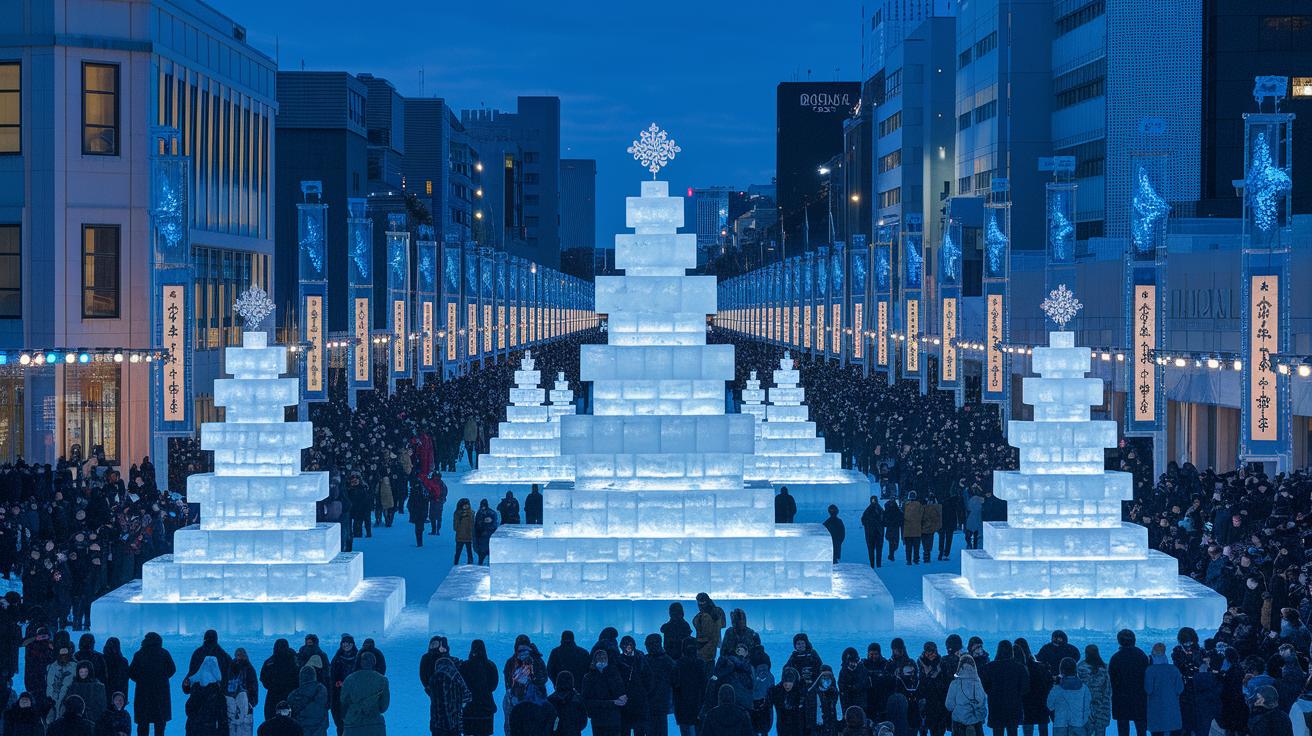
In early February, the Sapporo Snow Festival turns Hokkaido into a sparkling winter wonderland. Imagine strolling past gigantic ice sculptures that glisten like frozen jewels, each carved from huge blocks of ice by talented artists. More than 2 million visitors come to see these icy masterpieces, making it feel like stepping into a snowy fairytale.
Every July, Kyoto blossoms with life during the month-long Gion Matsuri. Picture historic 23-foot yamahoko floats, some dating back to the 9th century, rolling through the streets, blending the spirit of old traditions with a lively festival vibe. As dusk falls, the Yoiyama street fairs light up with joyful energy, where locals and travelers alike celebrate together under softly glowing lanterns.
From August 2 to 7, the town of Aomori bursts into color at the Nebuta Festival. Envision towering, 3–5 meter high papier-mâché floats, illuminated brilliantly as they glide through the streets. Crafted with care over three months by a dedicated team of 300 artisans, these vibrant creations mix local folklore with a modern twist, leaving onlookers in awe.
Also in August, Sendai hosts the Tanabata festival, turning pedestrian arcades into a dreamy scene of bamboo streamers and delicate paper decorations. This festival celebrates the timeless legend of Orihime and Hikoboshi, captivating thousands with its graceful charm as the summer breeze whispers through the festival decor. At the same time, cities across Japan join in the mid-August Obon Bon Odori, where traditional dances, like Tokushima’s ancient Awa Odori featuring over 10,000 performers, honor ancestral roots in a moving community celebration.
On a brisk January night in Nagano, the Nozawa Onsen Fire Festival lights up the dark. Villagers, armed with torches, encircle a temporary shrine in a spirited contest for a sacred stick. This fiery display of passion and history offers a uniquely warm reminder of community and tradition in the chilly winter air.
Season-by-Season Guide to Japanese Cultural Festivals
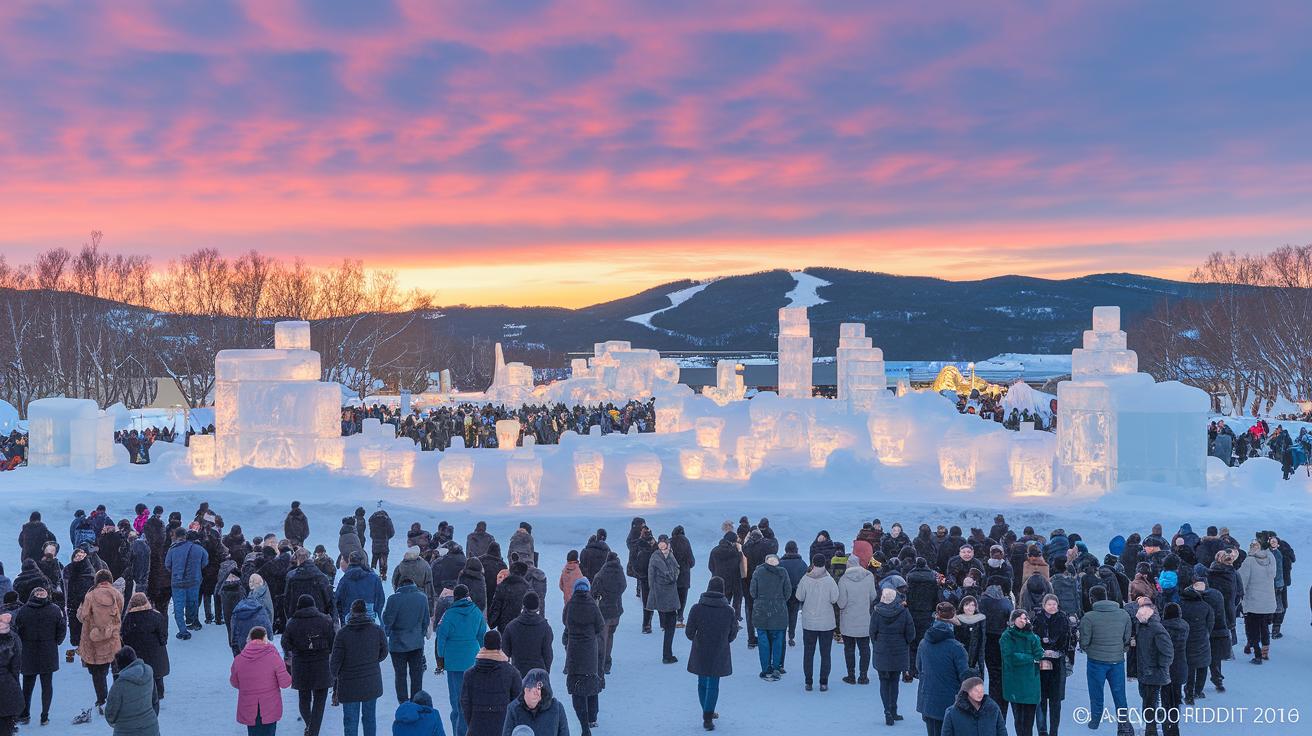
Japanese festivals in Japan show the special mood of each season through old traditions mixed with new kinds of celebrations. This guide is a friendly look at some of Japan's best-known events, sorted by season. Use the table below to quickly check the season, top festival, dates, and location.
| Season | Main Festival | Date | Location |
|---|---|---|---|
| Winter | Sapporo Snow Festival | Feb 4–11 | Hokkaido |
| Spring | Cherry blossom celebrations | late Mar–Apr | Ueno Park, Hirosaki Castle |
| Summer | Gion Matsuri | Jul 1–31 | Kyoto |
| Autumn | Karatsu Kunchi | Nov 2–4 | Saga |
Imagine the sparkling ice art lighting up winter nights at the Sapporo Snow Festival. Come spring, the gentle shower of cherry blossoms creates a magical backdrop at famous parks and historic castles. In summer, lively parades and joyful energy fill the streets of Kyoto during Gion Matsuri. And in the cool of autumn, feel the warm community spirit at Karatsu Kunchi in Saga. This simple guide is your quick reference to enjoy Japan's cultural celebrations as they happen all year round.
Major Japanese Cultural Festivals: Gion, Nebuta & Tanabata Spotlight
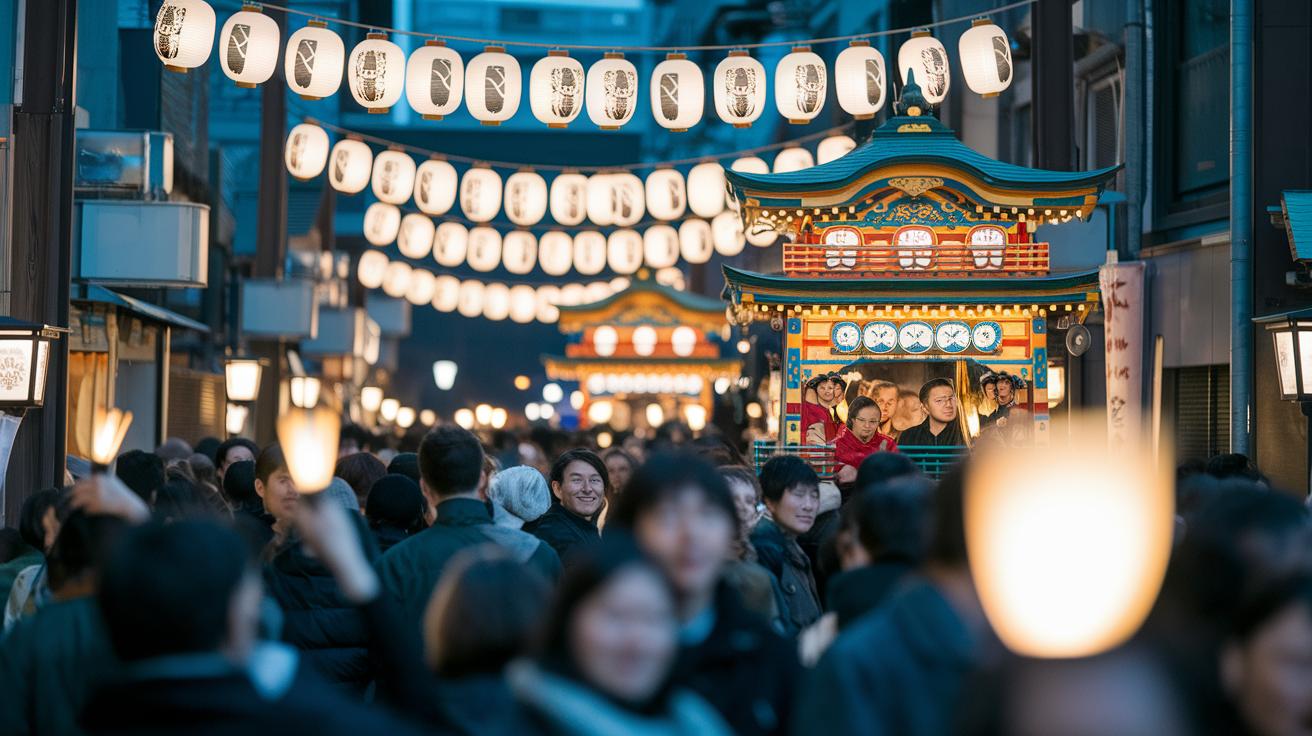
In Kyoto, the Gion Matsuri is a heartfelt community celebration. Neighbors come together during festive Yoiyama evenings to build beautifully crafted floats using special moving figures called karakuri (like little mechanical marvels). Local shrine groups work with care, passing down each unique float story like a treasured family keepsake. One artisan once said, "Every step in our float-making holds a memory." It’s a warm, lively event where old traditions meet today’s creative spirit.
Over in Aomori, the Nebuta Festival turns the streets into a dazzling display of giant papier-mâché floats. Inspired by local legends, these floats take shape after months of careful work by painters and carpenters in community workshops. The air buzzes with energy as traditional Haneto dance circles join in, bringing the ancient tales to life. A workshop leader shared, "Our craft celebrates the stories whispered by autumn winds," and it truly feels like every float is a moving canvas of myth and modern art.
In Sendai, the Tanabata Festival lights up urban streets with a stunning array of handmade paper decorations. Local artisans pour their hearts into these delicate designs, inspired by the classic Orihime-Hikoboshi love story (a romantic legend that’s been told for generations). As night falls, the illuminated streamers create a soft, inviting glow that makes you stop and savor the moment. One artisan remarked, "Crafting these pieces is like painting with light." It’s a captivating celebration that blends time-honored tradition with inspired creativity, inviting everyone to share in its gentle magic.
Traditional Japanese Cultural Festivals: Rituals, Ceremonies & Performances
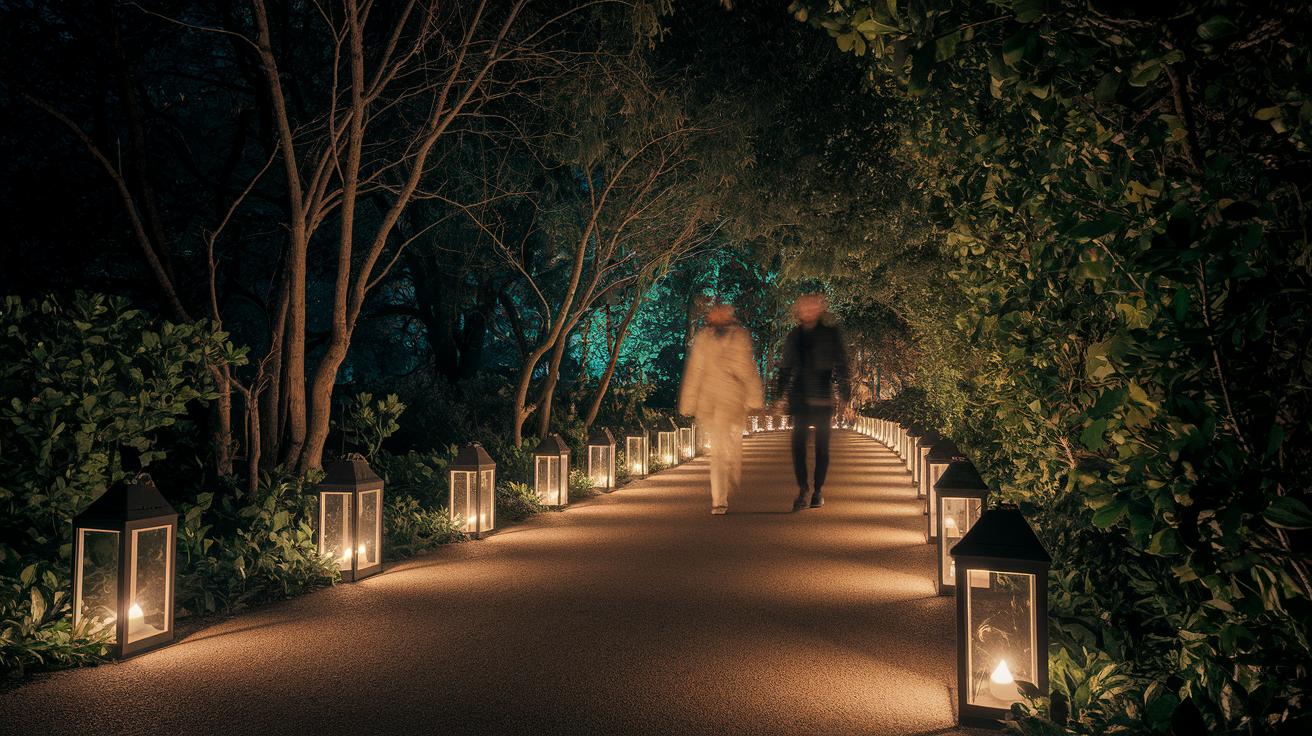
Mandokuyoe Candle Festival Insights
At the Mandokuyoe Candle Festival, the tranquil Okunoin path glows with the soft light of countless candles. Each candle is carefully placed as a tribute to ancestors, welcoming memories of the past along a gentle walk. Imagine strolling down a path lit by flickering lights, where every glow feels like a warm whisper from those who came before us. It’s not just a ritual, it’s a heartfelt conversation with history.
Obon Bon Odori Dance Traditions
Obon Bon Odori brings people together in a joyful celebration of dance and music. Picture locals moving gracefully, their steps blending with the deep, rhythmic beats of traditional drums. In some areas, the dance is calm and gentle, while elsewhere, powerful taiko drumming fills the air with energy. The vibrant costumes of the dancers add an extra layer of charm, offering a glimpse into rich local traditions. One festival-goer even remarked how the mix of colorful costumes and bold drumming made history feel alive and present!
Izumo Taisha Procession Rituals
The Izumo Taisha Procession invites communities to join in a ceremony filled with myth and sacred cleansing rites. As you follow the path of symbolic acts, you become part of a ritual that blends ancient stories with everyday spirituality. Each step honors a divine gathering at the shrine and encourages both reflection and renewal. This shared experience brings people closer, reminding us of the timeless respect for traditions that continue to shape our communities.
Regional Highlights & Travel Tips for Japanese Cultural Festivals
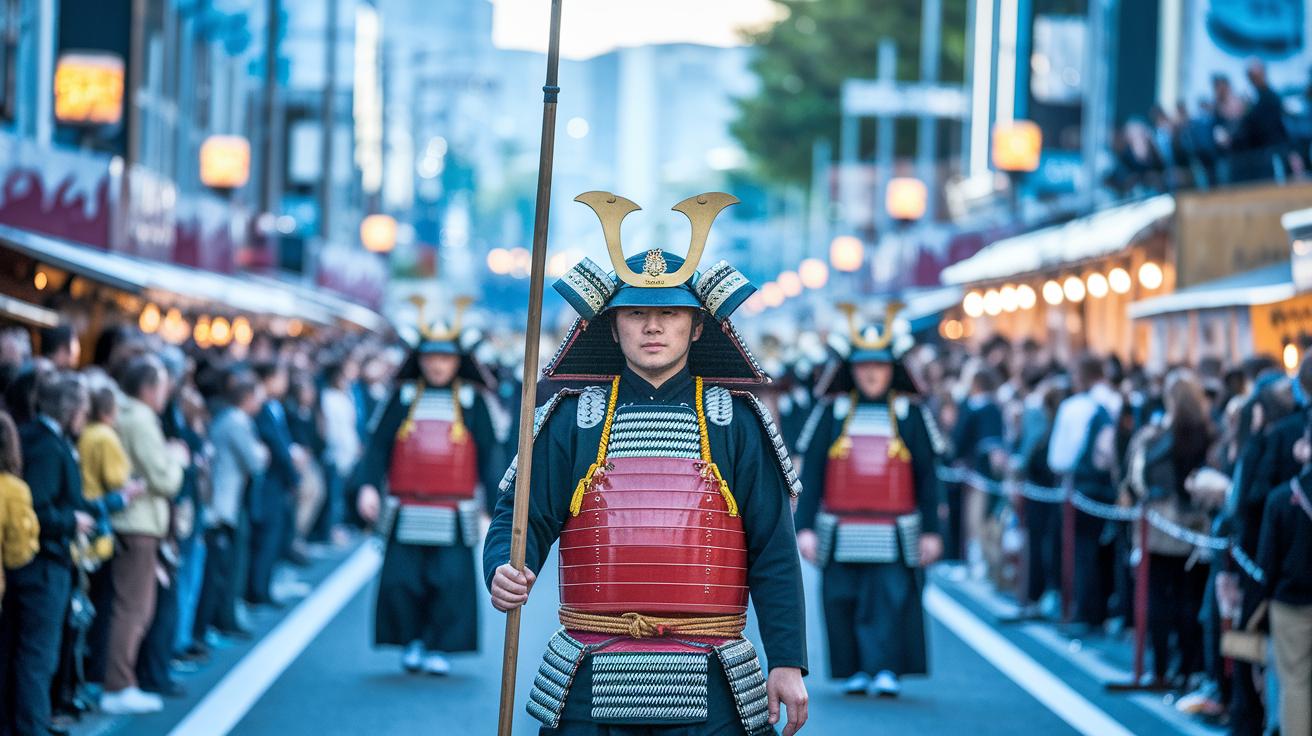
Discover these four unique festival experiences in Japan that blend rich tradition with handy travel tips for a smooth visit.
• Hakone Daimyo Gyoretsu (May, Kanagawa): Imagine 1,000 people re-enacting feudal lord processions along the scenic Old Tokaido Highway. A little tip: get there early to grab a great viewing spot and enjoy delicious treats from nearby artisan food stalls bursting with local flavors.
• Kanazawa Hyakumangoku Festival (June, Ishikawa): Picture deep, rhythmic taiko drumming at Tsuzumimon Gate and traditional samurai parades at Kanazawa Castle, complete with ancient rice-cutting rituals. My advice? Use local trains to zip around quickly, and allow extra time to stroll through the castle grounds and explore inspiring local art exhibits.
• Kagoshima Shibushi Buddha Festival (April, Kagoshima): Join in peaceful Buddhist rituals in a setting that feels both serene and vibrant, as the region celebrates Buddha’s birth. And once you’re immersed in the celebration, why not wander through nearby markets to sample regional specialties from inviting food stalls?
• Hatsuichi Daruma Festival (January, Gunma): Dive into a festive atmosphere where over 30,000 daruma dolls are sold as symbols of good luck. Be sure to dress warmly and check local transit schedules so you can enjoy the festival without any winter hiccups.
If you’re kicking off your journey in Tokyo, don’t miss the detailed in-depth travel guide to Tokyo for more insider tips on local festival hubs.
Practical Tips for Attending Japanese Cultural Festivals

Before you set off, make sure you book your lodging 3 or 4 months in advance if you’re aiming to catch the excitement of events like Gion Matsuri or the Nebuta Festival. If you need a clear roadmap for planning your trip, check out this step-by-step efficient trip planning guide (it’s like a mini-adventure planner). Getting around is a breeze with regional trains and shuttle buses available at the festivals, just be sure to pick up any free festival transport passes when you can. For even more travel ease, take a look at this practical guide to local transportation for travelers.
Once you arrive, it’s time to dive into the local customs. At shrines, remember to remove your shoes, give a respectful bow at torii gates, and keep your voice low near quieter, solemn rituals. Don’t forget to pack the right gear for the season, think a handy portable fan or umbrella for the summer heat, and warm layers with gloves when winter calls.
Keep an eye out for bilingual festival pamphlets on site. These little guides are great for showing you parade routes and timetables, helping you navigate the excitement with ease. With a bit of planning and the right preparation, you’ll be all set to capture amazing photos and truly enjoy the vibrant spirit of Japanese cultural festivals.
Final Words
In the action, we traced a path through festival highlights – from Sapporo’s icy displays to Gion Matsuri’s lively streets. We broke down seasonal guides, key dates and insider tips on local traditions and planning. Each section brought you closer to the magic hidden in every event. With these insights on japanese cultural festivals, travel enthusiasts can step into a world where heritage meets excitement. Enjoy planning your next trip with newfound local wisdom and the promise of unforgettable experiences.