


Ever wondered how a fun tradition can bring people together? Around the world, old celebrations make us smile and feel connected.
It’s amazing how simple events like Mongolia's archery contests or India's colorful powder festivals can spark lively chats and warm our hearts. Celebrating these shared customs reminds us that communities can feel close and cared for.
In this post, we'll take a look at how cultural celebrations unite us through traditions that have been lovingly passed down over the years.
Understanding Cultural Celebrations: Definitions and Community Impact

Cultural celebrations are special events that have deep roots in history and tradition. They bring people together in fun and colorful ways while honoring customs passed down through the years. These occasions help communities feel close by sharing memories and simple rituals.
Take Mongolia's Naadam Festival, for example, which runs from July 10 to 13. This event features old-fashioned sports like archery, wrestling, and horse riding. Fun fact: many locals started practicing archery in open fields as a way to connect with neighbors, a tradition that still sparks lively conversations today.
Over in India, the Holi Festival lights up the day on the last full moon of Phalunga as people joyfully throw bright powders to celebrate the win of good over evil. Meanwhile, Brazil's Rio Carnival turns city streets into a stage for energetic samba parades and bustling street parties in February or March. These festivals go beyond mere displays, they show how people come together to celebrate common histories and shared identities.
Around the globe, communities come alive during these events. Music, delicious food, creative costumes, and time-tested traditions fill the air, making every cultural celebration an unforgettable journey.
Historical Roots of Cultural Celebrations
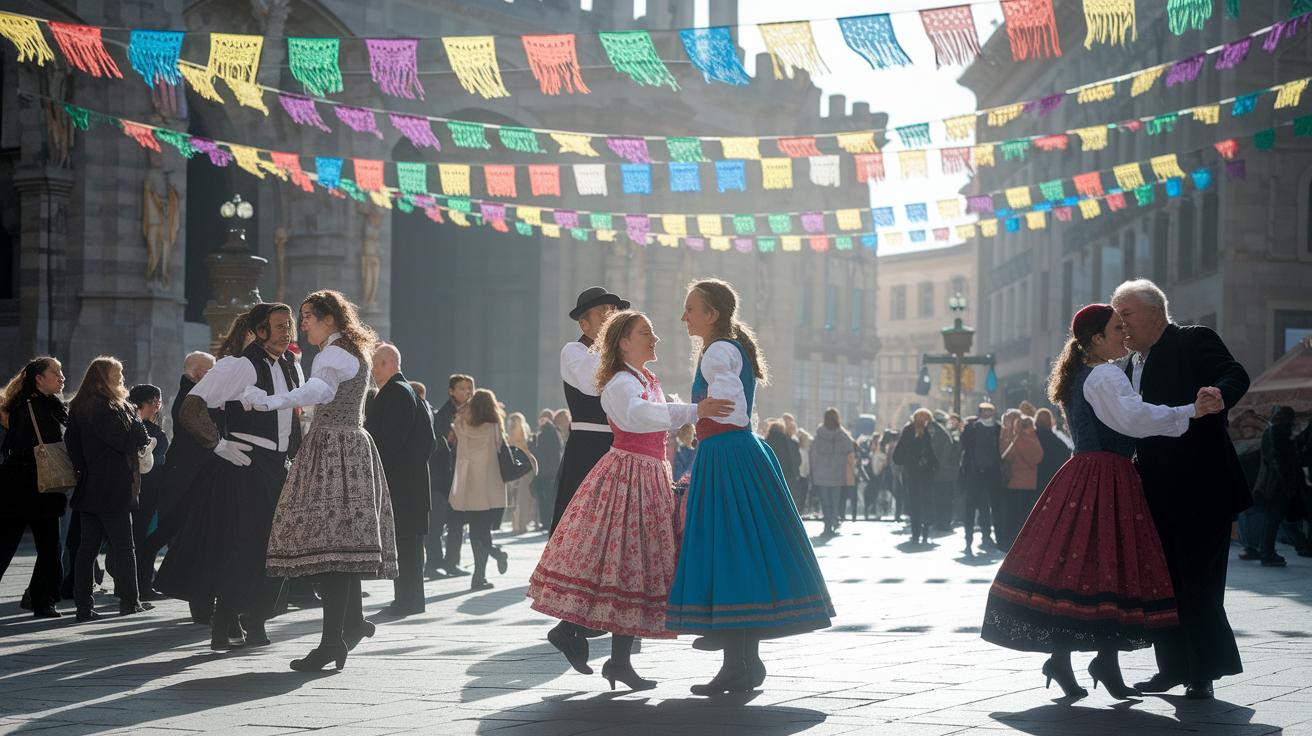
Cultural celebrations have been part of our lives for many centuries, each with its own vibrant backstory. They began with simple traditions inspired by ancient religious myths, royal stories, and the natural rhythms of farming life. Think of Holi, a festival born from a timeless tale where goodness outshines evil. It started as a heartfelt celebration of hope and renewal, passed lovingly from one generation to the next.
Back in the 15th century, the Inca Empire marked the sun’s importance with Inti Raymi. What began as a modest ritual to honor the sun soon blossomed into a grand celebration filled with colorful processions and dynamic dances, all dedicated to the spirit of the harvest. Over in Ethiopia, the Timket festival has been celebrated for over a thousand years. This two-day Orthodox Christian event brings people together through sacred tabot processions and communal bathing at the Fasilides Bath, symbolizing both spiritual cleansing and a deep sense of unity.
These enduring festivals show us that cultural celebrations aren’t just parties, they’re rich rituals that connect us to our past. They turn age-old legends and communal prayers into lively events that celebrate our local identity. Even today, these traditions light up our modern world, serving as joyful reminders of shared histories and timeless values.
Iconic Cultural Celebrations and Heritage Festivals Worldwide
Cultural celebrations bring people together by showing off common traditions and customs. Festivals like Naadam, Holi, Inti Raymi, and Rio Carnival have long amazed visitors with their energy. But two festivals offer a more intimate look at local art and community memory.
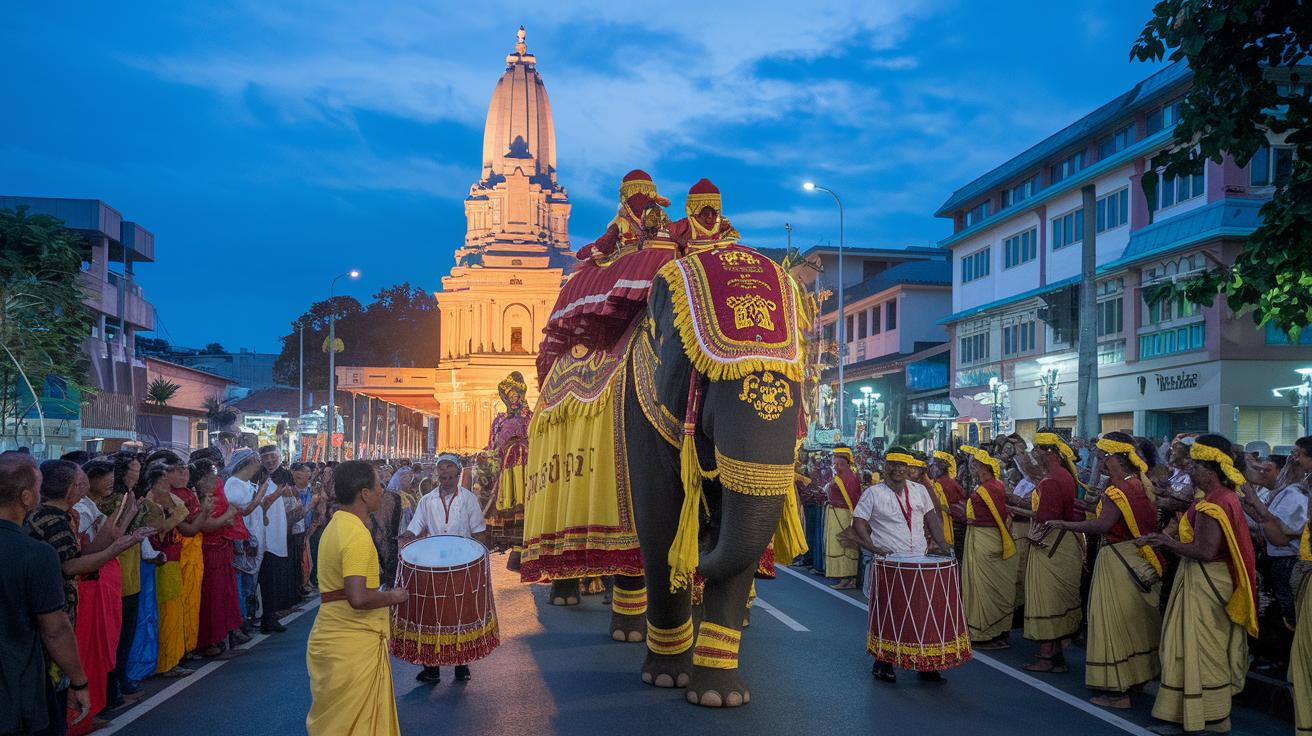
In Sri Lanka, the Kandy Esala Perahera turns the streets into a lively, moving display of Buddhist tradition. Think of beautifully decorated elephants, graceful drummers, and dancers in stunning costumes. It’s like watching an elephant, glittering with ornaments, move slowly to a steady drumbeat, it feels almost magical.
Mexico’s Day of the Dead mixes memories and emotion into everyday scenes. Families spend time crafting detailed altars filled with bright marigolds, colorful sugar skulls, and cherished photos. Imagine a family gathered by candlelight, each item on the altar sparking stories about loved ones from long ago.
| Festival | Country | Month | Highlight |
|---|---|---|---|
| Naadam | Mongolia | July | Wrestling, archery |
| Holi | India | Mar/Feb | Color powders |
| Kandy Esala Perahera | Sri Lanka | Jul/Aug | Elephant parade |
| Inti Raymi | Peru | June | Inca rituals |
| Day of the Dead | Mexico | Nov | Ancestor altars |
| Rio Carnival | Brazil | Feb/March | Samba parades |
Traditional Practices and Rituals in Cultural Celebrations
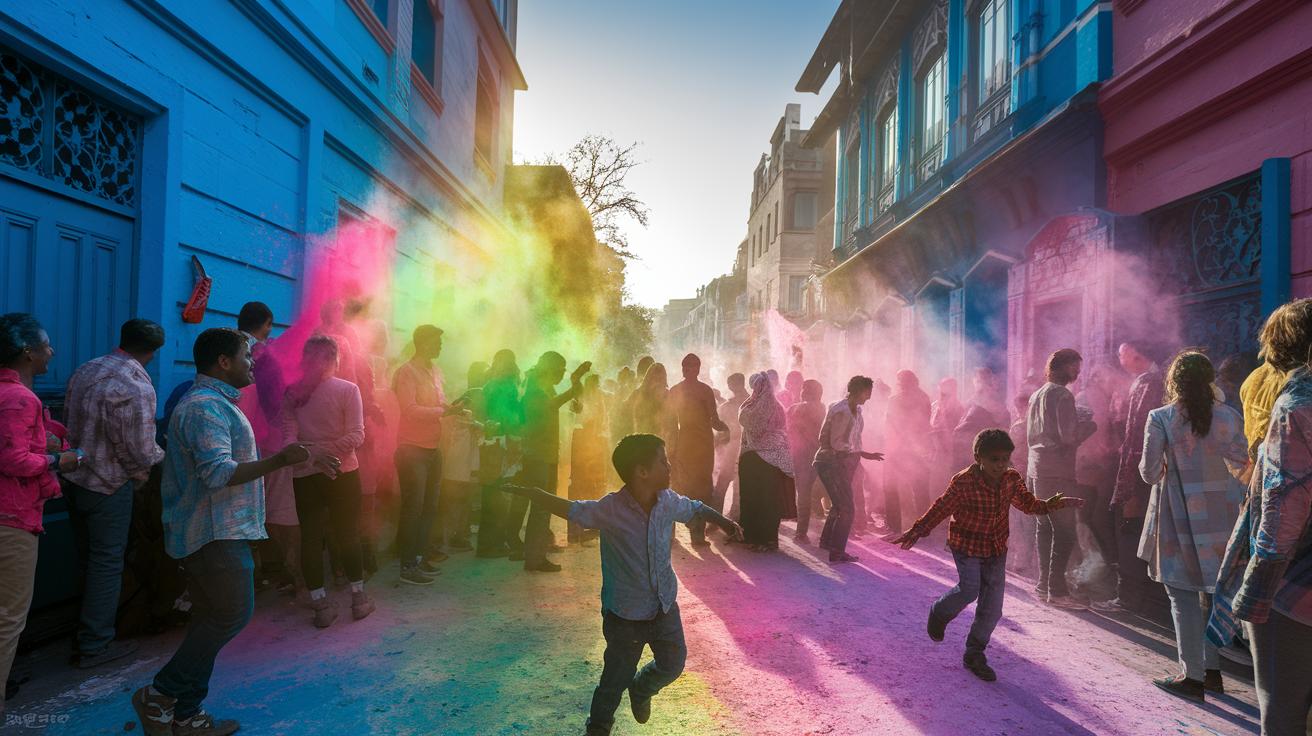
Holi is a festival bursting with color. Imagine a street transformed into a joyful painting with splashes of red, blue, yellow, and green. People hurl bright powders and water at each other, turning everyday spaces into vibrant works of art. One traveler described it as stepping into a living painting, where every burst of color brought a smile. It’s a fun way to come together and share a moment of pure delight.
Then there’s the magic of Kandy Esala Perahera. During this festival, decorated elephants take slow, graceful steps down ancient streets. They wear beautiful costumes and glimmering jewels, and the steady rhythm of drums and flutes fills the air. This cherished tradition brings people together to celebrate their shared heritage and cultural pride.
Over in Bhutan at the Jambay Lakhang Festival, the excitement ramps up as midnight falls. Locals perform stunning dances under flickering flames during the fire dance, and performers wear intricately carved masks passed down through the ages. It’s a mesmerizing sight that weaves the mystical energy of the past with the lively spirit of today.
In Ethiopia’s Timket, you can witness sacred tabots being carried through crowded streets. These revered symbols lead to communal bathing ceremonies where people come together to wash away the old and welcome a fresh start. This meaningful ritual is both symbolic and refreshing, inviting everyone to embrace renewal.
Thailand’s Songkran brings its own splash of joy. From April 13 to 15, the streets burst into lively water fights. Here, water isn’t just for cooling off, it’s a way to cleanse both body and spirit. The playful battles leave everyone soaked in laughter and shared happiness, making the celebration truly unforgettable.
Cultural Celebrations: Joyful Traditions Unite Communities
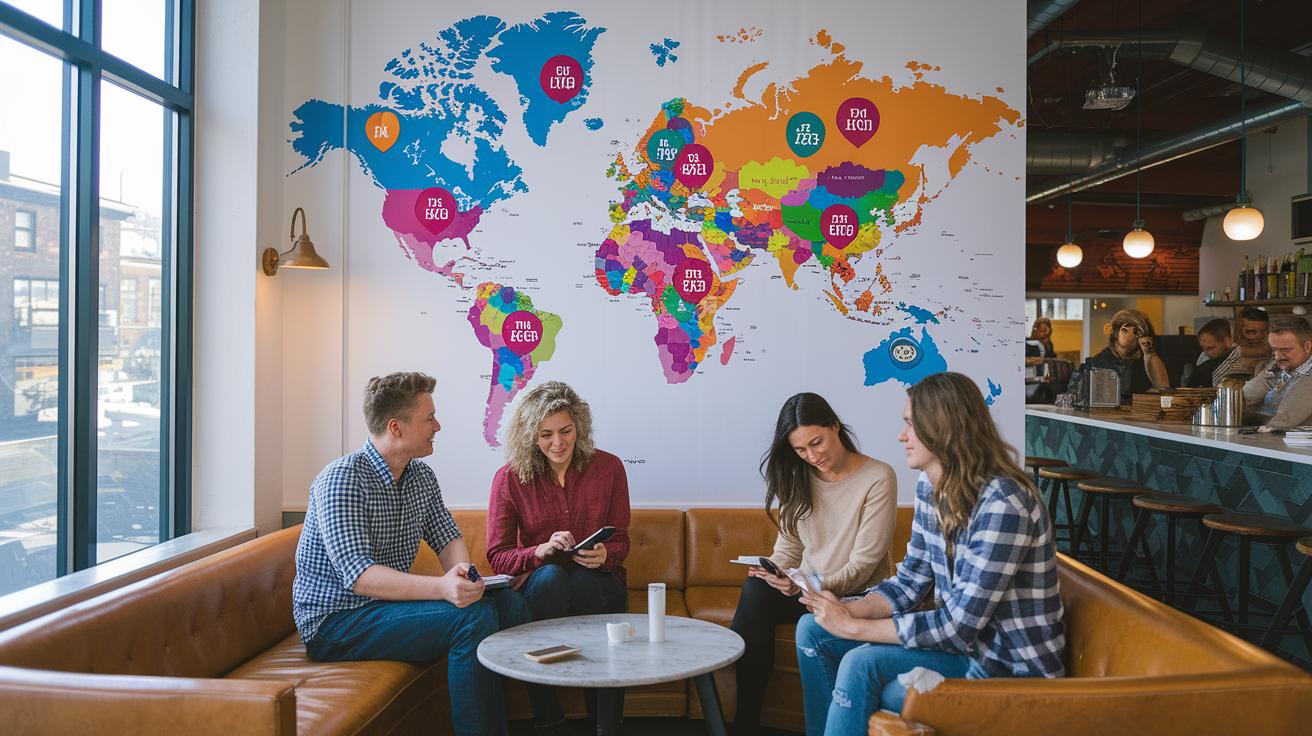
Planning your trip around festivals can turn a regular vacation into a colorful adventure. Imagine mapping out your journey like a treasure hunt, each festival is a hidden gem waiting to be discovered. For instance, if you set your sights on St Patrick’s Day on March 17, you might soon find yourself swept up in the excitement of a city bursting with lively parades and a splash of green everywhere.
There’s so much more to explore. Think about joining the famous La Tomatina festival on the last Wednesday of August or soaking in the creativity at the Edinburgh Fringe Festival that same month. Then, as autumn approaches, Oktoberfest (a festival of hearty foods, traditional music, and friendly competitions) offers a wonderful taste of local culture from late September to early October. And don’t forget the Day of the Dead on November 1–2, a time for thoughtful, artful celebrations that honor cherished memories.
Here are a few friendly tips to make the most of your festival adventures:
- Use online calendars to keep track of event dates well in advance.
- Book your travel and lodging early so you can relax and enjoy the festivities.
- Check local transport guides to ensure you get around easily and on time.
By planning ahead, you turn each festival visit into a smooth and unforgettable celebration. Each day holds the promise of a unique experience that brings communities together in joyous, vibrant ways.
Modern Influences on Cultural Celebrations and Responsible Engagement

These days, digital tools and apps bring festivals to life in a whole new way. You can check real-time updates, explore interactive maps, and grab handy tips that feel like chatting with a friend who knows the area well. One traveler said that using an app to track parade times was like having a local whisper secret advice in your ear. It really turns the planning process into an interactive adventure.
Ethical tourism is a big deal now, too. Policies such as the Porter Welfare Policy remind us to honor local customs and support community projects. When planning your travels, you can choose places to stay and experiences that care for local well-being (tourism impact on cultural heritage: https://thetravelinginsider.com?p=991, sustainable travel planning for eco-conscious travelers: https://travelkeepup.com?p=611). And by following simple leave-no-trace tips, you get to enjoy all the fun without leaving any lasting impact on the environment.
Local gatherings have also become a mix of fun and community spirit. More festivals now feature hands-on workshops and storytelling sessions where you can learn traditional crafts or simply listen to local tales. These engaging activities encourage everyone to come together, celebrate heritage, and connect in a genuine way. With a blend of modern tech and sustainable practices, today's celebrations offer rich experiences that benefit both visitors and the local community.
Final Words
In the action, we followed a lively exploration of cultural celebrations that bridge ancient traditions and modern practices. From the vivid color throws of Holi to the rhythmic energy of Rio Carnival, each section offered snapshots of history in motion.
We wrapped up with practical ideas to mark your calendar, blending heartfelt cultural insights with helpful planning tips. Carry these insider moments with you as you set off to experience cultural celebrations firsthand. Enjoy every festival and feel the spirit of community along the way.
FAQ
What are examples of cultural celebrations?
The examples of cultural celebrations include events like Mongolia’s Naadam with archery and wrestling, India’s Holi featuring color powder throwing, and Brazil’s Rio Carnival known for lively street parades.
How do cultural celebrations impact community identity?
The impact of cultural celebrations on community identity is seen through the sharing of traditions, passing down historical customs, and creating a common bond that helps people feel connected and proud of their heritage.
What is an example of a cultural ceremony?
An example of a cultural ceremony is Ethiopia’s Timket, where sacred processions and communal bathing are key rituals that honor religious history and strengthen community ties.
What defines a cultural celebration event?
A cultural celebration event is defined by its organized gatherings that honor history and customs using rituals, parades, or traditional activities, all of which showcase unique community values and heritage.
What cultural celebrations are observed in America?
Cultural celebrations in America often include heritage fairs, community parades, and festivals like Día de los Muertos that reflect the country’s diverse cultural roots and shared traditions.
What cultural celebrations are engaging for kids?
Cultural celebrations engaging for kids offer interactive activities such as costume parades, music and dance workshops, and storytelling sessions that introduce traditional customs in a fun and educational way.