
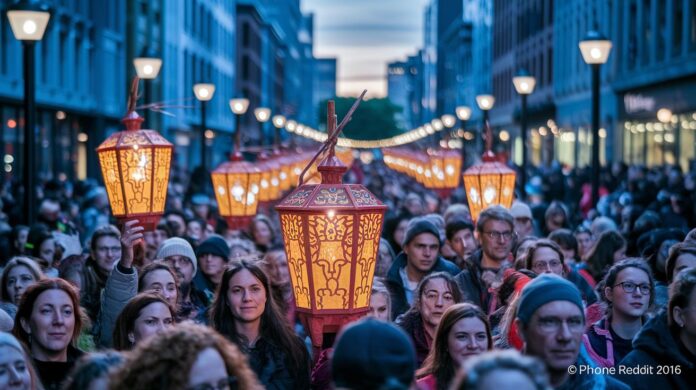

Have you ever thought a festival might change how you see the world?
Festivals bring traditions to life with vibrant colors, catchy tunes, and rituals that tug at your heart.
They let you catch a glimpse of a place's true spirit without having to dig into long history lessons.
Today, I'm excited to share five festivals that mix cherished customs with pure, joyful energy from around the globe.
How Unique Cultural Festivals Offer Authentic Global Experiences
Step into the incredible world of cultural festivals where age-old traditions burst into life with color, music, and joy. These celebrations let you experience heartwarming rituals and local pride in a way that feels both exhilarating and genuine.
Imagine walking through a town painted with brilliant hues during Holi in India (March) or feeling the infectious energy of samba music at Rio Carnival in Brazil (February/March). Picture yourself marveling at breathtaking ice sculptures at Japan’s Sapporo Snow Festival (February) as a crisp winter air makes every moment feel magical.
These festivals are like a quick peek into centuries-old traditions, offering sensory magic without the need for long history lessons. Even the air seems to join the celebration, dancing with color and rhythm.
Here’s a list of five festivals that beautifully capture the spirit of their lands:
- Holi (India, March)
- Rio Carnival (Brazil, February/March)
- Sapporo Snow Festival (Japan, February)
- Día de los Muertos (Mexico, November)
- Running of the Bulls (Spain, July)
Celebrating Tradition: Standout Asian Cultural Festivals
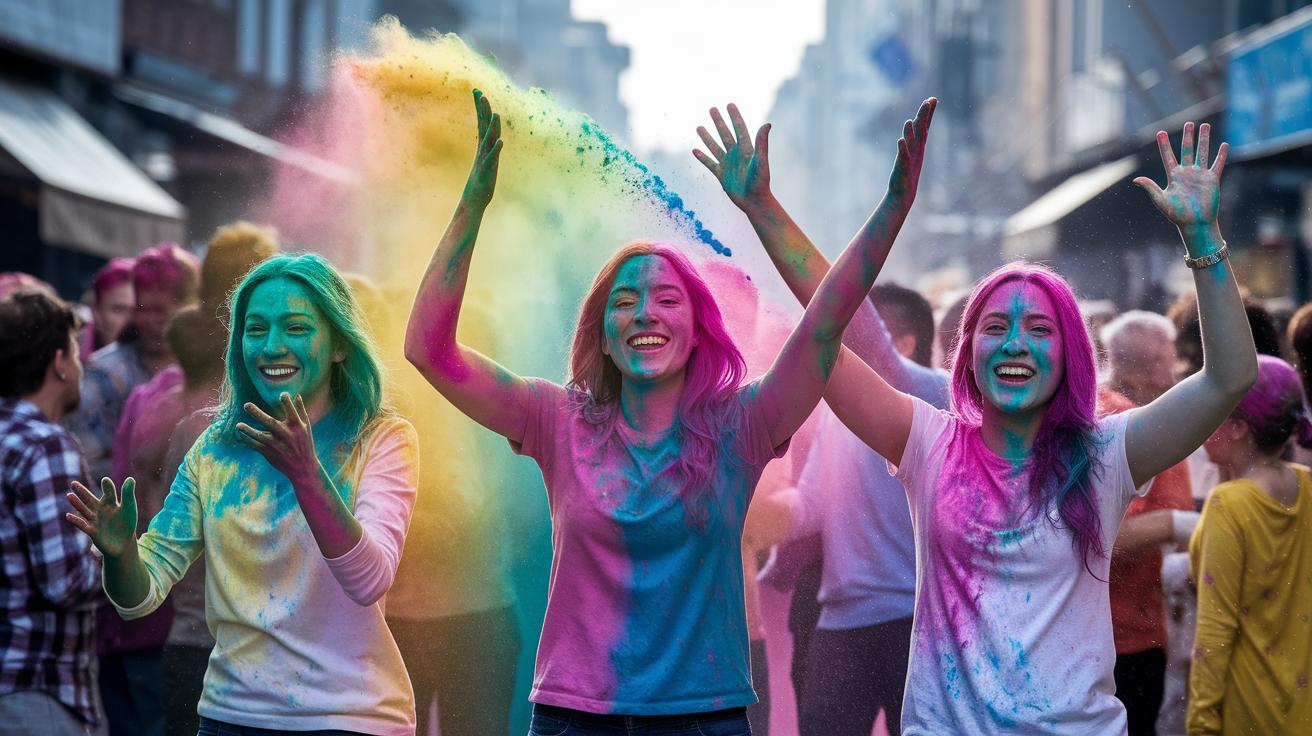
Every March, North India comes alive with the burst of Holi. Colorful powders fill the air, turning everyday moments into joyful celebrations. Rooted in ancient lore, friends and family gather in open spaces to welcome spring with lively, playful splashes.
From April 13 to 15, Thailand welcomes the New Year with Songkran. Imagine friendly water fights on every street as neighbors and family splash each other, washing away the past. This fun ritual turns ordinary streets into vibrant hubs of laughter and shared smiles.
In Hokkaido, the Sapporo Snow Festival charms visitors from February 4 to 11. The chilly weather is transformed into an outdoor gallery of dazzling ice sculptures. As you wander among these intricate frozen artworks in the crisp winter air, you feel a cool sense of wonder and creative pride.
Between April 4 and 6 in China, families come together for the Qingming Festival. This quiet and respectful day is all about cleaning ancestral graves and making gentle offerings. It’s a heartfelt reminder of the past that also welcomes the fresh spirit of spring, bridging generations with care.
Europe’s Unique Cultural Festivals: From Tomatoes to Masks
Buñol, a small town in Spain, lights up on the final Wednesday of August for a wild tomato fight called La Tomatina. Imagine 150 tons of ripe tomatoes soaring through the air, splattering over laughing faces and turning the streets into one big, red canvas. It’s a fun, messy moment where everyone cheers on the playful chaos.
Every February, Venice in Italy glows with festive magic during its Carnival. For two weeks, elegant masked balls and gondola parades draw locals and visitors alike into a dreamy world. The mysterious masks add a touch of art and intrigue, making every night feel like a live play under a sparkling, starlit sky.
In Munich, Germany, Oktoberfest jumps into action from late September until early October. Millions of people fill the beer tents and lively city squares, sharing smiles over traditional tunes and the inviting aroma of local dishes. It’s a true taste of Bavarian culture with cheerful stein clinks and warm, friendly shouts echoing day after day.
Every July in Pamplona, Spain, a pulse-quickening event called the Running of the Bulls unfolds between July 6 and 14. More than 1,000 brave runners dash through narrow streets while bulls charge forward amid an excited, roaring crowd. This daring tradition offers an adrenaline rush and a genuine slice of Spanish heritage that will stay with you long after the race.
Latin America’s Most Vibrant Cultural Festivals
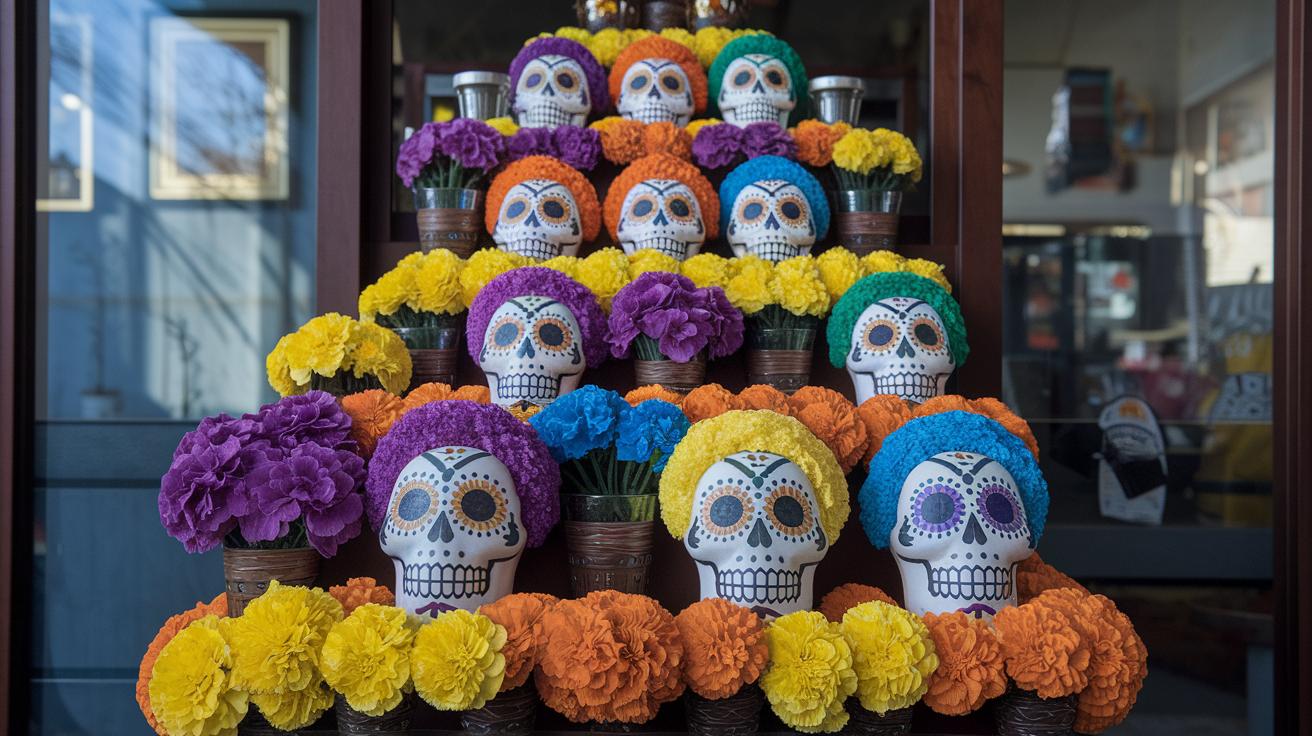
In Mexico City, Día de los Muertos unfolds every November 1–2 as a moving tribute where past and present meet. Families create colorful altars and elaborate sugar-skulls, turning their homes into lively memorials. Imagine stepping into a space filled with bright marigolds and heartfelt offerings, where every detail gently invites you to remember loved ones.
In Cusco, Peru, the festival of Inti Raymi on June 24 brings the ancient ritual of sun-worship back to life. Locals dress in traditional clothing and perform time-honored ceremonies that honor the sun’s life-giving power. Picture standing there as the early light warms your face, and the energy of history and community fills the air, simply unforgettable.
Over in Rio de Janeiro, Brazil, Carnival bursts onto the scene in February or March with pure, unbridled energy. For five days, the streets come alive with samba school parades, dazzling costumes, and rhythms that make your heart dance. Imagine the infectious beat carrying you along, each step and swirl a celebration of joy and Brazilian spirit.
Each February in Chile, the Viña del Mar Song Festival transforms a 15,000-seat amphitheater into a wonderland of live music. Local and international stars light up the night under open skies, creating an atmosphere of shared excitement. Picture being part of a massive crowd, where every note echoes the vibrant pulse of Chile’s cultural scene.
UNESCO-Recognized Festivals: Safeguarding Living Traditions
UNESCO’s Intangible Cultural Heritage list shines a light on festivals that are full of life. These festivities aren’t just events, they bring people together and keep time-honored traditions glowing. Think about Japan’s Obon, China’s Spring Festival, Mexico’s Día de los Muertos, and Spain’s Castells human towers. Each one bursts with energy and tells a story that ties generations together.
Every parade, ritual, or performance feels like stepping into a warm storybook filled with history and local charm. Imagine the sensory delight of colorful costumes, rhythmic drumming, and the genuine smiles that spread across faces, it’s almost like getting a close-up look at a living piece of history. And let’s be honest, moments like these make you appreciate the passion behind every tradition.
Celebrating these festivals is a perfect way to connect with the heart of a culture. They reveal secret layers of community spirit and the deep respect for customs that have been handed down over time. It’s a reminder that while our world changes, some parts of our identity stay exactly the same.
Below is a quick look at four festivals around the world that have been honored by UNESCO:
| Festival | Country | Year Inscribed |
|---|---|---|
| Obon | Japan | 2009 |
| Spring Festival | China | 2009 |
| Día de los Muertos | Mexico | 2008 |
| Castells | Spain | 2010 |
Essential Travel Tips for Attending Unique Cultural Festivals

Plan early to keep travel stress at bay. When you lock in your flights and hotels six months ahead, you can save about 20 to 30 percent on costs. This extra saving means more funds for enjoying those amazing festival moments. Plus, think about getting festival-cancellation insurance, it's like a safety net if plans suddenly change. A little foresight turns a potentially hectic trip into a smooth adventure.
Once you’re at the festival, try to keep things green. Use public transit or official shuttles to lower your carbon footprint, it's a small act that makes a big difference. Also, check out a practical guide to cultural etiquette (simple tips for respectful communication when you’re abroad) to help you connect with locals. Follow dress codes, like wearing white during Songkran or opting for modest clothes at religious events, and skip flash photography at moments like Obon to keep the magic intact.
Keep an open heart and mind as you dive into festival life. Embrace local customs, and let yourself learn new ways of celebrating. By respecting traditions and looking for genuine experiences, you add depth to your travel stories and support the host communities. Plan smart, be kind, and enjoy every vibrant moment of the celebration.
Final Words
in the action, we explored global celebrations starting with remarkable events like Holi in India and Rio Carnival in Brazil. We unpacked cultural highlights from Asia, Europe, and Latin America, talked about UNESCO-listed festivities, and shared smart travel tips. Our guide shows how embracing local customs can add an extra spark to your trips while highlighting lesser-known spots along the way. Enjoy the thrill of planning an unforgettable trip to experience unique cultural festivals around the world.
FAQ
What are some examples of unique cultural festivals around the world?
The article shares unique festivals such as Holi in India (March), Rio Carnival in Brazil (February/March), Sapporo Snow Festival in Japan (February), Día de los Muertos in Mexico (November), and Running of the Bulls in Spain (July).
How do Asian cultural festivals differ in tradition and celebration?
The guide explains Asian festivals by detailing Holi’s colorful rituals, Songkran’s playful water fights, Sapporo Snow Festival’s icy displays, and Qingming Festival’s respectful tomb-sweeping, each reflecting rich local traditions.
What European festivals are highlighted in the guide?
The guide highlights European festivals including La Tomatina with its tomato fight in Spain, Venice Carnival’s masked parades in Italy, Munich’s Oktoberfest, and Spain’s Running of the Bulls—all showcasing distinctive regional customs.
Which Latin American festivals does the guide feature?
The guide features Latin American festivals like Día de los Muertos in Mexico with its vibrant altars, Inti Raymi in Peru celebrating sun-worship, Rio Carnival’s legendary parades, and Chile’s Viña del Mar Song Festival.
How does the guide showcase UNESCO-recognized festivals?
The guide presents UNESCO-listed festivals by outlining Japan’s Obon (2009), China’s Spring Festival (2009), Mexico’s Día de los Muertos (2008), and Spain’s Castells (2010), each noted for their living cultural significance.
What are some essential travel tips for attending these cultural festivals?
The guide offers practical tips like booking flights and hotels early, using public transit, observing local dress codes and customs, avoiding flash photography at sensitive events, and securing festival-cancellation insurance.