


Have you ever wondered if riding public transit is more than just a way to get around? Each bus, train, or tram ride is like getting a little peek into the city's hidden beat. In this friendly guide, I share easy tips on how to use local transit, think of it as your quick-start plan (a simple schedule to help you explore), so you can travel like a true local. With advice that helps you save money and build confidence along the way, every stop turns into a chance to experience the city up close. Ready to ride smart and feel the city's pulse with every journey?
Local Transportation Systems: Expert Overview and Key Insights
Local transportation systems are simply the networks of buses, trains, subways, and trams that help you move around a city with ease. Using these rides isn’t just about getting from one spot to another, it’s a chance to feel the city's heartbeat and see everyday life just as locals do. Imagine the bright colors of metro trains pulling into your station right on time; it can turn an ordinary commute into a vibrant glimpse of urban life.
These different ways to get around often cover a lot of ground while saving you money. Buses wind through neighborhoods, offering a peek at secret corners of the city. Trains can quickly take you to farther parts, and subways and trams drop you close to busy centers with reliable service. It’s like exploring a street food market where every stall has its own unique flavor, each mode of transit has a special charm and its own perks.
Planning a bit ahead can really smooth out your travel day. Checking transit options before you arrive helps you pick the best ride for your plans. For example, an unlimited-use travel card can cut down on extra costs and save you time. And traveling during quieter times can be a lot more relaxing, like choosing a peaceful side street instead of a busy main road.
Research and Planning Strategies for Efficient Local Transit
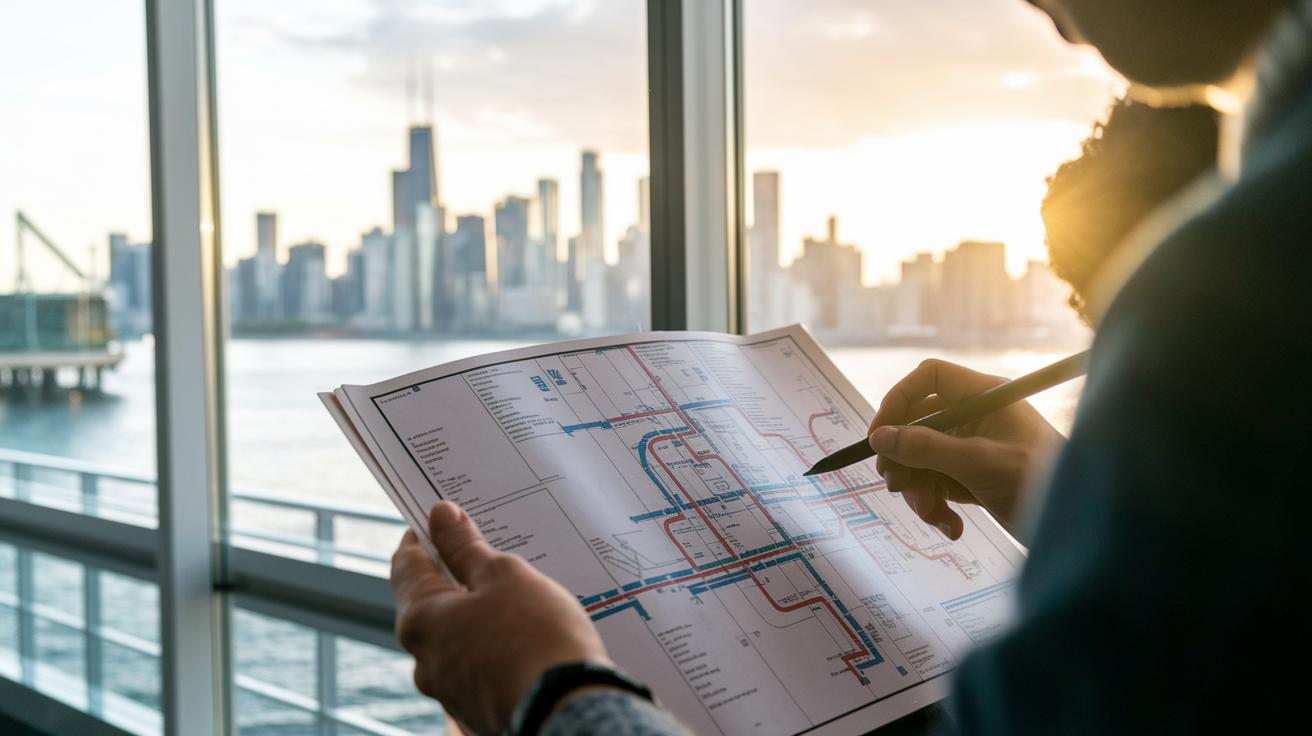
Before you pack your bags, take a moment to learn how the local transit works. Did you know nearly 80% of Parisians ride their metro every day? It shows just how important local transit is for daily life. Knowing the basics gives you the confidence to tackle unexpected twists on your trip.
Cities all have their own transit vibe. In places like Paris, London, and Seoul, the metro is fast and reliable. But in cities like Amsterdam and San Francisco, buses and trams let you really feel the local flavor. Getting familiar with the system in advance means less hassle and more enjoyment when you explore.
Official transit websites and offline maps are your secret weapons. They offer up-to-date schedules and station details so you’re never in the dark. And when your phone signal isn’t cooperating, an offline map is like an old friend you can always count on.
If you’re planning to hop between cities, a solid route planning app can be a lifesaver. Compare different tools to find off-peak times, often midday or later in the evening, for a smoother ride. By tweaking your itinerary with real-time updates and offline maps, you can turn transit into a stress-free part of your adventure.
Ticketing Options and Fare Management in Local Transit Systems
Picking the right ticket option can really help your wallet and keep your day on track. When you choose wisely, you can avoid spending too much money while keeping your travel running smoothly. Whether you go for a single ride or an unlimited pass, knowing your purchase options, from using a mobile app or a station kiosk to other smart choices, means you'll save both time and cash. It’s a simple, smart way to make your travel stress-free.
| Ticketing Option | Purchase Method | Validity | Cost |
|---|---|---|---|
| Single Ticket | Station/Kiosk/App | One Ride | Standard Fare |
| Day Pass | App/Convenience Shop | 24 Hours | Budget-Friendly |
| Weekly/Monthly Pass | Station/App | 7/30 Days | High Savings |
| Fare Capping | Digital Account | Daily/Weekly Limit | Auto-adjusted |
Using digital ticketing apps makes it easy to check your balance and add funds. They also keep you updated on automatic fare limits, turning your daily transit routine into a smooth and modern experience.
Maximizing Public Transit Services: Buses, Trains, Subways, and Trams

Public transit is a fun way to really get a feel for a city. When you choose to ride a bus, train, subway, or tram, you're stepping into a local adventure where every mode offers its own charm. You can pick the one that fits your schedule, gives you a pretty view, or lets you switch routes quickly.
Buses
Buses are a great way to explore different neighborhoods at your own pace. You might check out a route map online or grab one at the bus stop, it’s like having a handy guide that shows every turn and stop. Timetables at the stops make it simple to know when the bus will be there, so you can plan your day easily. Keeping an eye on updated schedules turns what might feel like a tricky route into a smooth ride.
Trains
Trains are perfect when you need to cover longer distances fast while skipping the city’s busy traffic. A schedule app can help you figure out when trains are less crowded, keeping your trip relaxed. Many train systems now offer real-time updates, so you can plan your ride during quieter times. In some cities, you can even reserve a seat for those longer journeys, ensuring you have a comfortable ride even when things get busy.
Subways
Subways are all about efficiency. Their color-coded lines and clear transfer hubs guide you like a helpful friend through a busy network. Clear station signs make it easy to spot which transfer will take you to your destination. And using a digital map to follow the lines can help you avoid missing your stop, making your subway experience both smooth and stress-free.
Trams
Trams let you take in the city life up close. With stops spaced out along the route, you'll notice the everyday buzz of urban streets, from lively market corners to charming little cafés. A quick tap at the ticket validator by the boarding area confirms you’re all set to go. This relaxed, street-level ride can make your commute a delightful part of your day.
Integrating Private Mobility and Shared Transportation Solutions
Private taxi and ride-share services on demand are becoming trusted travel buddies when public transit leaves a gap. With just a few taps on your phone, you can book a ride in seconds, especially when buses or trains aren’t available or don’t match your schedule. It’s like having a friendly car waiting nearby, ready to whisk you away smoothly, making your journey feel personal and stress-free. And let’s be honest, nobody loves waiting around in a busy city when you can be moving forward.
Mixing in micro-mobility options, like e-scooters and bike-sharing, adds even more ease to your travel plans. These programs let you choose between systems with designated docking spots or free-floating bikes, so you can pick what works best for you. In some cities, you can even grab a ticket that covers both public transit and these shared rides, a true gem for switching from a cozy subway ride to a breezy scooter cruise on a sunny street. When you plan a trip with different travel modes, marking your switch points ahead of time can make the whole journey feel like a mini adventure. And if you’re heading to places like Southeast Asia, a handy guide is out there with more tips to make every leg of your trip as smooth and fun as possible.
Leveraging Technology and Apps for Streamlined Transit Guidance

Imagine having a handy friend in your pocket every time you travel. Picking the right transit app can change your day, making even a busy commute feel like a breezy adventure. Look for apps that give you real-time updates, like a nudge when delays happen or a heads-up for alternate routes. Google Maps and Citymapper, for example, let you set up alerts to keep you on track when schedules change or it’s time to switch lines.
Once you’ve chosen your app, dive into cool features like Live View AR, which uses your phone’s camera to show you your surroundings, or download offline maps for those times when the network is spotty. Play around with the settings to mark your favorite travel modes and accessible routes. These little tricks let you handle unexpected detours with ease and confidence. And hey, if you’re curious about mastering more advanced features, there are plenty of travel resources out there to guide you.
| App | Key Feature |
|---|---|
| App A | Provides live transit updates |
| App B | Sends real-time delay alerts |
| App C | Suggests alternative routes |
| App D | Offers Live View AR navigation |
| App E | Enables offline map downloads |
| App F | Customizes accessibility and travel preferences |
Ensuring Safety and Accessibility in Local Transit Systems
When you ride public transit, always keep your eyes open for what’s happening around you. It's best to hold onto your valuables and steer clear of getting too lost in your phone. Traveling during the day and when things are quieter can make your journey a lot more relaxed and safe.
Local transit stations often have handy features for everyone. You might find audio announcements, textured floors that guide your steps, and elevators to help if you need a boost. Easy-to-read signs point you in the right direction. And if you're ever unsure, asking a transit staff member or checking a station guide can make finding wheelchair-friendly paths a breeze.
Keep an eye on live display boards and listen for clear announcements so you never miss your stop. These helpful cues guide you on transfers and let you know when it’s time to get off. Paying attention to these details makes your trip simple and stress-free.
Advanced Route Optimization Techniques for Expert Commuters
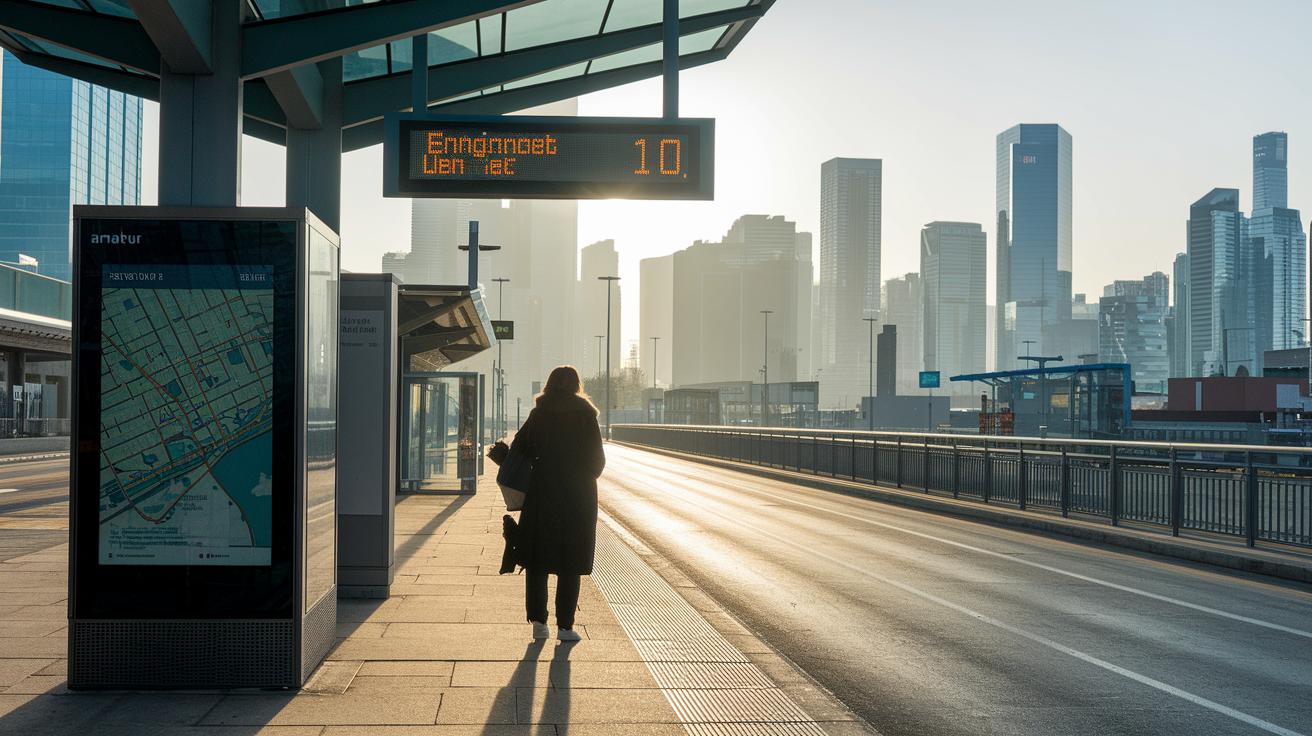
Optimizing your transit route isn’t just about saving time; it’s about making every part of your journey feel smooth and stress-free. With smart tools and up-to-date info, you can uncover quicker ways to move and dodge delays, turning even a tricky commute into a well-planned adventure.
Let’s break down the process:
- Data Gathering: Begin by checking out current transit schedules, crowd details, and past traffic patterns from trusted sources.
- Tool Selection: Pick a solid route-planning app that lets you compare the quickest and cheapest paths while giving you the freedom to change course as needed.
- Simulation: Take your planned route for a conceptual test drive. Watch for any spots where timings might clash or where you could hit a snag.
- Real-Time Monitoring: Keep an eye on live updates and smart analytics that alert you to delays or busy periods.
- Adjustment: If something unexpected happens, feel free to switch up your route on the fly using those handy dynamic rerouting features.
- Review: After your journey, think about what went well and where you ran into issues so you can fine-tune your next plan.
These steps work no matter where you are, from the bustling streets of Tokyo to the efficient tubes of London. Using these techniques lets you handle any changes as they come, keeping your travel both easy and enjoyable. For a deeper dive into these methods in action, check out the full guide to touring Barcelona at https://thetravelinginsider.com?p=1072.
Final Words
In the action of uncovering all the tips for smooth transit, this guide has covered everything from understanding diverse public and private transport options to choosing the right pass that fits your schedule.
It explained how pre-trip research and practical tech tools can make your urban commute seamless.
Remember, using this expert guide to navigating local transportation systems can add that extra zing to your everyday travel. Stay curious and keep exploring, every trip is an opportunity for a better experience.
FAQ
Frequently Asked Questions
- What are local transportation systems and why are they important?
- The local transportation systems combine modes like buses, trains, and subways to help you move around smoothly while saving time and money.
<dt>What transit options are typically available in urban areas?</dt>
<dd>The transit options include buses, trains, subways, and trams, each offering benefits such as cost savings with unlimited travel cards and smoother rides during off-peak periods.</dd>

<dt>How can I effectively plan my public transit route?</dt>
<dd>The transit planning involves researching schedules, reviewing official websites, and using route-planner apps to align your trips with off-peak hours for a more comfortable commute.</dd>

<dt>What ticketing and fare options can help reduce my travel costs?</dt>
<dd>The fare options range from single-trip tickets to day, weekly, or monthly passes, and using digital ticketing tools often leads to better savings through fare capping and unlimited travel card benefits.</dd>

<dt>Which transit apps and mobile tools are useful for commuters?</dt>
<dd>The transit apps like Google Maps and Citymapper deliver live updates, delay alerts, and AR navigation, making it easier for you to monitor service changes and tailor your travel preferences.</dd>

<dt>How do I combine private mobility with public transit for efficient travel?</dt>
<dd>The integration of private mobility—such as ride-share, e-scooter, and bike-share services—with public transit covers last-mile gaps, ensuring seamless transfers and boosting overall travel efficiency.</dd>

<dt>What safety and accessibility tips should I follow when using public transit?</dt>
<dd>The safety tips include staying alert, securing valuables, and choosing off-peak travel, while accessibility guidance highlights using audio cues and tactile features to make your transit experience smoother.</dd>

<dt>How can advanced route optimization improve my commuting experience?</dt>
<dd>The advanced route optimization uses planning tools, real-time crowd data, and dynamic adjustments that help you compare options and respond quickly to disruptions, streamlining your travel across cities.</dd>
hello world
hello world
vidalista tadalafil reddit
vidalista tadalafil reddit
semaglutide oral vs injection for weight loss
semaglutide oral vs injection for weight loss
topamax psych use
topamax psych use
finns semaglutid naturligt
finns semaglutid naturligt
is cialis better than sildenafil reddit
is cialis better than sildenafil reddit
bupropion hcl anxiety
bupropion hcl anxiety
toradol pain relief
toradol pain relief
ivermectin strongyloides infection control
ivermectin strongyloides infection control
ivermectin mechanism in demodex
ivermectin mechanism in demodex
vardenafil 10 mg information
vardenafil 10 mg information
avanafil pde5 inhibitor contraindications
avanafil pde5 inhibitor contraindications
avanafil cost components
avanafil cost components
orlistat severe side effects
orlistat severe side effects
amoxicillin antibiotic facts
amoxicillin antibiotic facts
Understanding Sildenafil Duration
Understanding Sildenafil Duration
Absorption and Tmax Hub
Absorption and Tmax Hub