
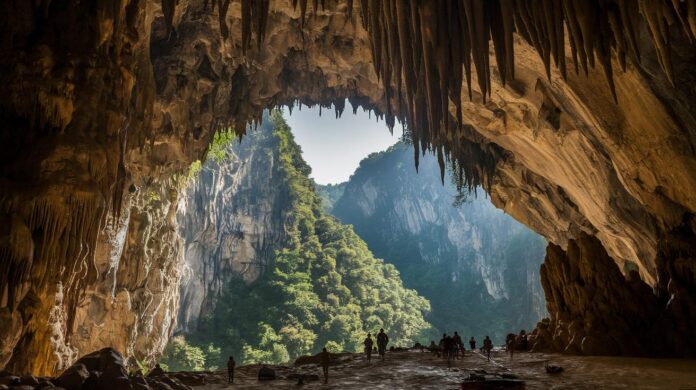

Have you ever pictured a cave so massive it seems like it could swallow an entire city? Son Doong Cave in Vietnam is just that, a marvel of nature that surprises you with its scale and beauty.
Inside, the atmosphere shifts like a live scene with its own changing weather and even a hidden river, turning every visit into a fresh adventure.
In this story, I'll share my own firsthand experience exploring this stunning cave and explain why it captures the hearts of everyone who steps inside.
Exploring the World’s Largest Cave in Vietnam
Son Doong Cave in Quang Binh Province, part of Phong Nha-Ke Bang National Park, is known as the world’s biggest cave. It stretches nearly 9 km and holds about 38.5 million cubic meters of space. Imagine a space so vast that you could hide a whole city's worth of buildings inside it.
Inside, the cave feels like a secret world with its own weather. Mists, drifting clouds, and a flowing underground river come together to create a constantly changing atmosphere. The shifting play of light and shadow makes the rock formations and long passageways seem almost magical. Have you ever wondered what it might feel like to explore a cave where nature paints its own picture at every turn?
A visit here is more than just a tour. It is a chance to step right into one of Vietnam's most incredible natural wonders and experience a sense of awe that stays with you long after you leave.
Location and Size of Vietnam’s Largest Cave
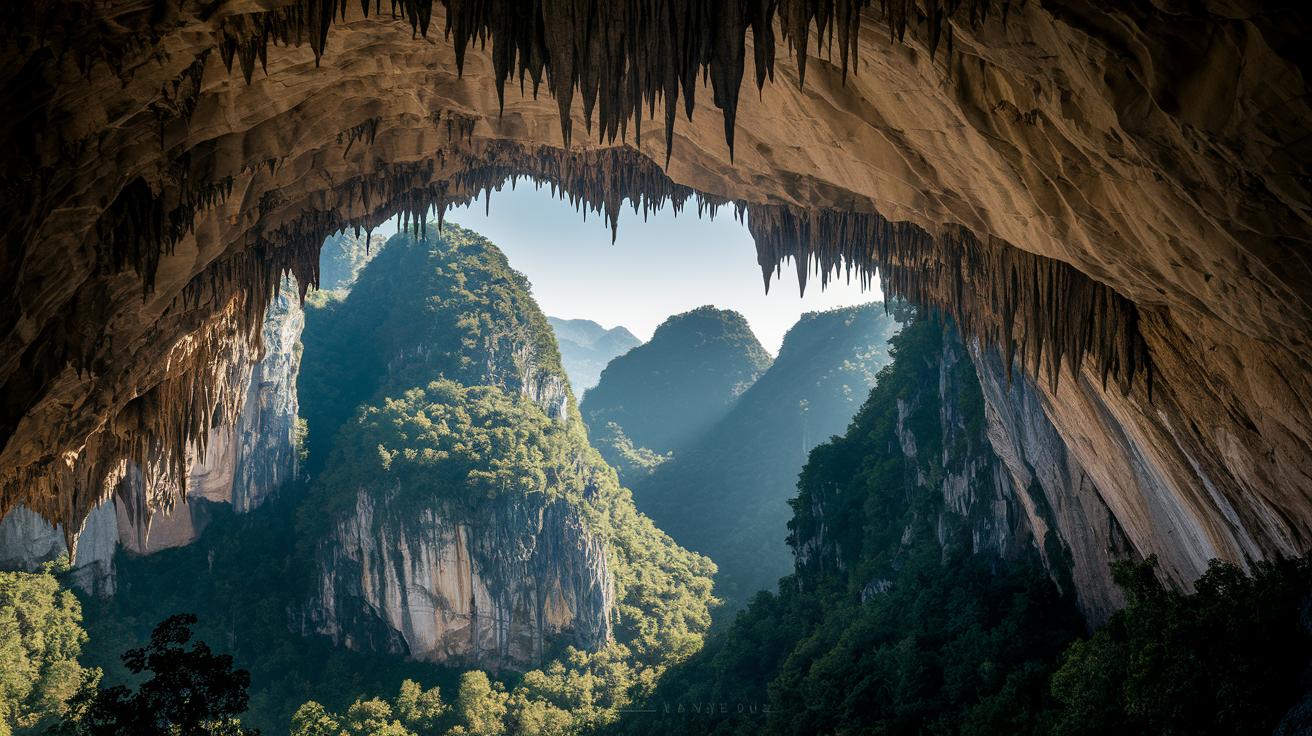
Nestled in Phong Nha-Ke Bang National Park in Quang Binh Province, Hang Son Doong is one of nature’s most amazing creations. This gigantic cave stretches nearly 9 km long, and in some parts, it boasts ceilings that climb up to 200 m high and span 150 m wide. With a total volume of around 38.5 million cubic meters, it easily outshines many other caves in Vietnam.
Visiting Hang Son Doong feels like stepping into an entirely different world beneath the earth. The vast space and dramatic dimensions invite you to explore and marvel at nature’s hidden secrets.
Below is a simple table that compares these key measurements with another well-known cave:
| Feature | Hang Son Doong | Comparison Cave | Value |
|---|---|---|---|
| Length | ~9 km | Major cave average | Approx. 3-4 km |
| Volume | ~38.5 million m³ | Notable large cave | ~5 million m³ |
| Max cross-section | 200 m tall x 150 m wide | Typical ceilings | Around 100 m x 100 m |
Truly, Hang Son Doong is a natural marvel that invites every explorer to experience its vast and mysterious beauty.
Geological Features of the World’s Largest Cave in Vietnam
Carved out of limestone that’s been around for 400 million years, this cave shows off nature’s slow and steady work. Over countless ages, the rock faded away bit by bit, revealing an underground space that feels almost frozen in time. Ever wonder how nature reveals its hidden treasures slowly, like a secret sculpture emerging with every passing century?
Once you step inside, natural openings in the cave ceiling let in soft, filtered light. These skylights create little pockets of brightness among the dark passages, where jungle plants add a touch of wild green. Picture towering rock formations that stand as tall as 70 meters, almost like gentle giants guarding the cave’s mysteries. One of these even got the fun nickname "Watch Out for Dinosaurs" because of its quirky, imposing look.
An underground river weaves its way through the cavern, patiently carving new paths as it flows. Its gentle ripples form extra skylights that shine light on the ever-changing patterns of the cave. Imagine standing next to a river that has remolded the cavern over millennia, each twist and turn a reminder of nature’s timeless work.
Discovery History of Vietnam’s Mega Cavern Expedition
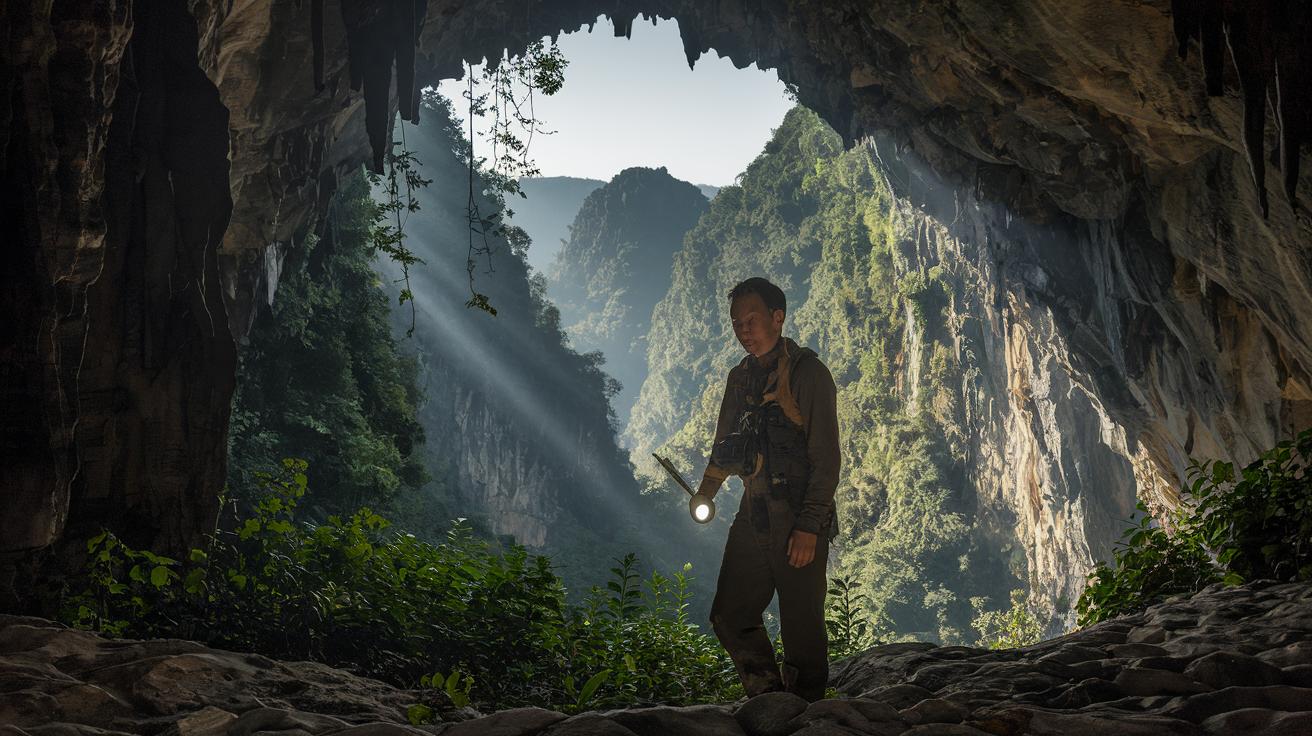
Back in 1991, Ho Khanh, a local hunter in search of agarwood, came across a hidden cave that would soon capture the imagination of many in Vietnam. He discovered Hang Son Doong, with "Hang" meaning cave, "Son" meaning mountain, and "Doong" referring to a local valley or cave. Imagine the excitement of hearing, "I never thought a simple search for agarwood would lead to finding a secret world beneath our feet." That moment sparked wonder among local residents, turning the discovery into a cherished local legend.
In 2009, a team from the British Cave Research Association visited the site. They spent time carefully studying and mapping the cave to understand its true scale. Their work revealed Hang Son Doong as a landmark of incredible natural beauty and adventure, inviting curious travelers to explore its vast spaces. Then, in 2014, the cave was opened to tourists and has been managed by Oxalis Adventure since, transforming a well-kept secret into a celebrated destination for anyone who loves raw, unforgettable nature.
Cave Tourism Attractions in Vietnam: Visiting the World’s Largest Cave
If you’re ready for an adventure you'll never forget, visiting Vietnam’s biggest cave is a journey filled with amazing sights and real-life thrills. Starting from Dong Hoi, which is about 45 km from Phong Nha, you have several travel choices to get going. Whether you hop on a 1-hour plane ride, brace yourself for an 11- to 24-hour train journey, or take a sleeper bus costing roughly VND 350k to 575k, you’re stepping into a mini-epic where every moment matters.
This isn’t just about getting there. The journey means a 4- to 6-day trek (that’s a detailed plan for your trip requiring a special permit) which tests your strength while letting you soak in the wild, untouched beauty of Vietnam. Imagine stepping off a sleeper bus, feeling the warm, damp air, and hearing the gentle rustle of the forest, all part of a trip that feels like a secret adventure waiting to happen.
Here are the key details you need to know:
- Transport: Reach Dong Hoi by a 1-hour flight, an 11-24 hour train ride, or a sleeper bus for around VND 350k–575k.
- Permits and Fitness: You must pass a fitness test and secure a mandatory permit before starting the trek.
- Cost: The overall trip is about VND 70 million (roughly USD 3,000), which covers guides, gear, meals, and rides within the park.
- Booking: Permits are limited, so it’s best to book your spot 6 to 12 months in advance.
This isn’t just a regular outing, it’s a deep plunge into one of nature’s most jaw-dropping landmarks. Picture yourself all set, every detail planned, ready to experience the breathtaking scale of the cave and create stories you’ll remember forever.
Detailed Itinerary for Exploring the World’s Largest Cave in Vietnam
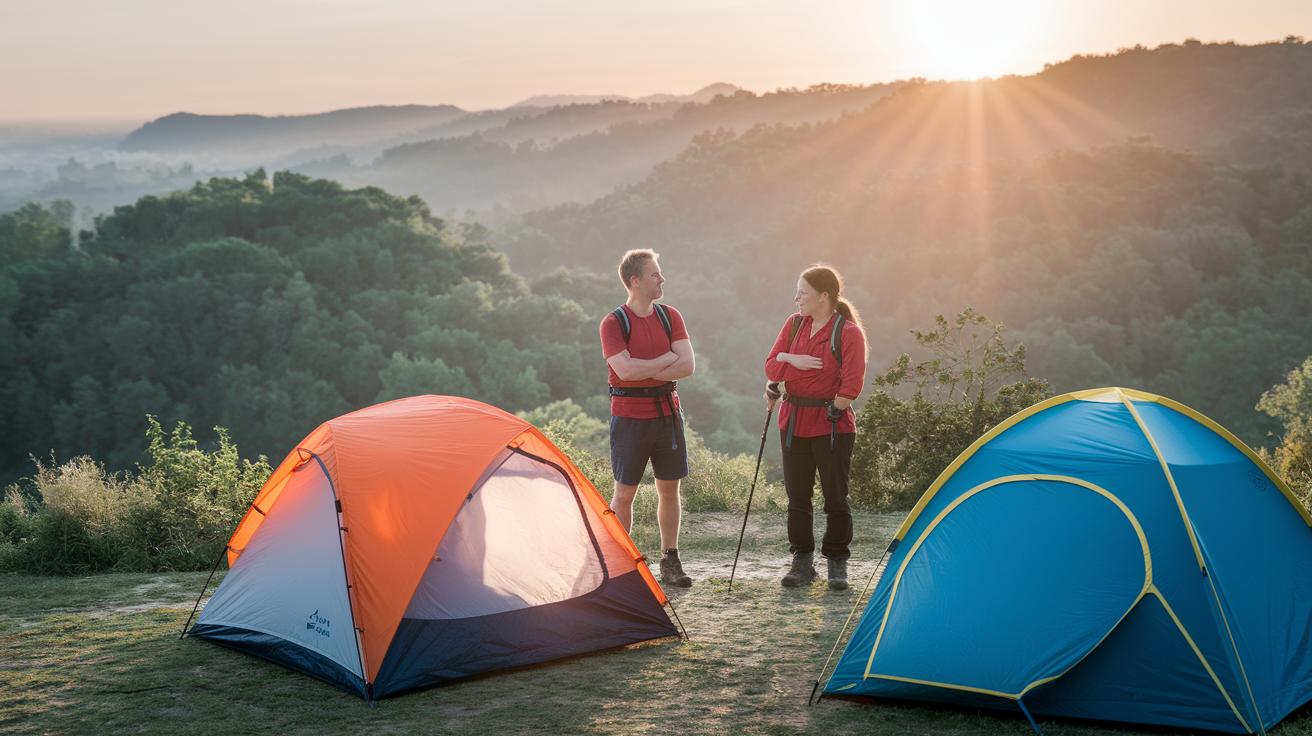
Day 1: Phong Nha to Camp Briefing
Welcome to Phong Nha! Once you arrive and settle in at a cozy local spot, you’ll head over to the campsite. After a quick gear check and friendly safety briefing, the team gathers to set up camp and get a heads-up on the day’s adventures. It's a warm and relaxed start to an exciting journey.
Day 2: Jungle Trek to Hang En
Bright and early, the group sets off on a jungle trek toward Hang En. Imagine walking through lush greenery with the gentle sounds of nature all around you. Midday brings a laid-back lunch with local residents, a perfect way to taste the local flavor. By late afternoon, everyone is busy preparing the campsite, surrounded by the soothing whispers of nature.
Day 3: Descending into Son Doong
This is the highlight of the trip! The group carefully descends into Son Doong using secure ropes. Along the way, you’ll see amazing formations like the quirky “Watch Out for Dinosaurs” stalagmite and a cool river crossing. Safety is in full swing, and every step feels like stepping into another world.
Day 4: Great Wall of Vietnam Challenge
Today brings a real adrenaline rush, a challenging 60-meter section called the Great Wall of Vietnam. Depending on the weather, you might use a rope or even take a boat when things get slippery. The excitement is palpable as everyone pushes their limits in this thrilling part of the cave.
Day 5: Exit and Return to Phong Nha
It’s time to head back. The team follows a clearly marked path out of the cave, retracing the steps you once took. With transport arranged to make your return to Phong Nha smooth and safe, you’re left with memories of an unforgettable underground adventure.
Day 6: Optional Extensions
For those wanting a more relaxed pace, there’s an optional extra day. Picture yourself enjoying a peaceful farmstay at Chay Lap, and then exploring nearby gems like Paradise Cave or Mooc Spring. This is your last chance for one more friendly encounter with Vietnam’s natural wonders before heading home.
Ecosystem and Unique Wildlife in Vietnam’s Largest Cave
Deep below the surface, a clear underground river flows through the cave, creating a secret world where life adapts to complete darkness. Blind fish glide quietly in the chilly water, and tiny shrimp race along rocky banks. These creatures have developed special traits to survive where sunlight never touches. You can even spot fossilized remains of ancient plants etched on the stone, a gentle reminder of a time when the cave was very different. Imagine a slender stream with water so pure that it supports life in total darkness, nurtured by walls that slowly crumble over time.
Venture further inside and you’ll discover natural openings that let in slivers of light, revealing a hidden jungle thriving underground. Tall trees, some reaching up to 18 meters, stand shoulder to shoulder with orchids, ferns, and other vibrant plants, creating a miniature forest in an unexpected place. Up in the high, cavernous ceilings, bats and swiftlets have made their homes, their soft calls echoing off the stone. Ever wonder about the gentle sound of wings flapping in the dark? This lively mix of water creatures and jungle growth shows just how diverse and resilient nature can be in one of Vietnam’s most fascinating wonders.
Conservation Efforts and Safety Tips for the World’s Largest Cave in Vietnam
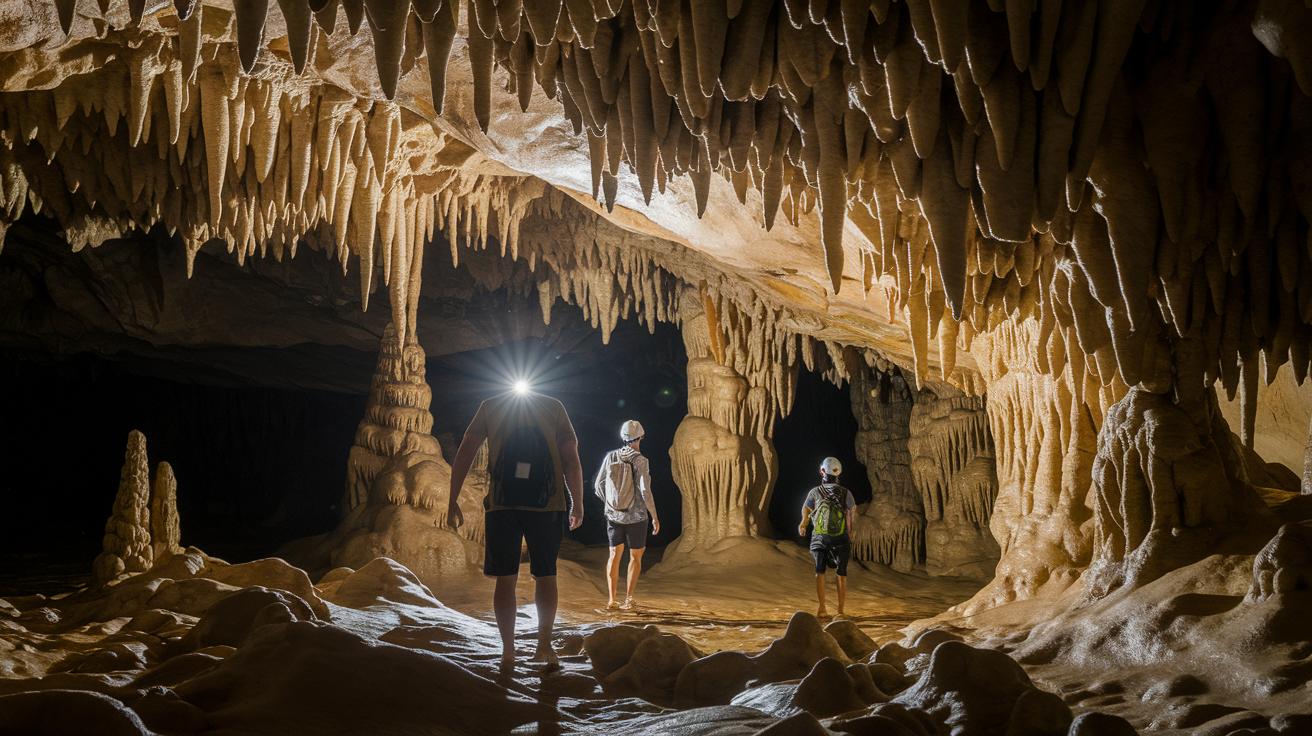
The cave is protected by Phong Nha-Ke Bang National Park rules and cared for by Oxalis. Local Vietnamese experts and UNESCO are always studying its climate and rare wildlife to keep things just as nature intended. It’s like they’re keeping a secret treasure safe while still letting you experience its magic firsthand.
If you're gearing up for this adventure, take a moment to plan ahead. The cave welcomes visitors from January to August, but the best time to visit is between March and May when the inside temperature feels just right, around 22°C to 25°C. Don’t forget to pack your essentials: waterproof boots, a helmet with a headlamp, LED lights, and a climbing harness. Having the right gear and knowing the perfect time to visit really makes the journey safe and unforgettable.
Final Words
In the action, we ventured into a hidden underground world filled with vast chambers, stunning formations, and local stories that bring the space to life. The guide walked through the cave's impressive size, its ancient geology, and even its unique discovery tale.
Every tip shared helps you plan a safe, memorable trip to the world largest cave in vietnam. Each insight is designed to spark your curiosity and fill your trip with excitement and wonder. Enjoy every step of the experience!
FAQ
What is Son Doong Cave?
The Son Doong Cave is the world’s largest cave in Vietnam. It stretches nearly 9 km long and features its own weather system, underground river, and enormous chambers that offer a truly unforgettable natural setting.
What does a Son Doong Cave tour offer?
A Son Doong Cave tour offers guided exploration through massive underground chambers, close views of unique geological formations, and insights into the cave’s distinct ecosystem, ensuring a safe and immersive visit for travelers.
What is the cave ecosystem like in Vietnam?
The Vietnam cave ecosystem supports blind fish, shrimp, bat colonies, and lush jungle growth in collapse dolines. This diverse environment is shaped by underground rivers and natural skylights that bring in daylight.
How can tourists visit Son Doong Cave?
Tourists can visit Son Doong Cave through organized expeditions. Expeditions require an advance permit, a fitness check, and thorough safety briefings, all managed by a dedicated tour operator to ensure a secure experience.
Why is a Son Doong tour expensive?
A Son Doong tour is expensive because of the extensive planning, specialized gear, expert guides, and strict conservation measures needed to safely access and protect this massive natural wonder during expeditions.
What makes Son Doong Cave stand out among large caves?
Son Doong Cave stands out due to its massive size, unique weather phenomena, towering formations, and the rare dynamic underground ecosystem it hosts, all of which contribute to its status as a record-setting natural marvel.
What discoveries have been made in Son Doong Cave?
Discoveries in Son Doong Cave include impressive stalagmite formations, collapse dolines with jungle skylights, and evidence of ongoing geological changes from its underground river, highlighting its fascinating natural evolution.