
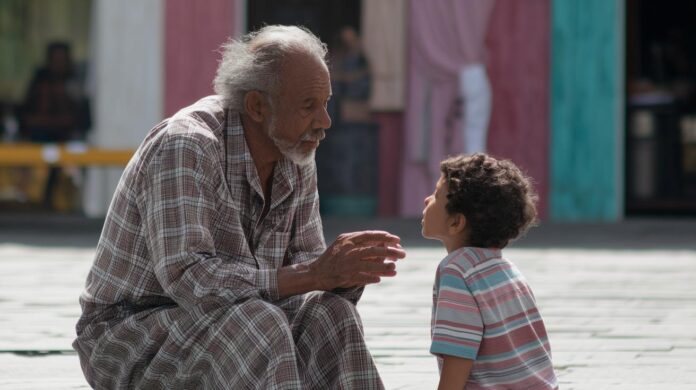

Have you ever thought that the old stories and traditions from our past might be the key to connecting with others today? Imagine cultural heritage as a treasured family album filled with old photos, handwritten letters, and historic places that remind us of who we used to be. It brings together our own memories and a sense of community, showing that every custom and relic holds a piece of our shared heart.
In this article, we explore how these timeless tales can bring people closer together and keep the spirit of our culture alive.
Foundations of Cultural Heritage
Cultural heritage is all about the special items and traditions that give a community its unique story. It covers everyday treasures like old paintings, statues, mosaics, monuments, and ancient ruins, as well as cherished documents, letters, photos, and customs handed down over the years. Think of it as a lively scrapbook that keeps memories and traditions alive.
These pieces of history work like a community’s photo album, capturing shared joys, struggles, and dreams. They remind us of what our ancestors built and fought for, and they help us feel connected to a larger story. In simple words, cultural heritage makes us feel like we belong to something bigger than ourselves.
UNESCO breaks down cultural heritage into two main groups: tangible and intangible. Tangible heritage is made up of things you can see and touch, like buildings and art. On the other hand, intangible heritage includes the customs, celebrations, and everyday practices that live on over time. This thoughtful split helps us care for both the physical treasures and the timeless traditions that light our way today.
Categories of Cultural Heritage: Tangible vs Intangible
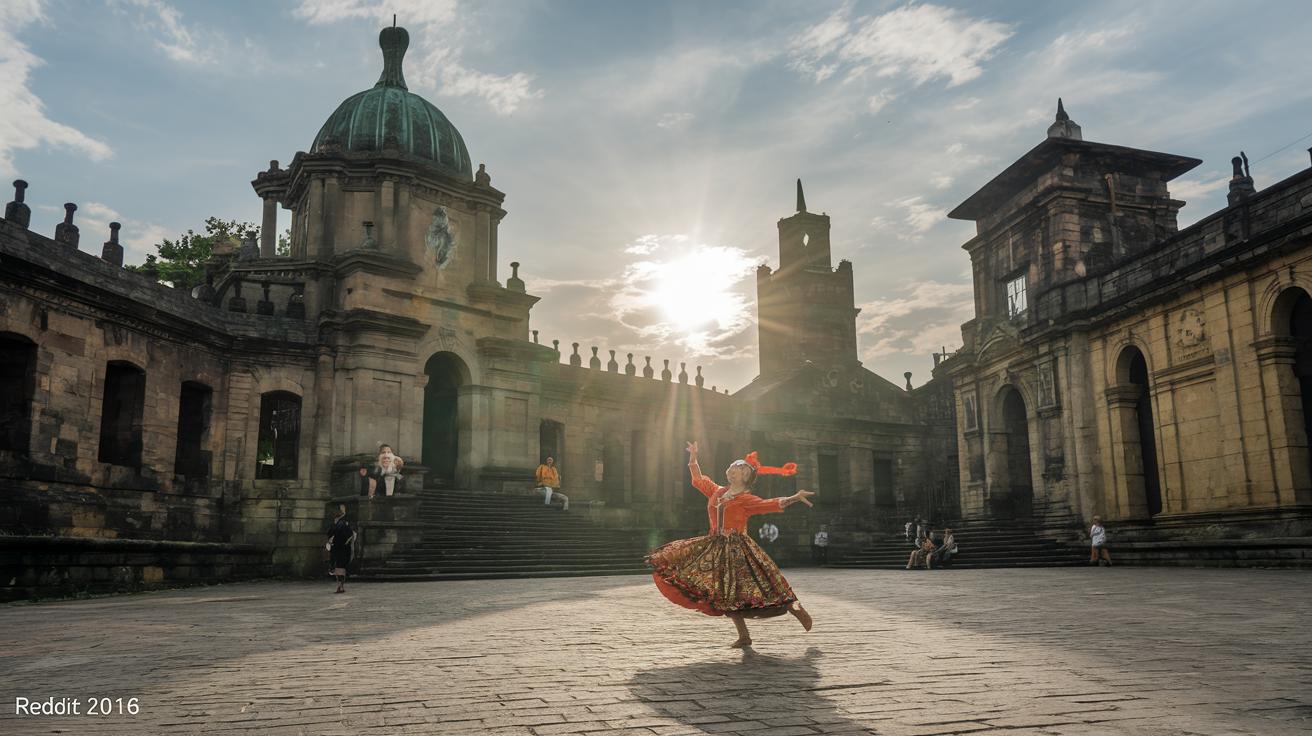
Tangible heritage is all about the physical treasures that tell the story of a place and its people. Imagine ancient buildings, statues, and historic sites that you can see and even touch. These objects, like beautiful panel paintings or old manuscripts, are reminders of our creative past. They let us see how art and architecture have grown over the years.
Intangible heritage, on the other hand, is found in the everyday practices, rituals, and traditions that bind communities together. Think about lively festivals, age-old oral traditions, dance performances, and customs shared from one generation to the next. When you watch a group in a traditional ceremony, it feels like you’re stepping into a story passed down through time. Ever wonder why a local festival seems so magical? It’s the living spirit of these traditions.
| Type | Examples | UNESCO Protection |
|---|---|---|
| Monuments | Historic buildings, statues | Listed for their historical importance |
| Museums | Art collections, historical archives | Recognized for cultural continuity |
| Festivals | Cultural celebrations, ceremonies | Safeguarded as cultural expressions |
| Oral Traditions | Storytelling, legends | Protected as living heritage |
Both tangible and intangible heritages work together in a beautiful way. The physical remnants give shape to the traditions and customs of a community, while the rituals and celebrations keep those memories alive. Together, they create a rich tapestry of legacy, weaving timeless stories that continue to connect and inspire us all.
Iconic Cultural Heritage Sites Worldwide
Travel across continents and you'll find amazing landmarks that truly capture the spirit of history. These famous heritage sites (places recognized by UNESCO for their cultural impact) let us dive into the art and traditions of the past. They aren’t just relics; they are lively echoes of communities’ pride and spirit, inviting you to explore a story written over centuries.
Standing before these wonders feels like stepping into a living story of human effort and togetherness. Each site tells a tale of creativity, passion, and resilience, making history feel close and personal.
- Bamiyan Buddhas – Afghanistan, inscribed in 1972 – a reminder of ancient Buddhist artistry with towering statues that once graced the landscape.
- Angkor Wat – Cambodia, inscribed in 1992 – a vast temple complex that displays the brilliant planning and grand vision of the Khmer people.
- Hagia Sophia – Turkey, inscribed in 1986 – an iconic building combining Byzantine and Ottoman styles that mirrors generations of change.
- Mosque of Djenné – Mali, inscribed in 1988 – celebrated for its unique mud-brick design and close ties to local culture.
- Longmen Grottoes – China, inscribed in 1990 – stunning rock carvings that speak of deep religious devotion and artistic mastery.
- Templo Mayor – Mexico, inscribed in 1987 – a central relic offering insights into the rich traditions and social life of ancient Mesoamerican people.
- Ercolano Fresco – Italy, inscribed in 1977 – beautifully preserved wall paintings that revive the elegant spirit of classical art.
These landmarks are more than just historical sites, they’re chapters in our collective story, connecting us all through art, architecture, and heart.
Governance and Conservation of Cultural Heritage
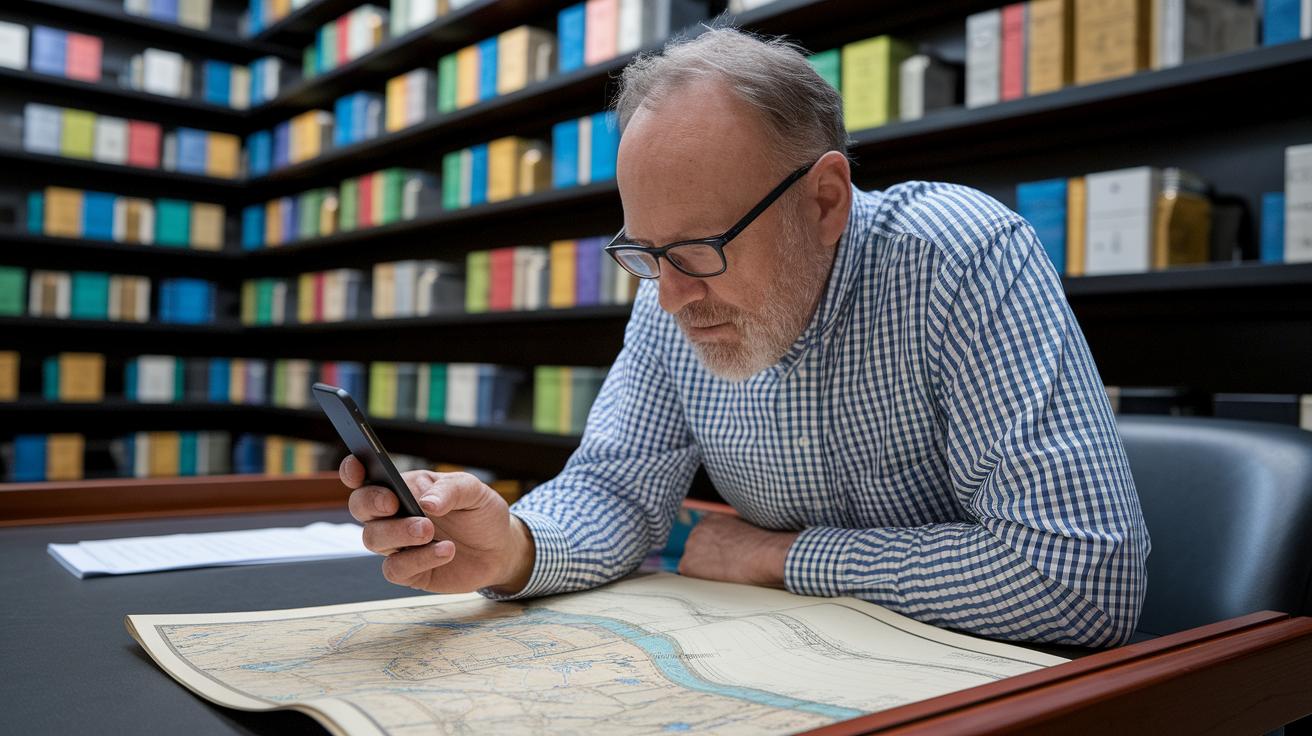
The Blue Shield group acts like a trusted guardian for our shared cultural treasures worldwide. They work hard to protect old stories, historic sites, and living traditions from harm during conflicts or after disasters. I love how they team up with local friends and experts, it's like watching a group of passionate travelers come together to look after a beautiful, ancient map of our past.
A key part of their journey is training programs that bring together people from all walks of life. Think of these as hands-on workshops where experts share easy-to-follow ways to conserve our heritage. These sessions help everyday communities and dedicated conservationists build practical skills, turning them into real-life custodians of history.
Strong international rules also back up their mission. For example, the 1954 Hague Convention and the 1977 Additional Protocol I to the Geneva Conventions offer clear guidelines designed to protect cultural treasures during armed conflicts. These laws work like a well-drawn itinerary, setting out steps to respond quickly and protect priceless history when times get tough.
The 1998 Rome Statute takes things even further by treating deliberate harm to cultural heritage as a serious war crime. This sends a clear message: our cultural legacy is a shared gift and should be treated with care. It gives communities confidence and brings us all together with a promise to cherish and guard our timeless stories.
Cultural Heritage’s Role in Community Identity
Culture is like a living scrapbook connecting us to stories passed down from our grandparents and beyond. Every tradition and artifact adds a small note to the bigger picture of who we are, making each community feel truly special.
When you live in a place filled with these time-honored customs, it not only boosts your spirit but also brings neighbors closer together. Think of community gatherings, local festivals, and shared memories as threads that weave a warm, trusting network among residents.
Local traditions also play a big part in helping us feel calm and secure. Whether you’re enjoying a familiar community event or simply talking with a long-time local, these shared experiences nurture both body and mind, reminding us all that keeping our heritage alive means caring for the very soul of our community.
Cultural Heritage in Education and Tourism

Tourism is like a bridge that connects our present with the treasured stories of the past. Visiting heritage sites and local landmarks feels like turning the pages of an old, familiar photo album, where every image brings a spark of memory while supporting the community and local businesses.
Many schools and museums are now using digital archives as a fun way to learn about history. Imagine students exploring a digital treasure chest filled with old photographs, documents, and artifacts, all from the comfort of their own classroom. It’s like taking a mini-adventure into a world where history becomes something you can almost touch.
Exciting projects for young explorers are also breathing new life into conserving our cultural heritage. Hands-on workshops, storytelling contests, and restoration projects invite kids and teens to experience their community’s creative past firsthand. When young minds get involved, they help keep the spirit of local traditions vibrant and alive.
Research shows that when towns invest in their cultural heritage, both community pride and economic stability flourish. More tourists mean more business for everyone, and celebrating our shared history turns into a valuable resource that enriches everyday life.
Final Words
In the action, we explored cultural heritage from its broad definition to its deep impact on communities. We journeyed through tangible relics and traditional practices while comparing key global landmarks. We also touched on conservation efforts and how heritage shapes local identity and education. This guide offers insider insights that spark fresh curiosity in every reader. Enjoy the vivid blend of history and community, and keep that sense of wonder alive as you step forward with cultural heritage lighting your way.
FAQ
What are some examples of cultural heritage?
The cultural heritage examples include historic monuments, ancient artifacts, time-honored traditions, and traditional clothing that narrate stories of community practices and ancestral memories.
What exactly is cultural heritage?
The term cultural heritage refers to both physical items like art and manuscripts and living traditions such as customs and rituals that are passed down from previous generations.
What is the significance of cultural heritage?
The cultural heritage significance lies in how it preserves collective memories and community values, helping people understand their past and strengthening a shared sense of identity.
What are the three types of cultural heritage?
The three types of cultural heritage include tangible items, intangible traditions, and nature-related aspects. These cover physical artifacts, cultural practices, and natural landscapes with historical importance.
What is my cultural heritage?
The idea of personal cultural heritage means the unique customs, traditions, and practices handed down through your family and community that shape who you are and where you come from.
What is cultural heritage PDF?
A cultural heritage PDF is a document that compiles information, research, and guidelines related to preserving and understanding various aspects of cultural heritage for educational or reference purposes.
What is cultural heritage clothing?
Cultural heritage clothing refers to traditional garments that reflect the history, identity, and craftsmanship of a community, often worn during significant cultural events.
What are cultural heritage sites?
Cultural heritage sites are locations recognized for their historical or cultural importance, serving as landmarks that celebrate a community’s past achievements and enduring traditions.
What is Cultural Heritage Day?
Cultural Heritage Day is a celebration that honors a community’s shared history and traditions through events, exhibits, and activities designed to spotlight historic cultural contributions.
What are cultural heritage pictures and drawings?
Cultural heritage pictures and drawings are visual records that capture significant cultural moments, artifacts, and traditional practices, offering insight into a community’s historical identity.