
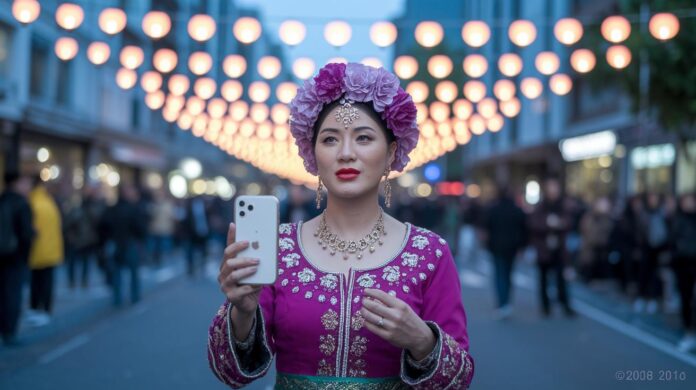

Ever notice how a little celebration can bring people together? All over the world, old traditions help families bond, share memories, and form the heart of their community.
Imagine walking into a room filled with the warm, inviting smell of home-cooked food, or hearing laughter echo during a cherished ritual. Each of these moments is like a tiny story of history and warmth.
In this post, we dive into how different customs light up everyday life. It shows us that when we share our special moments, our lives become richer and more connected.
Understanding Cultural Traditions: Definitions and Essential Categories
Cultural traditions are the shared customs, rituals, and practices that people pass down through the years. They tell the story of a community’s history, spirit, and sense of belonging. Think about how Chinese New Year brings families together for reunions, red envelopes, and delicious dumplings, these moments paint a vivid picture of a rich legacy nurtured over time.
Traditions come in several friendly flavors that make each one unique. Global celebrations, for example, are lively events that bring people together from all walks of life. Picture the festive streets during Chinese New Year, buzzing with the joy of families gathering to share meals and stories. National heritage traditions mark important moments in a country’s history. Take Thanksgiving in the U.S., every fourth Thursday of November, families join around a hearty feast to give thanks and connect.
Regional festivities give us a glimpse into local customs found in just one special place. Imagine La Tomatina in Spain, where every August locals and visitors alike throw tomatoes in a playful, messy celebration. Then there are indigenous ceremonies, like Myanmar’s Shinbyu novitiation rite, filled with the beat of ceremonial drums and striking gates that mark life’s big milestones. And let’s not forget family traditions, like the fun of “La Mordida” in Mexico, where a birthday cake playfully tugs the celebrant’s cheeks.
Each of these cultural expressions shows us how we all find meaning in the magic of everyday celebrations, making our shared human experience both rich and memorable.
Historical Evolution of Cultural Traditions Across Civilizations
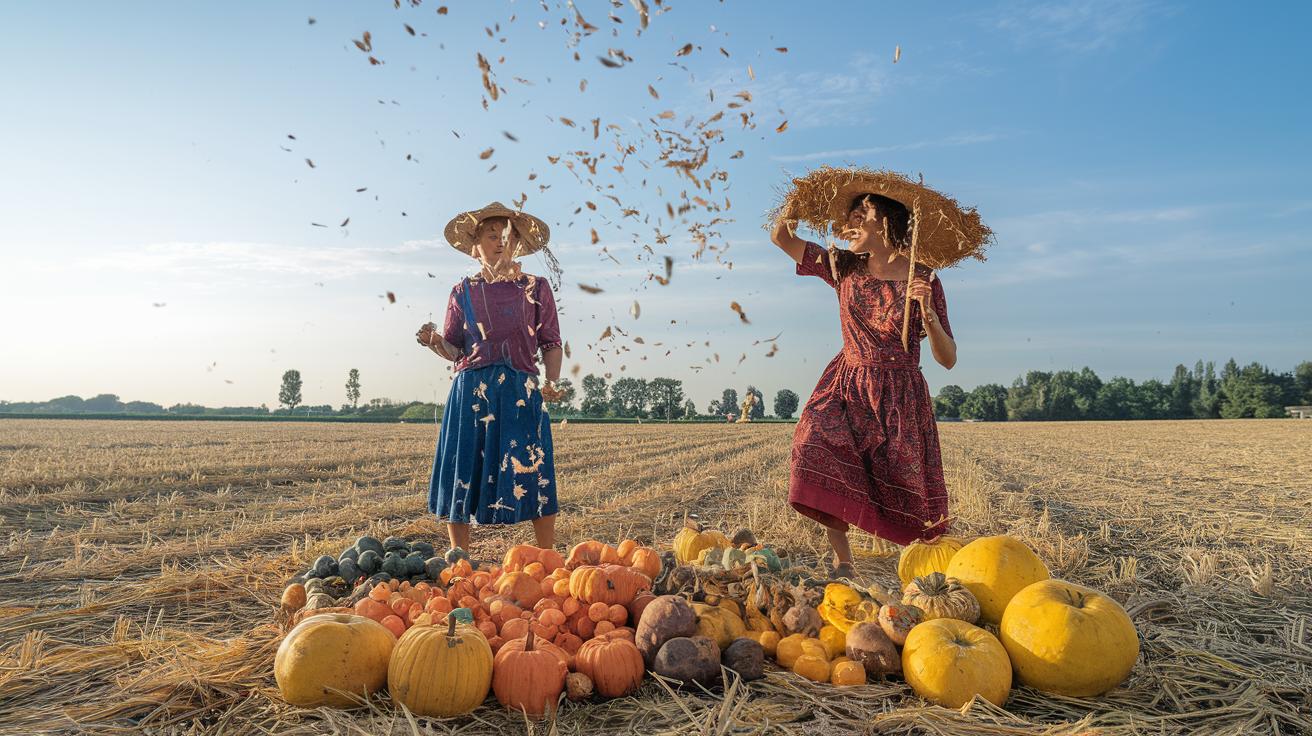
Imagine walking into a festival today and feeling the same warm spirit that began with early Neolithic harvest gatherings. Back then, people came together under open skies to celebrate the changing seasons with simple rituals that honored nature and community. It was like an impromptu family celebration where even familiar roles were playfully turned upside down, kind of like the ancient Roman Saturnalia, where feasting and role reversals made everyday life feel delightfully unexpected.
Consider the story behind Chinese New Year. More than 2,000 years ago, humble agrarian rituals slowly blossomed into the lively Spring Festival we know now. Picture the buzz of family reunions, the delightful aroma of special foods, and the shimmer of red lanterns lighting up the night. It’s a journey from a simple rice offering to a festival filled with red envelopes, each symbol telling a story of transformation and tradition.
Then there’s Día de los Muertos, a truly heartfelt celebration born from Aztec and Maya customs. This festival, with its artful altars and thoughtful offerings, shows us how honoring those we’ve lost can turn into a vibrant tribute. Similarly, Holi in India began as a modest spring celebration inspired by local myths, like the tale of Prahlad and Holika, and has grown into a burst of brilliant colors and shared joy that brings communities together.
These age-old traditions remind us that while the ways of celebrating evolve, the core values of respect for nature and unity remain ever-present. It’s a beautiful reminder that our past continues to shape the joy we share today.
Regional Variations in Cultural Traditions: A Comparative Overview
Around the world, festivals bring people together in special ways that celebrate their heritage and history. Each place has its own style of celebration that feels lively and heartfelt. In Asia, for example, Diwali fills the evenings with soft, twinkling lights as people celebrate the victory of light over darkness. In Germany, Europe lights up with Oktoberfest during late September and early October, a tradition that began during a royal wedding and now fills the streets with community spirit. Over in the Americas, Día de los Muertos is observed on November 1st and 2nd, when quiet altars honor ancestors and memories are kept alive with care.
In Africa, Ethiopia celebrates Timkat in early January, a colorful Epiphany baptism ceremony that marks faith and renewal. And in Oceania, New Zealand welcomes the Māori new year, Matariki, during June and July. This celebration blends reminders of ancestral ties with the shifts of the seasons, inviting everyone to pause and reflect.
| Region | Tradition | Date/Season | Significance |
|---|---|---|---|
| Asia | Diwali | Oct–Nov | Victory of light over darkness |
| Europe | Oktoberfest | Late Sept–Early Oct | Started for a royal wedding |
| Americas | Día de los Muertos | Nov 1–2 | Ancestor altars and remembrance |
| Africa | Timkat | Jan | Epiphany baptism ceremony |
| Oceania | Matariki | Jun–Jul | Māori new year celebration |
Each of these customs tells a vibrant story. Think of it like this: long ago, communities used simple lanterns and bonfires to celebrate the changes in nature and life. Nowadays, these traditions still keep a deep connection to their roots, each offering a unique glimpse into a culture’s past and present. Ever wonder how a simple celebration can capture the spirit of an entire community?
Ritual Significance in Cultural Traditions: Symbolism and Social Roles
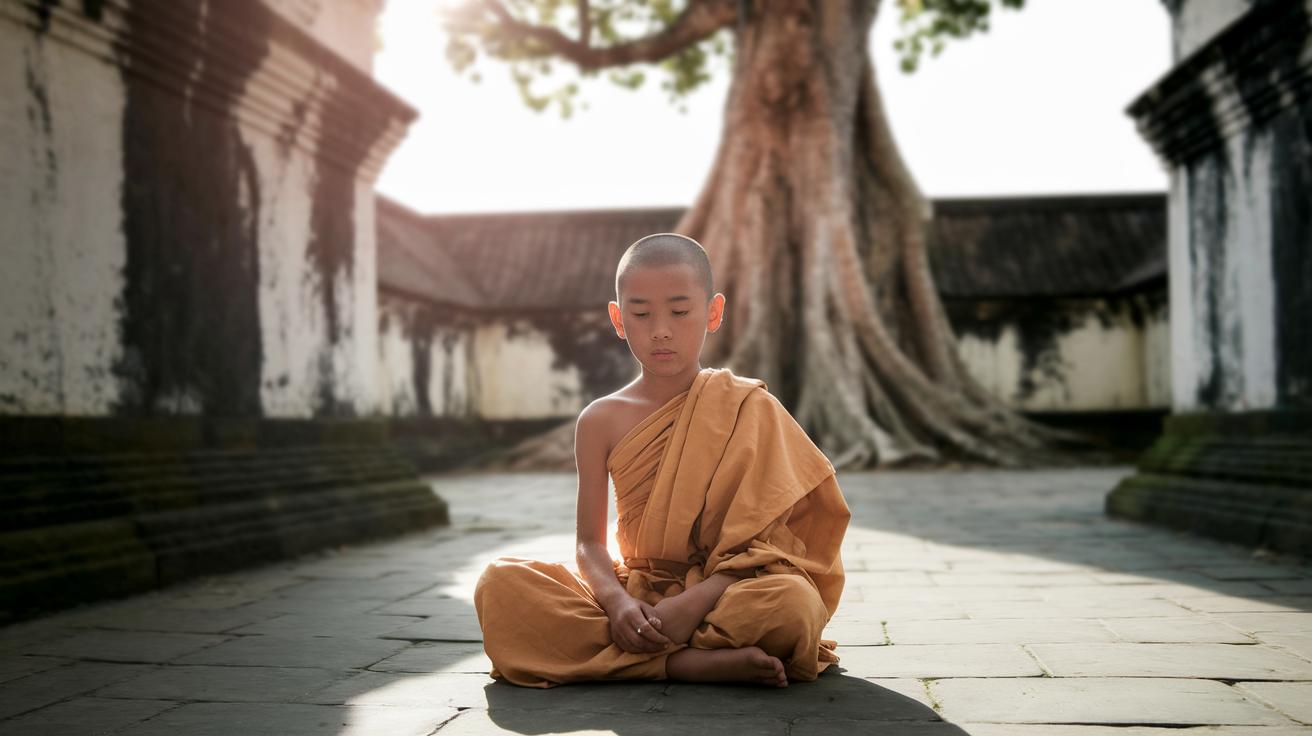
Ceremonies mark important moments in our lives and show what our community holds dear. In Myanmar, the Shinbyu celebration welcomes a young boy into the world of monks. When he takes his first step toward a spiritual journey, it’s a heartfelt sign of leaving childhood behind and growing into a more responsible self.
In Thailand, the Songkran festival is all about renewal and fresh beginnings. Streets turn into playful water-filled pathways where both locals and visitors join in a fun yet meaningful ritual. Imagine the cool splash of water washing away the old, making room for hope and new opportunities.
Over in Japan, the Obon Festival brings friends and families together to honor those who came before them. After the harvest, people visit ancestral graves and set up festive altars, a gentle reminder that our roots and traditions are as nourishing as any harvest.
Then there’s the Japanese tea ceremony, chanoyu, where every move is like a quiet pause in a busy day. In a calm and carefully set space, making tea becomes a simple meditation that connects everyday life with moments of peace and beauty.
Far away in Finland, the Wife Carrying event turns a race into a playful celebration of partnership. Couples dash through an obstacle course, showing that sometimes, even a spirited challenge can strengthen the bond between friends and community.
Each of these traditions tells a story, of growth, renewal, and connection. They remind us that no matter how different our customs might be, the rituals we share knit us together, marking our individual journeys and our collective heart.
Artistic Expressions in Cultural Traditions: Music, Dance, and Storytelling
Artistic traditions keep cultural stories alive and well. At India’s Navratri, locals come together with the upbeat rhythm of Garba and Dandiya dances. Imagine the vibrant swirl of colorful costumes and rhythmic clapping as dancers move in sync, almost like a living folk tale unfolding before your eyes.
In Brazil, Carnival lights up the streets with lively samba parades. The procession is a burst of movement and sound where every step feels like it shares a story of pure joy and resilience.
Over in Sweden, the Lucia celebration on December 13 brings a gentle glow to frosty evenings. Soft, melodic songs and candlelit processions create a warmth that feels as comforting as a treasured memory passed down over the years.
And in Mexico, Día de los Muertos uses bold Catrina images and detailed altar creations to softly honor loved ones who have passed. Each element whispers heartfelt stories while celebrating life in a joyful way.
Across Africa, tribal ceremonies fill the air with the beat of drums and spoken myths. These lively rhythms and spirited tales serve as a heartbeat, linking the past to today and keeping age-old traditions forever vibrant.
Preservation and Evolution of Cultural Traditions: Challenges and Strategies
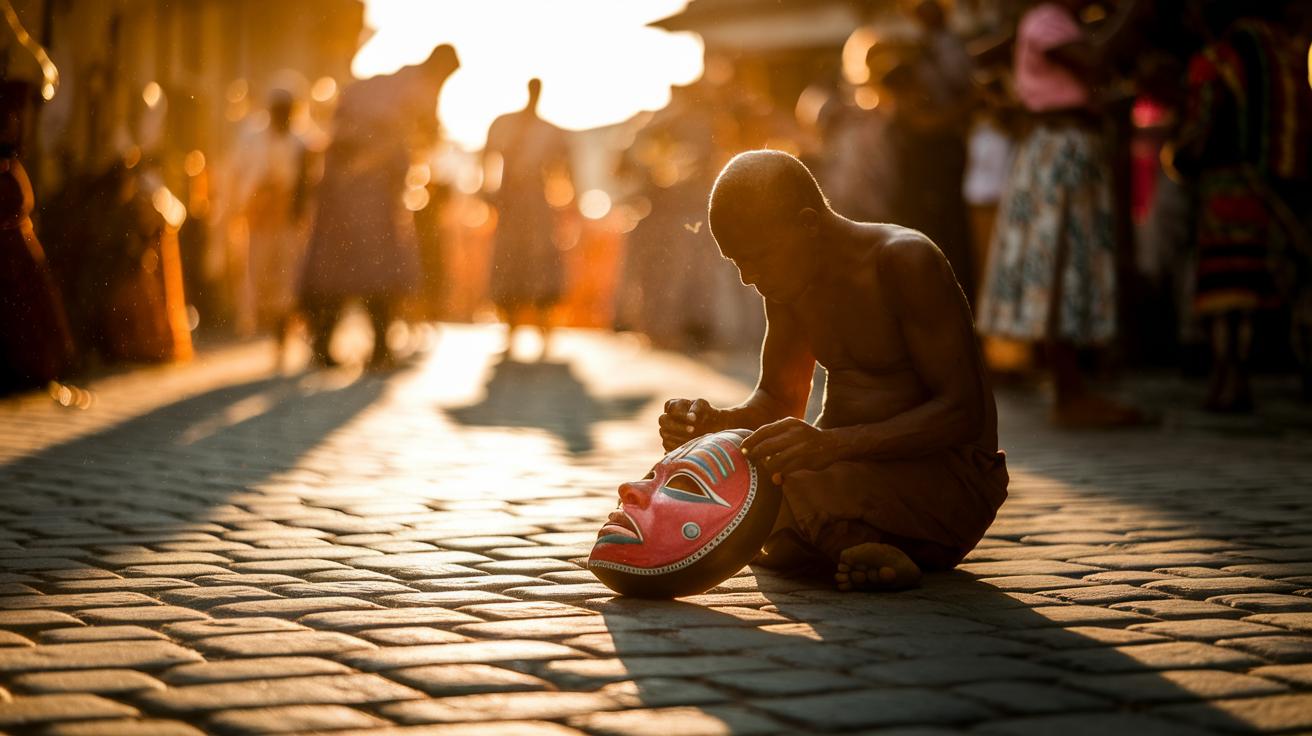
Have you ever noticed how modern changes can make ancient traditions feel a bit lost? Global trends are pushing local customs into a vast mix of influences, sometimes blurring the unique flavors of each community. Think about those charming rural festivals that seem to quietly fade away as everyday life speeds up. And then there’s tourism, which can turn indigenous ceremonies into spectacles that lose their heartfelt meaning. Even communities far from their original homes work hard to keep these cherished customs alive, despite the pull of external changes.
Still, many communities are determined to keep their traditions vibrant. UNESCO's heritage listings now protect cultural practices that make each community special. Local workshops come alive with people sharing old skills that have been passed down over generations. For example, in Japan, schools teach the tea ceremony, a time-honored ritual that dates all the way back to the year 788, to inspire students with values of mindfulness and respect. Digital collections of folk music capture the songs and stories of the past, offering young people a way to reconnect with their roots.
These efforts prove that even when traditions face challenges, creativity finds a way. Communities reinvent old customs by blending respect for the past with the needs of the future. Sometimes, a small local workshop or a dedicated school program is all it takes to keep cultural memories thriving.
Experiencing Cultural Traditions: Traveler Tips for Respectful Engagement
Have you ever looked up your local event calendar to see what cultural celebrations are happening nearby? Try to find indigenous ceremonies and multicultural festivals where communities come together. It’s like uncovering a hidden story in your own backyard.
When you plan to join a cultural event, take a moment to check the dates and learn about any special customs. For example, if you’re attending a Japanese tea ceremony, follow local etiquette like the kimono rules. It feels as if you’re stepping into a live, unfolding tale where every action is part of the magic.
Before you take photos at events like Timkat in Ethiopia, ask if it’s okay first. And if you find yourself in a Myanmar Shinbyu, consider offering a small gift as a way to connect with the locals. When you try the local dishes, say, enjoying traditional Italian panettone at Christmas, let your taste buds lead you to truly authentic experiences.
For more ideas on discovering unique ceremonies, check out these
insider tips for discovering off-the-beaten-path attractions. And if you’re interested in local food spots, these
insider travel tips for local dining experiences are sure to help you savor the real flavors of your destination.
Final Words
in the action, our post brought you through the world of shared customs and family celebrations, tracing roots from ancient rites to today’s lively festivities. We explored examples like festive gatherings, sacred ceremonies, and expressive arts that illustrate each region's local flavor.
The insights shared show how cultural traditions form the backbone of community values. Enjoy each step and let every encounter add a new, memorable chapter to your travel tale.
FAQ
Frequently Asked Questions
What is an example of a cultural tradition?
The example of a cultural tradition refers to a shared practice passed through generations, such as Thanksgiving in America or Chinese New Year with its food and family gatherings.
What are cultural traditions around the world?
The idea of cultural traditions around the world covers customs like Diwali in Asia, Oktoberfest in Europe, and Día de los Muertos in America, each marking historical moments and community values.
What are cultural traditions in America?
The notion of cultural traditions in America includes practices like Thanksgiving and Fourth of July celebrations, which honor history, community, and shared values.
What are some examples of traditional cultural expressions?
The mention of traditional cultural expressions covers practices like folk dances, music events, storytelling, and other ceremonies that capture community history.
What are cultural traditions synonyms?
The term cultural traditions synonyms refers to words like customs, heritage practices, or community rituals that describe shared cultural behaviors.
What are 10 culture examples?
The idea of 10 culture examples might include Chinese New Year, Thanksgiving, Oktoberfest, Diwali, Songkran, Día de los Muertos, Holi, Navratri, Timkat, and the Shinbyu ceremony.
What are the most famous traditions?
The reference to the most famous traditions points to celebrations like Chinese New Year, Thanksgiving, Oktoberfest, Diwali, and Día de los Muertos, which have wide global recognition.
What does “Cultural traditions ck3” mean?
The phrase “Cultural traditions ck3” likely refers to cultural practices featured within a game or context where historical customs are incorporated into a creative setting.
What does “cultural traditions and celebrations” refer to?
The term “cultural traditions and celebrations” refers to customs and events like festivals, ceremonial rites, and public holidays that honor a community’s past and shared beliefs.
What are cultural traditions fema?
The mention of cultural traditions fema may refer to the way agencies approach local customs in their emergency practices, respecting community norms during crisis support.