


Have you ever noticed how history can feel alive? The Gullah Geechee Cultural Heritage Corridor covers four coastal states and brings generations of rich tradition right before your eyes. Imagine hearing soulful music, seeing vibrant art, and even catching snippets of a unique language passed down from West African ancestors. Walking these paths feels like stepping into a real-life storybook, where each moment is filled with strength and shared memories. It’s not just about the past, it's a living celebration that still shapes the communities around us today.
Overview of the Gullah Geechee Cultural Heritage Corridor
Stretching over 12,000 square miles along the coastlines of North Carolina, South Carolina, Georgia, and Florida, the Gullah Geechee Cultural Heritage Corridor is a living story of deep tradition. Congress designated this area as a National Heritage Area and the National Park Service manages it. This place holds on to customs that began with West African ancestors brought here as captives. Imagine walking along coastal scenes where the sea meets time-honored traditions passed down through the generations.
This corridor isn’t just a reminder of history, it’s a vibrant celebration of culture. Local programs and community exhibits help keep alive the art, language, music, and storytelling traditions that have defined these communities. It all feels like stepping into a living museum where every corner reveals a tale of perseverance and heritage. Whether you’re exploring a small museum or chatting with a local, you’re sure to feel the deep connection and pride of the Gullah Geechee people.
Efforts to preserve these traditions shine through inclusive educational outreach and legacy studies via Cultural Heritage programs. These initiatives share personal stories and collective memories that make the past feel close and real. It’s a place where history is not only remembered but also experienced in everyday life, connecting residents and visitors alike to the enduring spirit of the region.
gullah geechee cultural heritage corridor: Cherished Legacy
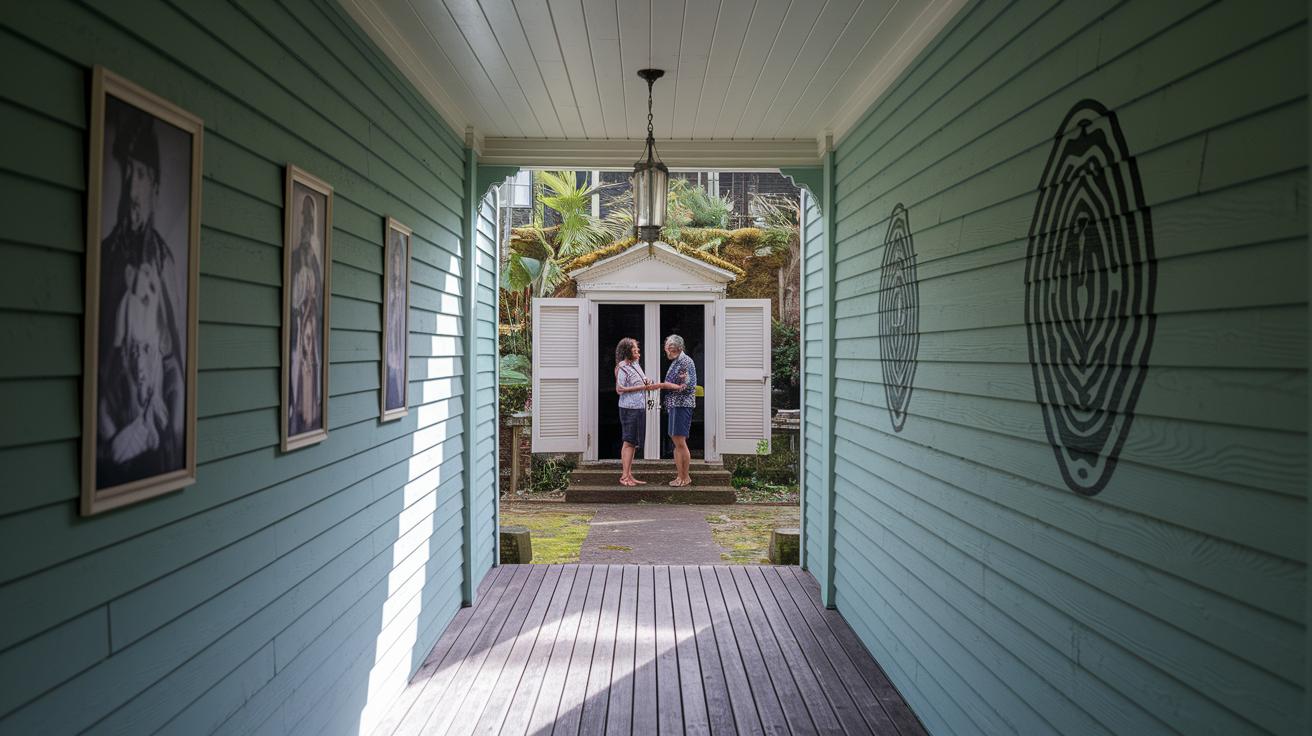
This corridor's story began way back in the 1600s when ancestors arrived from West Africa because of the trans-Atlantic slave trade. They carried deep-rooted traditions, simple daily customs, and a powerful will to survive that set the stage for future generations. Even now, the stories passed down through families sparkle with life and remind us of a treasured past.
In the early 1940s, local community champions came together to preserve and celebrate this heritage. They transformed shared memories into a place of honor. Take Mosquito Beach in Charleston, lovingly nicknamed "The Black Beach." Back then, it was a warm spot where people gathered during segregation, sharing music, stories, and customs that held the community tight even in hard times.
Looking back, you can feel how hardship and hope blend to shape this proud legacy. The corridor not only guards centuries-old traditions but also buzzes with cultural pride in every corner. Every narrative, from the struggles of forced migration to the courageous acts of local leaders, stands as a heartfelt reminder of the enduring strength and spirit of this community.
Geographic Boundaries of the Gullah Geechee Corridor
This corridor covers about 12,000 square miles across the coastal regions and Sea Islands of North Carolina, South Carolina, Georgia, and Florida. Imagine a place where every corner tells a story through its landforms and cultural expressions passed down over generations. Studies have shown that true Gullah communities, like those on Hilton Head, Daufuskie, and St. Simons Islands, are at the heart of this region. It’s like connecting the dots between breathtaking coastlines and beautiful heritage landmarks.
The National Park Service even created an interactive map just for this area. They broke the corridor into four clear zones to help you navigate and explore its rich history. The zones are:
| Zone | Description |
|---|---|
| Intracoastal Waterway | A natural channel that runs alongside the coast, perfect for scenic drives and peaceful views. |
| Coastal Zone | This area captures the lively spirit of the oceanfront with charming beaches and local culture. |
| Sea Islands | A string of islands rich in history, with a landscape that whispers tales of old. |
| St. Johns River | A river zone that offers a mix of water activities and serene spots to enjoy nature. |
This neat list is like having a handy guide while you travel, making it easy to plan your visit. Whether you’re taking a relaxing drive or exploring history-packed towns, this map is your insider tip to experiencing the hidden layers of culture and heritage along these stunning coastal areas.
Key Heritage Sites and Attractions in the Gullah Geechee Corridor
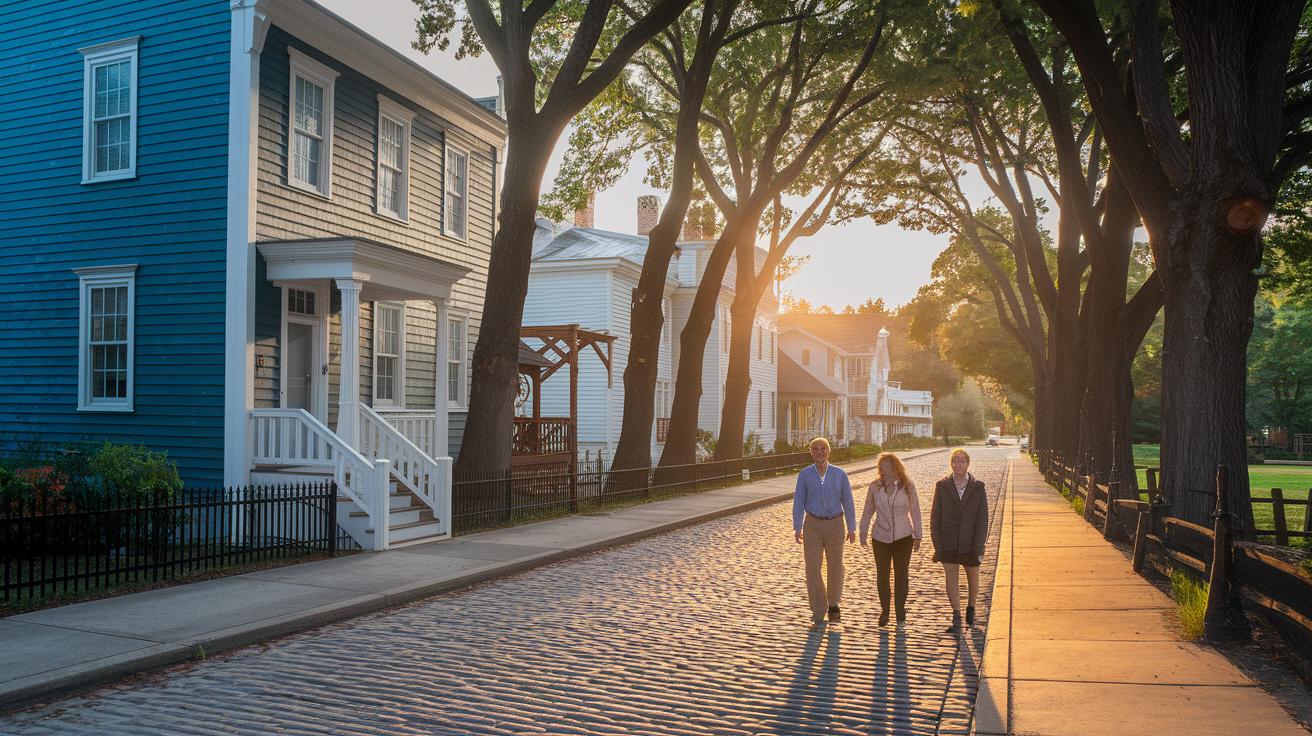
This corridor takes you on a step back in time, where every building and tree shares a piece of the past. As you wander through these sites, you’ll feel the heart of resilient communities and traditions that have been cherished for generations. It’s like walking through a live story where history and culture come together in a friendly celebration.
Imagine strolling the streets of the Town of Mount Pleasant. Friendly walking tours guide you past historic neighborhoods and even original slave cabins. Each corner reveals tales and traditions that fill the air with a sense of wonder and connection.
At Boone Hall Plantation in scenic South Carolina, you can wander among preserved landscapes and cabins that tell early American stories. The air is rich with memories, inviting you to see history come alive around every bend.
Travel over to the Penn Center on St. Helena Island, a place that once served as one of the first schools for freed slaves. Here, museum exhibits and personal stories welcome you like an old friend sharing secrets of the past.
Then there’s Fort Mose in Florida, a site that celebrates the nation’s first free Black settlement. With engaging reenactments and clear, friendly displays, it lets you step right into the adventures and struggles of early pioneers.
Lastly, the Mosquito Beach Cultural Pavilion buzzes with energy. Local performances and storytelling sessions spark lively celebrations of Gullah traditions, making each moment feel personal and unforgettable.
Preservation Initiatives and Funding for the Gullah Geechee Corridor
National Park Service grants play a big role in boosting projects along the corridor. These funds help kick off exciting design and building efforts that breathe new life into old structures. Local plans work hard to protect historic spots and keep the traditional landscapes that have shaped the community for generations. The work is very hands-on and community-focused, ensuring that both the physical sites and the memories they hold are cared for with real investment and thoughtful planning.
Another important part of this effort is capturing the local voices and stories. Projects record oral testimonies and digitize old documents, creating a treasure trove of personal accounts and historical records. This means that the rich heritage and traditions of the corridor remain accessible and lively, as if you could almost hear the echoes of the past with every step you take.
Restoration projects are all about bringing timeworn buildings and cherished public spaces back to life. Every donated dollar is said to spark nearly $100 in public improvements, showing just how powerful these efforts can be. With a focus on reviving historic landmarks and celebrating tradition, these initiatives work to honor the deep roots and resilient spirit of the corridor’s communities.
Visitor Resources and Planning Tips for the Gullah Geechee Corridor

If you're planning a visit, start by checking out the National Park Service website. You'll find a cool interactive map and a handy downloadable design guide (a little booklet to help you plan your own tour). There are FAQs too, with details about entry points, the best time to visit, and ADA accommodations so nothing is left out of your plan. Plus, you can dive into digital archives filled with site stories, personal histories, and striking photo galleries that really bring the corridor to life.
Good planning makes a trip so much smoother. Whether you want to wander through historic sites or pedal along 300 miles of combined bike and walking paths (this overlaps with the famous East Coast Greenway), taking a few moments to plan can really pay off. Tools like the Trip Planning Tools offer all the insider tips you might need.
- Start by exploring the interactive map and design guide to get your bearings.
- Look over the FAQs for the latest on access points and the best times to visit.
- Visit the digital archives to soak up some history and stories behind the sites.
- Plan out your route along the East Coast Greenway to mix some walking with biking adventures.
Cultural Events and Educational Programs in the Gullah Geechee Corridor
Visitors to this special corridor can dive right into experiences that bring the local history and traditions to life. Imagine stepping into well-loved spots like Penn Center or Geechee Kunda, where you can join fun workshops on language, crafts, and local cooking. These hands-on sessions let you connect with recipes and stories that have been shared from one generation to the next.
There is a real magic in the air when you listen to traditional music. Picture intimate settings filled with the rhythmic beats of ring shout ceremonies and drumming events. It is a unique way to feel the pulse of the community. And then there are the storytelling sessions, where local elders share personal tales that mix historical facts with warm, heartfelt memories.
Every event is designed to invite you to experience the heritage firsthand. Whether you are tapping your feet to the drumming or joining in a lively workshop, each moment is as educational as it is unforgettable.
- Geechee Seafood Festival (Sapelo Island, Summer) – This annual festival offers live music, tasty local dishes, and a true taste of the region. Check out the Cultural Events page for more information.
- Friends of the Gullah Festival (Charleston, Spring) – Spend a spring day enjoying community arts, dance, and shared traditions that celebrate local life.
- Ring Shout Ceremonies (Various Venues, Harvest Season) – Join seasonal performances that fill the air with rhythmic beats and soulful calls.
- Interpretive Workshops at Penn Center (Fall Sessions) – Take part in engaging sessions focused on language, crafts, and storytelling to see history come alive.
Final Words
In the action, we dove into the vibrant world of the corridor, highlighting its sprawling history, geographic reach, and prized heritage sites.
We uncovered key landmarks, preservation efforts, and visitor tips to help you plan an enriched travel experience. Practical resources and cultural events add a personal touch to every step of your tour.
With warm insights and insider perspective, your next trip can feel authentic and exciting along the gullah geechee cultural heritage corridor.
FAQ
Frequently Asked Questions
How can I view the Gullah Geechee Cultural Heritage Corridor map?
The Gullah Geechee Cultural Heritage Corridor map is available through official sources like the National Park Service. It clearly shows region boundaries across various states and highlights key heritage sites for travelers.
How do I know if I am Gullah Geechee or what race are the Gullah Geechee?
Gullah Geechee heritage is defined by ancestral ties to West African roots in coastal areas. It centers on a shared cultural legacy rather than race, embracing a broad, inclusive community identity.
Where can I find Gullah Geechee Cultural Heritage Corridor NHA photos?
Gullah Geechee Cultural Heritage Corridor NHA photos can be found on official archives and heritage websites. They spotlight historic sites and reveal the enduring spirit of the Gullah Geechee community.
What defines Gullah Geechee spirituality and language?
Gullah Geechee spirituality is steeped in traditional West African customs, while their language blends African influences with English. Both are essential elements that preserve a rich and unique cultural identity.
What is the Gullah Geechee Cultural Heritage Corridor Act?
The Gullah Geechee Cultural Heritage Corridor Act officially designates the region as a heritage area. It commits to protecting historical sites and preserving a legacy managed by the National Park Service.
What are three Gullah Geechee traditions?
Three key traditions include distinctive culinary practices, storytelling techniques rooted in oral history, and vibrant musical ceremonies that honor ancestral customs, all of which forge a lasting cultural connection.
What’s the difference between Gullah and Geechee?
The difference between Gullah and Geechee lies largely in regional usage. “Gullah” is often used in South Carolina and Georgia, while “Geechee” is more common in Florida and surrounding coastal areas.
Where is the Gullah Geechee Corridor located?
The Gullah Geechee Corridor spans coastal areas of North Carolina, South Carolina, Georgia, and Florida, embracing Sea Islands and communities where an enduring cultural heritage thrives.