


Ever wonder if a few careful safety tricks could really change your trip? Whether you're strolling down new streets or heading to far-off places, a little planning goes a long way. It’s like having a trusted friend by your side, keeping an eye on your valuables and soothes your mind. In this guide, I share easy steps to help you lock up your documents, gadgets, and even your sense of well-being. Imagine feeling that warm comfort knowing everything is secure, now, isn't that a way to travel without worries?
Executive Summary: Quick Reference Guide for Travel Safety

Traveling abroad is exciting, but it helps to be prepared so you can enjoy every moment without worry. A well-thought-out plan is like your best buddy, it keeps unexpected problems at bay and makes sure your belongings and personal safety are protected. Knowing about local laws, health updates, and emergency steps sets a solid foundation for your adventure.
Below are 10 friendly tips to remind you of the basics before you dive into all the details:
- Do your homework on local laws, customs, and any health alerts before you set off.
- Double-check your passport, visa, and travel insurance details to keep everything in order.
- Keep your original documents safe and stash backup copies somewhere else.
- Confirm ride-sharing, airline, or other transportation details, including safety records.
- Stay alert in new and crowded places where surprises might pop up.
- Protect your digital world with strong passwords and a VPN (a tool that shields your data online).
- Make sure your phone software is updated and review app permissions.
- Pack a small emergency kit that includes first-aid supplies, just in case.
- Keep local emergency numbers and your embassy information handy.
- Share your travel plans and itinerary with a trusted friend or family member.
This quick list is your starting point before you get into more detailed planning. Enjoy every step of your adventure!
Pre-Travel Safety Tips for Secure Trips

Before you head out, take some time to get organized. Doing a bit of homework about your destination, like finding out local rules, safety updates, weather hints, and any public health alerts, can really smooth out your journey. It’s like packing an extra layer for an unexpected chill. Plus, knowing you've sorted out all your documents and travel steps gives you that extra boost of confidence.
Here are six easy checks to make before you set off:
- Check local laws, recent safety news, and the day's weather.
- Confirm that your passport is good for at least six more months and that you have the right visas.
- Grab travel insurance that helps with emergencies, such as medical evacuations.
- Book any needed immunizations and learn what COVID entry rules are in place (think proof of vaccination or a negative test).
- Let your embassy or consulate know your travel plans and keep handy local emergency numbers.
- Gather digital and paper copies of your passport, visa, insurance, and other key documents, and store these copies separately from the originals.
| Document | Requirement | Validity | Storage Method |
|---|---|---|---|
| Passport | Minimum six months validity | 6 months | Secure travel bag |
| Visa | Appropriate destination visa | As per destination | Separated from passport |
| Insurance Policy | Coverage for emergencies | Valid for trip duration | Digital and paper copies |
| Immunization Record | Proof of vaccinations or tests | Updated per guidelines | Digital copy in email |
Take a moment to review everything carefully before you leave. It helps to know you're all set, letting you relax and truly enjoy the adventure ahead.
Transportation Travel Safety Tips for Secure Transit
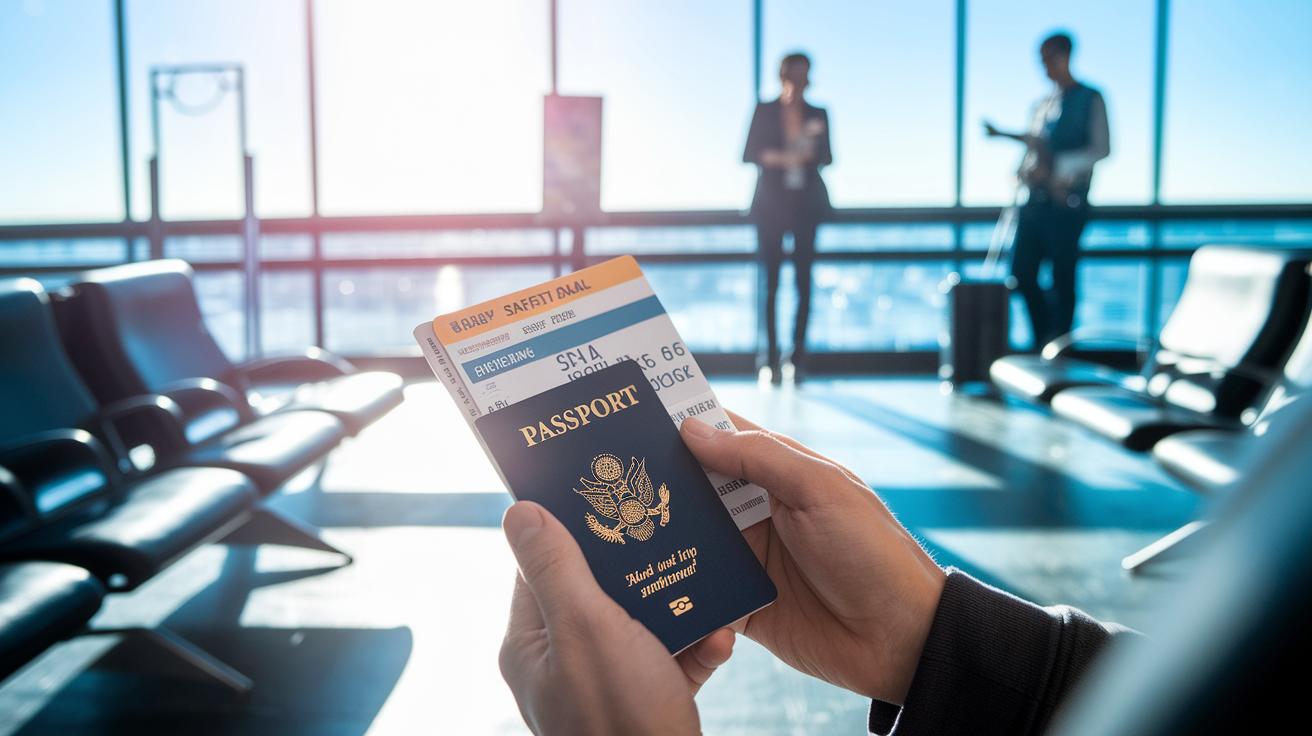
Flying can feel like an adventure, but it's smart to get extra organized before you head to the airport. Take a minute to double-check your flight details and even peek at the airline’s safety history. Knowing what to do in an emergency (like where the exits are) can make a big difference if anything unexpected happens. I always read the safety card and listen closely during announcements, it really helps me relax once I'm on board.
When you’re traveling on the ground, safety matters just as much. Whether you're hopping on a bus, train, or riding in a rental car, stick to local traffic rules and keep an eye on what's happening around you. It might sound simple, but buckling up and planning your journey during the daytime along well-known routes can really boost your confidence on the road. On buses or subways, I like to sit close to the driver or in busy areas, feels a lot safer that way.
Air travel safety tips:
- Verify your flight details and review your airline’s safety history.
- Familiarize yourself with the emergency procedures explained onboard.
- Arrive at the airport early so you don’t feel rushed during check-in.
- Keep your carry-on organized to have your essentials handy.
- Take note of your seat and where the nearest exits are for quick evacuation if needed.
Ground transit safety tips:
- Always fasten your seat belt in cars and use child safety seats when needed.
- Plan your road trips during the daytime on familiar routes.
- Secure your luggage in train compartments with reliable locks.
- On buses and subways, choose a seat near the driver or in a busy area.
- Double-check your ride-share driver's identity and the vehicle details before you get in.
It’s always a good idea to stay updated on local transport advisories so you can switch plans if something changes. Safe travels!
Travel Safety Tips for Secure Accommodation
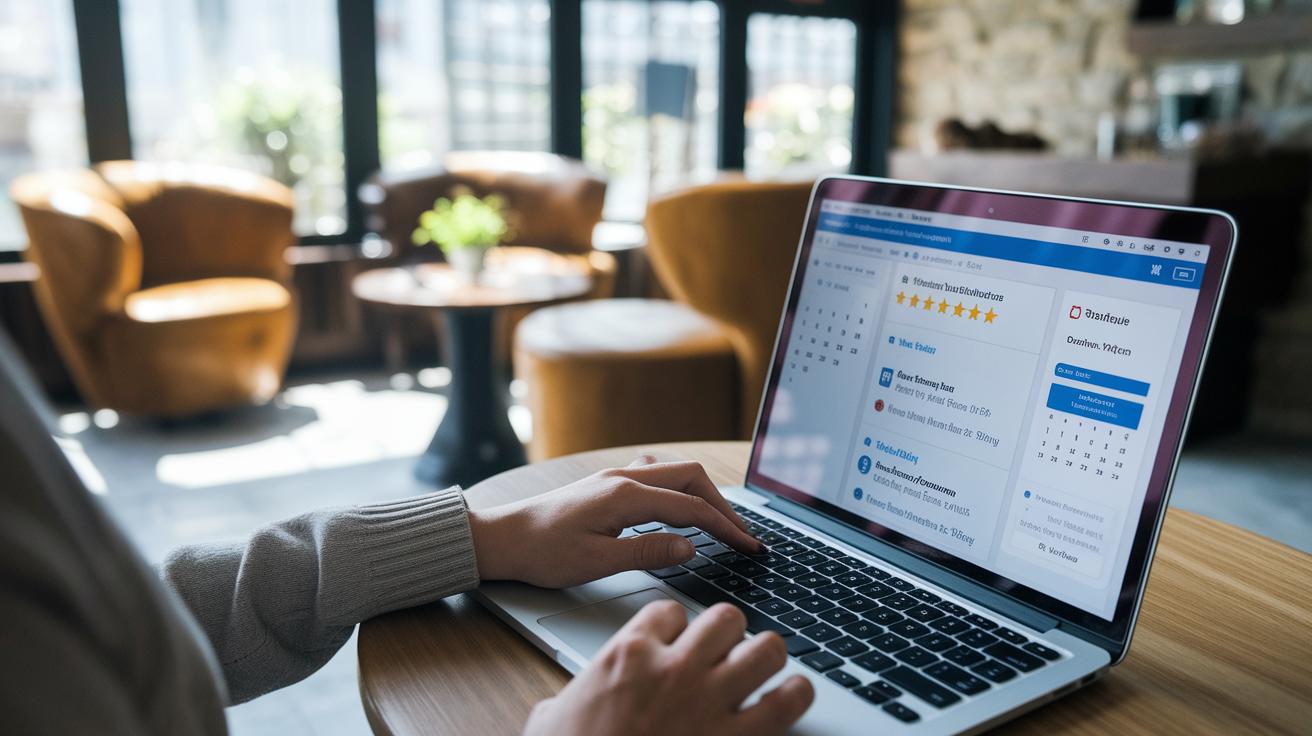
When you're booking a place to stay, it’s smart to pick a spot from a trusted source. Look for places with real guest reviews, clear cancellation policies (basically rules about changing your plans), and safe booking systems. Reliable websites give you lots of details about security features and ratings, so you can easily check if the host or hotel is legit. Plus, sharing your booking details and access codes with a friend and setting reminders on your calendar for check-in and check-out can really boost your peace of mind.
- Use well-known booking websites with verified guest reviews.
- Check cancellation policies and make sure your payment information is secure.
- Cross-check host or hotel details through a couple of sources.
- Confirm the property has key safety features like secure door locks, safes, and a 24-hour reception.
- Share your booking confirmations and access codes with someone you trust.
- Set up reminders for your check-in and check-out times.
When you finally arrive, take a moment to really look around your room. Check the door locks, window hinges, and any safety equipment provided, this little inspection can help you feel more at home and secure.
- Consider using a portable door alarm for extra security.
- Make sure windows and hinges work properly.
- Keep your valuables safe in a room safe or locked luggage.
- Follow any shared accommodation rules to keep a low profile.
During your stay, it's a good idea to do regular quick safety checks. This helps you spot any changes and ensures your temporary haven stays secure from start to finish.
Travel Safety Tips for Protecting Money and Documents

Before you head out on your adventure, take a moment to figure out how you’re going to keep your cash and important papers safe. It’s a smart move to carry only about $50 in cash along with one backup debit card. That way, if something goes wrong, you won’t lose everything all at once.
Using a wallet that blocks RFID signals and locking your crossbody bag can really help keep pickpockets and electronic thieves at bay. And don’t forget: always make digital and paper copies of your passport, visa, and IDs, and store them in different places so you’re prepared for any mishaps.
When it comes to exchanging money, stick with official bureaus and keep an eye on the live rates. This way, you steer clear of scams and avoid counterfeit issues.
| Method | Purpose | Pros & Cons |
|---|---|---|
| Minimal Cash | Limit loss if stolen | Low risk; may require frequent ATM visits |
| Backup Debit Card | Access funds as needed | Convenient; requires secure storage |
| Document Backups | Replace lost/stolen items | Provides safety net; needs separate storage |
| Official Currency Exchange | Avoid scams | Reliable; sometimes less competitive rates |
- Use RFID-blocking wallets and secure your crossbody bags with locks.
- Carry only what you need for the day and leave extra cash in a hotel safe.
- Keep digital and paper copies of your important documents saved in different spots.
- Exchange money only at trusted bureaus and monitor live rates.
- Stay alert to local scams such as counterfeit vendors or tactics that play on sympathy.
Regularly check your wallet and documents to catch any issues early.
Travel Safety Tips for Digital and Cyber Protection

When you're off exploring new places, you might not think much about online dangers. But just like you pack your passport and sunscreen, it’s smart to secure your digital life, too. Nothing spoils a travel adventure faster than worrying about someone snooping on your phone or laptop. These simple tips can help keep your information safe while you wander and discover.
Imagine sitting in a busy café and needing to check your email. A VPN (a tool that creates a secure connection on public Wi-Fi) is a must-have for journeys like these. It keeps prying eyes at bay so you can browse without worry.
Then, there’s two-factor authentication. This extra step, like a secret handshake, ensures that even if a sneaky person figures out your password, they still can’t get in. It’s like adding an extra lock to your digital door.
A neat trick to remember is using a password manager. Think of it as a secure locker where all your passwords are stored safely and can be accessed whenever you need them. And if you’re out and about, bring along a personal power bank. Charging at public kiosks might sound convenient, but it can be a risky shortcut for cyber thieves.
Keeping your software fresh is another easy safety hack. Updates, even for your antivirus, are like routine check-ups that keep your devices in top shape against new threats. And while apps are fun and helpful, limit their permissions. This keeps them from peeking too much into your personal data.
One more tip: always double-check booking site URLs. It’s a quick habit that helps you avoid fake websites and suspicious links which could compromise your financial information.
Lastly, consider downloading trusted safety apps. These apps not only send emergency alerts but also give you real-time updates about security in your area. They’re like having a local guide who whispers insider tips right when you need them most.
With these digital safety habits, you can relax and enjoy planning your day. Whether you’re booking flights or simply admiring a beautiful street scene, a little care with your device can keep you worry-free and focused on the magic of travel.
Travel Safety Tips for Emergency Preparedness
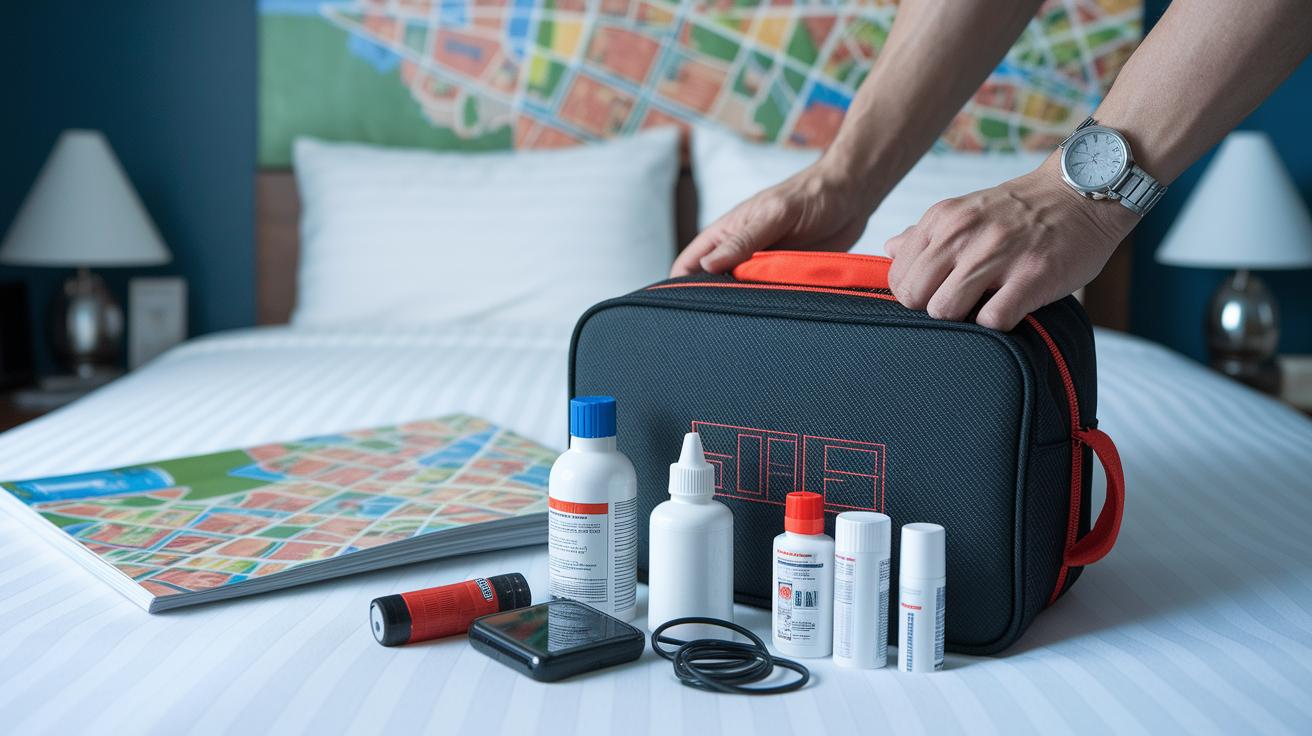
When you're off exploring, having a plan for the unexpected can make you feel a lot more secure. It helps to pack an emergency kit with the basics: first-aid supplies, a small flashlight, some everyday medications, and a portable charger for your gadgets. Keeping a list of local emergency numbers along with contacts for your local embassy or consulate, both saved on your phone and printed out, can be a real lifesaver.
| Scenario | Preparedness Action | Emergency Contact |
|---|---|---|
| Medical | Have a small first-aid kit and your must-have medications | Local hospital or doctor hotline |
| Natural Disaster | Keep a flashlight and extra power supplies nearby | Local emergency management |
| Security Incident | Jot down safe meeting spots and backup routes | Embassy or consulate contact |
You can also download official apps for real-time updates on weather, health, and safety alerts. Be sure to save essential local numbers and key contacts on both your phone and paper. Also, set up a backup plan with alternative lodging and transport routes, just in case your original plan hits a snag. Registering your travel details with your embassy or consulate adds an extra layer of security, and agreeing on safe meeting spots with travel companions can make regrouping much easier.
Remember to check and update your emergency plans regularly as local conditions change.
Travel Safety Tips for Destination Hazards and Seasonal Risks
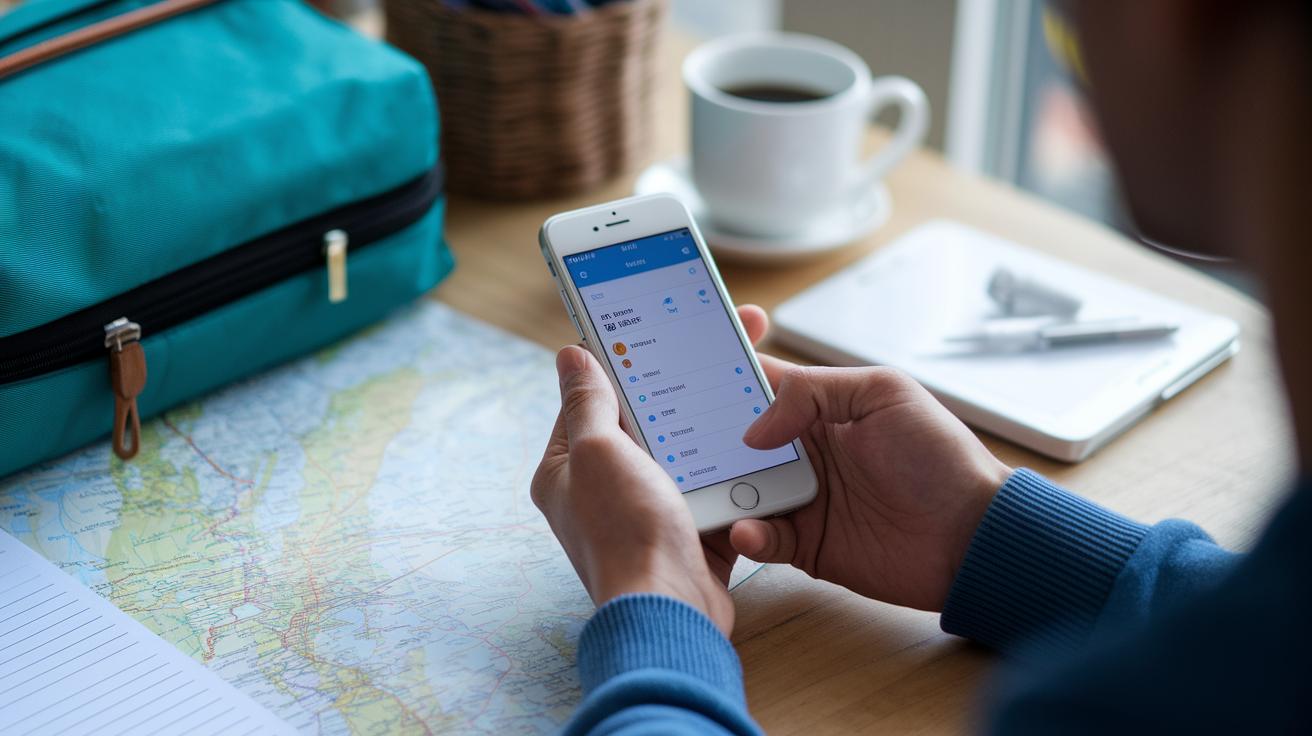
When planning your trip, it's smart to check the local weather and safety alerts. This way, you know what to expect and can pack the right gear. A quick look at travel warnings helps you prepare for surprises, making your adventure safer and smoother.
For example:
- Tropical spots: Prepare for hot weather by packing a high-SPF sunscreen and plenty of water.
- Mountain areas: In snowy or chilly conditions, it's a good idea to wear warm layers and even a certified helmet if avalanches are a risk.
- Coastal regions: During hurricane season, carry rain gear and plan activities indoors if the storm gets too close.
- Rainy places: Bring waterproof clothes and sturdy shoes to handle heavy rains or potential flooding.
Big events and festivals can feel a bit overwhelming with large crowds and busy streets. When you're out and about in a festival, plan meeting spots with your friends and stay alert. Local guides can give you tips on safe routes and special permits if you're visiting remote or tricky spots.
Here are a few quick tips:
- Avoid the busiest areas during peak times.
- Keep your valuables safe in a locking bag.
- Choose a few meeting points so everyone knows where to regroup.
- Stick close to friends or a trusted group to keep the vibe friendly and secure.
Keep an eye on official weather and safety alerts as you travel. This simple habit lets you adjust plans quickly if conditions change, making your journey worry-free and enjoyable.
Travel Safety Tips for Women Travelers
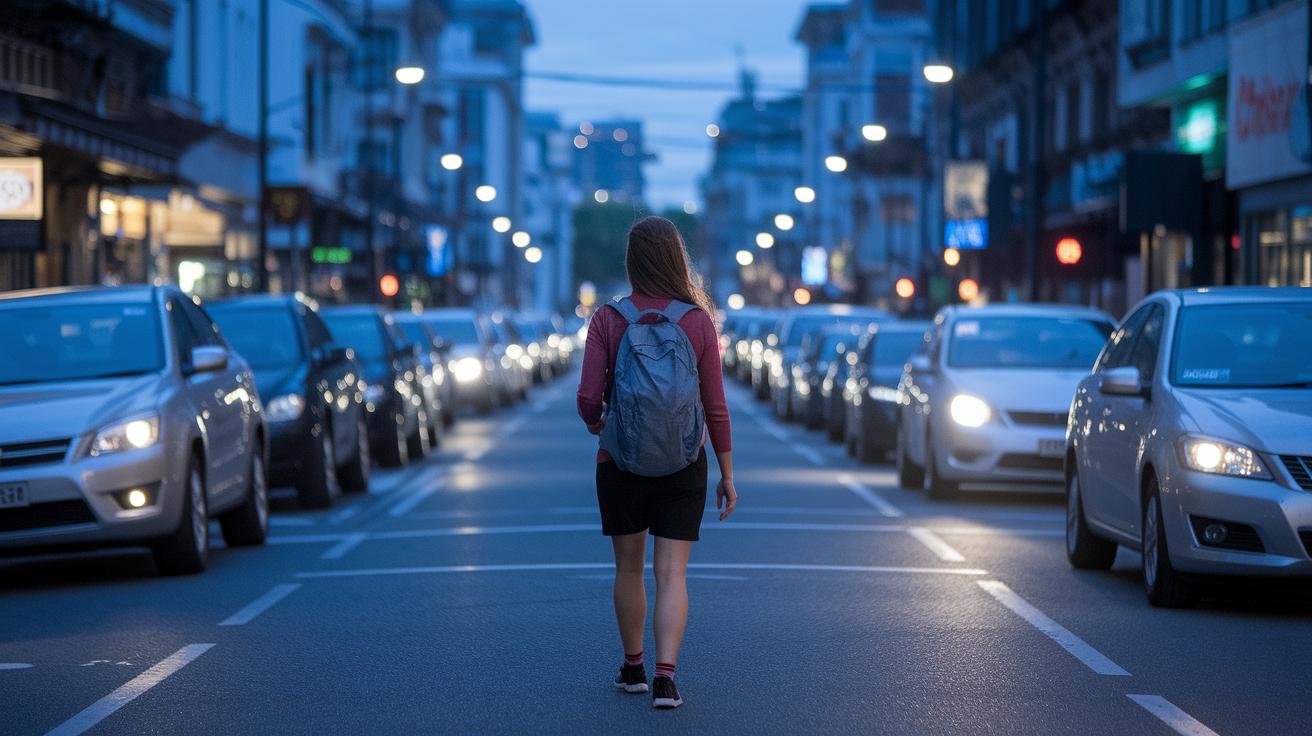
Traveling on your own can be an amazing adventure, but it’s important to take a few extra steps to stay safe. When you explore a new city, try to dress like the locals and skip the flashy accessories that might draw unwanted attention. Choosing the right place to stay or a trustworthy roommate can really set the tone for a worry-free trip.
- Look for accommodations that are women-only or take time to check your roommates beforehand.
- Wear local, simple styles instead of bold, eye-catching pieces.
- Keep your drinks light so you stay aware of your surroundings.
- Carry a small personal alarm or whistle as an extra safety measure.
- Consider taking a basic self-defense class, you never know when it might come in handy.
- Use location-sharing apps to let a trusted friend know where you are.
Getting to know the local customs can also make your experience smoother. Spend a little time learning about the cultural habits of your destination, and dress respectfully as suggested by cultural sensitivity guidelines from The Traveling Insider. This helps you blend in and builds trust with the people around you.
- Check in often with friends or family and share your plans.
- Use apps to update your loved ones on your whereabouts.
- Join travel forums for women to pick up real advice from fellow travelers.
- Ask local contacts or hotel staff about any spots you should avoid.
These simple safety tips work alongside the basic precautions everyone should take, no matter where your journey leads.
Travel Safety Tips for Pet-Friendly Trips
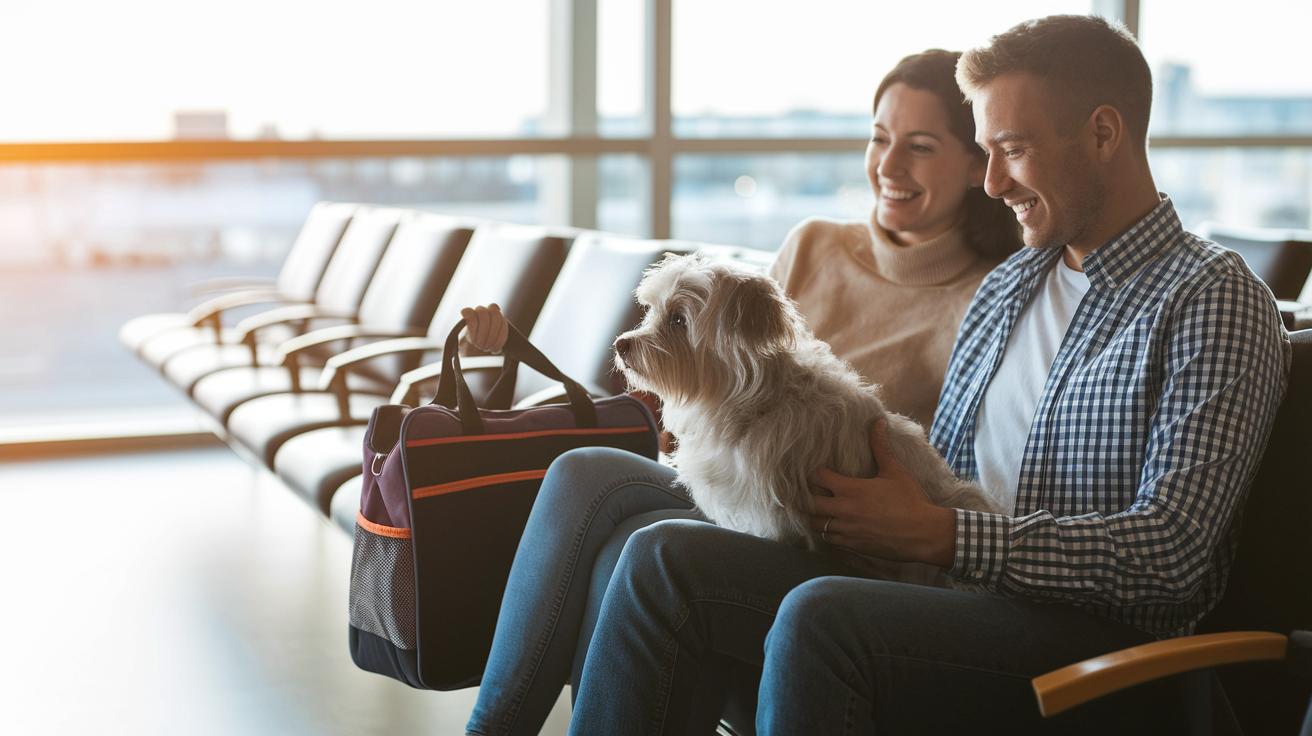
Getting ready for a trip with your pet can be a fun adventure if you're well-prepared. A little planning helps keep your furry friend secure and comfy throughout your journey. Whether you’re flying or driving, these friendly tips can ease your mind and make travel a breeze.
• Make sure your pet’s health certificates and vaccination records are current.
• Double-check that their microchip registration is up-to-date, and review any immunization requirements.
• Choose pet-friendly carriers and airlines that follow standard guidelines for live-animal travel (basically, rules that help keep your pet safe and comfortable).
• Look up local veterinarians and cozy, animal-friendly places to stay at your destination.
• Pack all the essentials, bring enough food, water bowls, any needed medications, a small first-aid kit, and bags for waste.
| Requirement | Source/Authority | Key Points |
|---|---|---|
| Health Certificates | Veterinarian | Must be current with all suggested vaccinations |
| Microchip Registration | Local Animal Control | Keep your pet’s registration info updated and accurate |
| Carrier Standards | Aviation Authority | Use a strong, ventilated carrier labeled with your contact details |
Before you set off, take a moment to review these details. That way, you and your pet can enjoy a smooth, worry-free adventure together.
Final Words
In the action, this guide has taken you through important steps from pre-trip research and transport checks to securing accommodations, money, digital data, and even pet arrangements. It brought forward practical insights for seasonal hazards, emergency preparedness, and tailored advice for women travelers.
Each section offers clear, straightforward advice so you can pack your bag with confidence. Remember, these safety tips for traveling pave the way to a worry-free trip and a stress-free adventure. Enjoy your travel and stay safe!
FAQ
Q: What are some essential travel safety tips for various trip types including international, business, and first-time travelers?
A: The essential travel safety tips emphasize thorough planning, document security, familiarizing yourself with local protocols, and maintaining alertness for personal and digital protection. These steps help travelers stay confident anywhere.
Q: What are 10 basic safety rules for traveling?
A: The 10 basic safety rules include researching your destination, safeguarding important documents, confirming transport details, applying digital safety measures, preparing for emergencies, and remaining aware of local risks.
Q: What is the biggest concern people face while traveling?
A: The biggest concern often centers on personal security and protecting belongings. Travelers focus on risk management by using secure storage and staying alert in crowded or unfamiliar settings.
Q: What are the do’s and don’ts of traveling?
A: The travel do’s and don’ts advise you to plan ahead, learn local customs, secure valuables, rely on trusted services, avoid risky areas, and act sensibly to ensure a safe and enjoyable trip.