
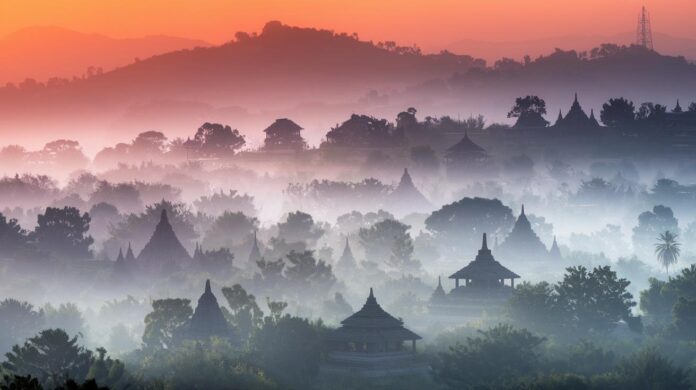

Ever wonder if the places around us hold more than just a pretty sight? Some spots carry deep stories, where human hands worked with nature to create something special. Imagine a local garden bursting with colorful blooms that seem to share old traditions, or a historic monument that quietly keeps time with the past. Each of these sites hides layers of local history and charm. In this post, we explore how everyday spaces become living memories of the culture we all share.
cultural landscapes examples Spark Bright Insight
Cultural landscapes are spots where people’s work meets nature to create places full of history and soul. They mix buildings, gardens, and time-honored traditions that tell the local story. UNESCO even groups these special places as including planned parks, big natural areas, living customs, and sites that whisper memories of the past.
Think of cultural scenery as the clear signs of how people and the land work together. It shows how our habits over time shape the way we use land and build our communities. These experiences let us see the bond between human efforts and the natural world, reminding us of how communities honor their surroundings.
- How people work with nature
- Layers of history that have built up over time
- The unseen values passed down through generations
Real examples help turn big ideas into something we can feel. Imagine a centuries-old public garden filled with the fresh scent of blooming flowers and the lively chatter of visitors. It not only reflects deep community traditions but also hints at modern design ideas. In these magical spaces, history and today come together, turning every spot into a living record of change.
UNESCO Categories of Cultural Landscapes Examples
Back in 1992, UNESCO flipped the script on how we think about cultural landscapes. They showed that these places aren’t just bits of earth; they’re living records of human effort and history. UNESCO came up with three main types of landscapes based on how they developed over time, the culture behind them, and both visible and hidden heritage.
-
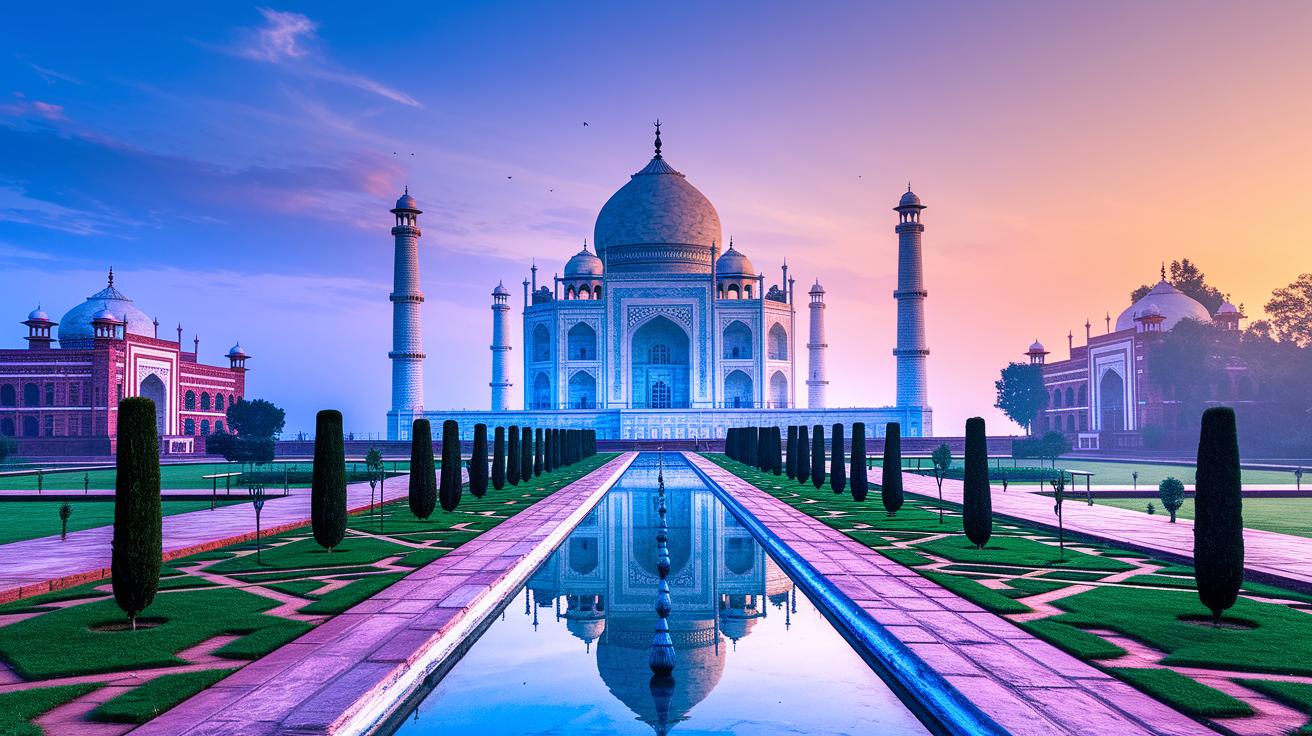
Clearly defined landscapes – Take the Taj Mahal in India, built between 1632 and 1653. This grand mausoleum was designed with care and precision, reflecting a clear and deliberate plan. It’s like walking through a piece of art that was set in stone.
-
Organically evolved landscapes – Think of Machu Picchu in Peru, where Inca terraces climb high at 2,430 meters, or the Lavaux Vineyards in Switzerland that have been carefully tended since the 11th century. These humble sites grew naturally over time, showing a deep, enduring bond between people and their surroundings.
-
Associative cultural landscapes – Look at Uluru in Australia, a place with rich stories and spiritual ties for the Anangu people, or Niagara Falls, which holds special meaning for indigenous tribes. These sites thrive on cultural symbolism and collective memory, almost like living storytellers that share secrets from the past.
These three categories help guide how we preserve these extraordinary places today, celebrating the unique mix of history, culture, and human touch in every landscape.
Notable Global Heritage Cultural Landscapes Examples
Imagine stepping into places where nature and human genius have come together to create timeless marks on the earth. These sites are not just landmarks, they are living stories of our past, where art, history, and the natural world blend into one. Every cultural landscape here feels like a chapter from an old tale, showing us just how intertwined our lives have always been with the land around us. It’s like walking through history while also taking in breathtaking views.
| Site Name | Country | Category | Key Features |
|---|---|---|---|
| Machu Picchu | Peru | Organically evolved | A high-altitude Inca city at 2,430 m that feels like a hidden secret |
| Great Wall of China | China | Organically evolved | Ancient defensive walls stretching over 21,196 km |
| Taj Mahal | India | Clearly defined | A stunning Mughal mausoleum built between 1632 and 1653 |
| Angkor Wat | Cambodia | Clearly defined | A sprawling Hindu-Buddhist temple complex covering 400 sq km |
| Lavaux Vineyards | Switzerland | Organically evolved | Beautiful terraced wine country dating back to the 11th century |
| Great Mosque of Djenné | Mali | Clearly defined | An impressive adobe structure that remains a community hub |
Scholars and wanderers are drawn to these treasures because they offer a true window into bygone times and let us feel like we’re part of a grand story. Each of these spots is like stepping into a different era, you might find yourself marveling at ancient walls or soaking up calm in a centuries-old garden. And sometimes, while you’re exploring, you can’t help but wonder: Isn’t it amazing how nature and human history can blend so perfectly?
United States Cultural Landscapes Examples

Across the country, cultural landscapes show off our history and national pride. These special areas, recognized by National Heritage Areas, remind us how people have shaped the land and kept traditions alive for many generations.
Take the Grand Canyon, for example. This place not only amazes with its size and beauty but also honors the sacred traditions of many Native American tribes. Then there's Niagara Falls, a natural wonder that carries the spirit of Indigenous cultures and hints of an industrial past. At Denali National Park, you can feel the strong connection between the Athabaskan people and the wild, rugged land. Meanwhile, walking along the Boston Freedom Trail takes you on a journey from colonial events to the modern era of America.
In the United States, protecting these cultural treasures is very important. Local communities and federal groups join forces to keep these places safe through educational programs and practical preservation efforts. Every step we take in conserving these sites invites future generations to explore and feel the magic of our shared history.
Case Studies: Illustrative Cultural Landscapes Examples
Uluru (Australia)
Uluru is a grand red rock that holds deep meaning in Anangu stories. It reminds us of ancient traditions and the care people now show for these customs. Visiting Uluru feels like stepping into a living story where the past meets the present.
Stonehenge (England)
Stonehenge stands as a timeless circle of stones full of mystery. It whispers tales of ancient rituals and ceremonies that many still wonder about today. The site brings a sense of wonder as its old stones spark the imagination about lost traditions.
Great Mosque of Djenné (Mali)
The Great Mosque of Djenné, built from adobe (a type of sun-dried brick), is the heart of its community. It mixes centuries of local craft with the vibrant life of today. This lively building shows how history and daily traditions come together in a special way.
Lake District (England)
The Lake District tells a story of rural life and old farming ways, especially through traditional sheep farming which started in the 17th century. Its rolling hills and peaceful landscapes let you experience a slice of local culture that has grown over time.
Together, these examples show how different places hold unique cultural stories. Uluru’s ancient lore, Stonehenge’s mysterious past, Djenné’s communal spirit, and the Lake District’s farming heritage each add a special note to a larger, living symphony of tradition and modern care.
Comparing Cultural Landscapes Examples with Natural Landscapes
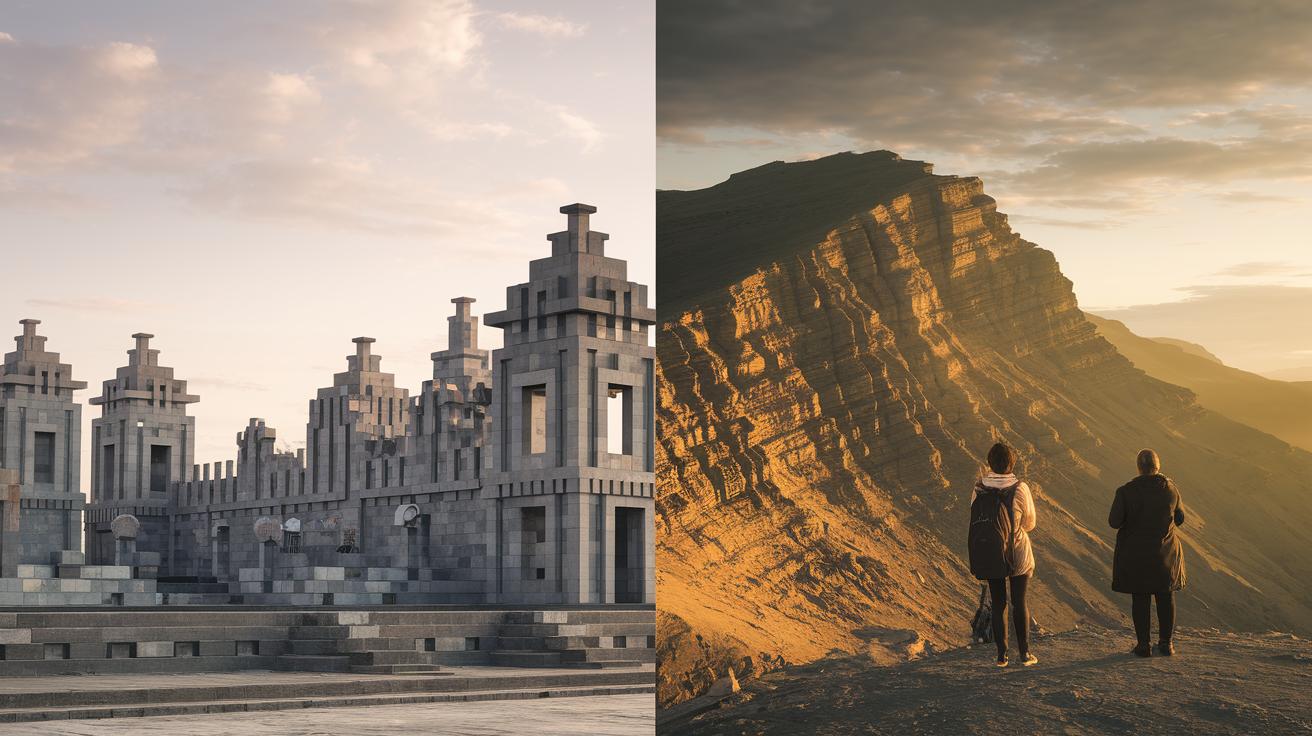
Cultural landscapes are like stories written by people. They combine human-made designs, traditions, and symbols that speak to our shared history and way of life. Meanwhile, natural landscapes grow and change all on their own, shaped over time by nature’s own rhythms. Think of it like this: cultural spots showcase thoughtful planning and hidden meanings, while natural sites reveal nature at its raw, powerful best.
| Feature | Cultural vs. Natural |
|---|---|
| Design and Planning | Cultural landscapes show careful design choices; natural landscapes develop based on nature’s cues |
| Historical Layering | Cultural sites gather layers of human history; natural sites tell stories over geological time |
| Symbolic Imagery | Cultural areas carry deep, symbolic meanings from traditions; natural areas express untouched environmental beauty |
| Community Influence | People shape cultural places through traditions and practices; nature guides natural spots with climate and ecology |
| Management Approach | Cultural sites often need community efforts and preservation; natural sites focus on protecting the environment |
Both types of landscapes are treasures, each giving us wonderful insights into how human creativity and nature work together to shape our world.
Conservation Approaches for Cultural Landscapes Examples
When it comes to taking care of cultural landscapes, it really helps to mix natural resource care, historic preservation, and strong community ties. Imagine combining the care of records and local expertise with hands-on planning alongside neighborhood groups. It’s like preserving a cherished family album while exploring a town's sunlit streets. By doing this, we keep history alive and help communities thrive.
For example, you can build community partnerships that invite local folks to shape the care of these places. Using archival documentation is like writing down all the stories and changes that happened over time. And when experts from different fields come together, think of it as inviting everyone to map out an adventure, you get powerful, well-rounded planning. Plus, when public, private, and community voices all join in, you really see the magic of collaboration.
Solid policies are key too. They act like clear road signs during your journey, guiding us to protect cultural treasures for future generations.
Final Words
In the action, we explored the core definitions of cultural landscapes and dove into UNESCO’s classifications. We examined global and U.S. sites, comparing tangible marks left by history with natural splendor.
The post even highlighted case studies that show cultural landscapes examples at work, linking human touch with environmental influence. It laid out conservation approaches and emphasized how historical layers shape our surroundings.
This look into cultural imprints leaves you with a fresh perspective and a spark to seek out these remarkable sites around the world.
FAQ
What is cultural landscape in Human Geography?
The cultural landscape in human geography means an area shaped by human hands, where built structures, historical artifacts, and traditions interact with nature to form a unique setting over time.
What are some examples of cultural landscapes in everyday life?
Cultural landscapes in everyday life may include historic neighborhoods, local parks, or community centers that display heritage, built forms, and cultural practices reflecting the local identity.
What are notable cultural landscapes examples around the world?
Notable cultural landscapes examples around the world include the Taj Mahal, Machu Picchu, and the Great Wall; each of these sites embodies unique historical narratives and social practices integrated with the physical environment.
What are some cultural landscapes examples in the United States?
Cultural landscapes in the United States feature areas like the Grand Canyon, Denali National Park, and the Boston Freedom Trail, where history, indigenous heritage, and modern development converge in fascinating ways.
What are the 4 types of cultural landscapes?
The 4 types of cultural landscapes include designed landscapes, organically evolved landscapes, associative cultural landscapes, and living landscapes, each highlighting different ways communities interact with and shape their surroundings.
What is an example of a cultural landscape in AP Human Geography?
In AP Human Geography, an example of a cultural landscape might be a historic urban area or a traditional village that shows layers of cultural influence through architecture, community layout, and symbolic land use.
What defines a traditional cultural landscape?
A traditional cultural landscape is defined by long-established cultural practices, historic structures, and shared community memories, representing a space where both natural elements and human heritage blend seamlessly.
How do animals relate to cultural landscapes?
Animals in cultural landscapes can hold symbolic value or be part of folklore and regional identity, contributing to the overall cultural narrative, even though the focus is mainly on human influences in the environment.
What is a cultural landscape drawing?
A cultural landscape drawing is a visual representation that maps out the ways human activities and historical factors shape a region, using imagery of buildings, landmarks, and natural features to communicate cultural significance.