


Have you ever asked why boat trips can sometimes feel risky? Every year, boaters run into trouble because they skip safety lessons or forget to wear their life jackets. It might sound surprising, but a few smart habits can really change your time on the water.
In this guide, I’m sharing easy boat safety tips to help you feel secure and confident. We offer clear advice to keep you and your crew safe so that every outing on the water feels worry-free.
Key Boat Safety Tips to Prevent Boating Accidents
Every year, around 100 million Americans take to the water for boating fun, yet many face serious dangers. Reports show that three out of four boat-related deaths happen because the operator wasn’t properly trained. It’s also shocking to learn that 75% of drowning cases involve people not wearing life jackets, and most didn’t have the right safety gear.
Taking a few smart steps can really cut down on these risks. Keep in mind basic safety rules like joining a certified boating safety course (a class that teaches you the ins and outs of safe boating) and steering clear of overloading your boat or mixing alcohol with boat riding. Even having someone on lookout can make a big difference when you’re in busy waters or towing behind another vessel.
- Sign up for a certified boating safety course to build up your skills.
- Always buckle up with a properly fitted life jacket, no matter how well you swim.
- Know your boat’s capacity and don’t pack it too full with people or gear.
- Designate someone to keep an eye out for any hazards while you’re out on the water.
- Say no to alcohol when you’re operating the boat so you can stay sharp.
- Follow marine right-of-way rules, just like you would obey traffic lights on the road.
- Check your boat’s mechanical systems from top to bottom before you get going.
- Keep an eye on local weather and avoid taking off if a storm is brewing.
- Use one hand for balance while the other handles the controls.
- File a float plan with someone you trust, including your contact details, before you set sail.
These simple tips serve as a great foundation for keeping your boating trips fun and safe. Taking these precautions ensures that you and everyone on board can enjoy the adventure with peace of mind.
Boat Safety Tips for Pre-Departure Inspections
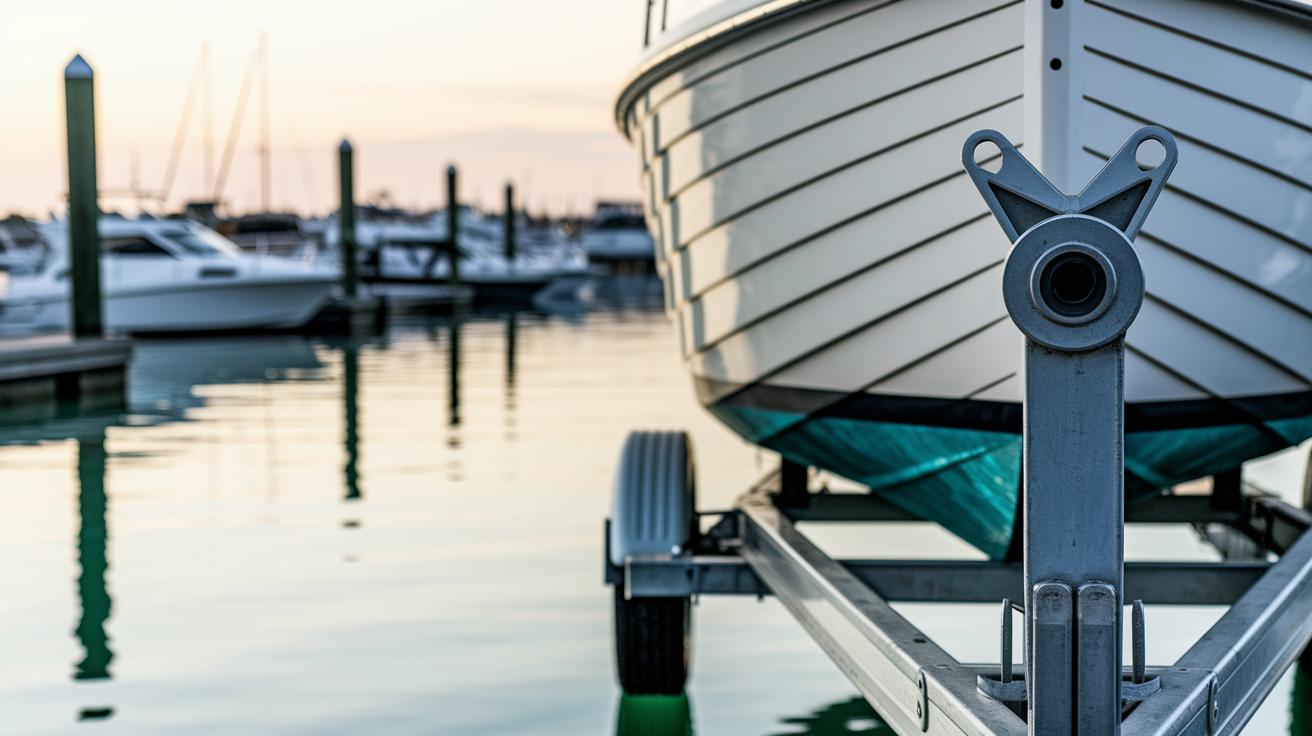
Before you head out on the water, it's smart to give your boat a quick check-up. Think of it as a tune-up that makes sure everything’s ready for a safe day out. You’ll want to have a close look at the boat's body, trailer, and steering – kind of like making sure your bike is ready for a long ride. This simple check stops little issues from turning into big headaches later.
Scheduling a Coast Guard Vessel Safety Check
Getting your free Coast Guard Vessel Safety Check is really easy. You can call your local Coast Guard office or swing by a nearby marina that offers the service. Make sure to bring your boat registration, owner’s manual, and jot down a few questions to make the most of the free check.
When you inspect your boat, run your hand along the hull to feel for cracks or any water seepage. Test the steering to see if it’s smooth and responsive. Also, check if the bilge-pump is working well and look over your fuel lines for any leaks or loose fittings. These little steps help ensure a safe and worry-free adventure on the water.
Boat safety tips: Sail with Confidence
Bring the right marine gear with you to keep your outing safe and fun. When you have a smart mix of equipment, you’re ready to face surprises and enjoy your time without worry. Think of this list as your trusty set of helpers, each designed to save lives and call out for help if needed.
| Item | Purpose |
|---|---|
| Life Jacket | Keeps you afloat and safe |
| Throwable Device | Sends a rescue signal during emergencies |
| VHF Radio | Makes it easy to call for help |
| Fire Extinguisher | Quickly puts out small fires on board |
| First-Aid Kit | Holds basic supplies for minor injuries |
It’s important to check your gear regularly. Before you set out each time, take a moment to verify that everything is working properly. A quick look at essentials like your life jacket and VHF radio can help you sail confidently every time.
Boat Safety Tips for Navigation Rules and Right-of-Way

Navigating on water can sometimes feel a bit risky, just like being on busy roads. Boating rules exist to keep everyone safe, and even a small mistake might lead to collisions or confusion in crowded waters.
Remember: smaller boats should always yield to larger boats and commercial vessels. Much like drivers keeping an eye out at intersections, boaters need to watch closely to know who must give way. It’s all about sharing the water respectfully, where every rule plays a part.
When night falls, things change. Dimming your interior lights and GPS screens (a lot like lowering the brightness on your phone before bed) helps your eyes adjust and makes it easier to see other boats. This simple step makes moving safely in the dark much easier.
It also helps to have someone dedicated to keeping watch. A lookout can spot debris, other boats, or obstacles before you even notice them, letting the captain steer with more confidence.
Following these simple rules makes handling your boat easier and cuts down the chance of accidents. With everyone looking out for one another, each trip feels safer and more relaxed.
Boat Safety Tips for Emergency Preparedness and Onboard Response
Emergencies can happen anytime, and knowing what to do can truly help keep everyone safe. First, check that your VHF radio works perfectly and that you have saved emergency contact numbers for a fast rescue. It’s a smart idea to file a float plan with someone onshore (this is like a travel itinerary for your boat) so help can find you quickly. Make sure each crew member has a clear role so that when trouble comes, everyone knows how to help.
When you’re in distress, clear communication is key. Use your VHF radio to send out distress signals and share your exact location with emergency services. Having that pre-filed float plan is like a documented lifeline, it tells rescuers your route and when you plan to return, which can cut down on wait times when you really need help.
If someone goes overboard, every second matters. Use your kill-switch engine cut-off fob immediately to stop the engine, reducing the risk to anyone in the water. It’s important to have a dedicated crew member always on watch, ready to spot and report a man-overboard situation so that the response can be fast and well-organized.
Practicing drills for fire, flooding, and other issues on board makes a big difference, too. Regular practice sessions help everyone stay calm and act quickly. Also, keeping an eye on your boat’s battery by reducing non-essential electric use when at anchor ensures you have power for those vital communications when you need it most.
Boat Safety Tips for Weather Awareness and Rough Water Conditions

Before you get started on your boating adventure, spend a few minutes checking your local forecast, especially when hurricane season is around. Knowing what the sky has in store helps you decide if today is a day to set sail or a day to enjoy the safety of the shore.
While you’re out on the water, keep an eye out for any signs that a storm might be brewing. If you notice dark clouds gathering, catch the sound of distant thunder, or see lightning flashing within about 10 miles, it's a clear signal to turn back. Better safe than sorry, right?
When the water turns rough, take extra precautions. In choppy seas, slow down and face the waves head-on to keep your boat steady. Secure any loose gear, reef sails, or store away canvases before a squall hits, just like you’d tie down your stuff on a blustery day. These simple steps help protect your equipment and keep everyone safe, so you can continue enjoying your journey even when the weather gets wild.
Boat Safety Tips for Licensing, Certification, and Training
Getting properly trained is like having a trusted guide on your boat adventures. A good safety course builds your confidence on the water and shows you how to avoid common mistakes that can lead to danger. It’s a bit like discovering a secret tip that not only keeps you safe but might even lower your insurance bills.
You’ve got both free and paid choices to boost your skills. You can sign up for a Coast Guard‐approved course online at no cost or join a local class that explains your state’s certification rules. These sessions mix hands-on practice with simple theory, so you learn how to dock, anchor, and steer with ease.
Most state boating licenses cost between $30 and $50, and you’ll need to pass a written test. Think of this exam as a friendly checkpoint that makes sure you know the boating rules, safe navigation, and what to do in an emergency before you hit the water.
Remember, building your skills doesn’t stop once you get licensed. Regular practice sessions in docking, anchoring, and navigation can boost your expertise, just like rehearsing your favorite part of a play. Keep practicing and enjoy every moment on the water safely.
Boat Safety Tips for Family and Passenger Protection
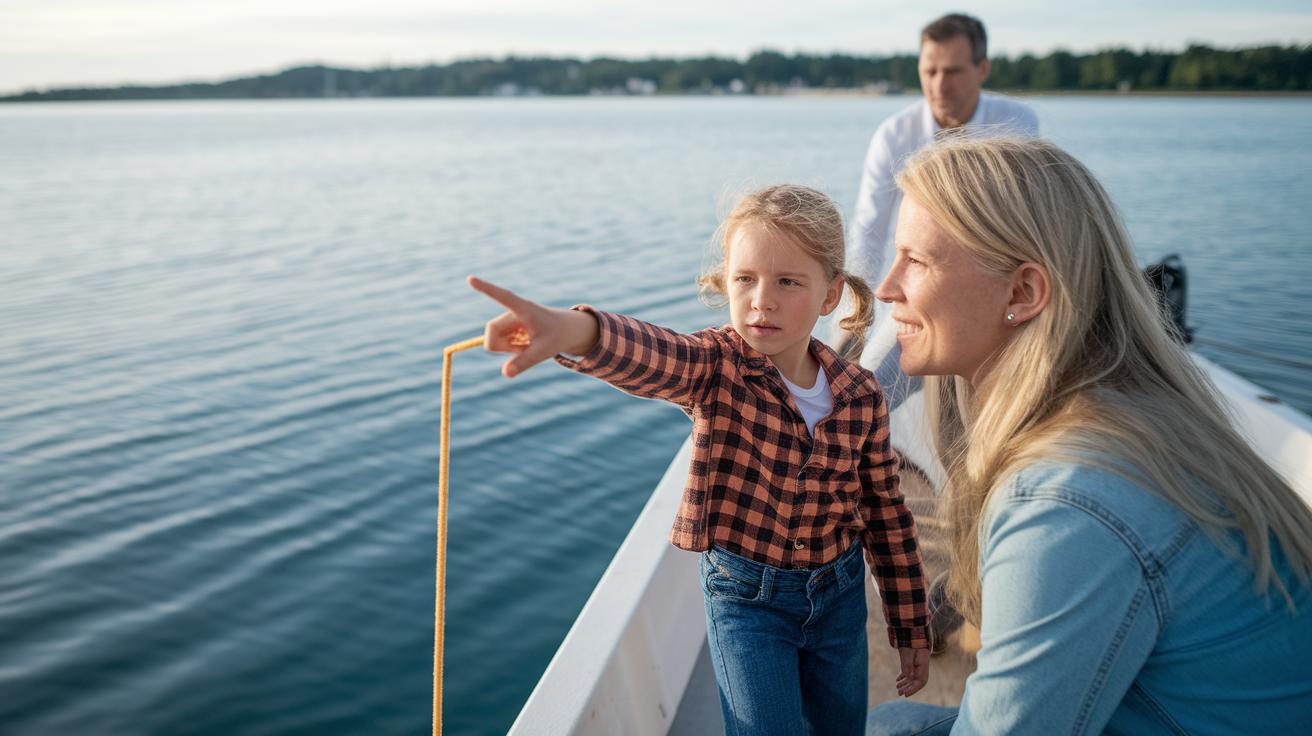
When you're out on the water with your family, it’s easy to get caught up in all the fun, but accidents can happen quickly. A tiny mistake on a boat can turn into a big problem for everyone aboard, so it’s important to stay safe while enjoying the ride.
Start by teaching your kids some simple boat rules. Explain which parts of the boat they shouldn’t go to, just like you would set boundaries at home. It helps to go over these rules often, maybe even with a little hands-on practice or a quick demo that shows exactly what safe behavior looks like.
You can also make your boat safer by adding features that protect little ones. Try using non-slip mats and grab rails, and make sure there’s stable seating for the kids. Adding boarding ladders not only helps the younger family members get on and off easily, but also makes things much safer for everyone. Mark any areas that might be dangerous so everyone knows to steer clear.
And don’t forget the most important rule: always have an adult keeping a close eye on the children. It’s also a good idea to pack all the must-haves like sunscreen, extra clothes, yummy healthy snacks, and plenty of water to keep everyone comfortable and ready for the next adventure.
Final Words
In the action, this guide breaks down vital boat safety tips, from pre-departure inspections to emergency responses. We highlighted essential measures through numbered actions, gear checks, and weather awareness to help cut accident risks. Each section offers clear steps to protect everyone on board, ensuring safe travels whether you're on calm waters or rough conditions.
Keep these insights handy as you plan your next outing, and embrace every moment on the water with confidence and a smile.
FAQ
What do top 10 boating safety tips and 10 water safety tips include?
The top tips emphasize wearing life jackets, checking weather and equipment, avoiding alcohol, keeping a dedicated lookout, following load rules, preparing for emergencies, and staying alert at all times.
What are essential boat safety tips for beginners, fishing boats, and pontoon boats?
Essential tips for beginners, fishing boats, and pontoons focus on pre-departure inspections, using proper gear, following navigation rules, and receiving adequate training to help make every outing safer.
What do boat safety PDF guidelines offer?
Boat safety PDF guidelines provide a clear checklist covering equipment inspections, life jacket use, proper communication, and emergency procedures in an easy-to-read, downloadable format for boaters.
What are the basics of boat safety?
The basics of boat safety include proper pre-departure checks, wearing a life jacket, monitoring weather, following right-of-way rules, and having a clear plan for emergencies to reduce risk.
What is the leading cause of death in boating?
The leading cause of death in boating is linked to inadequate training and the failure to wear life jackets, both of which can lead to drowning and accidents on the water.
What is considered the golden rule of boating?
The golden rule of boating means always prioritizing safety by staying prepared, cautious, and respectful of the rules and surroundings to prevent accidents on the water.
What boat safety tips should be followed for kids?
Boating safety for kids means enforcing strict rules, ensuring they wear proper life jackets, designating no-go zones on deck, and keeping constant adult supervision to protect them onboard.