


Ever wonder if a surge in tourism might wash out what makes a place truly special? In many charming towns, small cafes and family-run shops buzz with visitors, their lively energy helping to keep local traditions alive. The money they bring in lights up neighborhoods and supports the care of long-held customs. At the same time, a rush of tourists can put a strain on delicate historic sites. So, how do we protect these treasured gems while still welcoming new energy into the community? The trick is finding a clever balance between boosting the local economy and safeguarding our cultural heart.
Tourism Impact on Cultural Heritage: Balancing Growth and Preservation
When tourists spend money, they give a big boost to heritage sites and help local businesses thrive. Imagine a cozy town where little cafes and craft shops come alive as visitors wander through historic streets. Fun fact: some cultural spots have seen over a 30% jump in revenue because of smart tourist spending!
At the same time, more visitors can put extra pressure on these treasured sites. Heavy foot traffic, for example, can lead to small damages that slowly add up, wearing down the very charm that makes them special.
That’s why a little planning goes a long way. Thoughtful strategies help guide visitors safely, protect delicate structures, and keep cultural traditions shining bright. Think of it like planning a day out in a historic neighborhood, you mix fun exploration with a little care to keep the magic alive for everyone.
Tourism Impact on Cultural Heritage: Economic Benefits for Local Communities

Have you ever noticed how even small spending during your travels can brighten up an entire community? In many Italian provinces, heritage tourism is a real game-changer. When travelers pay for entry tickets, savor local flavors, or pick up a handcrafted treasure, that money helps neighborhoods thrive. It’s like how one cheerful note can turn a quiet melody into something truly unforgettable.
Italy’s National Recovery and Resilience Plan shows just how important this is, pouring funds into cultural tourism so that visitors’ early enthusiasm becomes big support for community projects. Imagine strolling through a historic street where every new visitor not only enjoys a slice of tradition but also adds a little extra care to keep those cherished sites looking fresh. It’s a neat balance, more visitors today mean funds for tomorrow’s restorations, keeping our cultural gems safe for future adventures.
Tourism Impact on Cultural Heritage: Preservation Challenges and Site Risks
Historic sites are special places, but too many visitors can cause problems. Each step on an old pathway can slowly wear away delicate stone and surfaces. More visitors often mean a rise in theft and small acts of vandalism, especially at places with valuable artifacts. When these sites attract big crowds, security can become a real concern, and sometimes people may touch or even remove parts that are meant to be preserved.
Large crowds can also stress the environment. Heavy foot traffic can compact the soil and trap moisture, hurting the original structures. When a monument sees lots of visitors every day, the strain on its resources can quickly become too much. A small misstep in maintenance might then lead to bigger issues.
| Issue | Impact |
|---|---|
| Structural decay | Frequent contact speeds up wear |
| Resource strain | High visitor numbers pressure local services |
| Cultural dilution | Authentic traditions risk getting lost |
| Social displacement | Local needs may get pushed aside |
Often, repair and upkeep costs jump once visitor numbers hit a certain level. Keeping clear records of how these sites wear over time and what fixes are needed helps planners decide when to limit visits so that these treasures can be enjoyed by future generations. Isn't it amazing how a bit of careful planning can help preserve history?
Tourism Impact on Cultural Heritage: Policy and Regulatory Protections
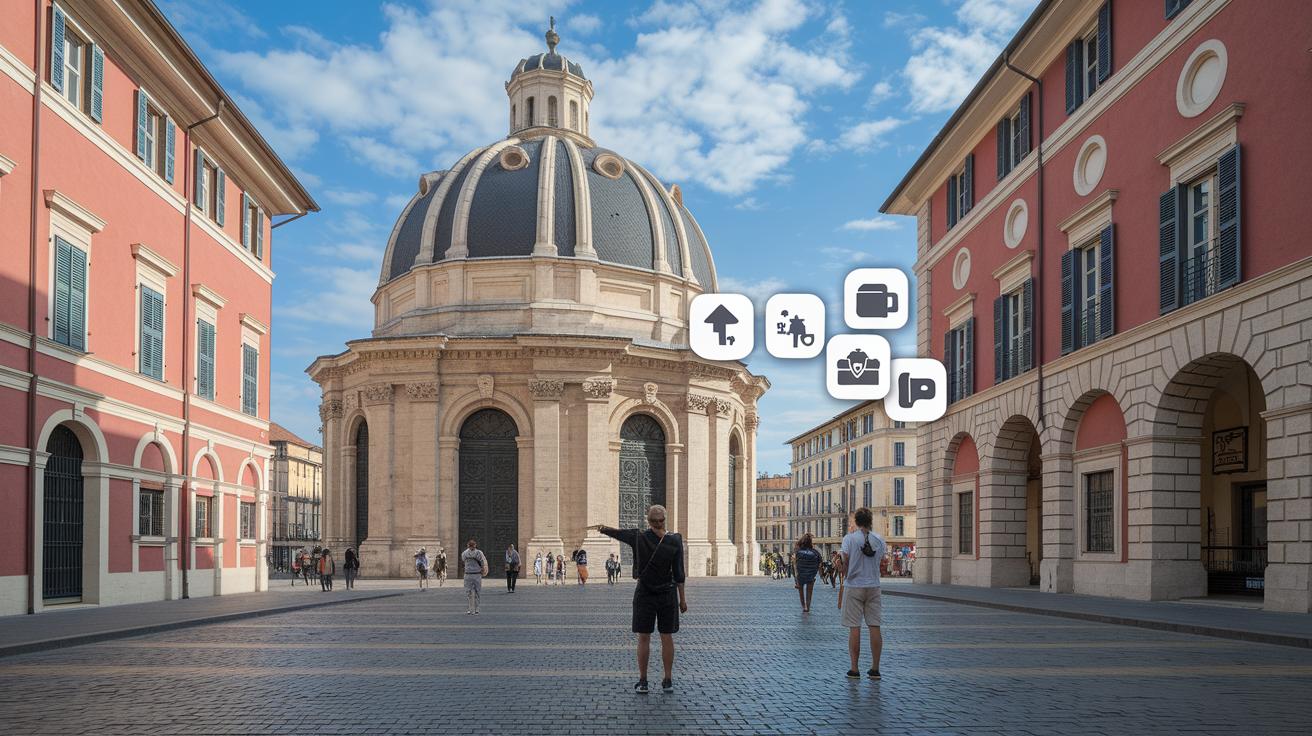
The European Commission’s Framework for Action on Cultural Heritage gives clear guidelines that balance protecting our historic sites with the need for tourism revenue. These rules help preserve old landmarks while making sure visitor numbers are kept in check. It’s a smart mix that keeps these gems charming and significant, yet still brings in economic benefits.
Italy’s National Recovery and Resilience Plan shows just how powerful targeted funding and clear plans can be for boosting cultural tourism. Regional projects get special resources aimed at both conservation and managing visitors smoothly. Local officials see these measures as practical ways to keep landmarks welcoming, even with more people around.
Rules about who visits and when play a big role too. Policies that limit daily visitor numbers and control access to fragile spots help protect local identity while ensuring resources are shared wisely. By carefully directing both the story and funding for preserving cultural heritage, governments make sure history and tourism work in perfect balance.
Tourism Impact on Cultural Heritage: Sustainable Conservation Strategies
Giving old neighborhoods a fresh start by repurposing historic buildings is a smart way to keep their stories alive. Old buildings get a new life as they serve modern needs while still holding on to their past. Picture an old warehouse turned into a buzzing art gallery, where every brick whispers tales of history while celebrating creative design. It’s a way to preserve their unique charm and bring new energy to the area, turning these spaces into friendly community spots where the past and present meet.
When government agencies and private companies join forces, heritage sites can be cared for in a sustainable way that benefits everyone. This kind of teamwork makes sure there are enough funds and well-planned guidelines to protect fragile places. For example, a local museum might offer scheduled tours with specific time slots to control the number of visitors. This careful planning helps reduce wear and tear while making every visit a respectful nod to history. In short, combining good visitor rules with smart conservation efforts creates a balance that lets us enjoy our cultural treasures for years to come.
Tourism Impact on Cultural Heritage: Empirical Case Analysis from Italian Provinces
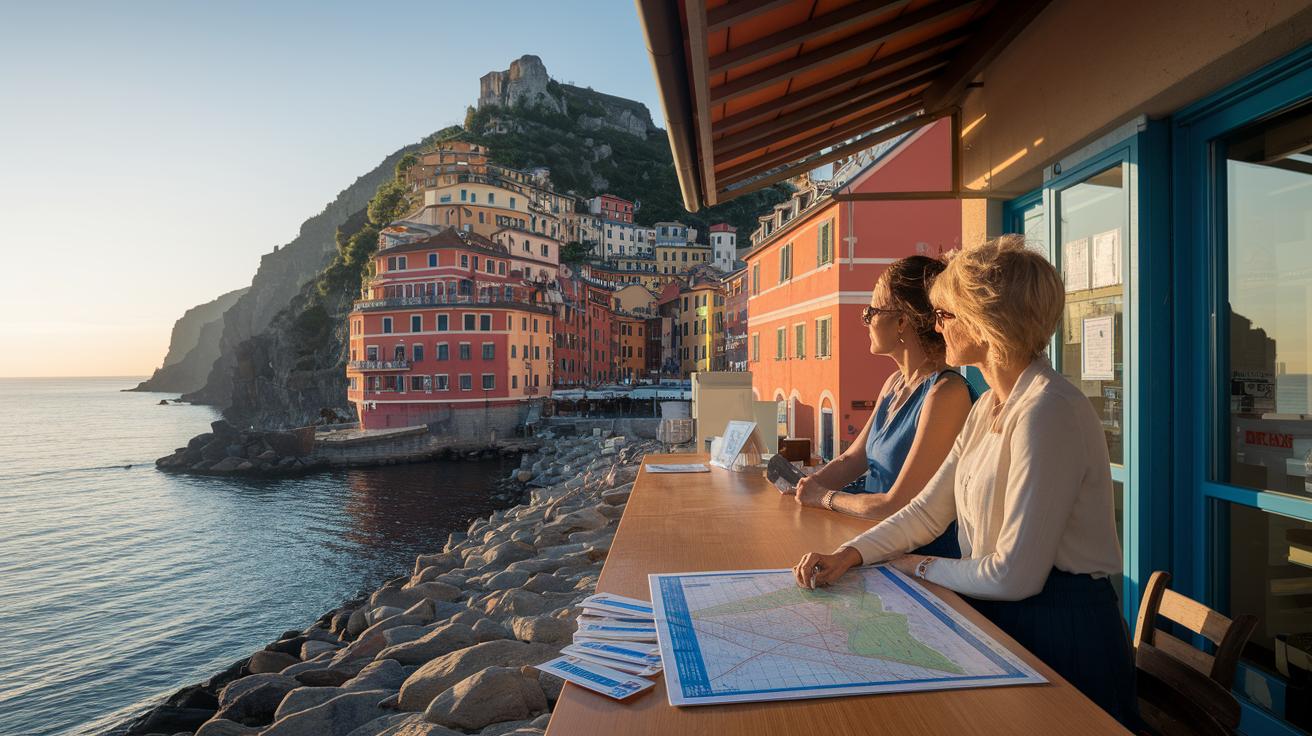
Studies from various Italian provinces show that keeping tourist numbers moderate can boost the local economy while keeping upkeep costs low. For example, one province used flexible ticket pricing to ease crowding by 15% during busy times, and local spending jumped by 20% in slower months. Data even shows that managing visitor flow well helps reduce yearly maintenance costs. Did you know? In Province X, a controlled visitor plan raised revenue by 20% and trimmed preservation expenses by almost 10%, proving that balance really pays off.
Looking closer, research reveals that each province has its own special approach. While the National Recovery and Resilience Plan sets aside over €40 billion for restoring cultural sites, local solutions differ a lot. Some places mix smart ticket pricing with community funding projects, leading to clear improvements in both site care and local business. These creative strategies offer a fresh way to protect cultural heritage while giving local economies a helpful boost.
Tourism Impact on Cultural Heritage: Future Research and Innovation Directions
Priority Research Themes
Digital engagement is buzzing in travel research these days. Researchers are exploring how vivid, interactive digital stories can pull you into heritage sites while keeping their history alive. Think of it like a colorful virtual tour that not only attracts you but also gently reminds you to treat these special places with care. Smart tools that use data help check a site’s condition and see how local communities feel about their surroundings.
Teamwork across different fields is making this work even stronger. Experts in architecture, city planning, and environmental care are teaming up to create ways to blend new technology with respect for cultural traditions. They use data to spot potential risks and connect this information with real-world steps to guard these treasures. Meanwhile, new methods are being developed to watch how visitors behave, making sure that the true spirit of a site isn’t lost in the fast-changing digital age. These insights play a key role in shaping the future of cultural protection.
Final Words
In the action, we saw how visitor spending boosts local economies while high traffic challenges site authenticity. We touched on balancing revenue with preservation and examined policies that help protect irreplaceable sites. We also looked at practical conservation methods and real-life insights from Italian provinces. These points remind us that thoughtful planning and local insight can shape a positive tourism impact on cultural heritage. Every step taken helps in preserving our dear legacy while ensuring economic and cultural vibrancy stays alive.
FAQ
Q: What does the tourism impact on cultural heritage PDF cover?
A: The tourism impact on cultural heritage PDF explains how travel influences historical sites and local customs while highlighting both economic gains and preservation challenges to guide sustainable visitor practices.
Q: What are the positive tourism impacts on cultural heritage?
A: The positive tourism impacts on cultural heritage include local revenue boosts from visitor spending, increased support for cultural projects, and a growing appreciation for traditional practices that reinforce community spirit and shared history.
Q: What does a tourism impact on cultural heritage essay discuss?
A: The tourism impact on cultural heritage essay discusses the mix of benefits and drawbacks, detailing how visitor spending can support local economies while unchecked tourism may risk the authenticity and integrity of cultural sites.
Q: What are the negative tourism impacts on cultural heritage?
A: The negative tourism impacts on cultural heritage reveal that too many visitors can wear down historical sites, raise maintenance costs, and blur cultural traditions, ultimately threatening local identity and heritage integrity.
Q: How does tourism affect cultural identity?
A: Tourism affects cultural identity by introducing new influences and economic opportunities, which can sometimes overshadow traditional practices and local values, potentially altering the unique character of communities and their heritage.
Q: What is the cultural significance of heritage tourism?
A: The cultural significance of heritage tourism lies in its ability to promote historical understanding and pride among locals, support funding for preservation, and connect visitors with the rich traditions and narratives of a place.
Q: How does tourism affect education about culture?
A: Tourism affects education about culture by providing real-life encounters with historical sites and local customs, sparking interest in learning and preserving cultural narratives while encouraging community engagement in heritage care.
Q: How does ecotourism relate to cultural heritage?
A: Ecotourism and cultural heritage work together by encouraging practices that protect the environment and honor local traditions, ensuring that both natural landscapes and historical sites benefit from mindful, sustainable visitor experiences.