


Have you ever wondered if looking after our past might light the way for our future? Cultural heritage care isn’t just about protecting old buildings and kept items. It’s like holding onto a precious family keepsake that can inspire every new generation. This kind of work brings neighbors together by blending careful attention with a deep love for old traditions, and even sparks new ideas in our communities. By taking this warm, caring approach, we honor where we come from and celebrate the everyday customs that shape our lives.
Core Objectives in Cultural Heritage Management
Cultural heritage management is all about taking care of our past. It preserves both the real, touchable things like old artifacts and ruins and the unseen treasures like traditional crafts, stories, and music. Imagine it like passing along a family heirloom that keeps inspiring new generations. For instance, ancient pottery gives us clues about old lifestyles while helping today’s experts restore and safeguard our history.
Today, many projects mix tourism and local business with careful conservation. This means they create ways to earn money while protecting sites that remind us of where we came from. It’s like planning a fun day out where every stop teaches you something new about your community’s past.
A big part of this work is setting clear rules and guidelines that everyone can follow, much like a group trip where a shared plan makes everything smoother. By working with frameworks (like those on https://thetravelinginsider.com?p=783), experts help ensure every cultural asset keeps its special charm using time-tested methods.
Local voices are super important, too. When community members share their ideas and feedback, it makes the whole process feel like a friendly neighborhood project. That way, preserving the past becomes a shared journey that connects old memories with today’s hopes for the future.
Legal Policy Frameworks for Cultural Heritage Management
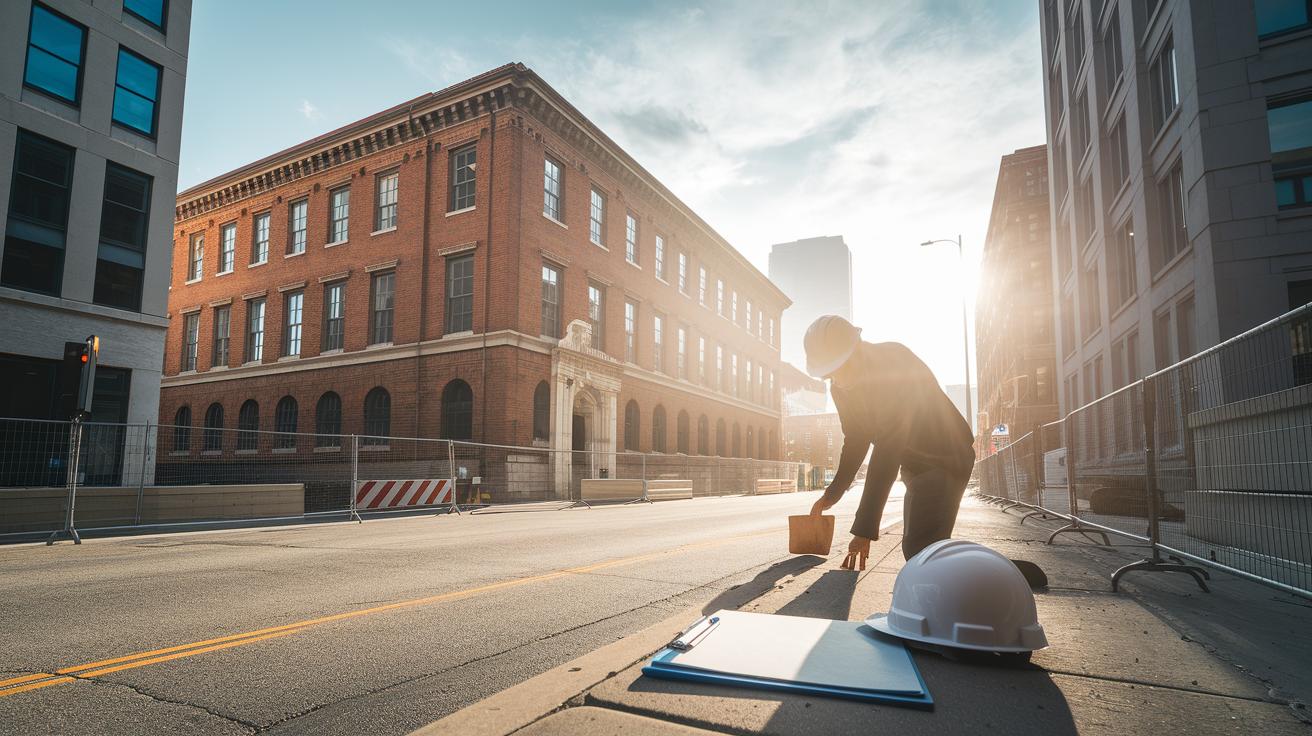
In the United States, managing our cultural heritage starts by following key rules like the National Historic Preservation Act (NHPA) and the National Environmental Policy Act (NEPA) for projects with federal funds. These rules mean every project must consider how it might affect old landmarks and natural spaces. For instance, if workers uncover an old building during road work, the NHPA steps in to protect that slice of history. It's like finding a long-lost page of a beloved story. This careful approach makes sure new developments do not wipe out our past.
Around the world, agreements such as the UNESCO World Heritage Convention and the 2003 Convention for the Safeguarding of Intangible Cultural Heritage help set global standards. These pacts encourage countries to safeguard both stunning physical relics and the living traditions of communities. In doing so, they support policies that honor cultural stories across different lands.
On a state and local level, special preservation rules and registers also play important roles. Local governments often have clear processes that classify and protect historically important areas. This layering, from international accords right down to neighborhood rules, creates a strong system that keeps traditions safe while fitting into modern life.
Together, these legal policies form the backbone of cultural heritage management. They offer a clear guide that balances progress with a heartfelt respect for our cultural memories.
Methods and Tools for Cultural Heritage Management
Modern technology has given us new ways to explore historic properties, kind of like discovering a secret path in a favorite neighborhood. Today’s digital workflow makes it easier for teams to record details, create reports, and follow rules, imagine updating a photo album on your computer where every picture is neatly stored and ready to enjoy.
We now use many digital techniques. Many experts use remote-sensing tools like LiDAR and sonar (tech gadgets that send signals to create detailed maps) to check areas that are hard to reach. I remember a project along Maine’s coast where sonar revealed underwater features that traditional methods might have missed, like using a small light in a dark room to see hidden treasures.
Digital archiving is also a lifeline for keeping records safe and easy to access. With tools such as 3D laser scanning, every curve of a historic building is captured, while GIS mapping (a tool to trace locations) helps track assets across wide regions. Think of it as writing a digital diary filled with memories that can be relived anytime.
When it comes to analyzing historic sites, these modern management tools blend careful data collection with clear, reliable reporting. With digital records, it’s much simpler to spot issues and plan conservation work that truly respects the character of each site. Embracing these fresh techniques means mixing old values with the quick, precise capabilities of today’s tech.
Community Engagement in Cultural Heritage Management
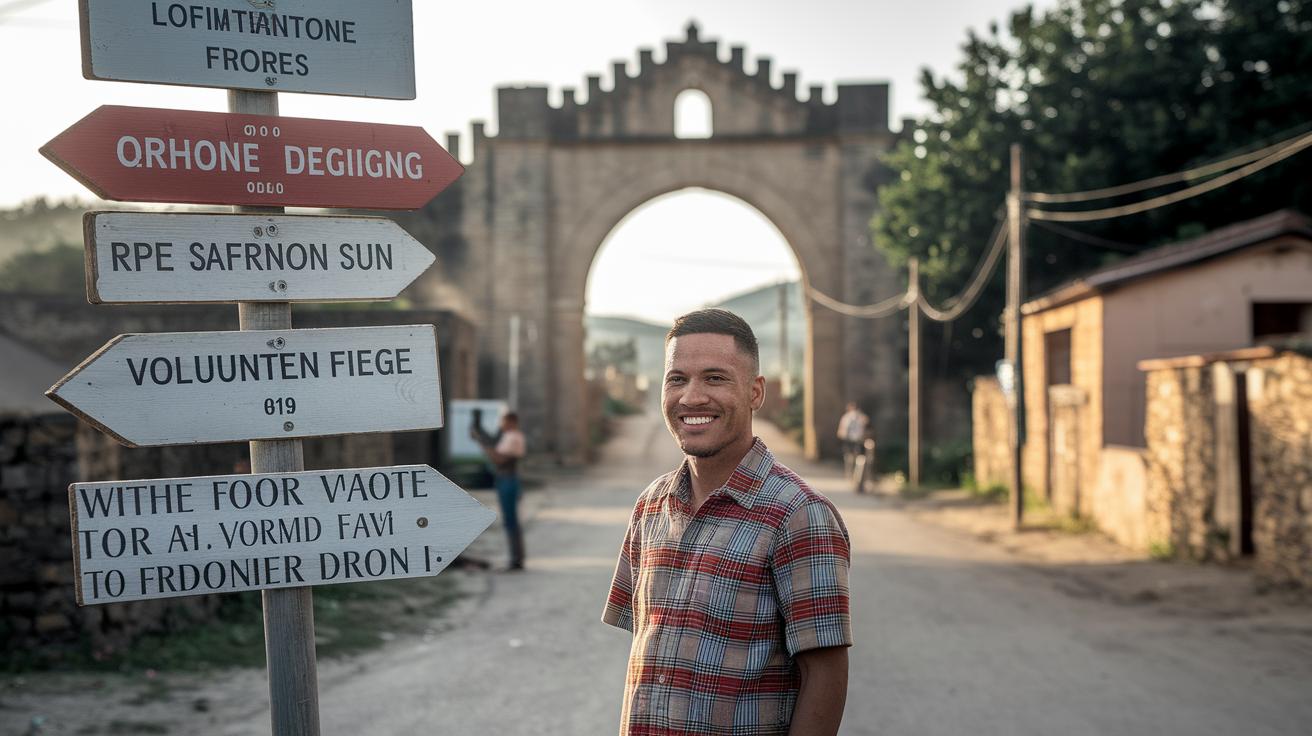
When locals join in caring for heritage sites, traditions continue to thrive. People who live in the area know the stories behind these old landmarks best. It’s like a friendly neighborhood chat where everyone adds their own twist. For example, a local artisan once said, "I grew up hearing legends about that ancient bridge, and now I get to share them with visitors." Moments like this show how local voices can make history come alive.
Grassroots conservation often begins with simple actions powered by local wisdom. Consider these ideas:
-
Engaging local volunteers to design signs that explain a landmark’s story. Imagine a sign that transforms a plain wall into a storyteller’s canvas.
-
Organizing tours led by long-time residents who share personal memories of each historic spot. Walking these familiar streets sparks memories of days gone by.
-
Hosting community workshops where elders and youngsters discuss old traditions, sparking fresh ideas that mix history with modern flair. A workshop might even revive a forgotten local craft.
These hands-on approaches build trust and let everyone play a part in preserving history. When visitors join in educational programs supported by genuine local input, they learn to appreciate and treat heritage sites with care. Involving the community means that these treasures are looked after thoughtfully, benefiting everyone today and in the years to come.
Sustainable and Risk Management Strategies in Cultural Heritage Management
Balancing old treasures with modern life means taking a close look at risks while caring for these historic gems. We use simple plans for tourism that help cut down on harm to nature and make sure special places stay safe, even when lots of people visit. It’s a bit like making sure a fragile vase is protected while still enjoying its beauty.
Managing the flow of visitors is key. For example, a museum might allow only a few guests at a time with set visit durations. This makes it easier for the team to check for risks and update their plan if more people show up than expected. Think of it as following a trusted recipe where every step helps keep a beloved tradition alive.
Planning for bad weather or other surprises is also very important. Sites plan regular practice drills for things like storms or unexpected events, along with keeping careful records. Team members learn fast recovery moves to protect both the physical and cultural aspects of a place. Imagine practicing a safety drill in an old castle, where every stone and story is cherished.
By mixing these ideas, teams create a strong plan for keeping cultural sites safe. They often review visitor numbers and risk clues to update their plans and keep the area caring for both history and nature. This balanced approach not only saves old buildings but also honors the living culture at each site, ensuring that every historical story can be passed on to future generations.
Case Studies and Best Practices in Cultural Heritage Management

Case studies show us what really works when taking care of our treasured history. For example, Chronicle Heritage took on the CSS Georgia project at Savannah Harbor. They carried out a full underwater survey while working with many partners and following NHPA rules. It’s a bit like inspecting every detail of a family heirloom before deciding where it belongs.
Then there’s the UNEV Pipeline Project. Experts put together a huge 5,000-page cultural resource report. Think of it like making an enormous scrapbook that captures every important moment on your journey. This careful planning makes sure every step follows the rules.
At San Francisco’s Transbay Transit Center, teams juggled both archaeological digs and community conversations. It was like planning a friendly neighborhood get-together where everyone’s voice was heard and the history of the place was respected. One local guide even said, "I once felt the whole city’s pride when I saw our history celebrated and respected."
Off the coast of Maine, professionals used digital tools, almost like a high-tech treasure map, to check submerged sites. These smart techniques help experts find and protect underwater pieces of our shared past.
And then there’s Rome and Florence, where the art of sharing their rich traditions brings history to life. By blending heritage with sustainable tourism, these cities show that a well-told story can make history feel real and inviting.
- Chronicle Heritage’s CSS Georgia project
- A comprehensive report for the UNEV Pipeline Project
- San Francisco’s Transbay Transit Center outreach
- Remote-sensing projects in offshore Maine
- Place branding in Rome and Florence
Final Words
In the action, we walked through the fundamentals of cultural heritage management, from setting clear goals and building strong legal policies to using modern methods and involving local communities. We explored real-life case studies that show how digital tools and sustainable practices protect historic treasures. Each section painted a picture of careful planning mixed with heartfelt local insights. Every step of the way, we saw how thoughtful strategies can make travel planning feel smooth and inspiring. It's all about keeping history alive while opening doors to future memories.
FAQ
How can I start a career and find education options in cultural heritage management?
A career in cultural heritage management covers roles in preservation, policy, and research. Study options range from certificate courses and degrees to Masters programs and scholarly journals, with various resources like PDF guides available.
What is cultural heritage management and what does heritage management mean?
Cultural heritage management means the careful care, protection, and promotion of historical sites and traditions. It involves balancing the use of cultural assets with careful upkeep so that history remains alive for future generations.
What is a cultural heritage management plan?
A cultural heritage management plan outlines steps to protect, maintain, and share the value of historical assets. It serves as a detailed guide for keeping cultural sites and traditions safe and accessible.
What does CRM mean in archaeology?
CRM in archaeology stands for Cultural Resource Management. It focuses on the study, care, and protection of archaeological sites and artifacts while integrating modern techniques and community practices.