
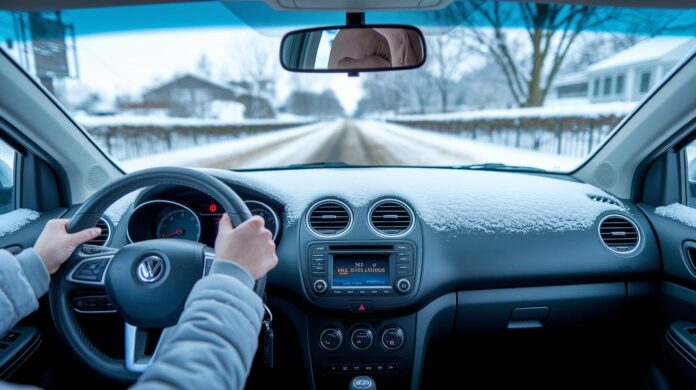

Ever wonder why winter roads feel like giant ice rinks? When snow and ice take over, driving becomes tricky, and accidents start to rise. Nearly 500,000 mishaps and over 2,000 lives lost on U.S. roads each winter show that being extra careful isn’t a choice, it’s a must.
Here are five simple safety tips to help you feel in control when the roads are slippery. Imagine you're chatting with a friend about avoiding winter mishaps. These tips are easy to follow and aim to keep you confident on every cold drive.
Ready to pick up some tricks to keep yourself safe? Stick around, and we'll share straightforward advice to make your winter journeys a little smoother.
5 winter driving safety tips: Enjoy Safe Rides

When winter hits, keeping safe on the roads is more important than ever. Nearly 500,000 accidents and over 2,000 road deaths occur each season in the U.S., so it pays to be extra cautious. Here are five friendly tips to help you navigate snowy days with confidence.
-
Keep a safe gap between your car and the one ahead. Aim for about 6 seconds of distance – it’s like giving everyone enough space to clear the path, especially when you’re behind a snowplow.
-
Ease off the gas on packed snow. Slowing down by about 30% compared to normal speeds can really keep you in control. Picture yourself gently approaching a bend in the road; a slower speed makes all the difference.
-
Use the right tires for winter. Winter tires can reduce your braking distance by nearly 30% when temperatures drop below 45°F. This extra grip is a game changer when you're on icy roads.
-
Master your braking on slick surfaces. Techniques like threshold braking or using ABS (Anti-lock Braking System, which prevents wheel lock-up) can help you steer clear of trouble. A firm and steady brake can be the secret to avoiding a skid.
-
Look after your visibility. In heavy snow, use low-beam headlights and run a defrost cycle every 10 minutes so you can see and be seen clearly.
Following these tips not only boosts your confidence on winter roads but also keeps you and others a lot safer during your travels.
Winter Driving Vehicle Preparation: Seasonal Maintenance and Tire Essentials
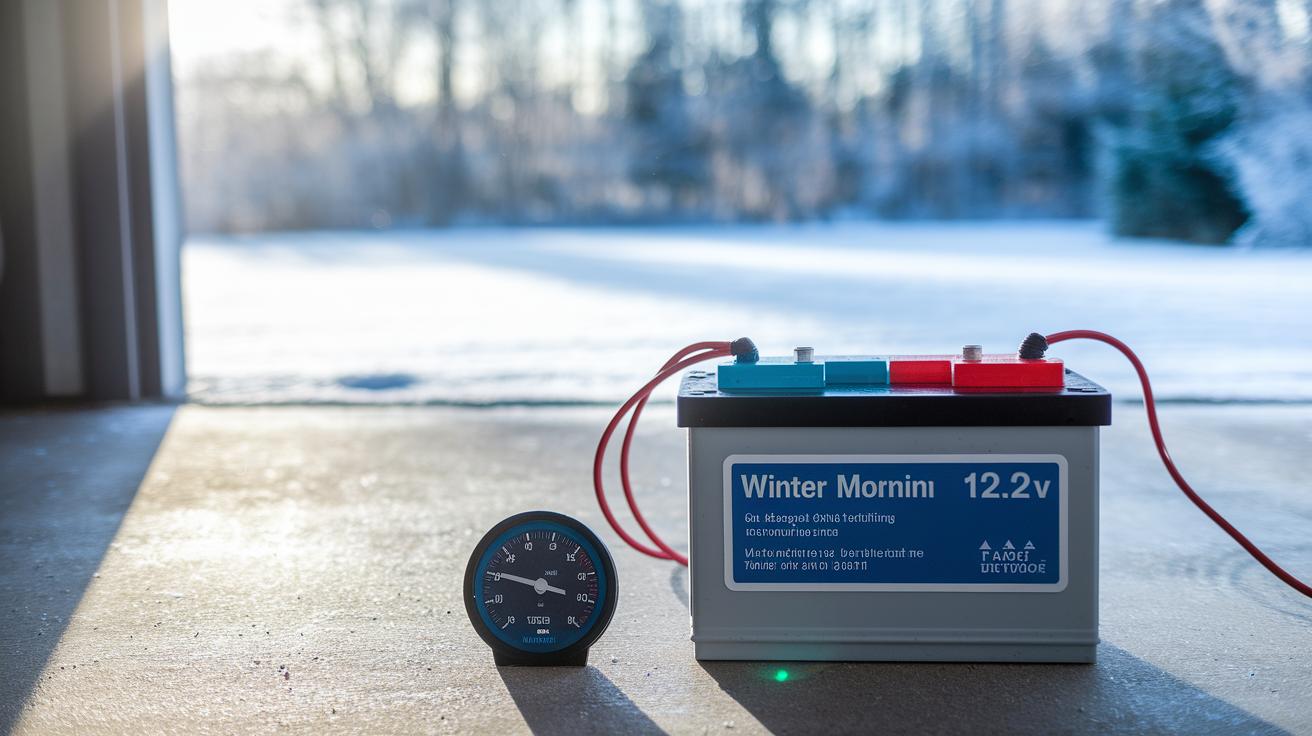
Getting your car ready for frosty days is a must for safe winter driving. Let’s start with your battery. When it gets cold, a battery can lose almost half of its power. I remember one chilly morning when I checked mine and it read only 12.2 V. If it drops below 12.4 V, it’s a good idea to replace it.
Next up, check your tires. When the temperature falls below 45°F, swap out your regular tires for winter ones. These winter tires give you about 25 to 40 percent better grip than regular tires. Also, keep an eye on the tire pressure because for every 10°F drop, you could lose 1 or 2 PSI. A quick monthly check can help you stay safe on icy roads.
And don’t forget the windshield washer fluid! Use a formula that works down to -20°F. This special fluid will help clear away frost and keep your windshield clear, so you can always see where you're driving.
By doing these simple checks, you can keep your car running smoothly and safely even when the weather gets tough. Enjoy your winter journeys with peace of mind!
Winter Driving Frosty Commute Preparation: Emergency Kits and Roadside Assistance

Staying safe on winter drives starts with a little planning. Before you set out, put together a kit for cold-weather emergencies. You might want to pack warm blankets, snacks that don't spoil, some water, a trusty flashlight, a shovel, tow straps, and basic first-aid supplies. Imagine being on a snowy road with everything right at hand – it really makes a difference.
It doesn't hurt to check the weather and traffic about one or two hours before you leave. It’s a bit like checking the forecast before you pick out your clothes in the morning. This simple step can help you avoid a storm and save you from unexpected stress.
Did you know that during strong blizzards, AAA sees a huge jump of 150% in calls for fuel and jump-starts? Having a roadside assistance plan can shave off about 30% of your wait time when you really need help. Plus, a bit of seasonal maintenance – like checking that your winter tires are properly inflated – is a smart strategy for safe winter motoring.
- Blankets
- Nonperishable snacks
- Water
- Flashlight
- Shovel
- Tow straps
- First-aid supplies
Winter Driving Techniques for Icy Roads: Braking, Steering, and Speed Control

When you're driving on packed snow or ice, try using threshold braking or your car’s ABS (a system that prevents your wheels from locking up). Picture gently pressing the brake just before your wheels might skid, that extra moment of control can keep you safe when every second counts.
Another must-remember tip is to control your speed. Keep your pace well below what you normally drive in clear conditions, about half, or even less. Think of it like walking carefully on a slippery floor; moving slowly gives you plenty of time to react if things change suddenly.
Using proper winter tires is essential too. These tires stay soft even when it's below 45°F, which means they grip the road better on slick surfaces. It’s like having a trusted friend on a tricky path, they help you stay steady when the roads lose their grip.
If your car ever starts to slide, gently steer in the same direction as the skid. It’s similar to how you might steer a bike to keep your balance on a bump. This smooth counter-steering helps correct the slide without any sudden moves.
By combining firm, careful braking, slowing down your speed, choosing the right tires, and smart steering adjustments, you can handle icy roads with more confidence. Stay safe out there and enjoy the winter journey!
Winter Driving Visibility and Weather Awareness: Handling Whiteouts and Black Ice
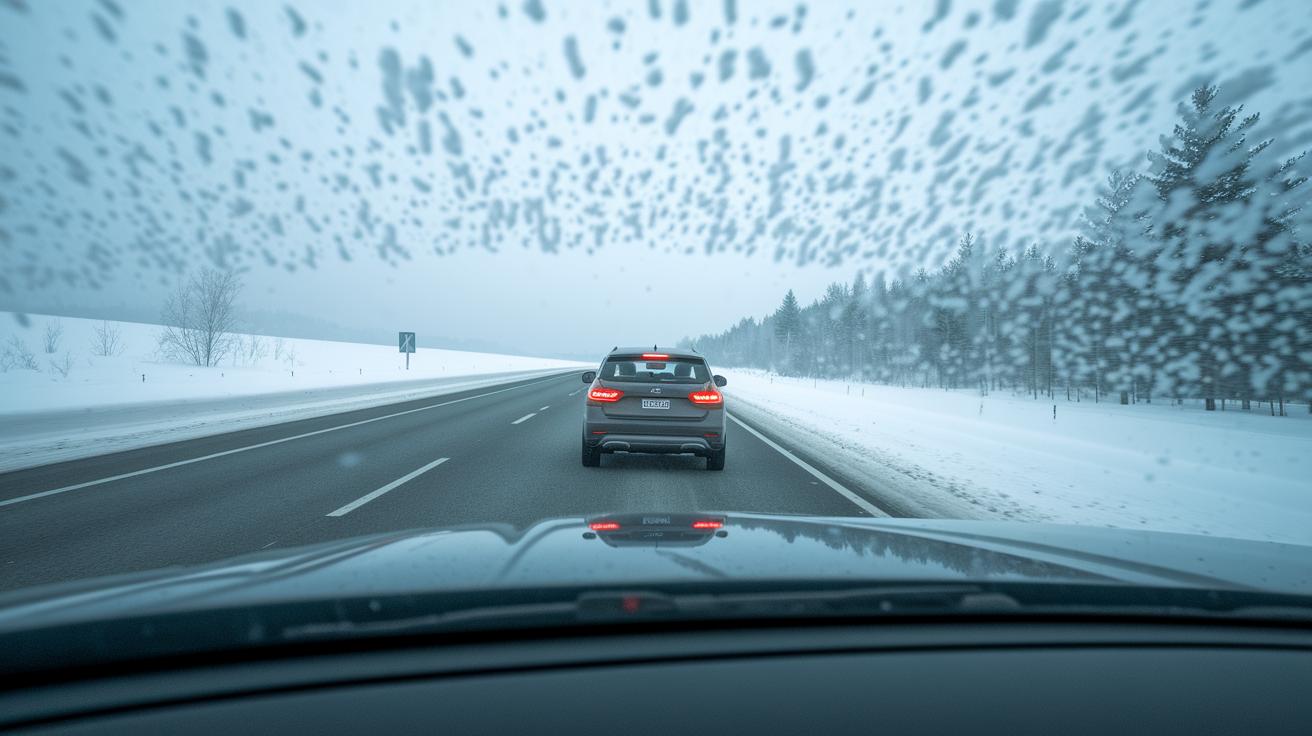
When winter storms roll in, your ability to see ahead really drops. Whiteouts can shrink your view to less than 100 feet, so if you find yourself seeing only about 200 feet or less, it’s a good idea to pull over in a safe area and wait it out. It feels a bit like giving yourself some extra time to get ready for unexpected turns.
Black ice is another stealthy danger on icy roads. Nearly 20% of winter crashes happen because of these hidden patches. They can look shiny and almost see-through on the road. If you think you’re driving on black ice, try gently easing off your brakes to feel out the surface for extra slickness.
Keeping your windshield clear is super important. Every 10 minutes, give your defroster a quick reset to keep your view free from frost and buildup, and make sure your wiper blades are made for winter weather so they don’t freeze. Low-beam headlights are a smart choice too, they help reduce snow glare by 30%, which means you can see much better when fog rolls in or snow is falling lightly.
A little extra attention to your lights and defrost routine can really change how safe you feel on snowy roads. When you stick to a steady habit of defrosting and checking for icy spots, you’re better prepared for any surprises winter might throw your way. Simple tricks like these help make every drive a bit safer during the chilly season.
Advanced Winter Driving Scenarios: Blizzard Commuting and Snowplow Navigation
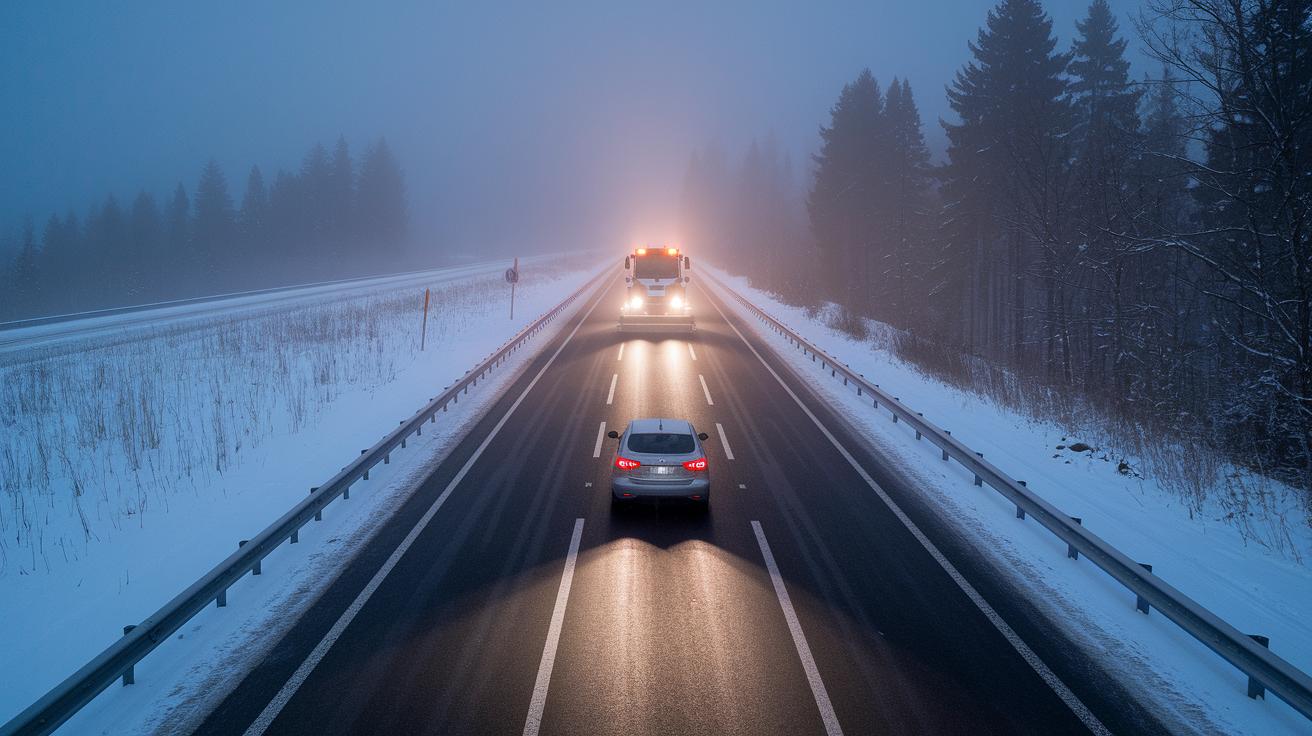
When heavy snowfall hits, slowing down to about 5–10 mph isn’t just a suggestion, it can really save you trouble. Picture yourself slowly inching along like you’re stepping on a sheet of ice; every little move counts. It’s all about keeping calm and steady, even when the roads feel like they’re playing tricks on you.
A handy tip is to keep a safe gap behind snowplows. Try to stay around 300 to 500 feet behind them. Think of it like following a friend who’s carefully clearing your path, you want enough space to react without feeling rushed, so you don’t end up in a tight spot.
When things get a bit extra slippery, winter chains can really help. Using the right chains gives you about 50% more grip on packed snow. Always give yours a quick check to make sure they’re snug and lined up correctly before you head out; it’s like double-checking your shoelaces before a long walk.
It also helps to practice skid drills. Drivers who’ve rehearse handling slides on ice often react about 40% faster when the real situation hits. It’s much like practicing a dance move until it feels natural. And don’t forget your winter tires, they stay soft below 45°F, giving you better grip when the road turns icy.
Lastly, always pack a cold-weather emergency kit with the basics. That kit, along with smart winter driving tips, can really turn a tough commute into a safer, more manageable drive.
Final Words
In the action of mastering winter conditions, we walked through safe winter motoring strategies, seasonal vehicle checks, and emergency kit essentials. We highlighted winter driving techniques, including balancing speed and grip on slippery roads, while managing low-visibility challenges on whiteouts and icy patches.
These winter driving safety tips, backed by reliable statistics and practical advice, are designed to boost your confidence on snowy roads. Stay safe, keep a cautious pace, and enjoy every moment on the road.
FAQ
What are 12 safety tips for winter driving?
The 12 safety tips for winter driving include slowing down, keeping extra distance, using proper winter tires, checking weather updates, and preparing an emergency kit to reduce risks on icy roads.
How can I access winter driving safety tips in various formats?
Winter driving safety resources in PDF, PowerPoint, Toolbox Talk, or video form provide concise guidelines for employees, commercial drivers, and truck operators, focusing on speed control, braking, tire use, and safe following distances.
What are the 3 P’s of winter driving?
The three P’s of winter driving stress planning ahead, practicing caution on slick roads, and proceeding wisely to help reduce the risk of accidents in cold, icy conditions.
What are the 5 C’s of safe driving?
The five C’s of safe driving emphasize staying in control, remaining alert, showing courtesy, keeping concentration, and complying with traffic rules for a secure driving experience.
How long should you wait to drive your car after starting it in the cold?
The waiting period after starting your car in cold weather is usually around 30 seconds to one minute to allow the engine to warm up slightly and perform better on icy roads.
What are the 3 C’s of driving?
The three C’s of driving highlight the need for control, caution, and courteous behavior, which are essential for preventing mishaps, especially when roads are treacherous during winter.