


Have you ever felt a burst of pride when gazing at an ancient monument or joining a lively local festival? It’s like a warm reminder that our past connects us all with treasured stories handed down over time.
Simple traditions, like the upbeat rhythm of local music or the graceful flow of traditional dance, give us a glimpse into our deep history. They let us feel the heartbeat of old memories and show how every part of the world carries a piece of our collective past.
Today, let’s explore how cultural heritage weaves people together, sparking pride all around the globe and linking communities from every corner of the earth.
Understanding the Cultural Heritage of Humanity

UNESCO tells us that cultural heritage isn’t just about old monuments or historic buildings, it also covers everyday traditions like storytelling, music, and dance. They see heritage as a mix of physical treasures and the living customs that define communities. Imagine a centuries-old castle that still whispers stories of the past while standing strong in today’s world.
Old buildings, temples, and historical centers are our tangible links to history. They are like solid markers that remind us of human achievements. On the other hand, local festivals, rituals, and street performances bring culture to life. Ever been swept up in a lively celebration where every song, dance, and smile feels like a piece of history? It’s truly special.
Heritage ties communities together and sparks curiosity among researchers. Historians and locals alike explore these artistic traditions to see how past stories influence today’s life. By cherishing both the lasting structures and the daily customs, we keep our shared human legacy alive for future generations.
UNESCO World Heritage Sites and Global Registry
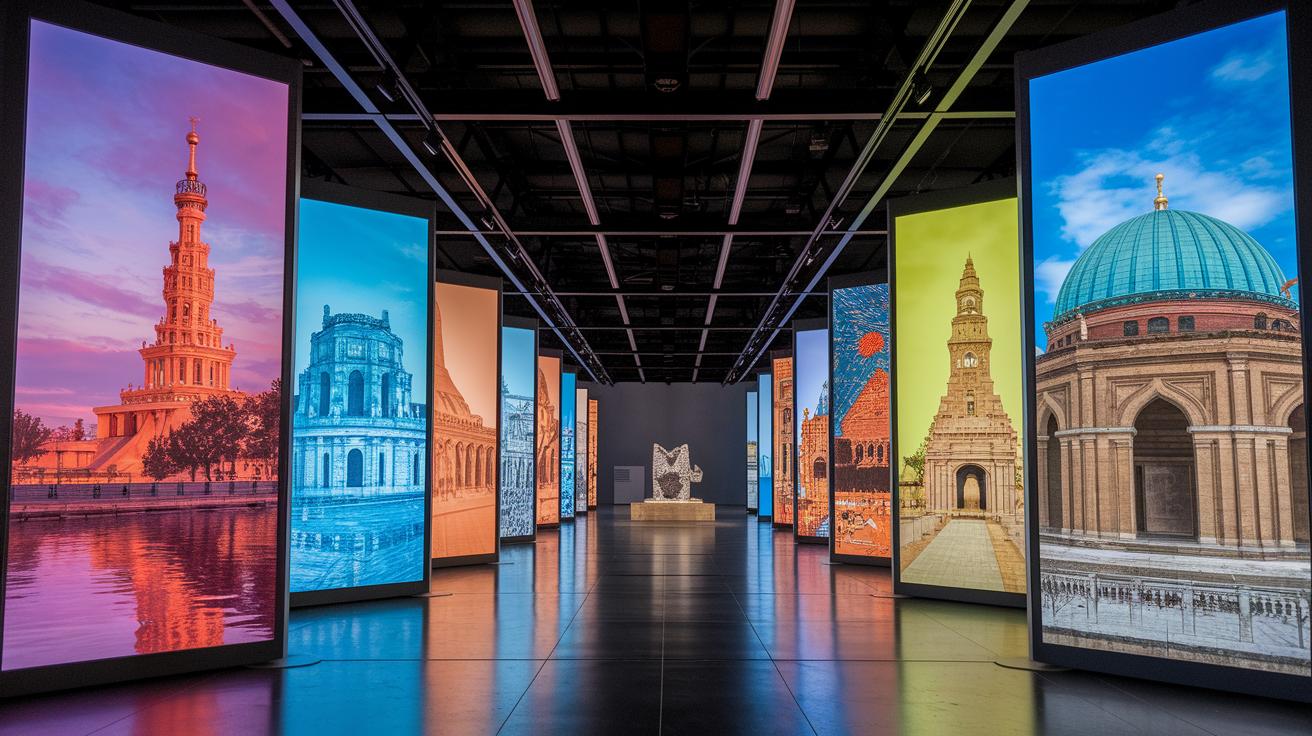
UNESCO's World Heritage List is a special worldwide guide that celebrates our planet's best cultural and natural treasures. By 2021, an impressive 1,121 sites in 167 countries have earned this honor. Each site tells its own story, blending colors, traditions, and history in a way you can truly feel.
This guide gives us a peek into the world’s art and history, showing off ancient wonders alongside lively traditions that continue to shape communities today.
| Region | Sites Inscribed |
|---|---|
| Europe & North America | 583 |
| Asia & Pacific | 258 |
| Latin America & Caribbean | 157 |
| Africa | 67 |
| Arab States | 56 |
Countries from around the world submit their candidate sites, and expert groups like ICOMOS and IUCN (organizations that help pick the best places) carefully review each nomination. They look at each location's history, culture, and natural beauty to make sure that only the true gems of human creativity and shared heritage get recognized and preserved.
Criteria for Inclusion on the Cultural Heritage of Humanity List

UNESCO carefully selects world treasures using a set of clear benchmarks. They look for sites that not only shine with artistic brilliance but also echo the unique traditions and values of local communities. It’s a bit like cherishing a secret family recipe, every step and ingredient carries its own story.
They consider things like:
- A true masterpiece of human creative genius
- A meaningful exchange of cultural values
- A unique glimpse into long-standing traditions
- A standout example of architectural charm
- A classic instance of traditional human settlement
- A close connection to local customs or events
When it comes to intangible heritage, think of old cooking methods or lively local festivals. These traditions are valued just like a cherished recipe passed down through generations. They show us that living culture, with its shared memories and practices, is as important as any ancient monument in shaping our global identity.
Iconic Cultural Heritage Sites Showcasing Humanity’s Legacy

UNESCO’s famous sites give us a peek into how art, creativity, and the spirit of different cultures have shaped our world. These places aren’t just about grand buildings or old stories, they’re like living museums where traditions still breathe life into local communities.
Angkor Wat
Angkor Wat in Cambodia, added to the list in 1992, shows off stunning Khmer temple style. Walk through its maze of carved stone and wide-open courtyards, and you feel like you’re stepping into a vivid tale of long-ago days. Every corner of this temple tells a part of the story passed down over time.
Pyramids of Giza
The Pyramids of Giza in Egypt, recognized since 1979, are a testament to ancient engineering and the deep beliefs about life after death. Built as grand tombs for pharaohs, they remind us how much people believed in an enduring legacy. It’s amazing to think that these mighty structures were created with so much heart and purpose.
Machu Picchu
Machu Picchu in Peru, added in 1983, shows off the cleverness and grit of the Inca people. Hidden high in the mountains, this ancient city blends seamlessly with its surroundings. Each terrace and pathway speaks of careful planning and a close bond with nature. It’s a magical reminder of how history and nature can come together to tell incredible stories.
Taken together, these landmarks are like a patchwork of human creativity and tradition, inspiring awe and curiosity. They connect age-old craftsmanship with today’s love for history, always encouraging us to explore the strength and beauty of our shared cultural heritage.
Preserving Intangible Cultural Heritage and Human Expressions

UNESCO's list highlights five special areas: oral traditions (stories like the ones told by West African griots), performing arts (think of Spain’s passionate flamenco), social practices and rituals (like India’s colorful Holi Festival), traditional knowledge and skills (for example, Japan’s careful Washoku cuisine), and crafts (such as the art of Cambodian silk weaving). These categories are all about how communities show who they are through everyday art and customs. Every item on the list comes with a plan made by local people to keep these traditions alive and well.
Imagine watching a street performance where a dancer’s graceful moves seem to whisper secrets from long ago, or listening to a storyteller share legends under a starlit sky. In Spain, flamenco isn’t just a show, it’s a deep, emotional connection to life and history. At India’s Holi Festival, bursts of color and shared rituals help everyone leave their differences behind and come together in pure celebration. Over in Japan, the detailed art of Washoku cooking shows how food changes with the seasons and mirrors nature itself. And in Cambodia, the delicate patterns of silk weaving carry memories and skills handed down over many generations.
Local communities are the heart of this cultural treasure. They host workshops, classes, and public events to bring these traditions to life for everyone, from young learners to lifelong locals. Regular meetings and hands-on sessions help keep a close eye on these practices, making sure that each unique art form stays true to its origins while continuing to evolve with the times.
Strategies and Policies for Cultural Legacy Conservation

Our shared cultural treasures are protected by rules and plans built up over many years. Around the globe, countries use international treaties, local laws, and hands-on restoration projects to keep these treasures safe. Think of these guidelines like a step-by-step recipe for caring for a beloved family heirloom, each detail helps preserve history for those who come after us.
International Conventions
The 1972 World Heritage Convention set the stage by safeguarding both human-made wonders and natural sites. Then in 2003, the Intangible Cultural Heritage Convention came along to protect living traditions that add color to everyday life. These agreements serve as clear instructions on what to save and how to do it well. Plus, national laws like Italy’s Codice dei Beni Culturali work hand-in-hand with these treaties, adding extra layers of protection. It’s like having a well-planned itinerary that local governments follow to ensure every cultural gem gets the care it deserves.
Notable Restoration Projects
Some restoration projects really bring these policies to life. Take the Sistine Chapel ceiling, for example, it was lovingly restored between 1980 and 1994 using techniques that honor the original art. And then there’s the ongoing effort at Petra since 1985, where experts use smart, innovative methods to stabilize ancient rock structures. These projects feel like giving new life to cherished stories, preserving them so that every visitor can experience a piece of history firsthand.
Community Involvement and Sustainable Management of Cultural Heritage

Community asset mapping is like gathering around a family table where everyone plays a part. In friendly, hands-on workshops, locals come together to pinpoint important spots and preserve lively traditions, almost like crafting a family tree of cherished stories. These sessions capture the essence of favorite landmarks and unique customs, ensuring that hidden treasures and long-held practices are passed down to future generations while boosting community pride.
Local heritage management is all about fresh ideas and teamwork. Community leaders and officials work side by side, using clever strategies like heritage trusts (a way to manage cultural treasures), shared decision-making, and partnerships between public and private groups. Together, they create flexible plans that honor what the community values most. It’s a joint effort where everyone feels responsible for nurturing traditions and building lasting trust.
Digital legacy archives are now our virtual treasure chests of history. By saving manuscripts, voice recordings, and timeless stories online, these archives let communities share their rich past with anyone, anywhere. Think of it as a digital museum, each scan, each recording, makes our personal and shared cultural experiences feel a bit more vivid and alive.
The role of younger generations is key in this journey. Youth programs pair wise elders with curious young learners through hands-on workshops and storytelling sessions. These engaging activities pass on traditional skills and family customs, creating a warm bridge between the past and the present. It’s truly heartwarming to see cultural practices carried forward, weaving everyone together in a shared mosaic of care and history.
Challenges and Future Directions for the Cultural Heritage of Humanity
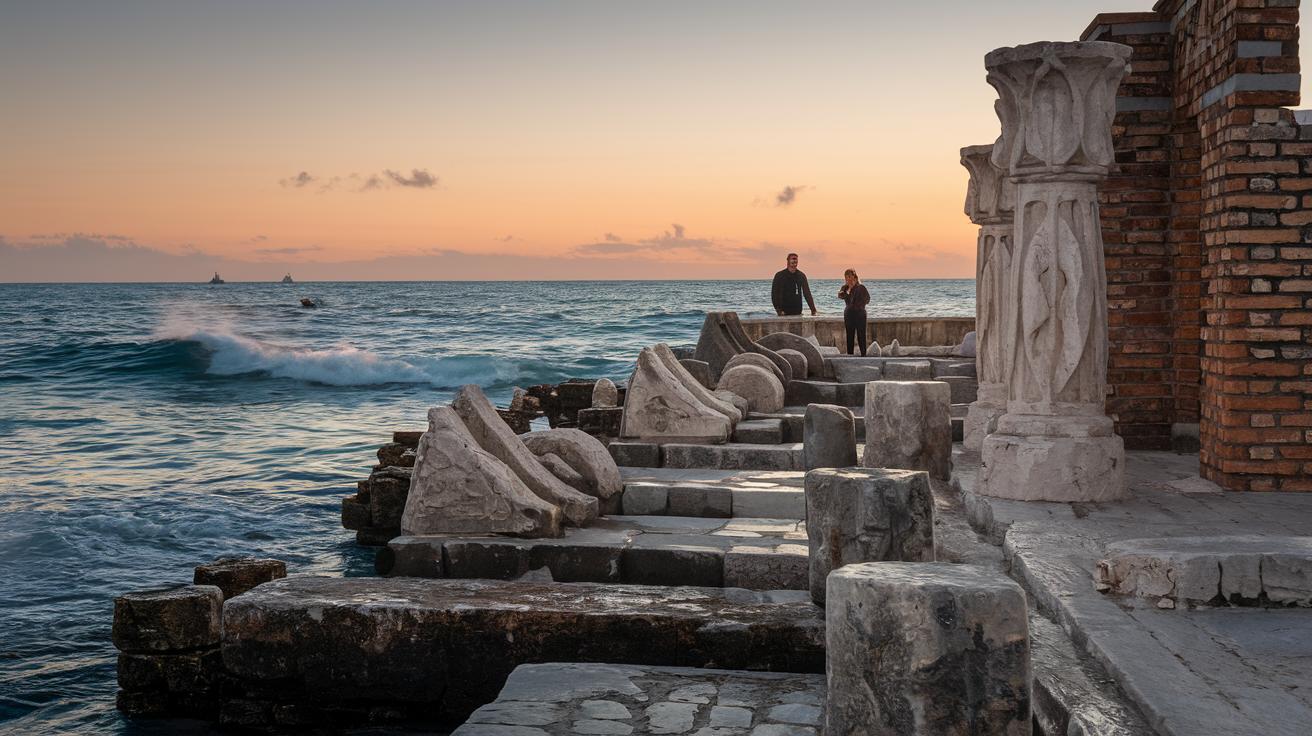
Overtourism really puts a strain on historic sites. Think about walking through Venice’s old center, so many visitors can wear away centuries-old stone and carvings. And if that wasn’t enough, climate change is adding more pressure, especially on coastal ruins. Rising sea levels and harsher weather mean that these precious landmarks might decay faster than ever before. Even the locals feel this impact, trying to juggle the upkeep of their history with everyday lives.
Artifact theft is another worry that chips away at our shared culture. When treasures end up far from their original home, it’s not just a loss of history, it hits the very heart of community identity. In answer to this, authorities are trying new ways to protect these sites, like setting visitor limits, using drones to monitor conditions, and building care models that involve local groups. Imagine planning a visit like checking items off a fun bucket list, all while respecting the layers of history each site holds.
Looking forward, new digital tools are changing how we connect with our heritage. Virtual reality tours and online preservation platforms let you explore ancient sites without adding extra foot traffic. This neat shift not only reduces the wear on these valuable places but also makes sure that everyone can experience our cultural treasures safely for years to come.
Final Words
In the action, this article took us through UNESCO's detailed views on tangible sites and living traditions, shedding light on how cultural policies and local input keep our shared past alive. We explored examples like Angkor Wat, Giza, and Machu Picchu, each adding to the dynamic story of the cultural heritage of humanity. Our discussion reminds us that every preserved landmark and ritual holds memories that connect communities, inspiring a bright future where these legacies continue to nurture our collective identity.
FAQ
Q: What does the UNESCO Intangible Cultural Heritage List include?
A: The UNESCO Intangible Cultural Heritage List includes living traditions such as oral storytelling, performing arts, and traditional culinary practices that help communities maintain their shared identity.
Q: What is the UNESCO Intangible Cultural Heritage Convention?
A: The UNESCO Intangible Cultural Heritage Convention is a treaty designed to safeguard living traditions and ensure that cultural practices are passed on to future generations through community participation.
Q: What are some examples of intangible heritage recognized by UNESCO?
A: Examples of intangible heritage include traditional music, ritual dances, oral traditions, and indigenous culinary customs that communities practice to keep their cultural memories alive.
Q: What does cultural heritage of humanity mean?
A: Cultural heritage of humanity refers to both physical landmarks and living cultural expressions that shape our global identity and record the creativity and history shared by communities around the world.
Q: How does UNESCO distinguish between tangible and intangible cultural heritage?
A: UNESCO separates tangible heritage as physical sites like monuments and buildings, while intangible heritage covers practices, languages, and rituals that live on in everyday community life.
Q: What does the UNESCO Cultural Heritage List encompass?
A: The UNESCO Cultural Heritage List encompasses sites and practices that hold historical, educational, and emotional significance, guiding efforts to protect legacies that define human creativity across the globe.