


Have you ever stopped to think about how old traditions shape our everyday lives all around the world? It’s like they mix with our modern routines to create surprising links that make us smile with pride. Picture the aroma of freshly baked bread, the energy of a lively dance, and the care that goes into making a perfect cup of tea. In this post, we share stories of cultural heritage that unite communities and remind us how every tradition adds a special touch to our shared journey.
Global Overview of Cultural Heritage Examples

In this section, we take a warm, friendly stroll through traditions that shape how people celebrate, work, and live all around the world. Imagine the inviting aroma of home-cooked meals and the captivating beats of local music, it’s all part of a rich tapestry that tells the story of a community. We explore customs that range from centuries-old rituals to everyday practices, showing how history and modern life blend together in unique ways. It’s fascinating to see how different cultures pass down their special ways of life, yet still share the same love for celebration and community.
- French baguette – a well-loved bread famous for its simple yet masterful craft.
- Chinese tea processes – traditional steps of making tea, where every move is filled with care.
- Korean masked dance dramas – lively shows featuring colorful masks and storytelling that bring festivals to life.
- Algerian folk songs – heartfelt tunes that capture the spirit and history of local communities.
- Singapore hawker centers – bustling food markets where you can taste local flavors and join in the everyday buzz.
- Congolese rumba – vibrant music and dance that perfectly reflect the energy of the people.
- Kun Qu opera from China – a traditional stage art, filled with bright costumes and dramatic scenes.
- Lunar-based New Year celebrations – festive events guided by traditional calendars, marking a season of renewal.
- Malaysian Theatre Mek Malung – a regional performance that mixes singing, dancing, and dialogue in a very engaging way.
- Pottery making tradition of Vietnam’s Chăm people – a time-honored craft passed down through generations, keeping the art alive.
Exploring these traditions feels like uncovering little treasures from every corner of the globe. It reminds us that while customs might be different, the joy of sharing our heritage and history is something we all have in common.
UNESCO Recognition Narratives in Cultural Heritage Examples
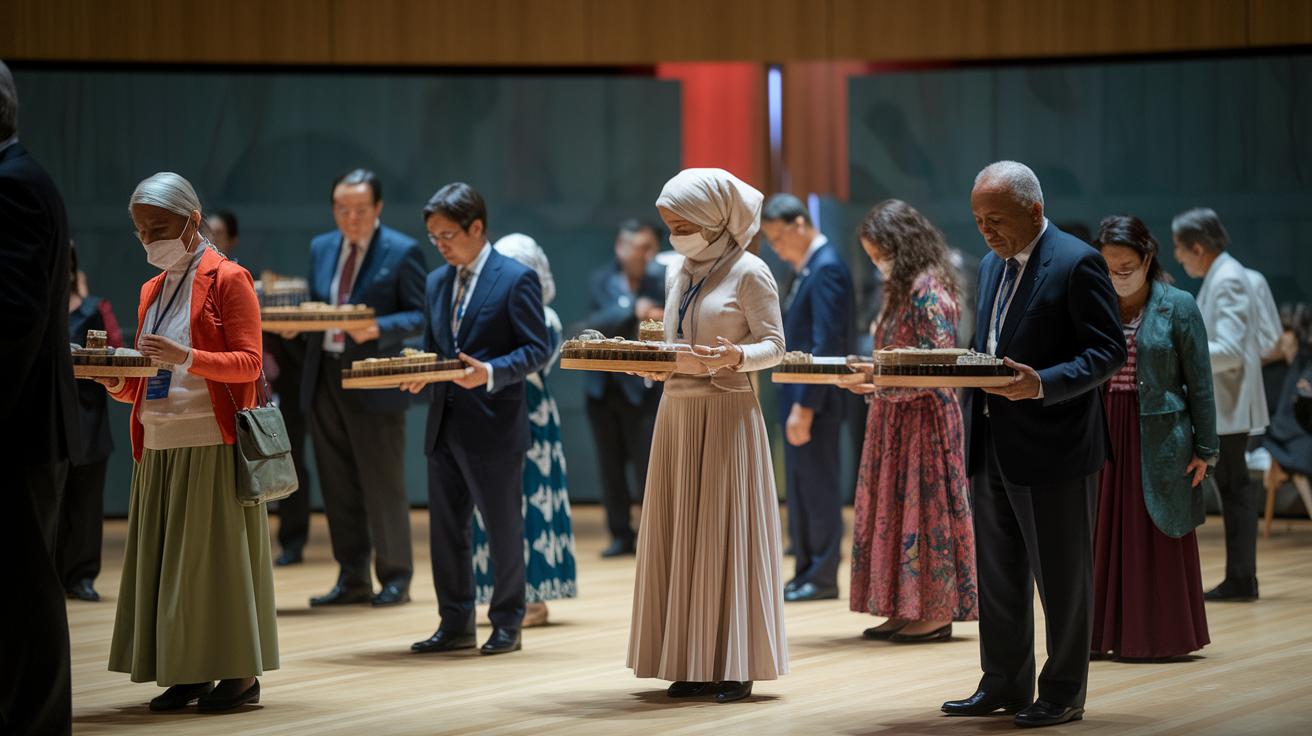
Since its start after World War II, UNESCO has worked hard to unite almost 200 countries. This group comes together to build peace and help in education, science, culture, and communication. They care deeply about preserving traditions, local crafts, and everyday customs that give communities their unique identity.
Experts review each site carefully with help from local community members, leaders, and cultural figures. They look at historic skills, long-held rituals (customs passed from one generation to the next), and special local practices. When a tradition makes it onto the UNESCO list, it gets extra attention around the world. This spotlight not only celebrates its cultural value but also pushes for laws and community-driven efforts to keep these practices alive.
This process invites countries to chat about how best to protect their shared cultural stories. It helps keep both physical treasures and live traditions thriving in today’s world. The result is a boost in local pride and a richer global understanding of why these customs matter so much.
Tangible Legacy Sites as Cultural Heritage Examples

Tangible heritage sites let history feel real. They are places where the past speaks to us through every stone and pathway. Imagine walking on cobblestone streets once trodden by ancient merchants, or pausing in front of a massive stone structure that has withstood the test of time. Here’s a fun fact: Machu Picchu, hidden high in the Andes, was built by the Inca and remained a secret for years until its rediscovery sparked wonder around its clever design. These sites give us a close-up look at how creative and resilient humans can be.
Step into the world of unforgettable landmarks that tell stories of ages gone by. In Peru, Machu Picchu reveals a carefully designed Incan city that beautifully blends with nature. Rome’s Historic Centre feels like a living museum, where ancient ruins mingle with the lively pulse of today’s streets. And then there’s the Great Wall of China, a grand structure that winds along vast landscapes, guarding the echoes of ancient borders. Each of these places does more than just show old architecture, they connect us to rich cultural memories and the timeless spirit of human achievement.
Intangible Customs Preservation in Cultural Heritage Examples
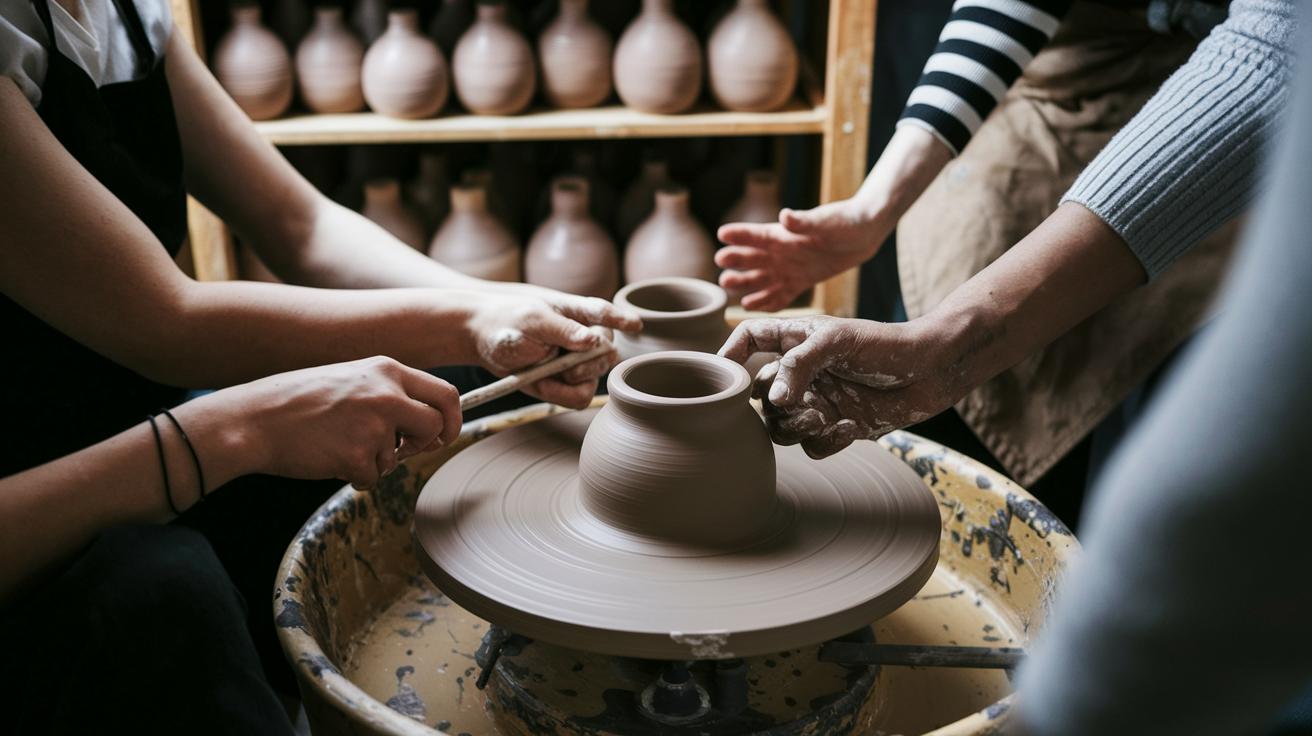
Intangible customs are the everyday practices that get passed down from one generation to the next. They keep history alive through heartfelt storytelling, hands-on crafts, and lively performance arts. These traditions capture the real essence of a community, even when there are no lasting physical objects to show for it.
For example, consider these traditions:
- Pottery making: The Chăm people in Vietnam have kept this craft alive for many years. In 2022, their work was celebrated as a cherished tradition.
- Oral storytelling: This is the time-honored practice of sharing legends and personal memories through the spoken word.
- Ritual ceremonies: These are the special events that mark important moments and life transitions within a community.
- Traditional music: The sounds of these melodies bring to life the history and experiences of the people.
- Folk dance: Through expressive movements, communities celebrate their customs and the simple joys of togetherness.
Preserving these customs presents both creative challenges and exciting opportunities. Local communities take on the role of both guardians and fresh innovators, keeping these traditions alive even as modern influences and limited resources come into play. New methods, such as digital recording and community-led workshops, help to stay true to the original spirit while inviting new ideas. This blend of modern techniques and time-honored practices ensures that these living customs remain vibrant and meaningful for future generations.
Regional Folk Tradition Examples of Cultural Heritage

Regional folk traditions bring a rich local flavor to a community’s heritage. These unique customs tell stories that you simply can’t find in a global overview.
Kun Qu opera
Originating in China and growing between the 1700s and 1900s, Kun Qu opera uses careful performance techniques and local dialects. In many villages, it blends with bustling festivals where performers wear intricate costumes and use well-rehearsed gestures to showcase timeless artistry. Fun fact: in some rural hamlets, a Kun Qu opera performance once signaled the start of the harvest, complete with symbolic movements and local tunes.
Traditional New Year celebrations
Different places celebrate New Year in their own special ways. In some areas, people honor their ancestors and enjoy foods that symbolize the change in seasons. Picture a village square alive with the sounds of traditional music and the inviting aromas of time-tested recipes, it’s a celebration that lifts the spirits and connects everyone with history.
Theatre Mek Malung
Hailing from Malaysia, Theatre Mek Malung offers a vibrant mix of singing, dancing, and dialogue, accompanied by the soft tones of a small oboe. In close-knit communities, this tradition is passed down through generations and adapted to local tastes. Imagine a cozy evening where families gather to enjoy a show that feels like a quiet conversation with old traditions, each performance a gentle reminder of the past.
In short, these examples show how local customs add special depth to cultural heritage, each evolving in its own unique setting. For more fascinating folk culture stories, check out our detailed analysis on folk culture examples.
Conservation Practices and Preservation Approaches for Cultural Heritage Examples
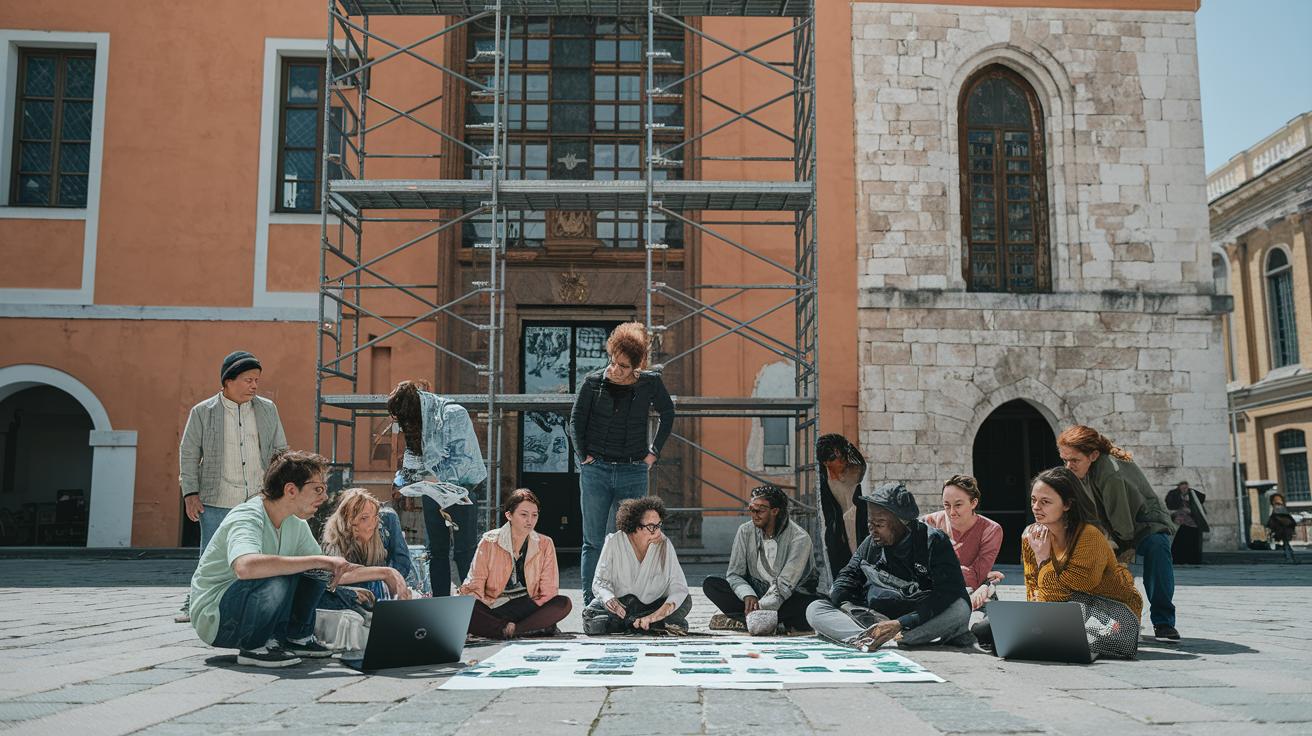
Community-driven projects, solid legal rules, and hands-on education make up the heart of preserving our cultural treasures. Local neighbors and groups join forces with government teams to protect beloved traditions and landmarks. This keeps age-old practices alive and sparks a sense of pride in the community.
There are some great examples that show how this works in real life. One project used digital archiving (storing valuable records on a computer) to capture rare objects and native stories, creating a special collection for schools and museums. Another team restored an old, historic site by mixing traditional repair methods with modern tech to check its health, keeping its original charm intact. A local program even brought back an annual cultural festival with fun, interactive exhibits and live storytelling. Each example shows that blending new technology with time-tested skills can successfully shield both physical relics and the spirit behind them.
Of course, challenges pop up along the way, limited funds, missing resources, and a need to catch up with digital trends. Still, the future looks bright with more teamwork among everyone involved and fresh, creative ways to keep our heritage alive.
Final Words
In the action, we explored a range of cultural heritage examples that capture tastes, sounds, and sights from across the globe. We touched on UNESCO items, tangible legacy sites, and cherished traditions that keep cultural customs alive.
Each section served as a window into the beauty and detail of our world’s diverse practices. The discussion leaves us with hope and a reminder that every hidden gem offers a personal experience waiting to be enjoyed. Here’s to more memorable travel moments and authentic local insights!
FAQ
What are examples of cultural heritage in the world?
The examples of cultural heritage in the world feature items like French bread techniques, Chinese tea methods, Korean mask dances, and traditional New Year celebrations that preserve local customs and artistic expressions.
What are the three types of cultural heritage?
The three types of cultural heritage include tangible sites such as historic buildings, intangible practices like folk music, and mixed heritage that blend physical elements with living traditions.
Why is cultural heritage important?
The importance of cultural heritage lies in its role to preserve unique traditions, strengthen community bonds, foster identity, and educate future generations about shared customs and historical influences.
What does a person’s cultural heritage mean?
A person’s cultural heritage means the traditions, family practices, and historical influences they inherit, which shape their identity and connect them with their community’s customs.
What are natural heritage examples within cultural heritage?
The natural heritage examples in cultural heritage include landscapes and historic sites that embody community identity and cultural traditions, blending physical beauty with social significance.
What are 10 culture examples?
Ten culture examples include French bread, Chinese tea processes, Korean mask dances, Algerian folk songs, Singapore food centers, Congolese music, Kun Qu opera, lunar New Year events, Malaysian theatre, and Chăm pottery traditions.
What is a cultural heritage essay?
A cultural heritage essay is a written piece that explores traditional customs, historical influences, and the value of preserving both physical sites and living practices in a given culture.
What is a cultural heritage PDF?
A cultural heritage PDF is a digital document that compiles definitions, examples, and discussions of heritage topics, making it a handy resource for educational and preservation efforts.