


Ever thought a relaxed trip to Southeast Asia might give you a fresh outlook on travel? This guide shows you simple steps to create a trip that fits your pace, whether you have a quick visit in two countries or a longer journey in three, like Thailand, Vietnam, and Cambodia.
Imagine a plan that blends time to explore local spots with moments to work on the go (that means handling your tasks while traveling), all while keeping your budget smart. Picture yourself sitting in a busy café, enjoying the aroma of fresh coffee as you plan your next stop.
Isn’t it exciting to know that joy and adventure wait in this welcoming part of the world? Let your curiosity lead the way and get ready for an unforgettable adventure.
Key Steps for Planning Your Southeast Asia Travel
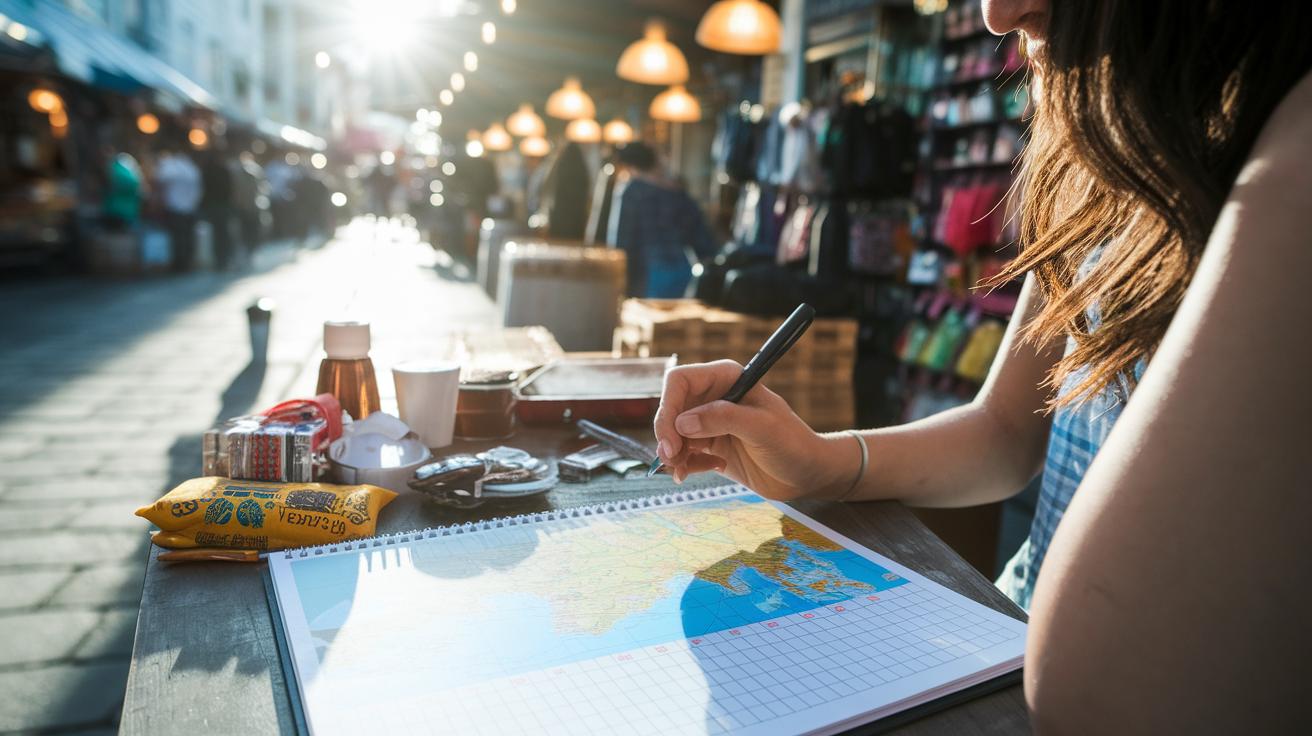
When planning your adventure in Southeast Asia, think about how long you want to explore and what pace feels right for you. You might be eager to see the famous landmarks one day and then slow down to enjoy local life the next. For example, a one-month trip lets you sample two countries, like splitting time between Thailand and Vietnam or Vietnam and Cambodia, while a three-month journey gives you the space to soak in the rich cultures of Thailand, Vietnam, and Cambodia. And if you’re lucky enough to have six months, you can double your time in each country and even mix in some remote work, letting business join the pleasure.
Did you know? Many travelers only scratch the surface with short trips before discovering the true charm of Southeast Asia.
- One-month option: Great if you want a quick taste of two countries with a blend of bustling city vibes and laid-back moments.
- Three-month deep dive: Perfect for those who love to wander off the beaten path and uncover local secrets in Thailand, Vietnam, and Cambodia.
- Six-month extended adventure: Ideal if you plan to work remotely while diving deeper into the culture, giving you plenty of flexibility.
When it comes to budgeting, keep in mind that round-trip economy flights usually run between $750 and $1,000 if you book during off-peak times. On the other hand, regional flights can cost between $300 and $600. Don’t forget to include local transit expenses, and consider checking out custom travel itineraries (that’s a fancy way of saying personalized travel plans) to fine-tune your schedule. This clear framework will help set the stage for a memorable and enriching journey through Southeast Asia.
Navigating Visa and Entry Requirements for Southeast Asia Travel

When you plan a trip to Southeast Asia, let’s chat about visas. Each country has its own rules, so it’s smart to check your options before you pack your bags. You might get a visa on arrival or use an e-visa (an electronic travel pass), depending on where you're coming from and your travel goals.
Many countries issue regular tourist visas for a short, relaxing stay and even offer special permits for backpackers or remote workers. I recommend looking up the details early on because a few places now have unique visas for digital nomads wanting an extended stay. Even though a visa might seem like a tiny detail, having your paperwork sorted ahead of time really smooths out your journey.
Now, here’s a fun fact to note: Thailand has a five-year Destination Thailand Visa made just for remote workers. Meanwhile, Indonesia presents a one-year E33G Remote Worker Visa. These options make things easier if you plan on a long visit or need a little extra time to work while traveling. Whether you’re aiming for a standard tourist visa or something job-related, it pays to gather your documents and follow each country’s guidelines ahead of time. This careful planning can kickstart a stress-free and exciting adventure through Southeast Asia.
Seasonal Planning for Your Southeast Asia Travel

Traveling around Southeast Asia can feel completely different depending on when you visit. Imagine catching sun-drenched beaches or strolling through lively festivals, each season brings its own charm. Cooler and dry days often mean clear skies for sightseeing, while rainy spells transform the land into a lush, green canvas with fewer crowds. Each weather pattern offers a unique adventure for every traveler.
| Country | Best Travel Period | Notes |
|---|---|---|
| Thailand | Nov-Apr | Wet season mid-May–mid-October |
| Philippines | Nov-Apr | Dry season with peak from Dec-Feb |
| Vietnam | Year-round | Accessible across the seasons |
| Cambodia | Nov-Apr | Warm year-round with brief wet months May–Oct |
| Bali | May-Sep | Dry season with May–Jul as peak months |
| Laos | Oct-Apr | Ideal with Bun Pi Mai festival in Apr |
For most travelers, November through April are the best months to explore the region. Beach lovers can bask under warm skies in the Philippines or Bali, while those who love culture might catch a vibrant local festival in Laos during April. And for anyone dreaming of jungle treks, the cooler, drier months make the outdoors extra inviting, perfect for biking, hiking, or simply soaking in nature’s beauty. Simply put, knowing when to visit lets you tap right into the magic each destination has to offer.
Managing Budget and Costs in Southeast Asia Travel

When you set off for Southeast Asia, the first things to consider are how you'll get around and where you'll rest. These details are like the sturdy base of your adventure, making sure you travel smart without missing out on the fun.
Flights can set you back between $750 and $1,000 for a round trip if you book during those quieter times. And if you’re hopping on shorter, regional flights, you might only spend about $300 to $600. On the ground, a simple bus ride might cost as little as $0.25, while in bustling spots like Bangkok you can catch the Metro or Skytrain for around $0.50 to $1.50. Over in Phnom Penh, a bus ride can be as cheap as $0.40, which makes getting around feel even more like an insider secret.
When it comes to a place to sleep, hostels offer a friendly, budget-friendly option that runs roughly $6 to $12 a night. If you’d rather have a little more privacy, basic private rooms are often available for about $7 to $10. It’s a mix of choices that lets you keep your spending low while still enjoying a comfy place to sleep.
Daily costs for tasty meals and fun activities are just as easy on the wallet. Many travelers stick to a budget of around $100 a day if they plan a midrange trip, while a bit of luxury might bump that up closer to $200. The local street-food scene is a must-try, serving up delicious dishes for just $2 to $5 each. It’s like having a bite of the local flavor without feeling the pinch in your pocket.
By keeping an eye on your transport, lodging, and meal costs, you can soak in all the diverse wonders Southeast Asia has to offer, even leaving extra room in your budget for those spontaneous little adventures along the way.
Essential Safety, Health, and Insurance for Southeast Asia Travel
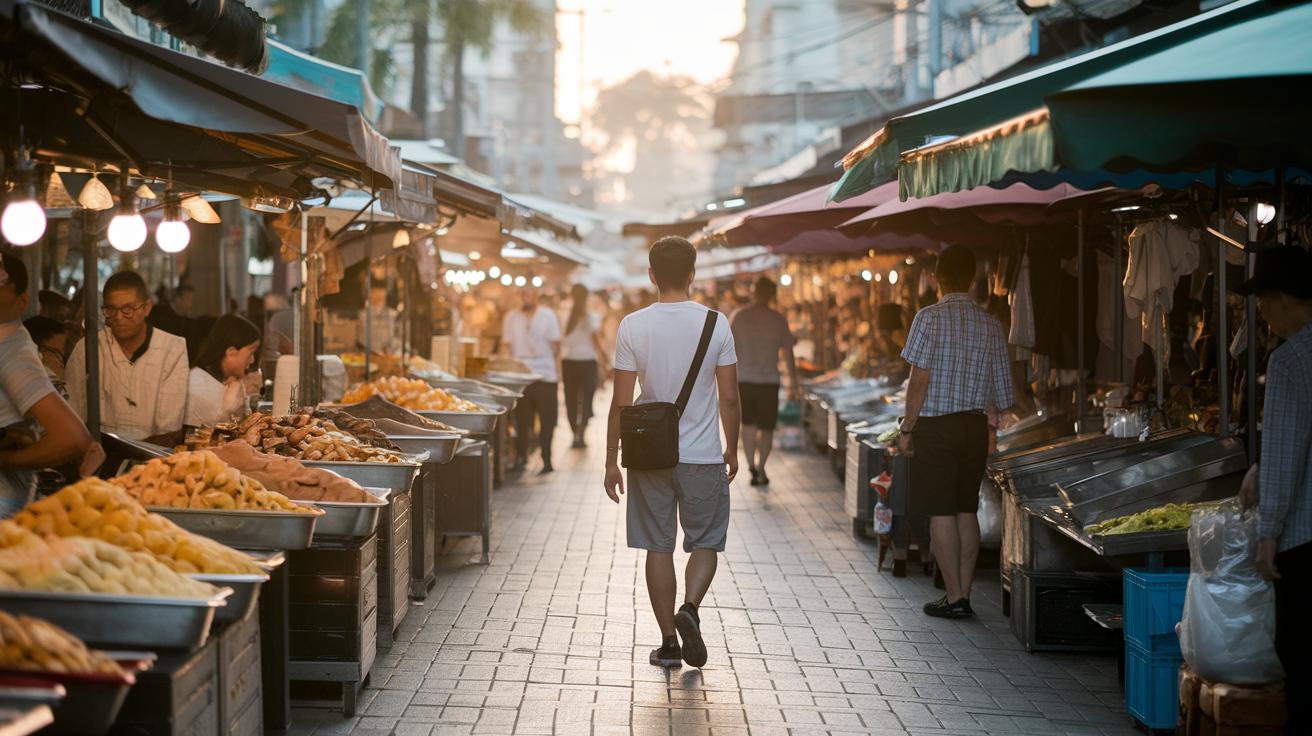
When you set out to explore Southeast Asia, staying safe and respecting local customs makes all the difference. Picture yourself strolling through bustling markets with the smell of fresh street food in the air. Using a secure bag and keeping an eye on your surroundings can help you avoid trouble. I once heard about a traveler who left their bag unzipped and learned the hard way why being alert matters. It’s also smart to dress properly at temples and learn a few local words, it shows respect and opens up friendly conversations.
Taking care of your health is part of the adventure too. Before you travel, have a chat with your doctor to update your vaccines and ask if you need shots like hepatitis or typhoid. Imagine enjoying a sunny day outdoors, using mosquito repellent and wearing light, long-sleeved clothes can keep dengue at bay. Plus, sticking with bottled water and safe ice helps you avoid any unwanted surprises.
Good travel insurance can be a real lifesaver. Look for a plan that takes care of medical emergencies, trip cancellations, and even unexpected costs from fun adventure activities. Think of lively events like Ko Phangan’s Full Moon Party, where the excitement can sometimes lead to mishaps. With the right coverage, any surprise becomes a small bump on your journey, letting you focus on the joy of exploring Southeast Asia.
Transportation and Transit Insights for Southeast Asia Travel

Traveling by land in Southeast Asia is an adventure all its own. Imagine hopping on Thailand’s 12-hour sleeper train, it’s a cozy way to cover long distances while you doze off and take in the moving landscapes. In Cambodia, expressway buses have sliced a six-hour trip down to merely two. And don’t overlook the local buses and taxis, where you can pay just a few dollars to get a taste of daily life.
Flying is another quick and comfy option here. Regional budget airlines offer great deals that let you zip between countries in no time. These flights are designed with both speed and flexibility in mind, reaching not just big cities but small, emerging towns too. It’s a smart way to stay connected while still enjoying a smooth ride.
If you’re dreaming of island adventures, sea travel might just be your best bet. Ferry services link you to a host of islands where serene beaches and laid-back retreats await. With regular departures and fair prices, ferries offer a relaxing change from urban hustle to peaceful coastal life.
Booking local transport might seem tricky at first, but there are plenty of easy ways to sort it out. Try comparing ride-hailing apps with the more traditional tuk-tuks, and check online or visit main stops for local bus times. Often, catching an early morning or late evening ride can even score you a discount. With this mix of choices, you can easily pick the best way to move on to your next exciting stop.
Top Must-See Destinations and Hidden Gems in Southeast Asia Travel

Southeast Asia mixes famous landmarks with secret spots waiting to be discovered. Picture yourself walking along soft white sands, listening to the gentle sound of ocean waves, and then exploring busy city streets packed with ancient temples and lively markets. It’s like starting your morning with a peaceful boat ride in Ha Long Bay (a scenic trip on water) where a day tour costs about $55 USD and a fun two-day cruise runs around $110 USD. Later, you can dive into the lively culture of Bangkok and see sights like the stately Grand Palace or feel the energy of Chatuchak Market, with a relaxed river tour on the Chao Phraya to add to the magic.
- Perhentian Islands (Malaysia): Enjoy sparkling, clear waters and quiet, relaxing beaches.
- Rabbit Island (Cambodia): Uncover a hidden getaway away from the usual tourist trails.
- Ko Lanta (Thailand): Savor calm shores mixed with the local charm.
- Boracay (Philippines): Delight in untouched beaches by day and a playful nightlife by night.
- Lombok (Indonesia): Explore stunning landscapes enriched with local culture.
Mixing popular attractions with off-the-beaten-path gems makes your trip feel rich and full of surprises. Take, for example, Cambodia’s Angkor Wat where you can grab a day pass for roughly $37 USD or stretch your adventure with a week pass for about $72 USD. At the same time, quieter spots let you see everyday local life up close. Whether you’re navigating bustling markets in Kuala Lumpur, with highlights like the iconic Petronas Towers, sacred Batu Caves, and even a Butterfly Park, or unwinding on a serene island retreat, this blend ensures every day is a new mini-adventure. It’s this mix that makes your Southeast Asia journey truly unforgettable.
Culinary Delights of Your Southeast Asia Travel

Street vendors and small local stalls serve up some of the region's most unforgettable flavors. In Singapore, you can grab a tasty pad Thai or a savory banh mi for just $2–5 per serving. Imagine savoring a perfectly spiced snack while watching the busy street life around you, the air is filled with the mouthwatering aroma of grilled meats and freshly steamed dumplings, making every bite a mini adventure.
Beyond the quick bites, many cities offer hands-on culinary experiences that let you dive right into the local food scene. Ever thought about joining a cooking class (a fun, step-by-step guide to making traditional meals) or exploring a bustling market with a guide? These activities, usually priced around $40–75 per person, hand you insider tips on dining customs and the best ways to enjoy local flavors, helping you truly soak up every delicious moment on your journey.
Cultural Immersion and Festival Experiences in Southeast Asia Travel
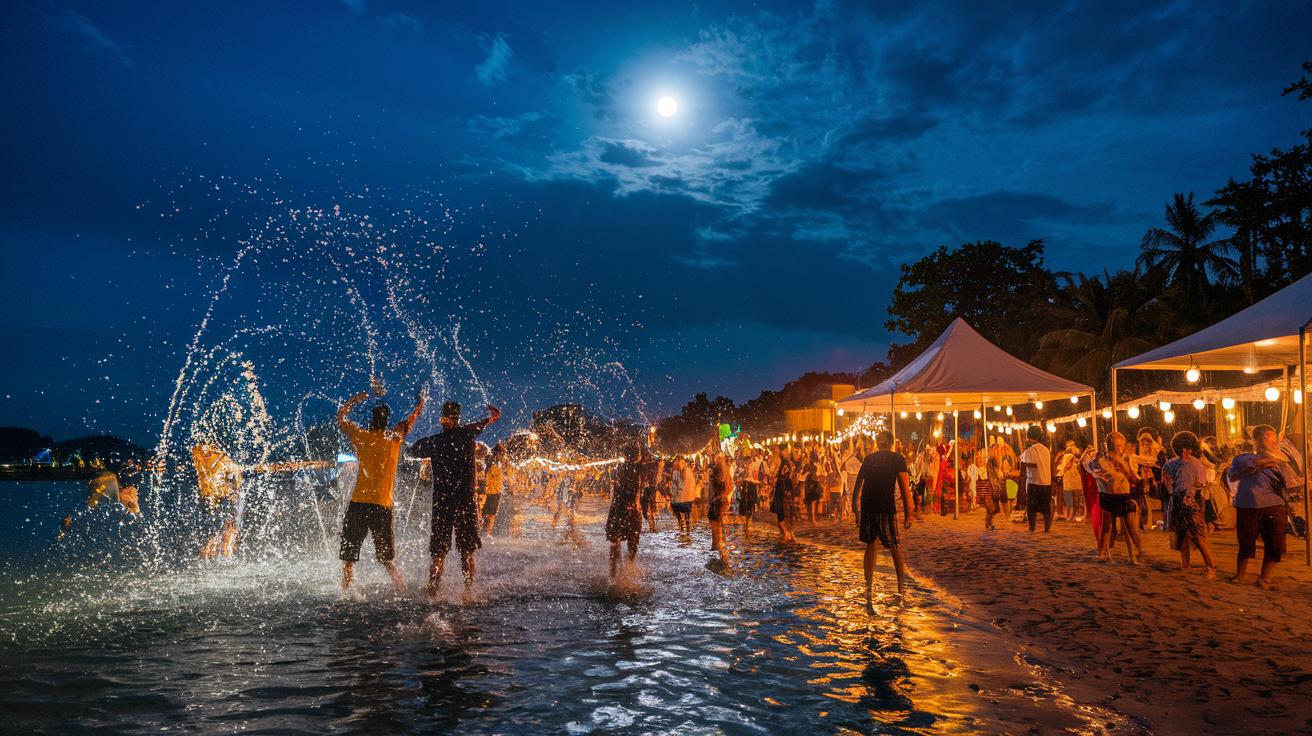
Southeast Asia comes alive during its vibrant festivals. Imagine joining in the Bun Pi Mai water festival in Laos, where everyone playfully splashes water to celebrate the new season. Or picture yourself dancing under a bright full moon at Thailand’s Full Moon Party on Ko Phangan, where thousands gather for a memorable night. These aren’t just parties, they are a peek into traditions that have warmed communities for generations. For instance, at Bun Pi Mai, families show respect for their ancestors by gently pouring water over special statues, linking past and present through laughter and shared moments.
When you visit sacred sites, it helps to follow local customs. The region is home to awe-inspiring Buddhist temples like Cambodia’s Bayon, famous for its 216 stone faces, and the atmospheric ruins of Ta Prohm, where nature has woven itself into ancient stones. Make sure you dress modestly by covering your shoulders and knees, and take a moment to be quiet or offer a small bow. These simple gestures help you connect with the spirit of the place and show respect for its heritage.
Knowing a few words in the local language can also make your trip extra special. A friendly "sawasdee" in Thai or "choum reap suor" in Khmer goes a long way, inviting warm smiles and helpful tips from local residents. These little interactions turn an ordinary visit into a true cultural exchange, inviting you to explore all the rich flavors of Southeast Asia.
Final Words
In the action, we explored how to create a smart plan from arranging flexible itineraries to understanding visa rules and seasonal trends. We also looked at managing budgets, securing safety tips, and sorting through transport options while highlighting must-see sites and local food treats.
Every section worked together to build a resource full of practical insights and vibrant local flavor. This comprehensive guide to Southeast Asia travel is your go-to companion for turning well-planned ideas into memorable experiences.
FAQ
What flexible itinerary options exist for traveling Southeast Asia for durations like 2 weeks, 1 month, 3 months, 4 months, or even 6 months?
The South East Asia travel route options range from quick 2-week or 1-month plans covering must-see spots to extended 3-, 4-, or 6-month itineraries that allow deeper exploration with flexible scheduling.
How do travel packages and guides enhance planning for Southeast Asia trips?
The Southeast Asia travel guide offers insider tips and route ideas, while travel packages bundle essentials like lodging and transport to simplify planning. For a personalized route, check out our Custom travel itineraries resource.