
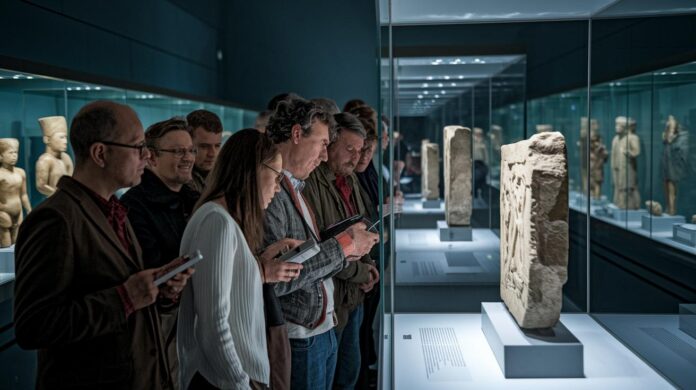

Have you ever paused to wonder if our history is slowly disappearing? I sometimes think about this, too. Keeping our cultural heritage alive is like passing along a favorite story from one generation to the next. Think of it as preserving those lively festivals, cherished customs, and old sites that shape who we are.
There are more than a thousand places around the world recognized by UNESCO, a reminder that our shared history is full of treasures worth saving. Each monument, event, or tradition carries a little magic that links us to the past.
So, why not join me in discovering how staying connected to our roots can inspire a future filled with meaning and togetherness? Let’s explore these timeless gems and find out how they keep our lives vibrant and full of stories.
Foundations of Cultural Heritage Preservation
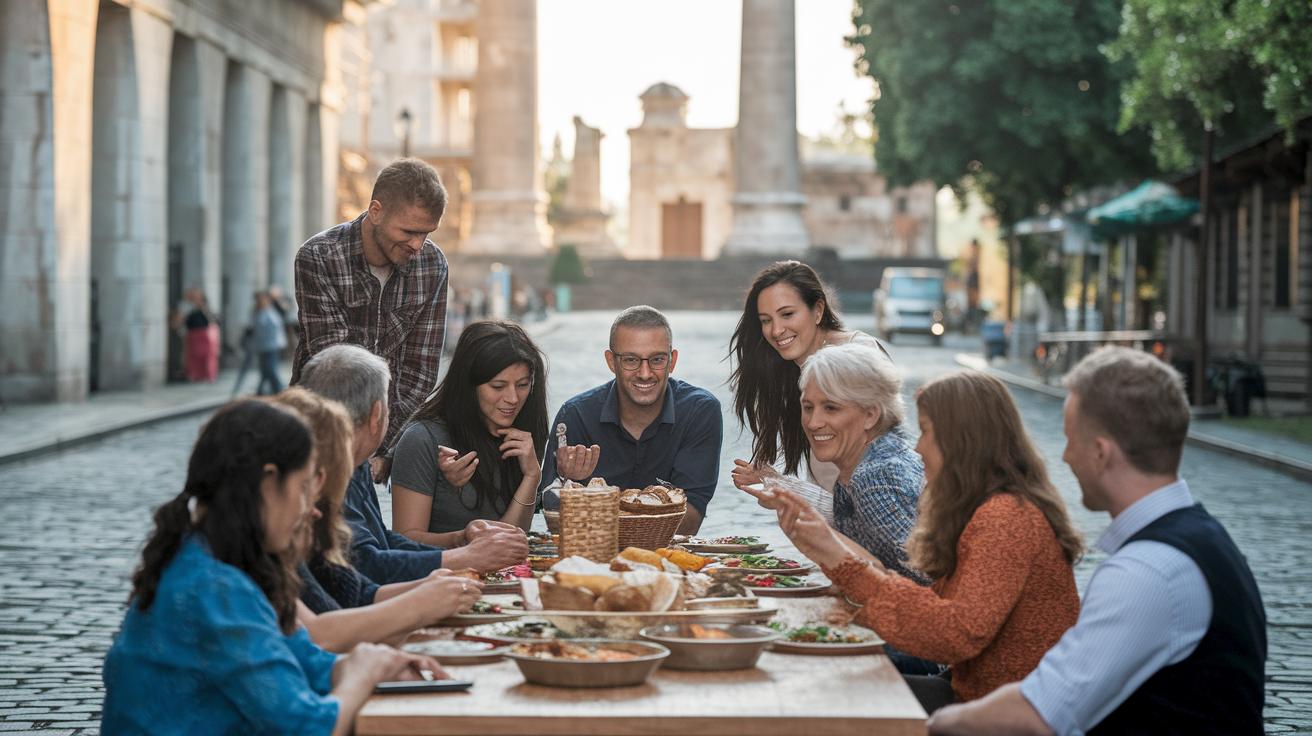
When you think about cultural heritage preservation, picture it as caring for both the visible treasures of our past, like grand monuments and ancient artifacts, and the lively traditions, languages, and rituals that fill everyday life. It’s like keeping memories alive, whether it’s the echo of an old festival or a well-worn family recipe, it all matters.
As of July 2023, UNESCO has counted 1,154 World Heritage Sites across the globe. Out of these, 897 celebrate cultural achievements, 218 honor nature’s beauty, and 39 blend both worlds. This shows just how committed the world is to keeping its history and traditions vibrant. If you’re curious to know more, check out this link on cultural heritage.
Next, there are key international agreements that guide how we care for these treasures. The 1972 UNESCO Convention asks countries to list, safeguard, and care for these important sites. Then there’s the 2003 Convention for the Safeguarding of the Intangible Cultural Heritage, which reminds us to record and pass on living traditions, think of a town festival where the air is filled with age-old music and stories. That blend of past and present keeps history alive in real-time.
These rules aren’t just paperwork; they help protect both lovingly built monuments and the heartfelt customs that make each community unique. Imagine strolling through a historic area where local crafts, songs, and stories are preserved together, each one whispering tales of days gone by. It’s this living mix of stone and story that forms the heart of cultural heritage preservation, inspiring future generations to savor and understand their roots.
Strategic Approaches in Heritage Conservation

Heritage conservation brings together many tools that work like a well-coordinated team. It uses legal rules, hands-on repairs, photo records, and local training sessions to help protect our cultural treasures. Think of it as a team where every piece, from formal laws to capturing memories in photos, plays a part in keeping our history alive for those who come next. For instance, while legal measures set the guidelines to safeguard sites, archival photos capture the unique charm of each place for everyone to enjoy and learn from.
| Strategy | Description | Example |
|---|---|---|
| Legal Protection Frameworks | Rules and laws, such as the U.S. National Historic Preservation Act of 1966, that set the stage to protect cultural spots. | Local governments making laws to list and keep historic landmarks safe. |
| Documentation Strategies | Recording details using old photographs and digital maps (GIS) to capture every angle of our heritage sites. | Building digital maps and photo collections that show every corner of a historic neighborhood. |
| Restoration Methods | Using modern science to repair and strengthen old buildings while keeping their original charm. | Repairing a century-old monument with today’s innovative techniques in a lab. |
| Capacity Building | Training and workshops, like those run by ICCROM, that help locals learn how to care for their history. | Community workshops that show local people how to maintain and look after historic buildings. |
Bringing these strategies together forms a strong and caring approach to saving our heritage. Each method supports the others, laws help guide careful repairs, detailed records support smart restoration, and local training builds a community that loves and understands its own history. This way, our cultural treasures remain cherished and encouraged to flourish, sharing their stories for years to come.
UNESCO and International Cultural Heritage Preservation Frameworks
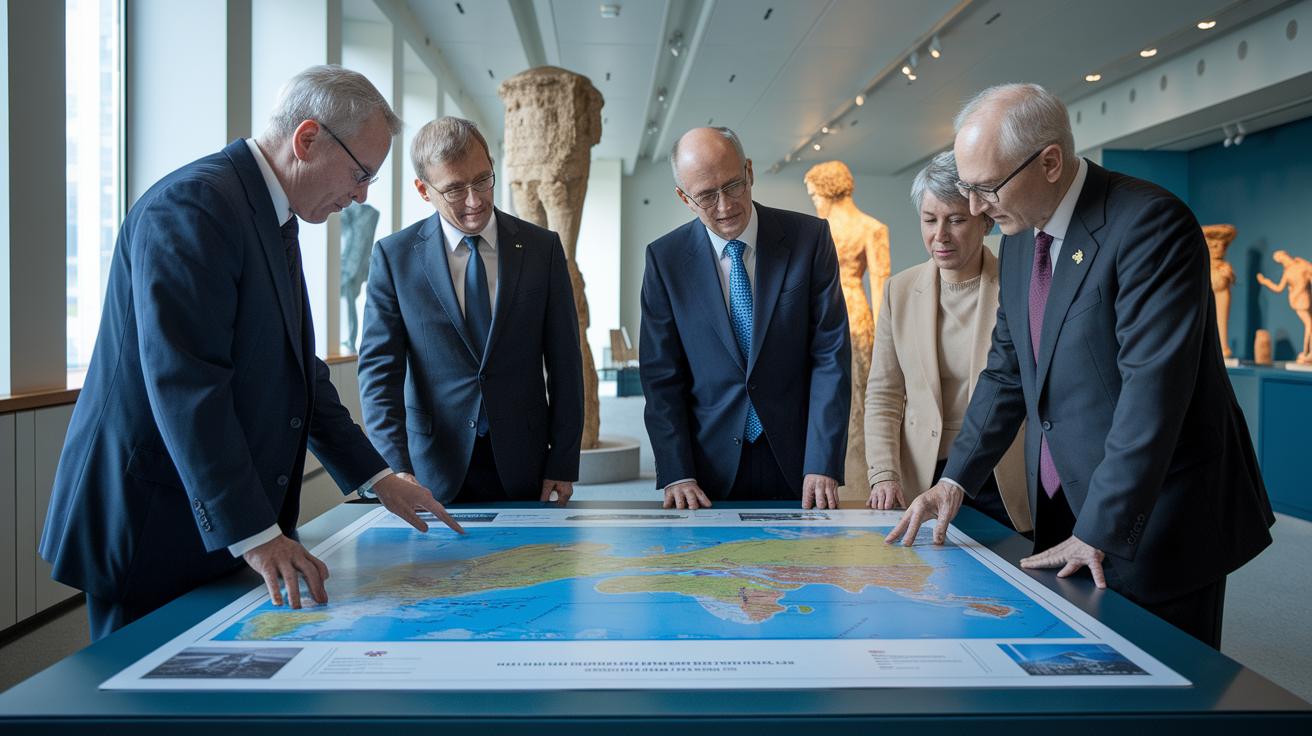
For decades, UNESCO has leaned on two key treaties, the 1972 World Heritage Convention and the 2003 Intangible Heritage Convention, to guide its work in protecting both buildings and living traditions (like dance, music, and festivals). The 2005 Operational Guidelines act like a friendly playbook, offering tips on how to care for these treasures, from managing daily upkeep to providing specific recommendations.
Every year, UNESCO dedicates around $10 million from its World Heritage Fund, and a special committee gets together to review which sites need extra attention. This careful mix of funding, hands-on oversight, and annual reviews makes sure our global cultural gems stay safe for future generations to enjoy, much like a well-coordinated team keeping a cherished tradition alive.
Community Involvement in Cultural Heritage Preservation
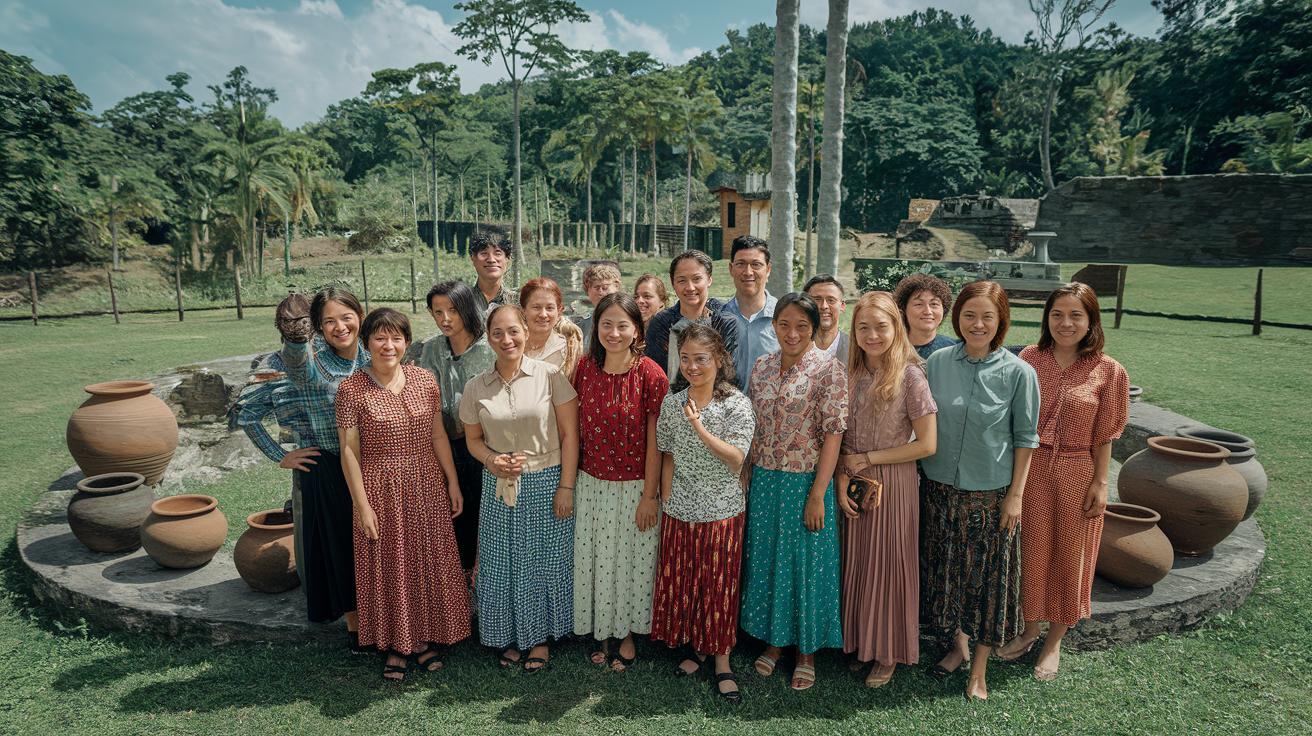
Local people are at the heart of keeping our cultural heritage alive. When a community comes together, their stories and memories help protect not only the old buildings and monuments but also the traditions that make a place feel special. UNESCO even requires that locals give their consent ahead of time, which means that community members have a real say in decisions that affect their heritage. Just think of the Māori-led restoration of Whakarongo Marae in New Zealand, where over 300 volunteers joined in, and in 2022, ICCROM with its partners trained 5,000 locals in caring for cultural sites.
| Method |
|---|
| Participatory mapping |
| Oral history workshops |
| Volunteer restoration days |
| Heritage education in schools |
| Local artisan support |
| Stakeholder advisory councils |
These techniques bring people together while keeping local traditions vibrant and true. You might join an oral history session to hear old stories, or spend a day restoring a piece of history with your own two hands. It’s also about supporting local artists who keep ancient crafts alive and setting up advisory groups so every voice is heard. Even school programs help kids appreciate the rich story of their community.
Working together in these ways builds trust and creates a strong plan for protecting both the physical and the lived heritage of a place. When locals are involved with genuine care and respect, the legacy of shared memories and traditions goes on for years to come.
Digital Techniques for Cultural Heritage Preservation

Digital tools are transforming how we protect our treasured relics from the past. Today, we see cool technologies like 3D scanning, GIS mapping (a fancy way to create digital maps), and VR make history feel right in front of our eyes. I recall how UNESCO and CyArk joined forces to 3D-scan 50 heritage sites by 2021, giving experts a super detailed look at our global treasures. Imagine wandering through a virtual temple or exploring an old market where every stone and carving is captured with amazing clarity, it really brings history to life.
On top of that, smart digital tools now include AI that checks the health of old structures and builds huge online digital libraries. By 2022, about 30% of major museums had started using AI systems to catch tiny signs of damage before they turn into expensive repairs. With digital archives now storing over 10,000 high-resolution scans of important artifacts, museums and history buffs can both study and enjoy the past like never before. It’s a new way to keep our shared history safe and inviting for everyone to explore.
Major Threats to Cultural Heritage Preservation
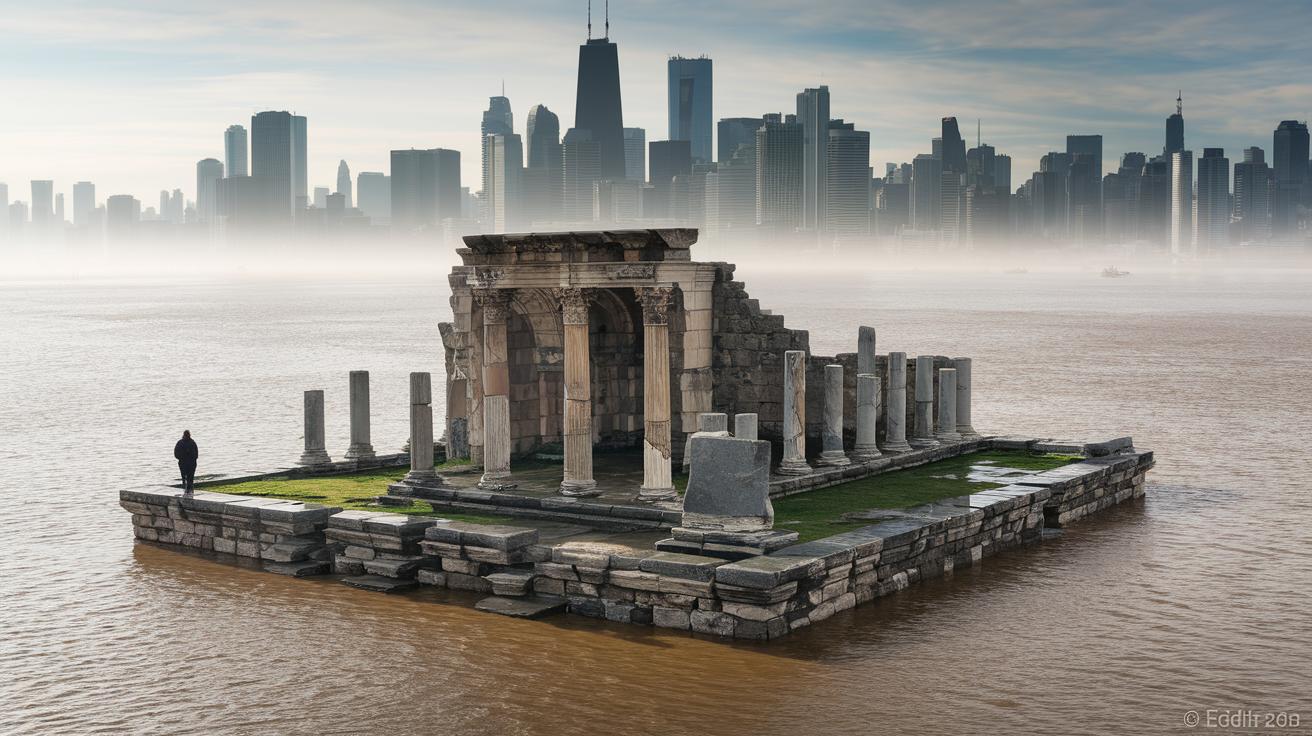
Our past is more at risk than ever. A UN report in 2022 revealed that by 2050, 75% of coastal sites could face dangers from climate change. Rising seas, heavy storms, and erosion are slowly nibbling away at ancient landmarks. Meanwhile, fast-growing cities have already swallowed up 20% of archaeological sites in developing regions over the last 30 years. Imagine a centuries-old building quietly disappearing as a modern city spreads around it.
Illegal trade is another big threat. Every year, about $10 billion flows into a black market that pulls rare artifacts from their true homes. This underground trade not only robs communities of their heritage, but it also weakens efforts to protect these treasures. With chronic underfunding, weather and neglect take their toll, leaving historic sites to fade away without proper care. Picture a timeworn statue slowly losing its shape because no one is there to care for it, a vivid reminder of what we risk losing if we don’t act now.
Final Words
In the action, we explored how tangible monuments and cherished traditions form the backbone of cultural heritage preservation. We looked at smart strategies, international frameworks, and community-led actions that protect our legacies, all reinforced by digital tools.
Every insight reminds us that keeping heritage alive is a shared responsibility. Holding onto these treasures lets us savor history while forging brighter tomorrows. Enjoy the process and take pride in preserving cultural heritage preservation for future generations.
FAQ
What is cultural heritage preservation?
Cultural heritage preservation refers to protecting both physical sites like monuments and artifacts, and traditions such as languages and customs, as recognized by tools like UNESCO’s listings.
What do UNESCO conventions require for heritage preservation?
UNESCO conventions require countries to inventory, protect, and report on both built heritage and living traditions, helping maintain the world’s cultural and natural legacy.
What strategic approaches help in heritage conservation?
Strategic approaches in heritage conservation involve legal protections, documentation methods like photography and mapping, science-driven restoration, and professional training for skills and maintenance.
How do UNESCO frameworks support international heritage preservation?
UNESCO frameworks guide global preservation through conventions, annual reviews, and funding, which help maintain sites and monitor those at risk from various pressures.
Why is community involvement important in cultural heritage preservation?
Community involvement improves heritage preservation by engaging local people in mapping, storytelling, volunteer work, educational programs, artisan support, and advisory roles.
How are digital techniques used for preserving cultural heritage?
Digital techniques such as 3D scanning, AI damage detection, and digital archives broaden access to heritage information, aiding in recording and monitoring precious sites and artifacts.
What are the major threats to cultural heritage preservation?
Major threats include climate risks, urban expansion destroying sites, illicit trade in artifacts, and funding shortages, all of which can lead to the deterioration of historical treasures.