
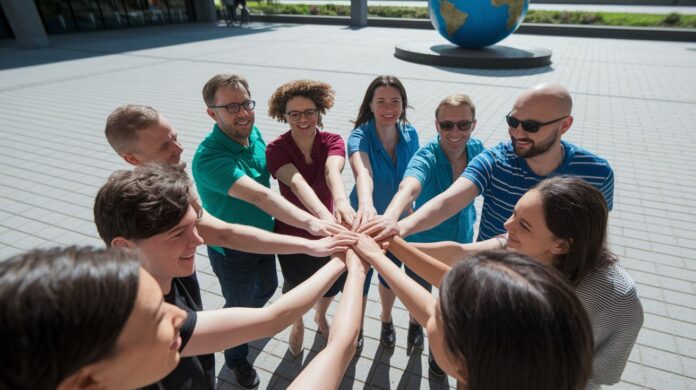

Ever wonder if treating different cultures with care can change our world? Imagine strolling through a bustling local market where the smell of fresh fruits and the sound of cheerful greetings fill the air. Every friendly chat teaches us about kindness and respect.
When we welcome others with warm smiles, simple greetings grow into lasting connections. It’s like building bridges between neighbors, each conversation helps communities feel stronger. By embracing our differences, we make spaces where every voice counts and each meeting leaves a memorable mark.
Foundations of Intercultural Awareness: Definition, Importance, and Core Principles
Ever notice how people live in different ways? Cultural sensitivity is all about recognizing those differences and showing respect for habits, beliefs, and customs that aren't like our own. Imagine trying a local dish for the first time and being surprised by a blend of spices that seems to whisper the story of its land. That's the magic of keeping an open mind.
At its simplest, being culturally sensitive means noticing and honoring ways of life that are new to you. It reminds us that no one culture is better than the next, our background is just part of a colorful tapestry. It helps to ask yourself, "How might my words or actions come across to someone from a different background?" This little moment of reflection can help steer clear of awkward encounters and build genuine bonds.
Knowing about cultural differences is one thing; really experiencing them is another. Whether you're in a busy healthcare setting where a kind gesture makes all the difference, or at a lively local event where every smile says something, that sensitivity plays a big role. Without it, our everyday encounters can turn uncomfortable and trust might slip away.
It’s also key to see the difference between cultural sensitivity and cultural competence. While sensitivity is about being aware of diversity, competence means putting that awareness into real action, like changing the way we interact or shaping policies that keep everyone feeling welcome and safe. Embracing our shared differences sets the stage for places where every voice is heard and truly valued.
cultural sensitivity sparks thriving global unity
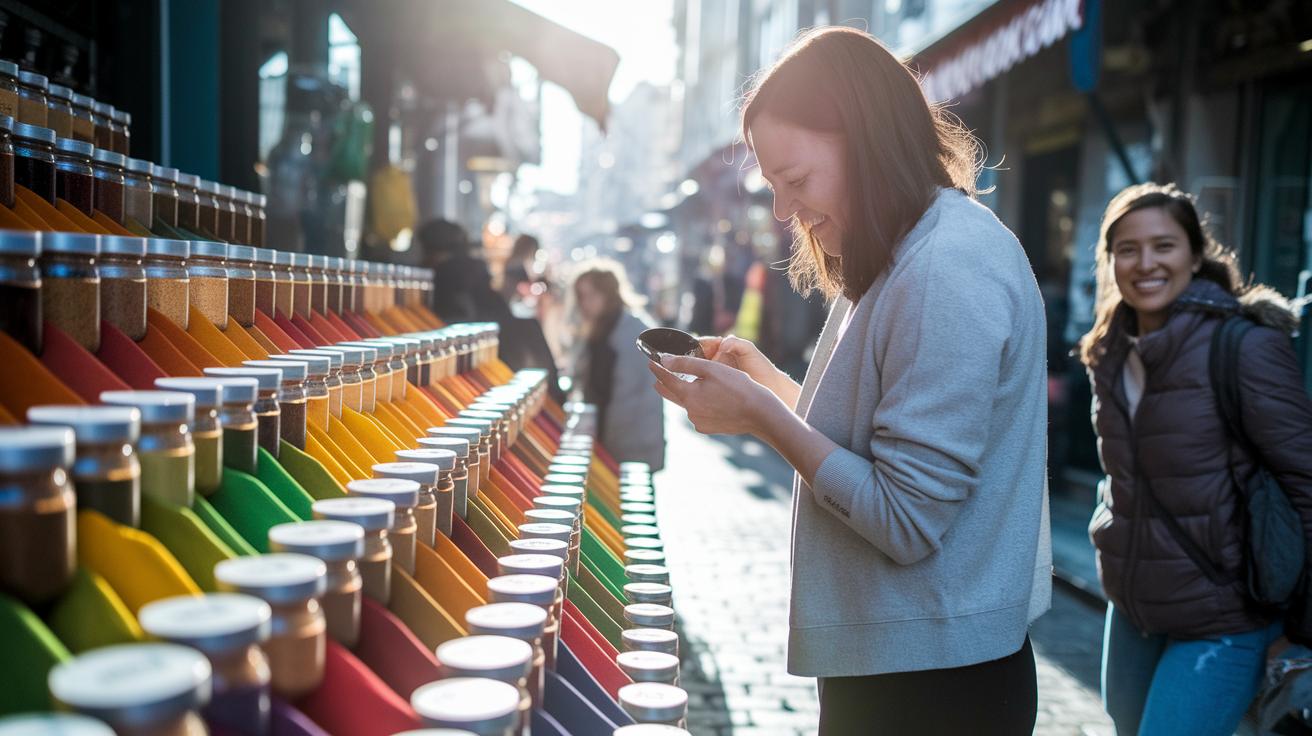
When you travel, you often see cultural sensitivity in action. Imagine landing in a new city and learning about its local food. You might discover spices and flavors that connect you directly to the area's rich history. Before you try a local dish, many travelers don’t know that these unique spices tell a story. Simple gestures, like asking before you take someone's picture or planning your trip around local holidays, add a respectful touch to your journey. Here are a few friendly tips for keeping your travel interactions sensitive:
- Check out local recipes and discover new tastes.
- Always ask first before snapping photos of people or sacred places.
- Plan your visits to avoid clashing with local festivals or religious events.
When it comes to healthcare, understanding different cultures makes a big difference. Imagine a hospital where interpreters help everyone chat and connect. When patients share their cultural way of expressing feelings, both sides understand each other better. This creates a warmer, more caring atmosphere, even when language might normally be a barrier.
Schools can feel the same warmth, too. Teachers who weave in stories and examples from different cultures help every student feel seen and heard. This kind of diverse classroom makes every discussion a celebration of different backgrounds.
Even in international business, honoring local customs goes a long way. Imagine a client meeting where your presentation reflects the local traditions. By tuning into these customs, you build trust and make connections across different work styles. For a closer look at these traditions, visit the link provided.
| Context | Action |
|---|---|
| Travel | Read local recipes, ask before taking photos, and plan around local events |
| Healthcare | Use interpreters and respect patients’ cultural expressions |
| Education | Share diverse stories and adjust teaching methods |
| Business | Customize presentations and honor local customs |
Every little step, whether you’re on vacation, in a classroom, at a clinic, or in a business meeting, brings people closer and builds a strong sense of global unity.
Strategies for Developing Intercultural Sensitivity Skills
One of the best ways to boost your skills in understanding different cultures is to jump into a structured cultural competence training. Many organizations now offer thousands of courses, covering everything from IT and management to leadership and social impact, that help you build a genuine sense of cultural empathy. In these classes, you get to try out hands-on exercises and engaging role-plays in a safe, friendly space. Fun fact: one manager once shared that they had no idea a respectful gesture in one culture could really be seen in an entirely different light elsewhere.
Another great trick is to set aside a few quiet moments for self-reflection. When you take time to notice your own biases, it becomes easier to navigate new cultural situations. After a hectic day, why not pause and ask yourself, “How might my own cultural views be shaping my actions?”
Chatting with colleagues in mentoring sessions or peer-learning groups can also do wonders. Exchanging stories about cultural mix-ups and small victories can build up your skills and make dealing with cultural differences feel more natural.
Here are some more practical ways to improve your cultural sensitivity:
- Benefit from skilled language services to help those facing language barriers.
- Get involved in program development and service design to promote time-tested sensitivity practices.
These simple steps give leaders the tools they need to create a warm and welcoming space. By practicing these tips, you set the stage for respectful conversations and a sense of unity that spans the globe.
Measuring and Evaluating Cultural Sensitivity Initiatives

Organizations have many ways to check how well their cultural sensitivity programs are working. One easy method is to ask the same questions before and after a training session. This helps you see if people start to feel more open and understanding towards different cultures.
You can also look at clear signs of improvement, like fewer conflicts or nicer comments about respectful interactions. When there are fewer misunderstandings or tense moments, it shows that cultural sensitivity is really taking hold. Another smart idea is to ask clients or patients how respectful they felt during their interactions. Their honest thoughts tell you if the program is making a difference.
Regular reviews and planned group discussions add even more insight. These chats help organizations find out what is working well and what still needs a bit of extra care. And by comparing these results with industry standards for diversity and sensitivity, you can fine-tune your approach and keep getting better at understanding different cultures.
Common Challenges and Pitfalls in Practicing Cultural Sensitivity
Sometimes, hidden biases sneak into our interactions without us even noticing. We might unknowingly rely on old ideas about people, and that can make our efforts to truly understand and respect others fall short. It’s a bit like expecting every meal in a new town to taste the same without giving the local flavors a fair shot.
Often, both people and organizations stick to familiar ways, even when change could bring a fresher, more respectful outlook. This reluctance to switch things up holds us back from kicking outdated views to the curb. Imagine planning a day exploring a new city but using an old map that misses the newest attractions, you just miss out on the best experiences.
Another common pitfall is oversimplifying cultural expressions. When we treat the rich and varied ways of life as if they were all alike, we might end up with tired stereotypes that block us from feeling the true vibrancy of a culture. It’s like trying to describe a lively festival with just one word, it doesn’t do the celebration justice.
It also helps to remember that times change. If familiar customs or community habits evolve, clinging to old policies or ignoring local communication styles can easily create misunderstandings or even tension. In these cases, overlooking nonverbal cues is like missing the secret signals that make a conversation feel warm and genuine.
Below are some key pitfalls to watch for:
- Hidden biases that undermine genuine understanding.
- Resistance from people who believe no change is needed.
- Oversimplifying the unique details of diverse cultures.
- Clinging to old policies even as local customs change.
- Misreading nonverbal cues that help us communicate clearly.
Final Words
In the action, we explored how a careful understanding of cultural sensitivity shapes travel, healthcare, education, and business. We touched on clear examples, smart strategies for building skills, and practical ways to track progress while avoiding common pitfalls. These tips offer guidance for those seeking an elevated travel experience and authentic local insights. Enjoy trying out these ideas as you build more respectful and meaningful connections across cultures.
FAQ
What are some examples of cultural sensitivity and insensitivity?
The question about cultural sensitivity and insensitivity highlights actions like respecting local customs and adapting communication, versus oversimplifying cultures and using stereotypes that can make others feel unwelcome.
How do you demonstrate cultural sensitivity across various settings?
Demonstrating cultural sensitivity involves active listening, learning local customs, and adjusting your behaviors—whether in travel, work, or healthcare—to show respect and understanding for differences.
Why is cultural sensitivity so important?
The question on the importance of cultural sensitivity reminds us that recognizing and valuing differences builds trust, improves interactions, and avoids misunderstandings in personal, professional, and public settings.
What does cultural sensitivity in healthcare and nursing involve?
The query on cultural sensitivity in healthcare and nursing shows that it involves understanding patients’ cultural backgrounds, engaging qualified interpreters, and adapting care practices to ensure everyone feels respected and understood.
How can workplaces foster cultural sensitivity in communication and interactions?
Addressing cultural sensitivity in the workplace means encouraging respectful dialogue, creating inclusive policies, and fostering an environment where diverse communication styles are recognized and valued.
How can one test or assess cultural sensitivity?
The question about testing cultural sensitivity involves using surveys, feedback, and performance metrics to gauge how well individuals and organizations recognize biases and adjust practices for respectful cross-cultural interactions.
Where can I find reliable articles on cultural sensitivity and psychology?
In response to seeking cultural sensitivity articles, trusted sources include academic publications, specialized travel blogs, and reputable psychology journals that share research and real-world examples for deeper understanding.