


Ever wondered if planning your spending could make your trip so much easier? I used to worry about rising travel costs until I started mapping out my expenses ahead of time. When you set a budget, you can enjoy local treats, snap unforgettable street photos, and take in every moment without fretting over money. Imagine a day where every bite, every sight, and every smile feels even sweeter because your funds go further than you thought. This guide helps you focus on what really matters during your travels so you can save more and soak up every experience along the way.
Smart Travel Budgeting Foundations

Starting your travel planning with a clear budget is like drawing a map for your dream adventure. When you decide how much to spend on flights, hotels, food, and activities ahead of time, you set yourself up for a stress-free, memorable journey. Think of it as outlining your travel goals clearly, you can choose destinations, accommodations, and experiences that match both your desires and your wallet. Ever wonder if you prefer diving into local cultures, enjoying a quiet escape, or chasing outdoor adventures? Pinning down your top priorities makes it easier to pick the right place and plan your days accordingly.
Before you set off, try planning your expenses in advance. Imagine spending your day savoring delicious meals at cozy local spots and still having enough cash to capture those unforgettable moments, all without worrying about overspending. Looking for deals and seasonal discounts can also turn an expensive trip into an achievable adventure. Once you’ve got a basic plan, break your costs into clear categories, perhaps by jotting them down in a simple spreadsheet or using a budgeting template.
You might also check out guides like "how to plan a trip" or search for "frugal travel tips" online for extra insights on managing your travel funds. With clear financial goals set from the start, you can avoid those annoying surprise expenses and travel with complete peace of mind.
Expert Travel Budgeting Goal Setting and Destination Selection

Begin by writing down what you really want out of your trip, whether that's diving into local culture, taking it easy, or chasing offbeat adventures. I once chose cultural experiences over fancy dining and mapped out my route around it, which ended up saving me a lot on meals. This kind of list makes it easier to pick destinations that suit your taste and your budget.
Next, look out for seasonal deals or discounts you can snag by booking in advance. Imagine planning your getaway during a quieter season when hotels and attractions lower their prices. Being flexible with your travel dates can really add up to some major savings.
Also, don’t forget to check out reward programs that hotels and travel companies offer. These programs often give you perks like room upgrades or cash back rewards, which can cut costs further. And while you're at it, try setting a daily limit for things like food and activities to keep your spending in check.
When you know your top priorities, comparing your options gets a lot simpler. For example, if you're all about soaking up a city's art scene without breaking the bank, you can narrow down choices that keep you close to the cultural spots while staying affordable. This way, you turn planning into a smart, organized, money-saving adventure.
Trip Expense Planning: Estimating Major Travel Costs
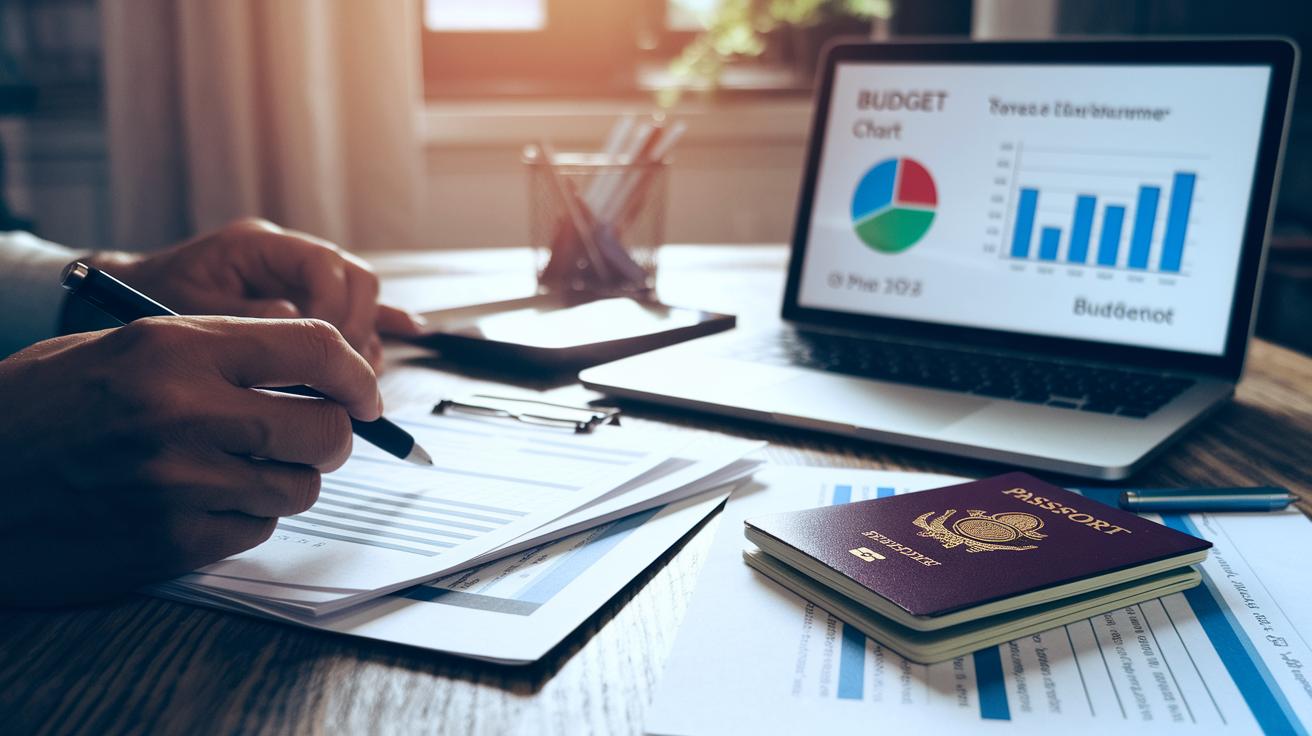
When planning your trip, start by breaking down your total costs into simple categories. Your flight ticket isn’t just the base fare, it might also include extra fees like luggage, taxes, or transfers. Sometimes that super-cheap ticket doesn’t cover a carry-on bag, so jot down all the little extras to avoid surprises.
Next, think about items like visas and insurance. Some trips need extra paperwork (like a travel permit for non-EU visitors heading to places like the UK), which can add to your costs. And don’t skip on insurance; a small mishap away from home can become a big expense without it.
Your stay can take up a big slice of your budget, sometimes nearly half, especially on domestic trips. It’s a good idea to compare hotels with vacation rentals to see which fits your wallet better. Here’s an example of how you might compare your options:
| Option | Average Cost per Night |
|---|---|
| Hotel | $120 |
| Vacation Rental | $90 |
When it comes to transportation, plan ahead by accounting for car rentals, fuel, or public transit. Using fare-comparison sites can really help trim these costs. Finally, set aside a daily budget for meals and activities since eating out can add up quickly. Keeping track of every little expense turns your planning into a clear, stress-free adventure.
Budget Itinerary Creation with Cost Breakdown Techniques

When planning your trip expenses, try adding a color-coded template to your budgeting system. It’s a simple trick that makes tracking your spending feel like a mini adventure. Use easy, clear colors to mark each category: think blue for flights, green for lodging, yellow for meals, and orange for activities.
Color Code Tip – Imagine your flights in a cool blue and your lodging in a soft green, making it simple to see where your money goes at a glance.
| Category | Estimated Cost |
|---|---|
| Flights | $300 |
| Lodging | $400 |
| Meals | $150 |
| Activities | $100 |
Also, carve out a special spot in your plan for emergency funds and travel insurance. This little extra helps cover sudden surprises like unexpected health issues or lost belongings. With the color-coded system guiding you and a dedicated fund in place, you’re set for smoother travels and better peace of mind.
Strategic Travel Budgeting with Rewards and Off-Peak Planning

Have you ever booked a trip using a loyalty program and felt like you were getting a secret bonus? Using programs like Booking.com's Genius or Expedia One Key can really stretch your travel money. They often offer room upgrades, meal discounts, and even cashback deals. Imagine finishing a long day of sightseeing and treating yourself to a free snack, it's like a little high-five for planning smartly.
Planning your travel during quieter times can also save you a lot. Traveling off-peak means flying on less busy days like Tuesdays or taking your trip in the shoulder months. For instance, you might find that a midweek flight costs about 25% less than those on a busy weekend. These tiny changes in your schedule can add up to big savings.
A few easy cost-cutting ideas include checking your loyalty programs often for fresh deals, keeping your travel dates flexible to catch the best flight or hotel discounts, and politely asking for upgrades if you have a loyalty status. These simple tricks can make a real difference on your budget.
Taking advantage of off-peak travel can also lead to special packages from local operators, giving you unique experiences without the extra price tag. I remember one trip during a calm season when I enjoyed an upgraded seat and even a discount on my in-flight meal. It just goes to show that a bit of planning goes a long way.
For solo travelers, these tips work wonders too. Check out "essential tips for solo travelers" at https://travelkeepup.com?p=843 to see how combining flexible travel dates and loyalty points can truly make every dollar count on your next adventure.
Digital Travel Budgeting Apps for Efficient Vacation Spending
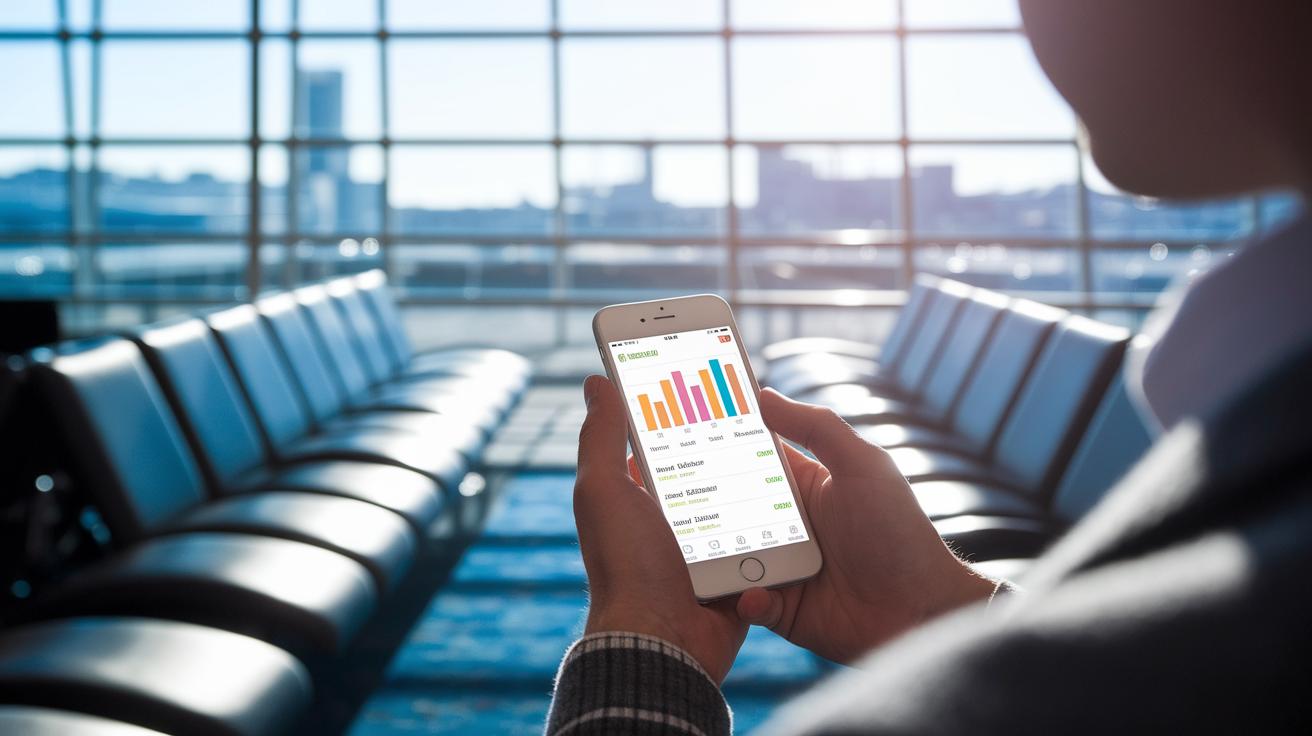
Digital tools for travel budgeting help you keep track of your money without any hassle. Apps like PocketGuard link your bank and credit cards, automatically sorting your expenses for you. They even show an "In My Pocket" balance so you can see exactly what’s left for your trip. Imagine opening the app and instantly spotting every fee, from parking to baggage charges, so you never overlook a cost.
All your spending details come together on one clear dashboard. You can quickly see how much you’re spending on meals, rides, and fun activities. This makes it super easy to notice where your money is going and adjust your daily budget if needed. Plus, some apps even offer suggestions to help you cut down on regular bills.
Using a digital budgeting tool turns managing travel money into a stress-free part of your adventure. By having all your financial info in one place, you get to enjoy exploring new spots without fretting over unexpected expenses. This smart approach to budgeting leaves your wallet as happy as you are on your journey.
Cost Management for Trips: Monitoring, Adjusting, and Avoiding Overspend
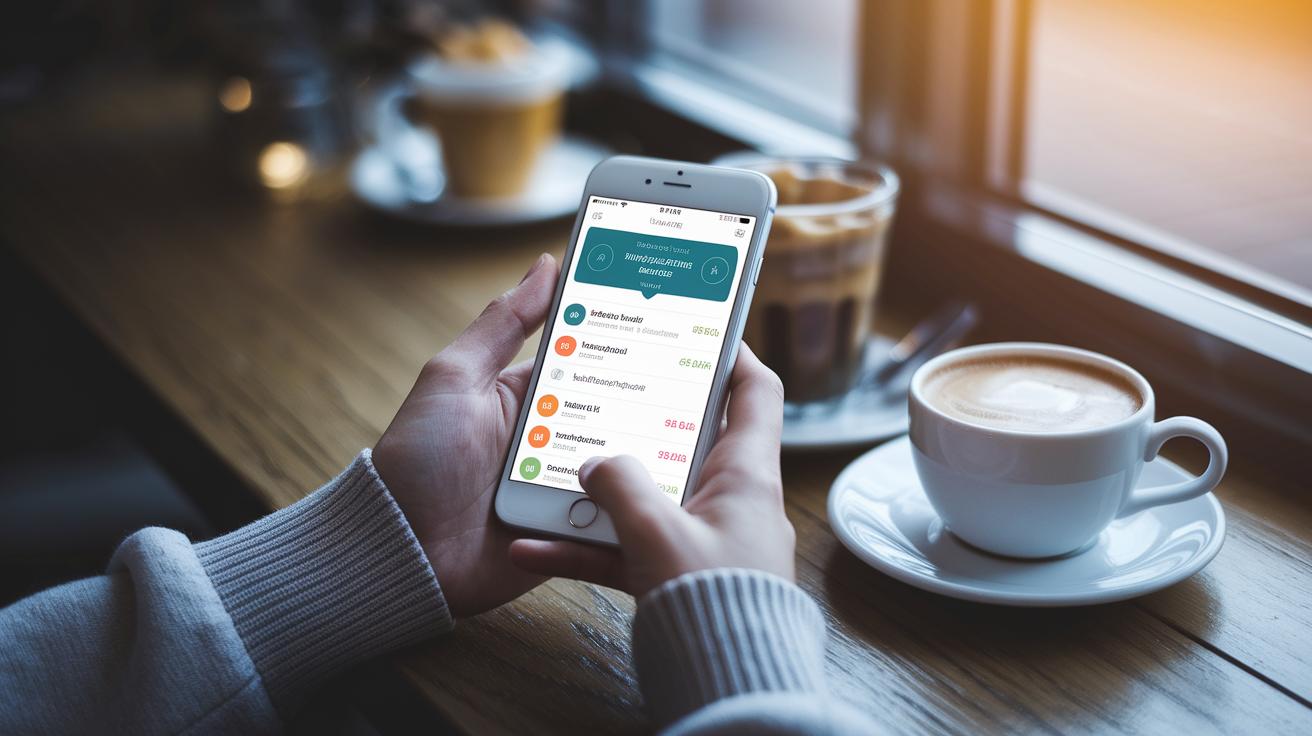
When you travel, keeping an eye on your spending is a real lifesaver. Try using apps that let you set alerts so you know right away when you're close to your daily limit, like a friendly tap on the shoulder when you hit 90% of what you planned to spend.
Sometimes, all it takes is a little pause to stop an impulse buy. If you feel that urge to splurge, take a few seconds to ask yourself if you really need it right now. One traveler even said that pausing for a moment helped them save money for experiences that truly mattered later on.
There are also clever apps that mix spending tracking with fun rewards. These tools might even give you a virtual badge for keeping your daily spending in check, adding a little game-like twist to your budgeting.
- Use apps that send real-time alerts to keep you informed.
- Set up reminders that pop up when you are nearing your spending limit.
- Take a brief wait before making any impulse purchases.
- Try tools that offer fun rewards for staying on budget.
Staying on top of your expenses while traveling makes your journey more relaxed and lets you focus on enjoying every moment.
Final Words
In the action, you discovered a practical plan for smart travel budgeting that cuts stress and paves the way for memorable trips. The article showed how setting clear travel goals and mapping out every expense makes it easier to stick to your plan. With tips on rewards, digital budgeting tools, and cost management along the way, this expert guide to smart travel budgeting helps you enjoy each step of your trip planning process. Keep these insights in hand, and watch your travel dreams become well-planned adventures.
FAQ
Expert guide to smart travel budgeting free
The expert guide to smart travel budgeting free offers clear strategies for planning trips while reducing financial stress. It outlines steps like setting priorities and estimating costs to help achieve a stress-free travel plan.
Expert guide to smart travel budgeting 2022
The expert guide to smart travel budgeting 2022 presents updated methods for estimating expenses and setting travel goals. It uses real-world examples and digital tools to keep your planning efficient and cost-conscious.
How to budget travel
Budgeting travel means outlining your goals, breaking down costs like airfare and lodging, and setting daily spending limits. This detailed plan keeps expenses in check and ensures you enjoy a stress-free trip.
NPR travel 2025 schedule
The NPR travel 2025 schedule provides insights into upcoming trends and smart planning tips. It helps align your travel plans with seasonal offers and cost-saving opportunities for a smoother trip experience.
Creative ways to save money for travel
Creative ways to save money for travel include using travel savings accounts, leveraging loyalty programs, and planning off-peak trips. These strategies help you stretch each dollar and cover planned expenses effectively.
Budget Travel magazine
Budget Travel magazine highlights insider tips and reviews for cost-effective trips. Its advice on affordable destinations, accommodations, and spending control is useful for anyone planning to manage travel expenses smartly.
Best ways to save for a trip
The best ways to save for a trip combine setting up a travel savings account, tracking spending, and taking advantage of early-bird discounts and rewards programs. This balanced approach makes it easier to fund your travel dreams.
Travel savings account
A travel savings account is a dedicated fund designed to track money set aside for trips. It helps separate travel expenses from everyday spending, ensuring you have a clear budget for your vacation needs.
What is the 50-30-20 budget rule?
The 50-30-20 budget rule means splitting your income: 50% for needs, 30% for wants, and 20% for savings or debts. This strategy provides a balanced framework that can also guide your travel expense planning.
Is $50,000 enough to travel for a year?
Whether $50,000 is enough to travel for a year depends on your spending and destination choices. Many travelers can make it work with careful planning and by choosing budget-friendly options along the way.
What is the 70-20-10 budget rule?
The 70-20-10 budget rule advises using 70% of income for living expenses, 20% for savings, and 10% for discretionary spending. This model helps maintain a balanced budget that can support planning for travel.
What is the most forgotten item when traveling?
The most forgotten item when traveling tends to be essential chargers and adapters. These little items are crucial to keeping your devices powered and ensuring smooth connectivity during your trip.