


Have you ever thought that one little mistake at home could start a dangerous fire? It sounds scary, but a few simple steps can really make a difference for your family's safety. For instance, installing and checking smoke alarms on every floor can give you peace of mind when seconds count.
We've put together some easy tips, from keeping your kitchen safe when you cook to avoiding risky habits in your bedroom, that anyone can follow. Stick around as we share friendly, step-by-step advice to help you protect your home and the people you love every single day.
Fire Safety Tips: Stay Alert, Stay Safe
Every home needs a few simple safety steps to help keep fires at bay. Start by installing smoke alarms on every floor of your house, inside bedrooms, and near where you sleep. Check your alarms every month, change batteries every 6 months, and replace the whole alarm every 10 years. Remember, nearly 40% of fires linked to smoking start in bedrooms. So, avoid smoking in bed and keep bedding that might catch fire away from any heat.
Unattended cooking is another big risk in the kitchen, so always stay near the stove and make sure nothing combustible is close by while you're cooking. It’s like keeping your adventure on track by watching every step you take.
Below is a quick look at some of the key risks and facts:
| What to Watch | Important Details |
|---|---|
| Smoking in Bed | Nearly half of these fires start in bedrooms. |
| Candle Mishaps | About 15,600 fires each year cause 150 deaths, 1,270 injuries, and \$539 million in damage. |
| Unattended Cooking | The leading cause of house fires. Always be in the kitchen when cooking. |
It’s smart to plan for emergencies before they happen. Draw a simple fire escape plan for your home, showing two ways out of every room. Pick a safe meeting spot that is at least 50 feet from your house, and practice your plan regularly, like rehearsing your favorite travel route to a secret spot.
When a fire happens, get out quickly. Stay low to the ground to avoid smoke, feel the door with the back of your hand to see if it’s too hot, and once you’re safe, call 911. These clear steps can help keep you and your loved ones safe, just like preparing well for any unexpected journey.
Fire Safety Tips for Smoke Alarm Installation and Testing

Put a smoke alarm on every floor of your home. Make sure you have one in each bedroom and near all sleeping areas. Think of these alarms as friendly checkpoints that keep an eye out for danger throughout your day.
Take care of your smoke alarms like you would a favorite gadget. Test them regularly and do simple maintenance. (Check our earlier tips for a step-by-step guide on monthly testing, changing batteries, and when to replace the unit.) Keeping them in good shape means they're ready to alert you and your family when it counts.
Fire Safety Tips for Reducing Home Fire Hazards
When you take simple steps to keep your day-to-day activities safe, you also reduce the risk of a fire at home. It’s all about being mindful and storing things the right way. A few small changes can help protect both your family and your belongings.
Try not to smoke in bed and always set ashtrays away from drapes or bedding. It’s a small move that can make a big difference in preventing bedroom fires.
Be sure to use strong, stable candle holders and set your candles far from kids, pets, and curtains. Believe it or not, candles are linked to thousands of fires each year, so caution goes a long way.
Avoid placing grills or portable heaters on wooden decks or any surfaces that might catch fire easily. Think of it like keeping a safe distance from hot coals.
Store flammable items like cleaning liquids, spare paper, and fabrics at least 3 feet from stoves or heaters. This way, even if something gets hot, it won’t spread quickly.
It’s smart to have a flashlight and spare batteries nearby so you don’t need to rely on candles if there’s a power outage.
By following these tips, you’re creating little safety zones around your home. Each careful step is like putting up a barrier to guard against unexpected fires. Stay safe and enjoy peace of mind knowing you’ve made your home a little cozier and much safer.
Fire Safety Tips for Safe Cooking Practices
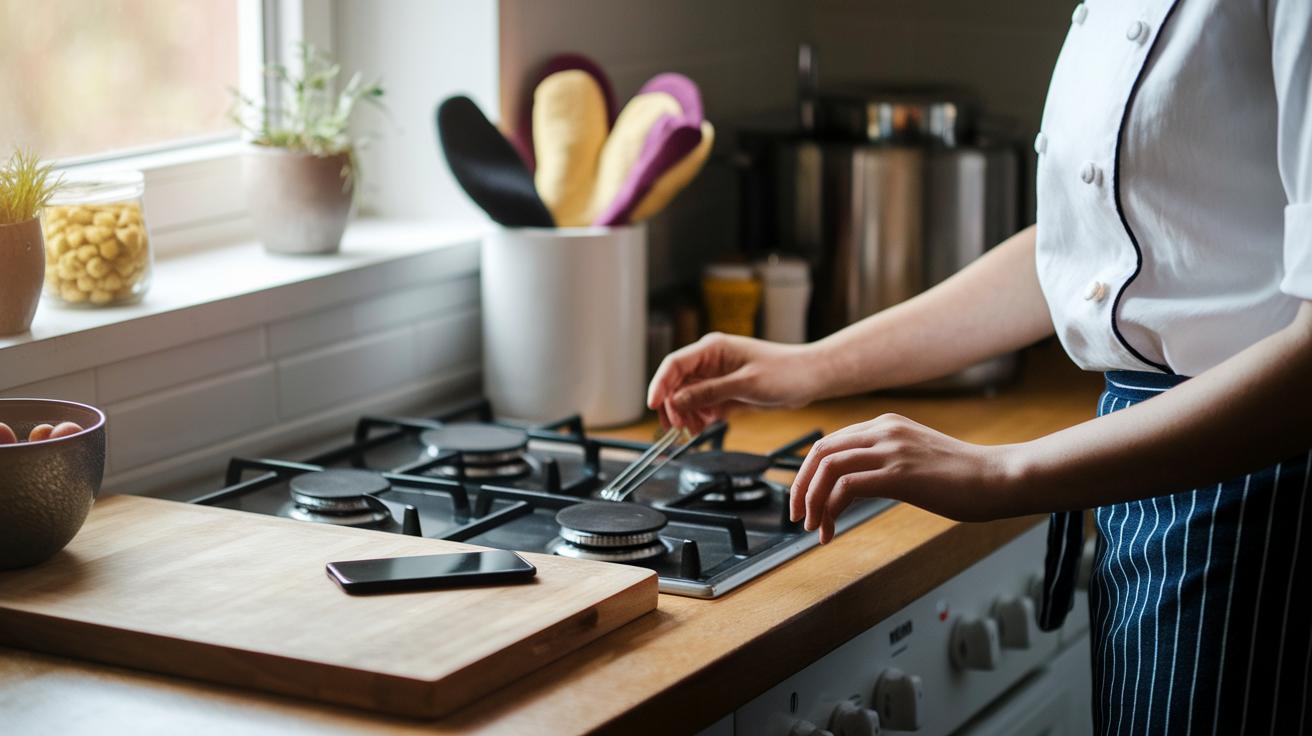
When you’re cooking, keeping your full attention on the task helps prevent unwanted fires. It’s all about setting up your kitchen in a way that looks out for your safety. Imagine cooking with relaxed focus, knowing everything is under control.
- Stay in the kitchen while you’re cooking. Put aside your phone and turn off the TV so you’re always aware of what’s happening on the stove.
- Keep potholders, towels, and wooden utensils at least 3 feet away from burners and other hot spots.
- Keep a close watch on simmering and baking dishes, never leave them alone.
- If you’re using grills or hot plates, make sure you’re out of harm’s way by avoiding wooden decks or areas with dry plants.
- Arrange your cooking space so that nothing flammable is too near any heat source.
- Use timers or alarms to remind you when it’s time to check on your food, keeping you on track and safe.
Fire Safety Tips for Creating and Practicing Home Fire Escape Plans
Start by drawing a simple map of your home and marking every door and window that can be used as an exit. Plan at least two clear escape routes from each room, like drawing bold arrows from the living room to both the front door and a large window. This easy-to-follow guide helps everyone know how to get out safely during an emergency.
Next, choose a safe meeting spot outside. It should be at least 50 feet away from your house and free from hazards such as parked cars or thick bushes. Write down this spot on your map and remind everyone, "Meet here outside away from the house." This extra step makes sure you have a clear place where everyone can gather.
Finally, practice your plan with fire drills twice a year. Try to make the drills realistic by dimming the lights or using flashlights to mimic smoke. For example, start in the kitchen, let everyone check if the door is warm, and even crawl on your hands and knees to get a feel for moving in smoky conditions. Regular practice builds confidence and helps everyone remember the safest way out.
| Step | Details |
|---|---|
| Mapping Routes | Draw your floor plan and mark exits with clear arrows. |
| Meeting Point | Select a safe outdoor spot at least 50 feet away from your house. |
| Fire Drills | Practice twice a year with drills using low-light or smoke simulation. |
Fire Escape Plan: Emergency Response Techniques

When you see smoke or sense a fire, leave right away without stopping to grab your belongings. Instead, get down on your hands and knees so you stay closer to the clean, low air near the floor. It’s like sneaking quietly past obstacles, you move fast but carefully, following your senses toward safety.
Before opening any door, quickly test its temperature using the back of your hand. If it feels warm, that might mean there’s a fire on the other side, so choose another exit. Once you’re outside and safe, call 911 or your local emergency number immediately.
Quick Recap:
- If you notice fire or smoke, leave immediately without stopping for items.
- Crawl close to the ground so you breathe better air away from thick smoke.
- Test door heat with your hand; a warm door means you should find another way out.
- Call emergency services as soon as you’re safe.
Final Words
In the action, we covered essential prevention measures, from installing and testing alarms to safe cooking practices and clear family escape plans. We walked through key steps to reduce fire hazards and shared practical tactics for emergency response. Remember, these fire safety tips make a big difference in keeping your home secure and everyone safe. Stay mindful of these actions, practice them often, and enjoy a safer environment every day.
FAQ
What are 10 fire safety tips at home?
The 10 fire safety tips at home focus on steps like installing and testing smoke alarms, avoiding smoking in bed, using candles carefully, preparing an escape plan, and keeping flammable items away from heat.
What fire safety tips apply for the workplace?
The fire safety tips for the workplace stress having clear exit routes, proper storage of flammable materials, regular equipment checks, scheduled drills, and immediate evacuation in an emergency.
What fire safety tips should students follow?
The fire safety tips for students include knowing evacuation routes, avoiding kitchen hazards, practicing safe cooking habits, and keeping any flammable materials stored away properly in dorm rooms.
What fire safety tips are recommended for kids?
Fire safety tips for kids teach them to recognize smoke alarms, follow simple escape drills, avoid playing with matches, and understand where to meet family outside during an emergency.
What are the 5 E’s or 5 basic fire safety practices?
The 5 E’s and basic fire safety practices cover preventing fires by creating and practicing escape routes, educating everyone on safety, engaging in drills, evaluating hazards, and acting quickly when needed.
What are the 4 P’s of fire safety?
The 4 P’s of fire safety highlight planning escape routes, placing alarms properly, practicing drills regularly, and promptly calling emergency services during a fire emergency.
Where can I find a fire safety tips PDF or poster?
Fire safety tips PDFs and posters are available online through local fire departments and safety organizations, providing handy visuals and checklists to help keep homes and workplaces safe.