


Have you ever wondered why old traditions still make us feel so proud? Folk culture feels like a warm hug from the past. It fills our lives with familiar songs, dances, and everyday habits that tie generations together.
These customs bring people closer, giving us a sense of belonging that new trends often miss. Think of a lively festival where every song and story reminds you of home. In this post, we'll dive into some cherished folk traditions that shine with history, and show how they stand apart from our fast-paced modern world.
Get ready to explore a world where every celebration and tale brings you closer to your roots.
folk culture examples shine with rich heritage
Folk culture grows from the traditions of small rural communities that stick together like family. These traditions come from years of shared stories, lively rituals, and daily habits passed down by elders. They act as a living memory of a community’s identity and long-held bonds.
In these settings, local customs make people feel connected and special, far beyond what modern trends can offer. Every festival, dance, or ritual is a nod to age-old ways, weaving familiar symbols and customs into the fabric of everyday life. It’s like getting a warm reminder of your roots.
Key parts of folk culture are the sounds and stories you hear and the artifacts you see. Think of enchanting folk tales, catchy tunes, heartfelt proverbs, and vibrant dances, alongside handmade tools, traditional clothes, and charming cottages with thatched roofs. Each piece, whether seen or heard, paints a picture of a time when traditions were cherished and passed on with love.
Unlike modern pop culture that spreads fast and changes quickly, folk culture stays close to home. Communities take the time to preserve these slow, meaningful traditions, turning each ritual into a heartfelt celebration that links people directly to their heritage.
Traditional folk culture examples: showcasing enduring community customs
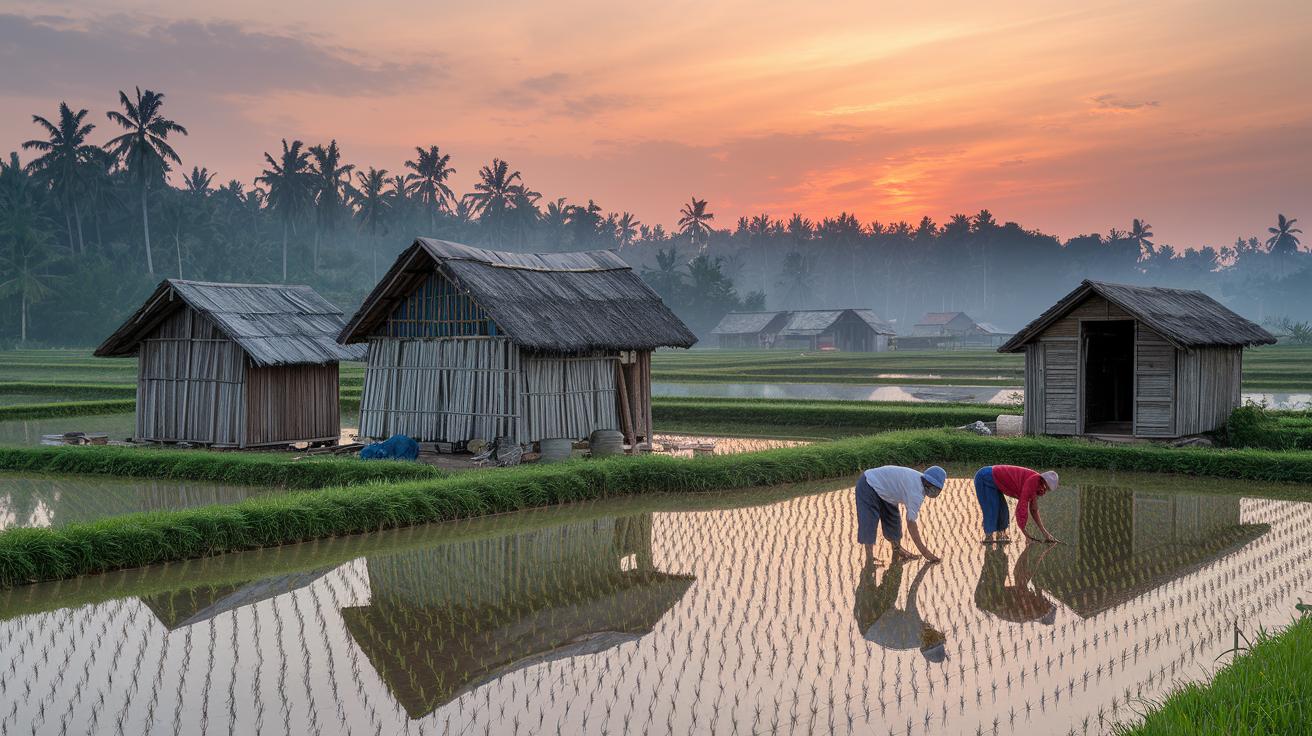
Rural traditions flow naturally with the changing seasons. People plan festivals around planting, growing, and harvesting times. In spring, communities celebrate new beginnings with lively festivals and then wrap up the season with warm harvest feasts. Imagine a bright spring morning where neighbors come together for a rice-planting ceremony in Southeast Asia, each step, from getting the fields ready to sharing a meal afterward, connects the past with the present.
Local storytelling sessions invite wise elders to share ancient fables that have been passed down for generations. In North America, Amish barn-raising events bring neighbors together to lend a helping hand. Over the harvest season, communities gather for shared meals and joyful dances, and in Europe, Maypole dances mark a fresh start as people twirl around a decorated pole. It feels a bit like stepping into a cherished family memory where every moment is celebrated.
These time-honored customs create a strong sense of belonging. Regular celebrations build trust and keep traditions alive, setting a steady rhythm in everyday life. As people work, dance, and feast together in tune with nature, they pass along values, history, and the art of living closely with the land, ensuring that the spirit of folk culture endures for generations.
Indigenous heritage illustrations in folk culture examples
Local indigenous traditions capture a community's story through unique symbols and meaningful rituals. Everyday life blends with special ceremonies that have been passed down from one generation to the next, creating a rich tapestry of history.
Amish travelers in the U.S. and Irish Travelers in the UK and Ireland keep traditions alive that go far beyond usual community gatherings. Amish communities host barn-up events where people come together to build structures and, more importantly, strong bonds. Irish Travelers celebrate big moments with personalized symbols and handcrafted designs that mark life's milestones. Check out more on indigenous culture at indigenous culture to see how these symbols hold deep historical meaning.
In India, many tribal groups mark seasonal farming rituals with lively oral storytelling. Their terraced-farming ceremonies blend distinct musical sounds with unique handmade clothes, each detail telling a heartfelt story of ancestors and local legends.
If you’re curious to explore native heritage art further, dive into how these cherished traditions continue to shape community customs today.
Folk culture examples in music and dance
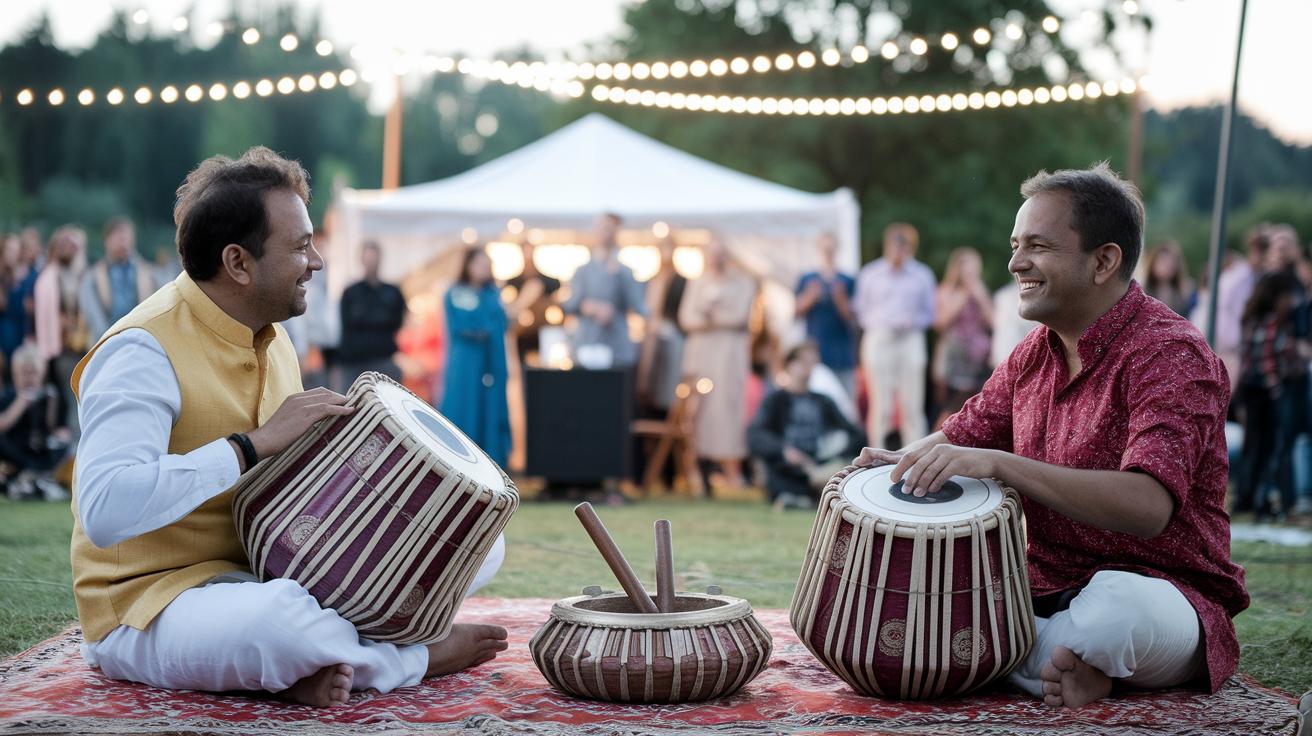
Music and dance open a window into the heart of a community. They use beats and movements to keep old traditions alive. These expressions share the values and stories that have been passed down through generations, it’s like hearing a secret from a dear friend.
Musical examples
Conventional instruments are key to expressing a place’s heritage. For instance, the Indian dholak fills the air with deep, warm beats that often mark the start of a festival gathering. The tabla, with its careful rhythms, creates patterns that are as detailed as the daily life of its people. And then there’s the sarangi, whose soulful tunes speak of both love and loss in every note. In Eastern Europe, the Russian balalaika brings bright, cheerful sounds that lift spirits during community celebrations. Over in the Appalachian regions, the dulcimer gently fills quiet moments with soft, echoing chords, much like a reflective pause in a busy day.
Dance examples
Traditional dances are just as full of colorful stories. The lively steps of Irish step dance share tales of old during special festivities. In Gujarat, the Garba dance is performed in circles during vibrant festivals, with each step symbolizing unity and the spirit of renewal. In Bulgaria, the horo dance flows in graceful loops, celebrating the changing of seasons with each elegant move. Every step in these dances echoes a shared identity, connecting today’s celebrations with cherished customs of the past.
Folk culture examples in crafts and visual arts
When you stroll through a lively local market, you can see how artisans turn everyday materials into art that tells a story. They use clay, wool, and wood found right in their own backyards to create pieces full of history and soul. These time-tested techniques, handed down from generation to generation, give each creation a unique feel and a deep connection to the community and its land.
Handcrafted treasures like quirky market trinkets or traditional garments with embroidered details show a genuine respect for local customs. And when community members paint murals or craft ceremonial masks, they revive old folklore in a way that modern art rarely captures.
Textile and fiber crafts
Skilled weavers work with natural fibers to create fabrics that carry stories from the past. Think of embroidery on a shirt, a single stitch can hold a memory or a piece of local lore. Every handmade textile is more than just fabric; it’s a symbol of tradition that honors community values and everyday life.
Carving and pottery
In many rural areas, wood carving and pottery are at the heart of art. Local craftsmen shape wood into both decorative and useful items, while potters lovingly mold clay into everyday vessels. These techniques, perfected over many years, provide a tangible link to the past and celebrate the local creative spirit.
Comparative regional folk culture examples

Folk culture changes with its surroundings. In North America, simple log cabins show how folks use local materials in clever ways. And in the warm Southwest, adobe homes (sun-dried brick-like structures) keep the heat at bay. Over in Europe, thatched cottages still stand as a nod to old building ways. Regional dishes, like Appalachian cornbread, Indian millet rotis, or Eastern European borscht, speak volumes about each area’s farming traditions. Think of an adobe home like nature’s own air conditioner, keeping things cool under the sun.
Local communities stick to their traditions through everyday celebrations and shared moments. They hold festivals and gatherings that pass on both practical skills and treasured family recipes. Ever hear a cook say, "Every recipe is a chapter of our story"? It makes you feel the warmth of community and the magic of history.
| Region | Folk Example | Category |
|---|---|---|
| North America | Amish barn-raising | Ritual |
| India | Terraced-farming festival | Ceremony |
| Europe | Maypole dance | Celebration |
Final Words
In the action, we explored how local traditions express themselves through rituals, music, crafts, and more, serving as genuine folk culture examples. The post provided clear images of timeless customs and compared practices from different regions. Each section revealed unique insights into rural lifestyle practices and indigenous heritage illustrations that connect us with the heart of traditional communities. These rich, authentic touches remind us that every custom holds a piece of a legacy waiting to be shared. What a bright and inspiring way to see the world!
FAQ
What is the definition of folk culture?
The folk culture means local, traditional practices by small, homogeneous communities. It includes both tangible creations, like crafts and clothing, and intangible traditions, like oral stories and music.
What is American folk culture?
American folk culture refers to customs and regional traditions rooted in communities, such as barn-raising, local music, and traditional crafts that reflect the unique heritage of American rural areas.
What does local folk culture refer to?
Local folk culture signifies the everyday practices and unique customs specific to a community. These include traditional celebrations, crafts, and storytelling methods that carry historical and social meanings.
What are some examples of folk culture today, including those for students and from places like the Philippines or AP Human Geography studies?
Examples include community storytelling, harvest festivals, handcraft traditions, and local dances. In settings like the Philippines or AP Human Geography classes, these practices reveal small-scale, community-specific customs passed through generations.