


Have you ever noticed how some trips end up feeling more hectic than fun? It’s like the planning itself can turn into a scramble. But breaking your adventure into simple, clear steps can make all the difference.
Imagine setting up your trip like piecing together a puzzle where every part has its place. Picture choosing a charming spot for breakfast or mapping out a little wander through a local market. Each small decision helps turn potential chaos into a smooth, enjoyable experience.
So why not try a new approach? Plan your outing piece by piece, letting each moment build naturally into the next. Before you know it, what once felt overwhelming becomes an effortless, relaxing adventure.
How to Plan a Trip: Complete Step-by-Step Guide

Planning a trip can be a blast when you break it down into clear, manageable steps. When you sort each part along the way, you feel more at ease and ready to soak up every moment of your adventure. It’s like piecing together a fun puzzle where every detail helps build your exciting journey.
Every step has its own role in turning your travel dreams into a well-organized plan. You start with that spark of inspiration and work all the way to nailing down the little details, whether it’s booking the perfect flight or scouting out a cozy place to stay. Think of it as a friendly roadmap that guides you smoothly from start to finish.
- Destination Selection
- Trip Duration
- Budget Setup
- Flight Booking
- Itinerary Creation (a detailed plan that lays out your day)
- Lodging Reservation
- Transport Arrangements
- Final Preparations
By following these steps one by one, planning becomes a fun, easy process. Each phase builds on the last, taking you closer to a smooth and enjoyable trip. And if you’re hunting for extra tips on scoring the best deals or arranging every part of your journey, check out this helpful guide: https://travelkeepup.com?p=442.
Defining Key Trip Details: Destination, Dates, and Duration

Start planning your adventure by figuring out what you really want from your trip. Ask yourself these five simple questions: Why are you taking this journey? Where would you like to go? When will you head out? How many days can you spare? And what sights do you dream of seeing?
Think of picking your destination like choosing your favorite dish at a restaurant. For example, you might say, "I’m in the mood for a city known for its lively music and cool historic spots." Timing matters too. If you travel in September, you might catch lower prices and smaller crowds, which could be just the right mix for enjoying all the local charm without splurging.
Match your trip length with both your free days and the depth of experience you’re after. Even a quick four-day getaway can let you taste the local vibe, while a longer stay means you can really immerse yourself in everything the area has to offer.
Budget Planning and Cost Management for Trips

When you start planning your trip, setting a clear budget is a must. This simple step not only helps you choose the perfect destination but also shapes every decision along the way. With your spending limits in place, you can plan each part of your adventure confidently, from comparing flight prices to finding that cozy place to stay, savoring local meals, and enjoying fun activities. It’s like having a trusty map that keeps surprises at bay.
Here's a quick look at how you might spread out your funds:
| Category | Percentage |
|---|---|
| Flights | 30% |
| Lodging | 35% |
| Dining | 15% |
| Transport | 10% |
| Activities | 10% |
Knowing exactly where your money goes makes it easier to find great deals and dodge unexpected costs. And here’s a neat travel tip: browsing in incognito mode or using a VPN when booking can help you score better prices. These tools prevent websites from nudging prices higher because of repeated searches.
If you’re looking for more money-saving ideas, give this guide a look: https://travelkeepup.com?p=513. With a well-planned budget and a few insider tricks, the whole process of planning your trip can become a stress-free, exciting part of your journey!
Crafting Your Trip Itinerary and Daily Schedule

Picture your day unfolding like a fun little story. When you see your plan laid out clearly, you can enjoy every local gem without worrying about what comes next. It’s like writing a mini-adventure for each day, where every moment smoothly builds on the last.
Selecting Sights and Activities
Start by looking up the best spots and local treasures. Grab your phone or a simple notebook and jot down places you want to visit, maybe an old market, a famous sculpture, or a quiet park tucked away from the busy streets. This little list becomes your go-to guide for a day full of memorable encounters.
Structuring Daily Time Blocks
Divide your day into chunks: morning, afternoon, and evening. Dedicate blocks of time for your main attractions, and sprinkle in moments for a cozy cup of coffee or a spontaneous walk. Leaving a bit of wiggle room is like adding extra space between pages in your favorite book, it makes everything flow without any rush.
Using Templates and Mobile Apps
There are many free tools like itinerary templates or simple spreadsheets that help keep your plans neat. You might even try an AI-driven vacation scheduler (a smart tool that organizes your ideas into a neat schedule). With everything in one place, it’s easy to see your plan at a glance and tweak it as needed.
Before you set off, double-check details like opening hours and leave a little room for those delightful, unplanned stops. This friendly, step-by-step approach makes your travel days flexible yet filled with wonderful surprises.
Booking Transportation and Mapping Your Trip Route

First things first, secure your flight. Flight prices can jump in no time and seats fill up before you know it. Once your flight is booked, turn your attention to ground transportation. Booking a train, bus, or even a car rental ahead of time makes everything easier and helps you see how you'll get around once you arrive.
| Mode | Ideal Use Case | Booking Tips |
|---|---|---|
| Flight | Long-distance travel | Book early and compare fares |
| Train/Bus | Trips between cities, especially in Europe | Reserve your seat and check cancellation policies |
| Car Rental | Local exploration and flexibility | Compare prices and add insurance for peace of mind |
Using tools like Google Maps helps you get a good idea of travel times and distances. Plan your travel windows realistically by keeping local traffic and special times in mind, like busy holiday periods or rush hours in big cities. This extra planning lets you enjoy a coffee break or take a moment to admire the local scenery instead of stressing over delays. Ultimately, careful planning makes each part of your trip feel smooth and relaxed, giving you more time to soak up the local vibe.
Reserving Accommodations and Experiences for Your Trip

When you start planning your trip, it’s a great idea to check out both hotels and rental homes to see what works best for you. Hotels provide a familiar setup with daily cleaning and handy amenities like a gym or pool, whereas rentals, like those you’d find on Airbnb, offer a homey feel and often more room to spread out. Each choice has its little perks, so think about whether you’d appreciate a flexible check-in and shared spaces or prefer a concierge service and on-site dining.
• Free cancellation option
• A guest rating of 8.5 or higher
• Fast, reliable WiFi
• A spot that’s easy to get to
Before you lock in your stay, take a pause to book some tours and local experiences too. Platforms like Booking.com or Airbnb work well for accommodations, while sites like GetYourGuide or Viator can help set you up with tours. Always give a quick look at the cancellation details, especially when the activity plans might change on you. You might choose a small-group tour for a more friendly vibe or go for a private experience where you set the pace.
Chatting about these plans with your travel mates in advance makes it easier for everyone to be on the same page. That way, every part of your trip fits neatly into your overall adventure.
Final Trip Preparations: Documents, Packing, and Safety
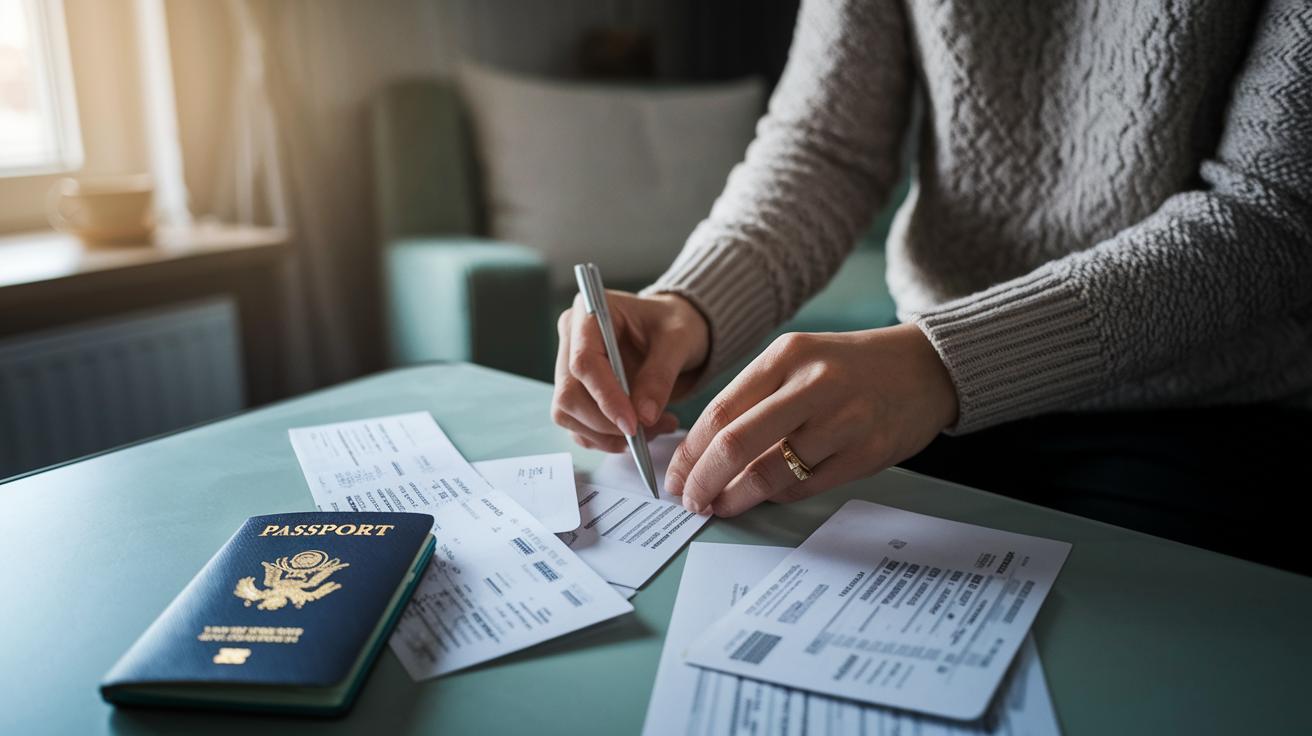
Before you head out, be sure you’ve got your travel documents all sorted out. Download or print your flight, hotel, and tour confirmations so they're handy. Check that your passport will stay valid for at least six months after your trip. Sorting these details ahead of time keeps everything feeling relaxed and smooth.
Here are a few quick tips to remember:
- Confirm all your airport and ground transportation bookings.
- Save copies of your flights, accommodations, and tour confirmations, either printed or on your phone.
- Make sure your passport and any necessary visas are current.
- Give your service providers a quick call to clear up any last-minute details.
- Keep all your travel documents in one easy-to-access folder.
When it's time to pack, think about bringing clothes that can mix and match easily. A wardrobe with neutral layers means you’re ready for different climates without overpacking. Also, pack a small carry-on with essentials: your tech gadgets, a few snacks, must-have skincare items, and of course, your passport. This way, if there are any unexpected delays or changes, you’re prepared.
Safety should always be a top priority. Learn a little about local customs and safety tips before you leave. Arriving at the airport with plenty of time allows you to handle any surprises, from long security lines to last-minute schedule shifts. Taking these steps not only protects your documents and belongings but also sets a confident, calm tone for your whole adventure.
Final Words
In the action, we broke down key steps like selecting a destination, setting your budget, booking flights, crafting an itinerary, and final trip preparations. This guide walks you through a clear, step-by-step process that shows how to plan a trip with careful attention to every detail. Each stage builds on the last, helping you feel confident and ready for your next getaway. Every tip is designed to add ease and excitement to your trip planning, leaving you inspired and eager for the road ahead.
FAQ
How to plan a trip near California?
Planning a trip near California means starting with choosing local attractions, setting a clear budget, and organizing transport and lodging options to create a smooth, enjoyable outing.
How to plan a trip near Texas?
Planning a trip near Texas involves exploring regional highlights, listing activities that match your interests, managing costs, and coordinating schedules to ensure a balanced and fun break.
How to plan a trip template?
A trip planning template organizes your ideas by breaking down details like destination, dates, budget, and activities into clear sections, making the process simple and efficient.
How to plan a trip book?
Using a trip planning book means writing down your travel ideas and checklists in one place, serving as a handy guide to track your budget, reservations, and favorite spots as you prepare.
How to plan a trip itinerary?
Planning a trip itinerary requires listing key stops, scheduling activities by day, and allowing buffer time, so you can make the most of your trip while keeping plans flexible.
How to plan a trip with friends?
Planning a trip with friends means gathering everyone’s ideas, agreeing on a budget, and dividing planning tasks like lodging, transport, and activities to enjoy a coordinated experience.
How to plan a trip budget?
Planning a trip budget means breaking down expenses into flights, lodging, dining, transport, and activities, so you can allocate funds wisely and keep your spending on track.
How to plan a trip app?
Planning a trip with an app involves using digital tools to arrange itineraries, track costs, and map routes, making it easy to adjust plans and share details with travel companions.
How to plan a trip for beginners?
Planning a trip for beginners means starting with clear questions like why, where, and when to travel, then organizing steps such as budgeting, booking, and scheduling must-see spots.
Is $5000 enough for a vacation?
Determining if $5000 is enough for a vacation depends on your destination, duration, and style, with careful research and budgeting key to matching your travel expectations.
What are the five steps to planning a trip?
The five steps include choosing your destination, deciding on trip length, setting a budget, booking travel, and creating an itinerary, covering all major aspects for a well-prepared trip.
Is $1000 enough for a road trip?
Whether $1000 is enough for a road trip depends on fuel, lodging, food, and entrance fees; effective budgeting and local cost checks will help you stretch your dollars further.