

Have you ever stopped to think about why some places just take your breath away? Landmarks all over the world carry stories of our shared past through their unique style and design. Think of the lady holding a torch in New York City or a tall iron wonder in Paris. These spots feel like an invitation to connect with the memories of those who came before us. In this piece, we take a closer look at a few of these special locations that spark conversation and fill our hearts with wonder, reminding us of the beauty that ties us together.
Mapping the Must-See Iconic Landmarks Around the World
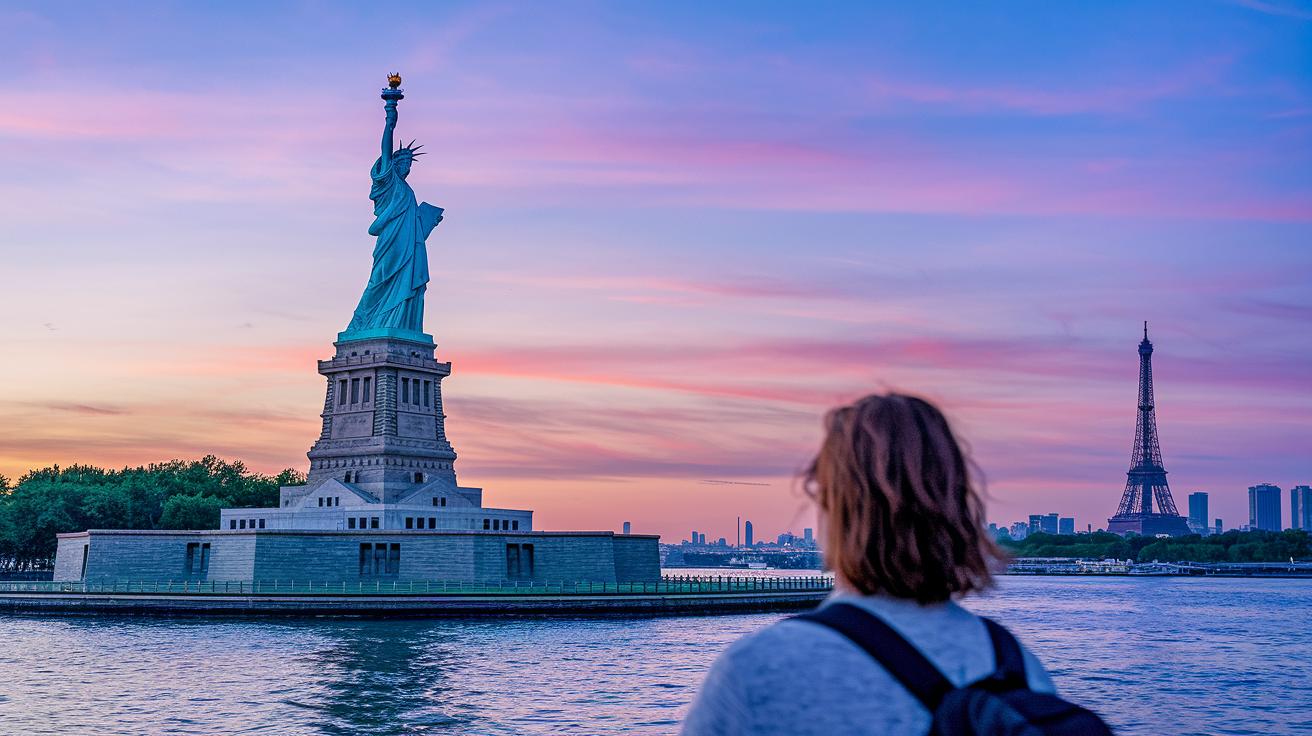
Have you ever felt that pull to see the world’s most famous landmarks up close? These sites aren’t just pretty sights on a postcard, they’re living symbols of our shared history and culture. When you plan your next adventure, add these gems to your must-see list, they truly capture the spirit of global travel.
Imagine standing before the Statue of Liberty in New York City, a beacon recognized by almost everyone (98.73% recognition, in fact!). Then picture yourself in Paris, marveling at the Eiffel Tower as it dazzles with its hourly light show and draws in millions each year. From there, journey to the peaceful beauty of the Taj Mahal in India or explore the ancient corridors of the Colosseum in Rome.
Other wonders await too:
- Statue of Liberty (New York City, USA – 98.73% recognition)
- Eiffel Tower (Paris, France – 97.50% recognition; 7 million visitors/year)
- Taj Mahal (Agra, India – 92.25%)
- Colosseum (Rome, Italy – 91.64%)
- Machu Picchu (Peru)
- Christ the Redeemer (Brazil)
- Big Ben (London, UK)
- Great Wall of China (China)
- Sydney Opera House (Australia)
- Mount Fuji (Japan)
Each of these landmarks offers more than impressive views, they invite you to feel a deep connection with the past and present. When you stand under the banners of these historic sites, you’re not just a tourist; you’re part of a story that spans generations and continents. It’s like discovering a secret chapter of the world’s diary, where every detail whispers a tale of creativity and community.
So, next time you plan an adventure, consider these iconic stops. They’re more than must-see attractions, they’re snapshots of human passion and achievement waiting to be explored.
Exploring Ancient Wonders and Historical World Landmarks
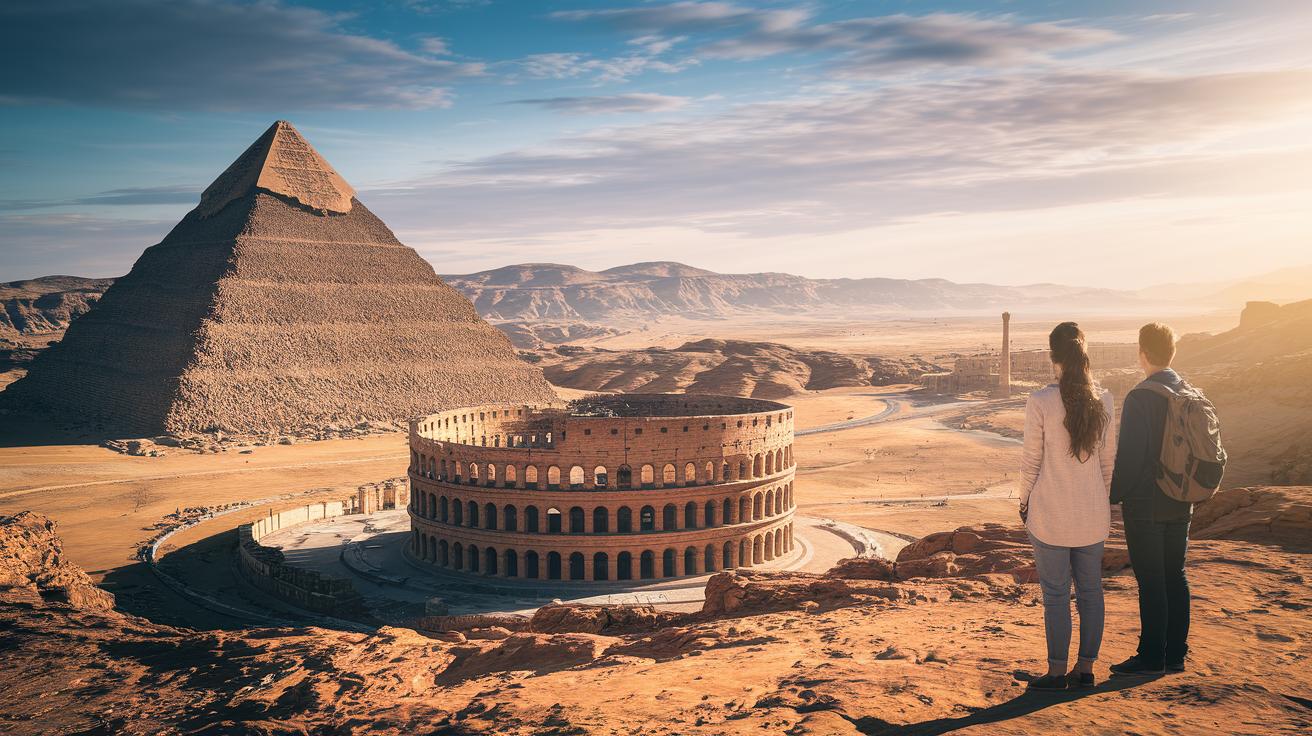
Ancient landmarks let us step back into a world that once was. They show us a glimpse of life long ago through impressive stonework and art. Every structure was built with care and clever ideas, and they still leave us in awe today. For example, the Great Pyramid of Giza has stood in Egypt for nearly 4,500 years, watching over the desert in silence. And then there is the Great Wall of China, built from the 7th century BC through the Ming Dynasty to mark old borders with steadfast strength.
In Rome, the Colosseum brings to mind stories of exciting games and battles. In Jordan, Petra, carved out of rock around 300 BC and honored as a UNESCO site since 1985, shows off the fine skill of ancient builders. Over in Cambodia, Angkor Wat stands as the largest religious monument, while Machu Picchu in Peru, a fortress built by the Incas in the 15th century, offers its own tales that spark wonder.
| Landmark | Location | Era/Date | UNESCO Status |
|---|---|---|---|
| Great Pyramid of Giza | Egypt | 26th century BC (~4,500 years old) | N/A |
| Great Wall of China | China | 7th century BC – Ming Dynasty | N/A |
| Colosseum | Rome | 70–72 AD | N/A |
| Petra | Jordan | 300 BC | UNESCO since 1985 |
| Angkor Wat | Cambodia | Early 12th century | N/A |
| Machu Picchu | Peru | 15th century | N/A |
These ancient sites are must-see spots for anyone who loves history. They bridge our modern world with times long past. Walking among these treasures, you can almost hear the whisper of old stories in every stone and carving. Each monument reminds us of the hard work and creative spirit that built them, even when life wasn’t easy. Standing close to these wonders, you feel a living record of human skill and heart.
Notable Modern Landmark Attractions and Architectural Marvels

Modern engineering comes to life in these awe-inspiring sites that mix bold design with creative innovation. They show us how today’s breakthroughs have reshaped city skylines and turned public spaces into lively meeting spots. Each of these marvels is a reminder that our creative spirit can build wonders that draw people from all around.
Eiffel Tower
Built for the 1889 Exposition, the Eiffel Tower still draws visitors from every corner of the globe. Its enchanting light show, which sparkles every hour, captivates nearly 7 million people yearly. Standing as a timeless icon in Paris, it continues to stir admiration and spark fresh ideas in modern design.
Sydney Opera House
The Sydney Opera House, brought to life by Utzon and opened in 1973, dazzles with its unique white sails along the waterfront. More than just an architectural feat, it hosts live shows and cultural events that make the city buzz with energy. This landmark feels like a warm invitation to explore Australia’s vibrant arts scene.
Golden Gate Bridge
Completed in 1937, the Golden Gate Bridge surprises visitors with its distinctive rust-red color and strong, lasting design. Known as one of the longest and tallest suspension bridges of its time, it offers breathtaking views of San Francisco’s bay. This bridge stands as a proud symbol of a groundbreaking era in engineering.
Burj Khalifa
Since opening in 2010, the Burj Khalifa has reimagined Dubai’s skyline with its soaring height and sleek lines. This modern marvel has set new marks in architectural ambition, transforming its cityscape and inspiring many with its futuristic look.
These landmarks capture the spirit of their eras by blending stunning innovation with a touch of history. They remind us that with creativity and hard work, we can build structures that leave a lasting impression on local communities and the whole world.
Visiting World Heritage Sites: Cultural Monuments to Include in Your Itinerary

Have you ever wished you could step back into history while exploring world heritage sites? When planning your next adventure, try choosing destinations that not only carry a rich history but also boast UNESCO status (a special global recognition). Think of the Acropolis in Athens, the Taj Mahal in Agra, Petra in Jordan, the Alhambra in Granada, and the Forbidden City in Beijing. These aren’t just stunning landmarks, they’re living stories of past cultures.
When you sketch out your travel plans, aim for times when the weather is just right and the crowds are fewer. It can be magical to wander around with a bit more room to breathe, especially if you snag timed tickets or get there early. And if you’re curious about discovering hidden spots, listen to some insider advice on alternative heritage attractions. Mixing famous sights with secret gems can turn a good itinerary into an unforgettable adventure.
Planning Your Travels to Iconic Landmarks: Essential Visitor Information and Practical Tips
When you’re getting ready to see some of the world’s most famous sites, start by learning the basics. Look up the entry fees, opening times, and the best websites to buy your tickets. Nowadays, many places offer timed-entry tickets so you can skip the long lines and enjoy a more relaxing visit. It’s smart to plan well, especially during busy seasons when spots like the Eiffel Tower welcome millions of visitors. Think of it as mapping out a mini-adventure where you budget for little extras like guided tours or special exhibits.
A neat trick to avoid the crowds is to pick the right time to go. Many travelers swear by visiting early in the morning or later in the day when there are fewer people. Once you know your best time, book your tickets online ahead of time. Timed-entry options are common at landmarks such as the Colosseum and Machu Picchu. Simple steps like these can save you a ton of hassle. Want more insider secrets? Check out these tips for skipping tourist traps: insider tips for avoiding tourist traps.
Also, don’t forget to peek at local holiday calendars and weather updates before you head out. Even famous sites like the White House sometimes change their security or visiting rules without much notice. A bit of extra planning helps you focus on soaking in the history and heritage of these incredible landmarks. Enjoy your travels and happy exploring!
Cultural Significance and Stories Behind Celebrated World Landmarks

The Statue of Liberty welcomes countless visitors and fills locals with a living story of hope. I once spoke with a seasoned New Yorker who remembered watching the sunrise behind the statue, a moment that forever bonded his own memories with this symbol of freedom.
At Agra’s Taj Mahal and Rome’s Colosseum, history comes alive with human tales. In Agra, I found quiet spots in the garden that invite visitors to reflect on love’s true power. A local artisan even shared how his family’s cherished recipes have been passed down through generations. Meanwhile in Rome, a friendly guide explained how the Colosseum’s long shadows tell stories of both remarkable celebrations and important lessons from the past, adding a rich layer to modern city life.
The Great Wall of China stands silently, its long stretches echoing with shared experiences. A local tea seller once noted that every stone seems to hold centuries of community memories and care, showing how history still influences the daily rhythm of life.
Machu Picchu has a magic that goes beyond its ancient stones. On my visit, a guide pointed out small markers along the winding paths, each one a personal story filled with indigenous wisdom and cultural memory.
Final Words
In the action of exploring famous sites, this article sprinted from ancient marvels to cutting-edge structures. We shared how each stop shares a rich story and clear visitor tips.
We talked about planning your time wisely and fitting in extra cultural moments. Every piece gives a personal look at iconic landmarks around the world.
Keep your spirit high and your plans simple. There's plenty to enjoy on your next trip.
FAQ
Q: What are some of the top global landmarks and monuments to visit?
A: The top global landmarks and monuments include the Statue of Liberty, Eiffel Tower, Taj Mahal, Colosseum, and Machu Picchu. These sites capture cultural significance and global recognition.
Q: What is considered the most iconic landmark in the world?
A: The most iconic landmark in the world is often seen as the Eiffel Tower, which represents French culture and draws millions of visitors with its unforgettable presence.
Q: What are the five landmarks of the world?
A: The five landmarks commonly featured are the Statue of Liberty, Eiffel Tower, Taj Mahal, Colosseum, and Great Wall of China. Each offers unique historical and cultural insights.
Q: What is the top 10 tourist attractions in the world?
A: The top 10 tourist attractions include sites like the Statue of Liberty, Eiffel Tower, Taj Mahal, Colosseum, Machu Picchu, and others chosen for their high global appeal and visitor numbers.
Q: What are the top 10 historical places to visit in the world?
A: The top 10 historical places often feature ancient sites such as the Colosseum, Great Pyramid of Giza, and Petra, each offering visitors a vivid look into the rich past of different cultures.