
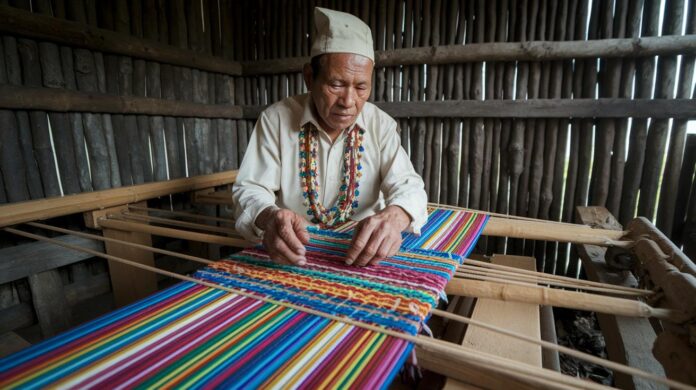

Have you ever thought about how old traditions mix with modern life to shape a community's soul? Indigenous culture gives us a glimpse into practices that have been passed down for generations. Imagine ancient storytelling, unique local languages, and heartfelt community values, all sharing a story of struggle and strength. In this guide, we'll take a closer look at how these rich traditions and deep connections to the land build the heart of indigenous identities. It’s like stepping into a living legacy that still inspires us today.
Comprehensive Overview of Indigenous Culture
Indigenous culture means the traditions, languages, and customs that have been passed down through many generations all over the world. These communities aren’t limited to one area, they stretch across continents, each with its own unique story that shapes its local identity. You can feel the deep connection to nature, the strong traditions, and the art of storytelling that brings history to life with every tale.
In North America, indigenous identity comes from a rich and varied past. Long ago, nearly 600 Native American groups lived in central and southern Texas and northeastern Mexico. Today, around 11 million Texas Hispanics carry on that legacy. Since 1972, the Indigenous Cultures Institute has worked hard to support native rights and self-determination. What started as six school presentations in 2007 has grown into a program with twelve dedicated staff members running twelve major initiatives. Celebrations like Indigenous History Month in June and Indigenous Veterans Day on November 8 remind us of the importance of these living traditions.
Here are some of the key elements that make indigenous cultures so unique:
- Distinct languages that pass on precious ancestral knowledge
- A focus on community and mutual respect
- A deep, respectful bond with the land
- Oral traditions that keep history and wisdom alive
- Practices of self-governance that honor cultural independence
All in all, indigenous cultures play a very important role in shaping our social and historical landscape. Understanding these traditions helps us appreciate strong community values and the endurance of history. Their rich heritage connects art, governance, and daily life, building a bridge from the past to the present. Celebrating these cultures means honoring ancient wisdom alongside modern resilience.
Indigenous History Timeline and Key Figures
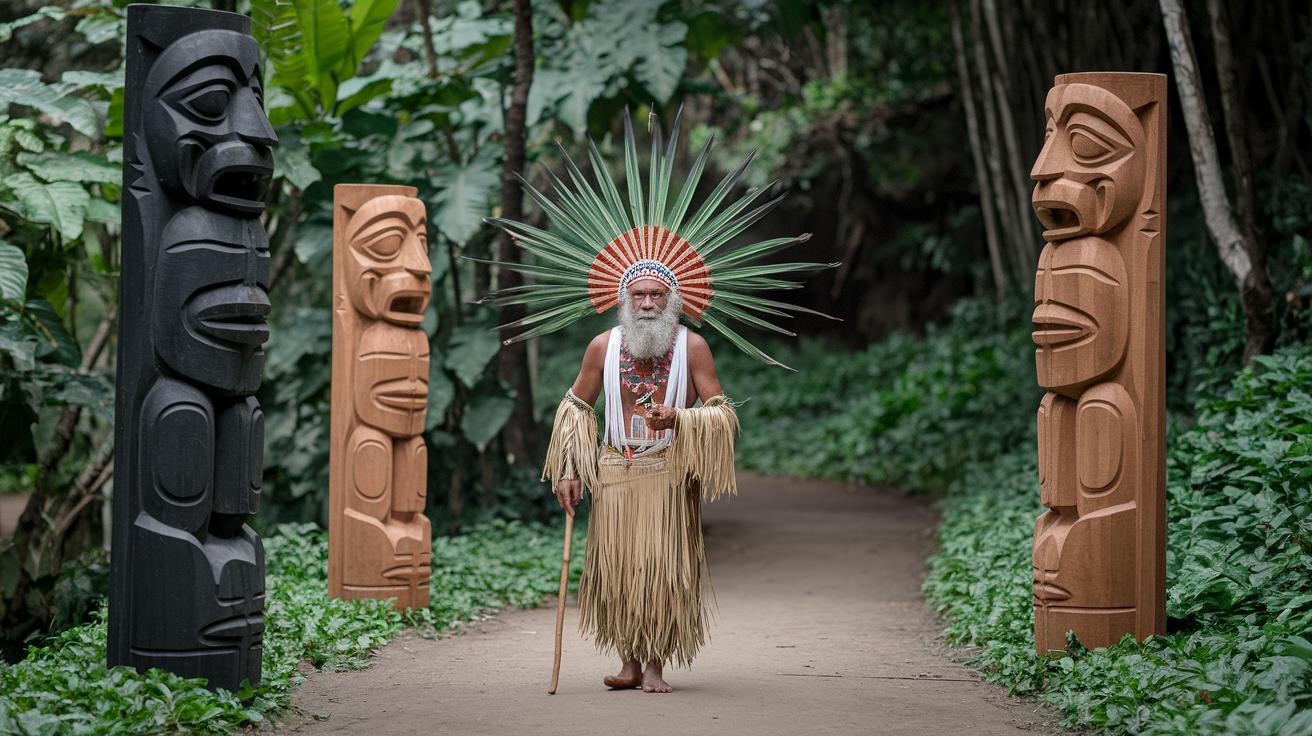
Imagine walking through a time-worn path that brings to life the stories of courageous leaders and events that have shaped Indigenous communities. Before European settlers arrived, Indigenous peoples thrived with bustling trade routes and social systems as vibrant as any modern city. Their advanced civilizations laid the groundwork for traditions and practices that still resonate today.
First, think about the pre-colonial era. Long before contact with Europe, these communities built strong, organized societies that rivaled many of today’s metropolises in ingenuity and connection. Then came European contact, which upended the old ways and ushered in dramatic changes. The arrival of new faces and customs rewrote the everyday lives of these communities.
Next, the reservation era took hold. This was a time of forced relocations and new, strict government policies that redirected the flow of Indigenous life. As the 19th century rolled in, the push westward led to even more displacement of tribes. These events left deep marks on the people and their lands, but they also set the stage for later struggles for justice.
Later on, the civil rights movement sparked renewed calls for recognition and fair treatment. Today, special observances like National Indigenous History Month in June and National Indigenous Veterans Day on November 8 remind us of the deep contributions and rich heritage of these communities.
Some key figures light up this historical journey. Tecumseh, a Shawnee leader born in 1768, united diverse tribes to stand up against territorial loss. Buffalo Calf Road Woman, a brave Lakota warrior from around 1830 to 1920, fought tirelessly to protect her people's freedom and land. And then there’s Wilma Mankiller, the first female Principal Chief of the Cherokee Nation, whose leadership during her lifetime (1945–2010) championed community strength and self-governance.
These snapshots not only honor past hardships and victories but also connect them to the enduring spirit that pulses through Indigenous communities today. It’s a powerful reminder that every celebration and policy we see now builds on a rich legacy of resilience and courage.
Traditional Indigenous Heritage and Ceremonial Practices
Many indigenous communities are built on strong traditions of coming together. In Texas, the Sacred Springs Powwow (October 4–5, 2025) is a lively event where people join for dance contests, hands-on workshops, and the sharing of old stories. Participants, including Coahuiltecan descendants, celebrate their roots by continuing age-old ceremonies and keeping native languages alive. It’s a warm reminder that community celebrations help nurture pride and a sense of belonging.
Across different regions, special rituals mark big moments in life. For example, the Plains tribes hold a Sun Dance that symbolizes renewal and cleansing, and the Navajo Kinaaldá (a festive coming-of-age ceremony) reflects growth and responsibility. In some places, such as with the Maasai Eunoto, these rites tie people closely to the natural cycles of life. These traditions are not only ceremonial; they serve as guides, teaching values like respect, endurance, and supporting one another.
Traditional clothing and regalia make these ceremonies even more special. Whether it’s the detailed beadwork and ribbon shirts of the Plains, the unique Sami gákti, or finely crafted Aboriginal bark paintings, every piece tells a story of art and history. These clothes aren’t just outfits, they carry deep symbolism and personal meaning. Passed down or carefully recreated for special events, they keep the spirit of the past alive and remind everyone of the enduring beauty of indigenous culture.
Indigenous Languages and Storytelling Traditions
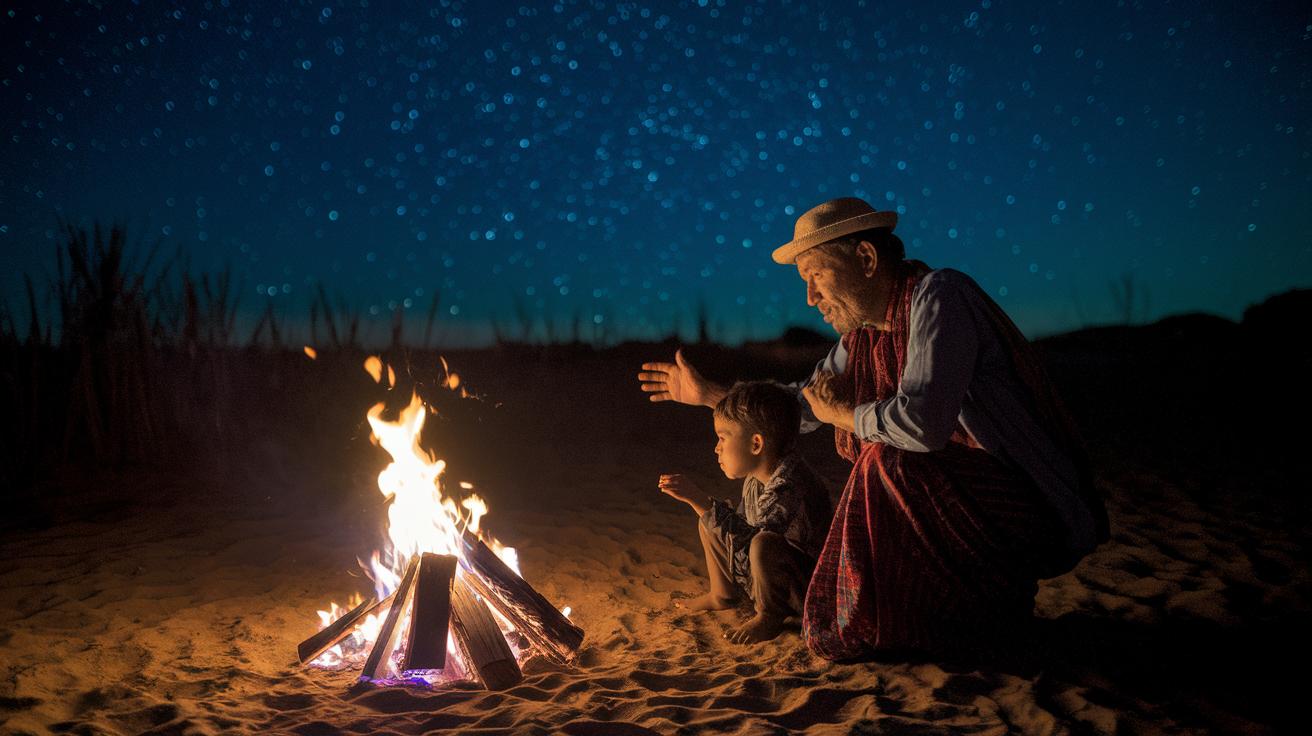
Language is like a colorful messenger, carrying centuries of wisdom, community spirit, and identity. It’s in the voices of elders that we hear lively traditions and treasured memories. Their stories let each generation add to a shared narrative and keep the culture alive.
- Stories about how life began
- Exciting legends of brave ancestors
- Seasonal tales celebrating nature's rhythms
- Healing songs that bring comfort and unity
Today, people are working hard to record these oral traditions, especially in our digital world. Books like "Our Breath of Being: Indigenous Living through Storying Traditions" by Dr. Doreen E. Martinez remind us how powerful storytelling can be for building cultural pride. UNESCO has even warned that many indigenous languages might vanish without help. That’s why communities are turning to digital archives and fun learning programs. For example, Māori language nests and Adivasi literacy programs are keeping native voices vibrant. In the Philippines, Igorot and Cordillera groups use modern tools to save their oral histories. These projects not only preserve ancient tales but also inspire young people to connect deeply with their roots, ensuring that the voices of the past continue to brighten today.
Artistic Expressions in Indigenous Culture
Art has always been a way for people to share ancient traditions with our modern world. Indigenous communities use art, music, and live performances as a heartfelt language to pass on their stories and cultural values. Plays like "Yana Wana’s Legend of the Bluebonnet" not only show off amazing craftsmanship but also weave powerful stories that celebrate their sacred customs. It’s like taking a walk through time, where every stroke of paint or note of music connects the past with the now.
| Art Form | Region | Cultural Role |
|---|---|---|
| Rock Art | San | Old visual tales that share spiritual and community stories |
| Didgeridoo | Australia | Musical instrument that brings the connection to land and tradition alive |
| Powwow Dance | Plains tribes | Vibrant movement and music that celebrates shared identity and strength |
| Contemporary Theatre | Texas | Modern twist on age-old stories shown through performance art |
By blending long-held practices with today’s art forms, indigenous communities continue to shape and inspire their cultural identity. New initiatives like the Indigenous Community Media Fund and Indigenous Writers in Residence help nurture artists, encouraging them to mix old themes with modern ideas. This creative mix not only respects traditional ways but also gives room for fresh experiences and viewpoints. Art remains a lively force, uniting communities with pictures, sounds, and movements that speak to both history and everyday life. Isn’t it amazing how a simple piece of art or a performance can carry the legacy of generations while sparking new ideas?
Indigenous Knowledge Systems and Ecological Practices
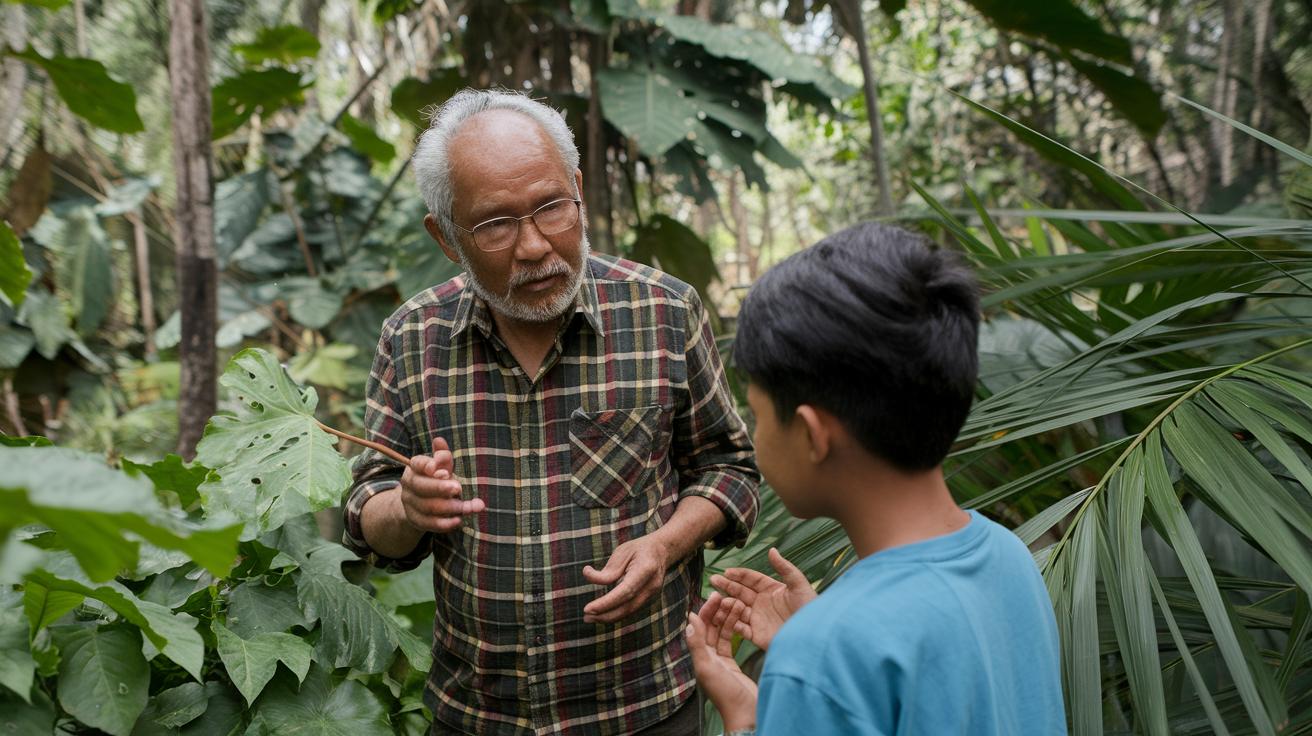
Indigenous ecological knowledge is a treasure passed down by generations that helps people take care of the land. It’s about knowing the natural rhythms, all those quiet cycles, the native wild plants and animals, and how to use resources without overstepping our bounds.
Programs like “Working Effectively with Indigenous Peoples®” bring this wisdom into everyday practice. In these sessions, you’ll pick up simple lessons on talking with local folks, working together, and planning sustainable projects. The PAIR Certification Program even gives you hands-on tips on building respectful partnerships with Indigenous communities. With content offered in both English and French, these sessions let different cultures and ideas meet, helping both government and companies learn a thing or two about caring for our world. It’s like mixing a cherished recipe with a modern twist, blending age-old methods with new ideas for a sustainable future. Think of it as enhancing your understanding of the land and native species, all while learning to adapt to a world that’s always changing.
In short, using traditional ecological knowledge makes a big difference. It encourages ways to live that respect nature’s balance and support the well-being of communities, reminding us that sometimes the old ways have all the answers.
Indigenous Culture: Inspiring Traditions and Identities
Indigenous communities have long fought to protect their land and keep their cultural traditions alive. Take the Miakan-Garza Band repatriation case, for example, they are working to reinter three ancestral remains at the University of Texas at Austin. This effort shows how important it is to honor sacred spaces and traditions, and reminds us that legal support like the United Nations Declaration on the Rights of Indigenous Peoples (a set of rules to help protect indigenous rights) can guide communities as they stand up for their heritage. It’s not just a legal battle but a deep, heartfelt struggle to keep traditions intact and ensure that these holy grounds are respected instead of being taken over by modern development or profit.
Media, education, and policy work together to shine a light on indigenous voices and their rich cultural roots. Friendly initiatives such as the Indigenous Community Media Fund and Indigenous Youth Fellowship help fill in gaps where representation and skills are missing, blending old wisdom with new ideas. Here are some programs making a difference:
| Preservation Program | Focus |
|---|---|
| Ancestral Heritage Program | Safeguarding ancestral traditions and rituals |
| Native Arts Revival Initiative | Encouraging traditional art and cultural practices |
| Cultural Memory and Story Archive | Documenting history and passing down stories |
These programs help pass on language, art, and history from one generation to the next, instilling pride especially among the young. Local policies that focus on self-determination have also paved the way for communities to bring back lost practices and revive traditions that might have faded over time. Grassroots education and media efforts give indigenous cultures a stage to share their true stories and keep their heritage thriving.
There’s a powerful, growing resilience among indigenous communities today. Their ongoing advocacy for native land rights, the preservation of cultural memory, and fair representation reminds us that while modern challenges are many, they can be met with a blend of ancient wisdom and a heartfelt commitment to tradition. This spirit of resilience is something truly worth admiring, wouldn’t you agree?
Indigenous Cultural Festivals and Community Celebrations
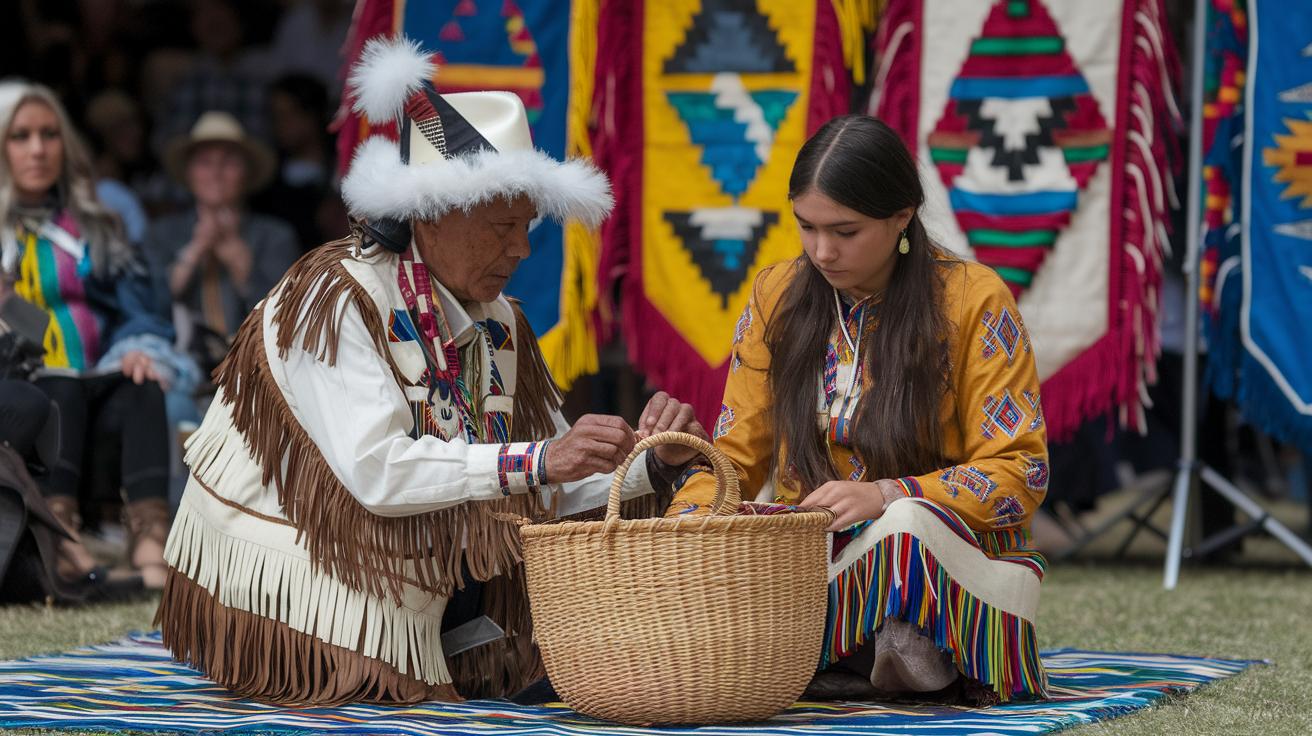
Indigenous festivals and community gatherings offer a lively way to keep old traditions fresh and alive. At these events, elders pass down skills and share heartfelt stories with younger family members, making every moment feel like a walk through history.
Ever wonder why a celebration feels so much more than just a party? Think of events like the Sacred Springs Powwow in Texas (October 4–5, 2025), National Indigenous History Month in June celebrated nationwide, National Indigenous Veterans Day on November 8 in many communities, and seasonal Cultural Bazaar gatherings held locally. These festivals put on dance contests, craft workshops, and delicious culinary displays that invite everyone to experience a burst of cultural pride.
Watching young dancers take part in a traditional contest is like seeing a living piece of history passed from one generation to the next, simply unforgettable.
Final Words
in the action, we unpacked the essence of indigenous culture through rich stories, timelines, and artistic expressions. We saw how historical events, profound traditions, and language preservation all shape community values and self-determination.
This deep dive sheds light on the vibrant spirit and resilience behind indigenous culture. It feels like sharing a well-kept secret about the beauty of local heritage. The insights here remind us that every visit brings a new way to see the world, full of wonder and hope.
FAQ
What are Indigenous cultures and can you give examples of their practices?
The term “Indigenous cultures” refers to communities with unique worldviews and rich traditions. These practices can include language storytelling, ceremonial dances, distinctive attire, and a profound connection with the land.
What are some examples or a list of Indigenous peoples?
A list of Indigenous peoples includes diverse groups worldwide, such as Native American tribes, the Sami in Northern Europe, and the Maori in New Zealand. Each group carries distinct traditions passed down over generations.
What is the importance of Indigenous culture and what are its key characteristics?
Indigenous culture is vital because it preserves unique languages, community values, oral traditions, a deep connection to nature, and self-governance. These elements help maintain the rich history and identity of native communities.
How were gender roles in Indigenous cultures different from those in European cultures?
Gender roles in Indigenous cultures often embraced flexible responsibilities and balanced contributions within communities. This contrasts with the historically more rigid roles seen in European cultures, highlighting different societal values.
What does the number 7 signify in Indigenous culture and what makes a person Indigenous?
In some Indigenous cultures, the number 7 holds spiritual meaning and symbolizes balance or cycles. A person is recognized as Indigenous by their ancestral ties, cultural practices, and membership in native communities.
What are Indigenous culture dances and community celebrations?
Indigenous culture dances are lively expressions of heritage, often showcased during festivals and community gatherings. These celebrations reinforce social bonds and convey historical stories and traditions through rhythmic movements and music.