
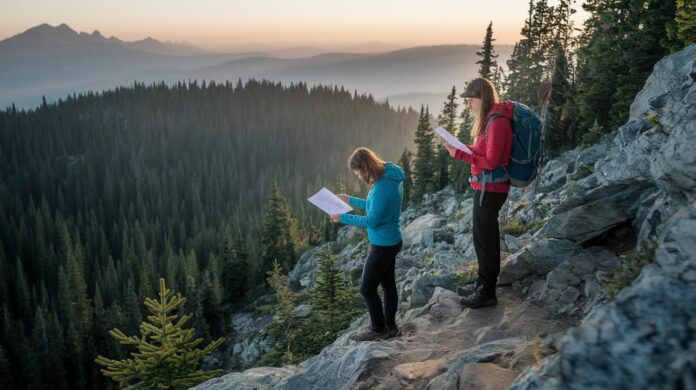

Ever thought that missing one simple safety tip might turn your calm hike into an unexpected challenge? Planning ahead makes all the difference.
Think of your gear as a loyal team, ready to support you when nature decides to surprise you. Sharing your planned route with a friend and checking the weather before you set out can really pay off. It’s like setting up a safety net that keeps your adventure smooth and secure.
Core Safety Guidelines for Hikers
Before you lace up your boots, take a moment to plan your adventure. Think of it like mapping out a mini-journey: know your path, check the weather, pack all your essentials (think of them as your "survival kit"), and be ready for any surprises nature might bring. And don’t forget to share your plan with a friend, it’s like leaving a little trail marker for your safety.
- Let a trusted friend know your route, when you’ll start, and when you plan to return.
- Pack the “10 Essentials” such as a compass or navigation tool, enough water, a first aid kit, extra clothes, a headlamp, and even a simple shelter for emergencies.
- Take a moment to check the weather forecast for any sudden storms or temperature changes before you head out.
- Consider bringing a two-way satellite messenger so you can send an SOS if cell service disappears.
- Keep a noise-maker handy and pack bear spray to help keep any wild encounters at a safe distance.
- Run through a quick safety checklist before you leave, making sure your gear and emergency contacts are sorted.
- Dress in proper hiking clothes that can handle sudden shifts in the weather.
- Stay well hydrated, aim to drink about one liter every two hours and add electrolytes when it gets really warm.
- Keep an eye on your surroundings by checking trail markers and staying aware of the path ahead.
- And if things start to feel off, whether it’s fatigue, bad weather, or unexpected hazards, know that it’s perfectly okay to head back.
Every tip here works together like pieces of a puzzle, creating a reliable safety net on your hiking adventures. Take these steady steps today, so you can enjoy many safe returns tomorrow.
Planning and Preparation for Safe Hiking

Kick off your adventure by checking out trusted sources like AllTrails Pro. Look over details such as the trail’s distance, elevation gain, water crossings, and rocky spots to get a feel for the challenge ahead. Think of it like sketching a simple roadmap for your day, knowing the twists and turns in advance helps you steer clear of surprises. Have you ever measured a trail’s curves in your mind before setting off?
Next, consider who you'll be exploring with. Do you feel like joining a group, or would you prefer the safety of a reliable hiking buddy? If you decide to go solo, choose a trusted operator and always let someone know your route, start time, and expected return. And here’s a tip: travel insurance that covers emergencies up to $100K is like having an extra safety net when things don’t go as planned.
Finally, get both your body and mind in the game. Build a simple pre-hike fitness routine and plan your pace, especially if you're aiming for high altitudes. Gradually increase your effort and remember to take regular breaks along the way to keep your energy steady. These small steps really set you up for a safe and enjoyable hike.
Essential Gear and Equipment Selection for Hikers
Before you hit the trail, planning what gear you'll take can make your adventure safer and more enjoyable. Think of it as preparing your own portable safety kit that grows with each twist and turn of your journey.
Picking the right equipment is like creating a little toolbox for your hike. I've put together a handy list of items that offer balance, protection, and dependability along the way.
| Item | Purpose | Notes |
|---|---|---|
| Hiking Boots | Grip, support, and stability | Make sure to wear them for a while before long hikes. |
| Layered Clothing | Regulate your body temperature | Wear a base, mid-layer, and a wind/rain-resistant outer shell that also protects you from the sun. |
| Navigation Tools | Help you find your way | Bring along a paper map, compass, and a GPS messenger (a device that shows your location). |
| Hydration Supplies | Keep you from getting dehydrated | Plan on about 1 liter every 2 hours plus some extra electrolytes in hot weather. |
| First Aid Kit | Treat minor injuries | Pack a small kit with band-aids, antiseptic wipes, a bandana, and a few essential medications. |
| Emergency Communicator | Send SOS signals | Consider a satellite messenger that even has a search and rescue (SAR) insurance option. |
| Trekking Poles | Keep your balance | They are especially useful on rocky paths and crossings. |
| Insect Protection | Keep bugs at bay | Include some bug spray and measures to prevent tick bites. |
Remember, the gear you choose should fit both the landscape and your own needs. Adjusting what you pack based on weather and terrain can be the difference between a smooth hiking experience and a scramble for solutions. It's a bit like putting together the perfect toolkit that always has just what you need when you need it.
Navigation Skills and Route Planning for Hikers in the Wild
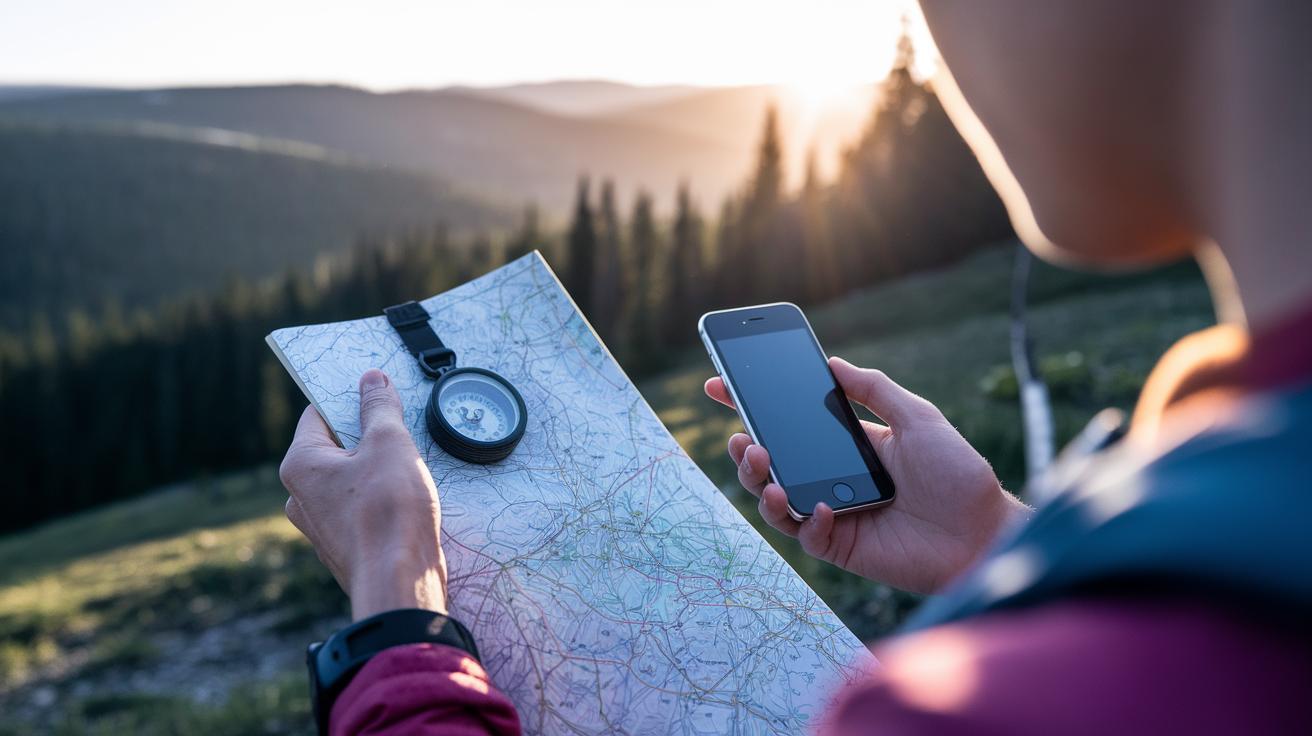
When you step off the beaten trail, knowing your way around is key. A mix of trusty paper maps and modern digital tools ensures you stay on course, even when technology might let you down. It’s all about combining smart gadgets with the natural clues around you.
Maps, Compasses, and Traditional Navigation
Bring along a clear topographic map and a reliable compass, and spend a little time learning how to use them. Paper maps help you see the whole route, including marked trails and changes in elevation. This simple method builds a clear picture in your mind, so you’re prepared when digital signals fade.
Digital Navigation Apps and GPS Devices
For a more modern touch, download offline trail maps from reliable apps and keep your device charged. These tools offer real-time updates about your location and trail conditions, especially when cell service is scarce. A portable charger can be a real lifesaver to keep you connected during your entire hike.
Natural Wayfinding: Using Sun, Stars, and Terrain
Sometimes nature itself offers the best guidance. Learn to note the sun’s position during the day or use familiar landmarks to keep your bearings. At night, the stars and the natural shape of the land can guide your way. This approach not only helps you stay safe but also deepens your connection with the great outdoors.
By mixing old methods, digital aids, and natural cues, you create a solid toolkit for navigating any trail. This balanced approach helps you gauge distances, stick to your route, and keep an eye on any changes around you, making your hike both safe and memorable.
Emergency Procedures and First Aid Advice for Hikers
When you're out on a hike, it's important to be ready for unexpected mishaps. I always carry a whistle and a small mirror that reflects sunlight, they can quickly grab someone's attention if things go awry. Think of these tools as your first line of safety when a situation takes a sudden turn.
It's also smart to know a few basic first aid techniques for minor scrapes or blisters. Keep a little first aid kit on hand so you can clean and cover any cuts right away. And if you're bleeding heavily, press on the wound and keep any sprained limbs raised until you can assess the situation or get help.
If you find yourself needing to signal for assistance, using the whistle in tandem with the reflective mirror creates both sound and light signals that rescuers can notice. I like to practice simple drills so that when I need to shout "SOS," I feel calm and confident. These little rehearsals can really make a difference in an emergency.
Lastly, remember to check yourself regularly on the trail. Look for ticks to help prevent any chance of Lyme disease and keep an eye on any bumps or injuries along the way. By making these checks part of your routine, you'll feel more secure and ready to handle any mishaps that might pop up unexpectedly.
Weather Contingency Planning and Environmental Hazard Awareness for Hikers
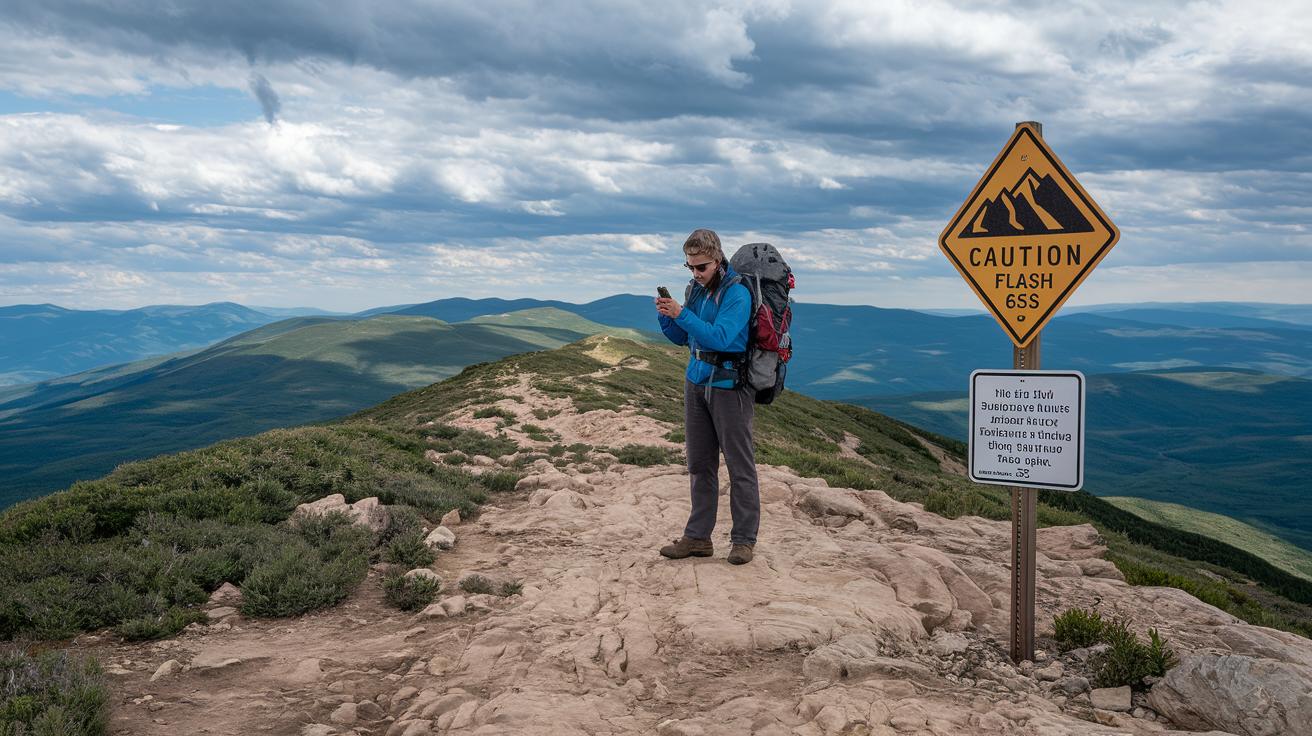
Before you set out on your hike, take a moment to check the weather forecast and wind speeds. Use tools like NOAA weather radios or real-time apps to keep track of any sudden changes. If you see flash flood warnings or lightning risks, be ready to modify your route. It’s like packing an extra layer of planning for an unexpected storm.
While mapping your hike, stay alert to natural dangers. Watch for alerts about flash floods, avalanches, rockslides, and landslides. After heavy rain, avoid river crossings unless you're sure of safe techniques. And if you’re in an area with rattlesnakes, it’s smart to carry a snakebite kit and some insect repellent. Keeping aware of these risks can help you steer clear of trouble.
When choosing a campsite, opt for areas on higher ground and far from known flood paths. Always bring a lightweight tarp or portable shelter in case the weather turns severe. Follow safe campfire practices to reduce wildfire risks, and have a clear plan for finding shelter if conditions worsen. This careful, step-by-step approach helps keep you safe when nature shows its unpredictable side.
Health, Hydration, and Nutrition Strategies for Safe Hiking
When you’re on the trail, staying hydrated makes all the difference. Try to sip at least one liter of water every two hours, and if it’s hot out, mix in some electrolytes. Small, steady sips work better than gulping big swigs, kind of like topping off your car’s fuel tank bit by bit during a long drive.
Planning your snacks is just as important as planning your route. Pack high-calorie treats and a few energy bars for those unexpected moments when you need a quick boost. These little bites can give you the energy to keep going, just like a surprise pick-me-up when your stomach starts to complain.
If you’re hiking over 6,500 feet, take it slow to avoid altitude sickness. Climb gradually and listen to your body’s hints. Keeping well-hydrated and having foods packed with energy can really help you maintain a smooth, steady pace even as the air gets thinner.
Remember to take breaks along the way. Short rest stops let you check your energy, stretch your legs, and enjoy the scenery before moving on. These pauses are a simple, effective way to keep you feeling fresh throughout your adventure.
Safety Tips for Hikers: Steady Steps Ahead
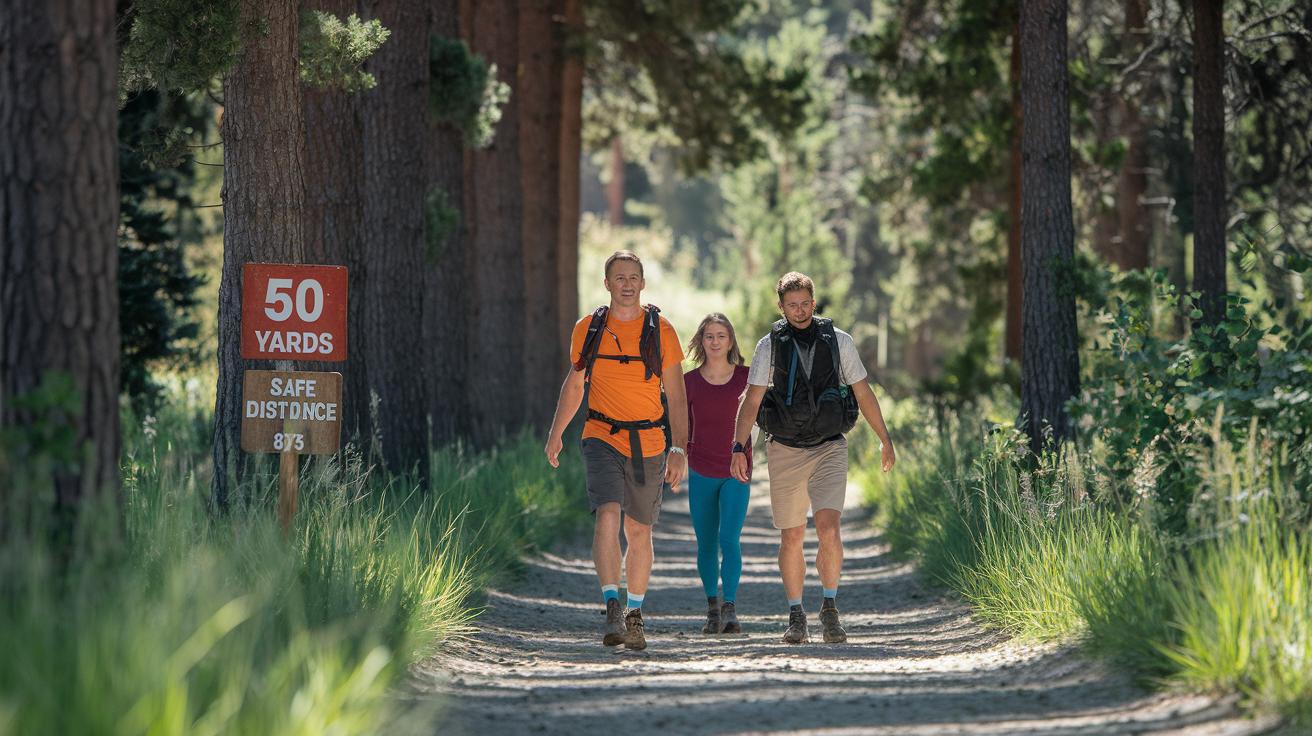
When you hit the trails, it’s smart to know a bit about the local wildlife. Get familiar with the animals in the area and keep a safe distance, think about staying at least 50 yards away from big critters. If you come face-to-face unexpectedly, making noise or using bear spray (a deterrent for large animals) can really help. I like to pack pepper spray or a personal alarm just in case, so you’re always ready and respectful of nature’s own space.
Hiking with friends? Communication is key. Set up a buddy system with simple signals, maybe a whistle tune that everyone knows. This way, if someone wanders off, the group can quickly reconnect. Sharing live GPS spots with one another is a neat trick too; it keeps everyone informed and helps avoid surprises along the path.
For those trekking solo, with kids or elders, or even with pets, a few extra measures go a long way. Solo hikers, for example, should always share their GPS location with someone they trust, and keep an eye on those gut feelings when things don’t feel right. If you’re hiking with little ones or older family members, adjust your pace and lean on items like trekking poles to ease the strain. And don’t forget about your furry friends, their collar should be reflective, they should stay leashed, and plan for breaks so everyone can enjoy the journey safely.
Post-Hike Safety Review and Leave No Trace Ethics for Hikers
After a good hike, always try to leave nature just the way you found it. Pack out all your trash and steer clear of anything that might hurt a water source. If you decide to warm up by a campfire, use the fire rings provided and be sure every ember is out before you head off. Staying on marked trails also helps protect the area and keeps erosion in check. It’s a simple way to show respect for the outdoors and inspire others to do the same.
Take a few moments to think back on your day outdoors. Consider what gear worked well and note any moments when things felt a bit risky. Write down these observations and tweak your checklist or route for your next adventure. This little review acts like your own safety guide, helping you learn from each trip. Whether it’s a change in your equipment or a new route, every tweak makes for a smarter and safer hike next time.
Final Words
In the action, we explored careful planning, essential gear choices, and smart navigation techniques that keep one safe on the trails. We touched on preparing for emergencies, managing weather shifts, and staying fueled and hydrated for long days outdoors. Trusting your instincts and practicing Leave No Trace ethics means every step is taken with care.
Keep this guide handy and remember these safety tips for hikers as you head out to explore new paths with confidence.
FAQ
What are some safety tips for hiking?
The safety tips for hiking highlight careful planning, sharing your route with someone, packing the 10 essentials, checking the weather, and being ready to turn back if conditions worsen.
What are hiking safety tips for kids?
The hiking safety tips for kids stress keeping young ones close, using appropriate gear, sticking to easier trails, and ensuring clear communication among family or guardians.
What hiking safety equipment is needed?
The recommended hiking safety equipment includes sturdy boots, layered clothing, reliable navigation tools like maps and GPS, hydration supplies, a compact first aid kit, and emergency communicators.
What are safety tips for swimming?
The safety tips for swimming advise checking water conditions ahead of time, using life jackets if needed, swimming with a buddy, and being mindful of strong currents or deep water.
What are the 10 essentials when hiking?
The 10 essentials for hiking include a map and compass, sufficient water, a first aid kit, extra layers, a headlamp, an emergency shelter, sun protection, snacks, a communication tool, and a fire source.
What is the #1 danger on the trail?
The #1 danger on the trail is improper planning, such as not sharing your itinerary and overestimating your ability to handle unexpected weather or terrain challenges.
What is the golden rule of hiking?
The golden rule of hiking is recognizing your limits and being willing to turn back when conditions become unsafe, keeping your wellbeing as your top priority.