
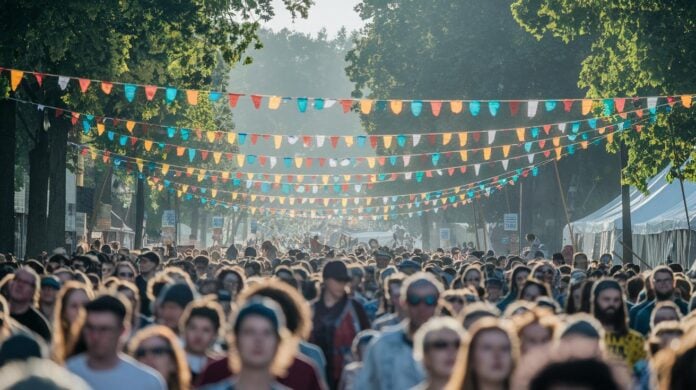

Have you ever wondered if traveling could also help protect our treasured traditions and care for the planet? Imagine a festival where art, music, and local customs come together without harming the special places we all love.
Picture this: you join a gentle tea ceremony in Japan, feeling the calm of centuries-old rituals, or you wander through Milan, amazed at art crafted from old, repurposed materials. It's a mix of adventure and respect for the earth that's as refreshing as a cool breeze on a sunny day.
This guide shows you how to blend fun with eco-friendly choices. Each thoughtful step you take not only supports local communities but also helps keep our history alive for future explorers. Next time you travel, why not choose a journey that celebrates both joy and the care of our shared home?
Eco-Friendly Cultural Festivals Travel Fundamentals
Sustainable cultural festival travel means planning your visit in a way that helps protect cherished sites and local traditions for years ahead. For example, timed entry passes at Stonehenge cut down on wear and tear, while visitor limits at Angkor Wat let you admire its beauty without overcrowding. Limited-access tickets at Machu Picchu and reinvestment in Petra are clear signs that you can enjoy culture while caring for history. Even parts of the Great Wall of China are carefully managed, making sure future eco-conscious travelers can enjoy this ancient landmark.
Arts festivals, whether they're about literature, film, theater, or music, bring an exciting burst of local creativity to life. Imagine stepping into a small weaving workshop in Oaxaca or taking part in a traditional Japanese tea ceremony. These moments connect you with genuine, time-honored traditions and offer a heartfelt nod to local artisans.
Ever wonder how little actions can spark big change? Traveling with purpose means every step, even the smallest, counts. I remember a guided tour I took at a restored historic site, each step felt like I was adding to a beautiful patchwork of living history.
When planning your journey, choose eco-friendly ways to travel. Public transit, biking, or simply walking not only lower your carbon footprint but also let you soak in the local vibe. For handy ideas, check out practical guides on local transportation that share easy tips for sustainable travel.
By picking low-impact heritage tourism, you're not just exploring memorable landmarks and cultural gems, you’re also helping local communities thrive and keeping those timeless traditions alive for future adventurers.
Top Sustainable Cultural Festivals Around the World
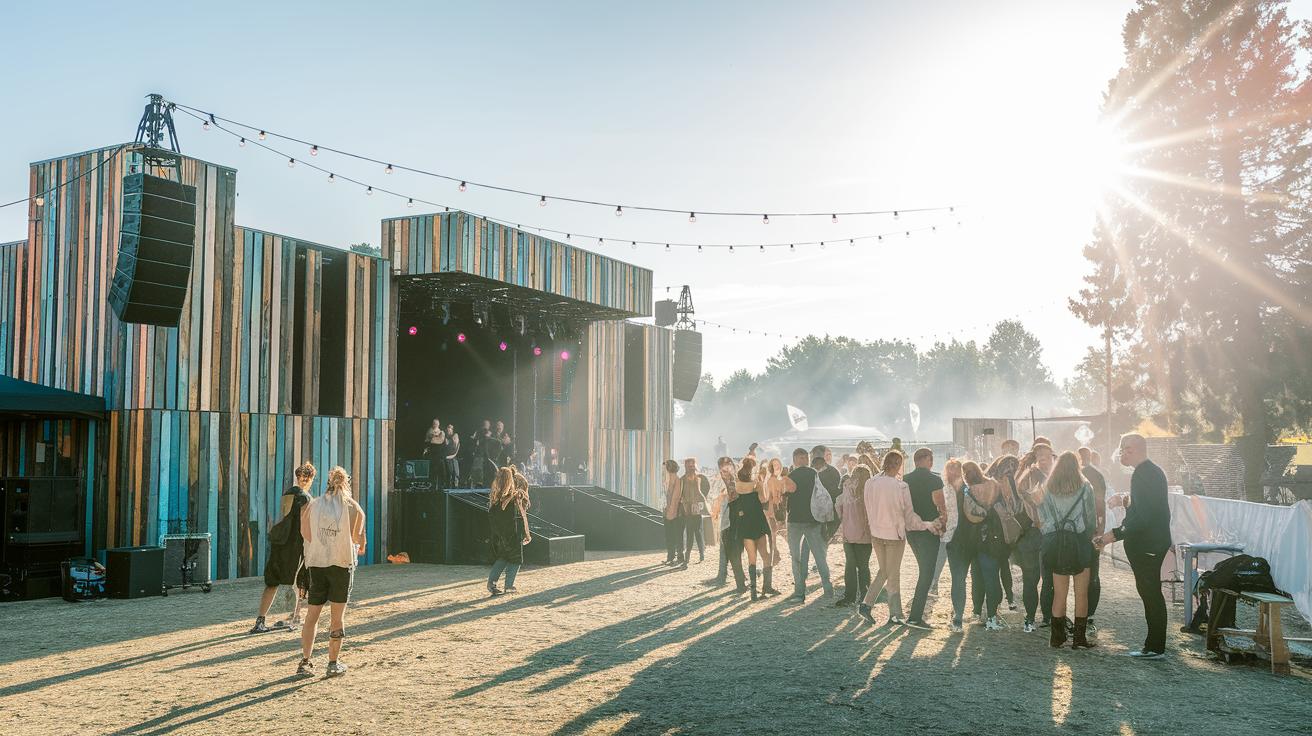
Terraforma, Milan, Italy
Terraforma is a three-day eco-festival in Milan where sustainability comes first. The stages are built using reclaimed wood and recycled steel, and every detail, from recycling stations to compost bins and biodegradable dinnerware, is planned with the planet in mind. You can join hands-on workshops that share simple tips on reducing waste while listening to engaging lectures and dancing to energizing DJ sets. It’s a chance to learn and have fun at the same time.
Oyafestivalen, Oslo, Norway
Since 1999, Oyafestivalen has been a champion of eco-friendly fun in Oslo. Instead of noisy generators, the festival runs on power from the city grid, and it encourages guests to travel by bus, bike, or on foot. Food vendors bring creative plant-based dishes to the table, earning the festival awards like the 2020 AGF Circular Festival Award and the International Greener Festival Award. Imagine pedaling through lively city streets while savoring fresh, sustainable flavors.
DGTL Amsterdam, Netherlands
Every April, DGTL in Amsterdam transforms into the world’s first circular festival. The event serves up plant-based menus, follows strict recycling routines, and works hard to cut down on food waste, efforts that have won it two AGF awards. Every moment at DGTL is a celebration of eco-conscious creativity, where each sound, taste, and sight speaks to a deep commitment to our planet.
Beer and Flowers Festival, Laško, Slovenia
In Laško, summer brings the annual Beer and Flowers Festival, a relaxed event where local bands play and regional floral displays brighten the scene. The festival is easy to explore on foot, and during beer tastings, they use reusable cups and cutlery to keep waste low. It’s a welcoming spot where traditional charm meets a thoughtful, green spirit.
Shambala, Northamptonshire, UK
Shambala is a four-day celebration in Northamptonshire that welcomes around 15,000 guests, including families. With attractions like circus acts, quirky drag bingo, and special areas for kids, there’s plenty for everyone to enjoy. Eco-friendly touches like Recycling Exchanges, plant-fiber dinnerware, and incentives for car-free transport make this festival vibrant and accessible. It’s proof that sustainable celebrations can be both fun and full of heart, honoring cultural heritage with passion.
Planning Your Sustainable Cultural Festival Itinerary
Plan to spend a couple of days at each festival, two or three days should do it, to really soak in the atmosphere and all the cultural gems. It’s a smart move to secure your tickets and book workshop spots ahead of time. This not only makes your day smoother but also supports the local organizers and helps keep the venue beautiful. I usually start by checking the daily lineups and special exhibits. For example, I reserve a spot at a craft workshop in the morning and then catch a pop-up performance later in the day.
Mix in some planned activities like cooking demos or artisan-led classes with spur-of-the-moment stops at local markets. This approach keeps your schedule flexible and fun, allowing you to dive into any unexpected cultural treat that comes your way. Plus, spacing out your visit during peak times can help you avoid the big crowds at heritage spots, giving you a calmer, more personal experience.
Imagine your eco-friendly festival day as a little adventure: begin with a traditional demo in the morning, take a relaxed stroll through historic stalls in the afternoon, and round off the day by sampling local treats at a food market. This thoughtful planning not only deepens your festival experience but also plays a part in keeping these cultural sites vibrant and preserved for future explorers.
Sustainable Festival Travel Tips for Eco-Conscious Travelers
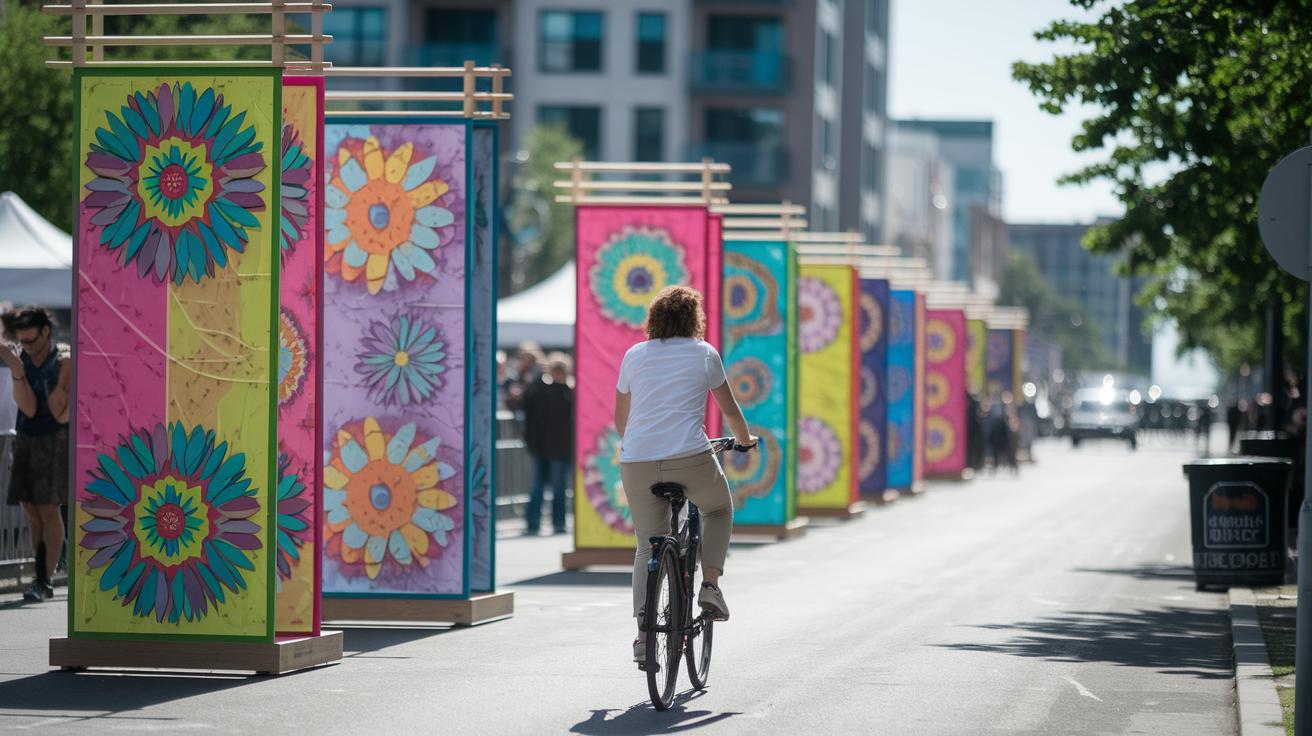
When you head from one festival spot to another, try hopping on a bus, pedaling on a bike, or even strolling along the streets. It’s a fun way to cut down on pollution and soak in all the local charm. Just picture yourself riding past lively art displays while the gentle breeze brushes your face, so much more memorable than being stuck in traffic.
Next, look for festivals that offer plant-based food treats and even compost their waste on-site. This not only keeps things green but also means you get to taste clean, sustainable eats. A little trick I swear by: always pack a reusable water bottle and some handy utensils. With these, you’re showing the world how to reduce waste, plus, it feels great to lead by example.
Also, support your local scene by buying crafts and enjoying meals prepared by local chefs. Spend some time browsing stalls where talented artisans showcase beautiful handmade items, and savor the flavors of regional dishes cooked with care. It might even be a good idea to wear clothing you can use in different settings, so whether you’re outdoors dancing or inside enjoying a workshop, you’re all set.
Finally, if you’re using any form of transport that still impacts the environment, consider joining a carbon-offset program. Think of it as giving a little gift back to nature, almost like planting a tree for every mile you travel.
Engaging Responsibly with Local Communities at Festivals
Getting involved in local festivals isn’t just about enjoying a show, it’s about connecting with the people who make these events so special. When you join a workshop led by local artisans, you get the chance to learn classic skills, like shaping clay for pottery. Imagine a craftsman saying, "I learned this from my grandmother." It reminds you that every skill has a story and deep roots in tradition.
Community music and dance shows are wonderful too. These performances often use rhythms and steps passed down for generations. And if you’re up for it, try a walking tour with local residents. They may show you hidden alleys or share a favorite family recipe during a food tasting. It’s always a good idea to ask before taking a photo of a special cultural moment and to follow any dress codes at sacred places.
Buying souvenirs directly from local makers does more than bring home a memory, it supports the people who keep these traditions alive. Hotel staff and festival volunteers can be like friendly guides, ready to reveal secret cultural spots and share practical tips that you might otherwise miss.
Every small, thoughtful action helps build a real connection with the community. When you show respect for local customs, you make your festival experience even richer. Being a genuine guest means honoring traditions and supporting local life every step of the way.
Eco-Friendly Accommodation and Transport Options for Festival Travel

Booking a place to stay that’s certified green is a great way to enjoy your trip while staying kind to nature. You might try eco-hotels or sustainable hostels that use energy-saving measures and recyclable items. Farm stays are another cool option, they come with a rustic feel, locally grown meals, and eco-friendly practices. Often, these spots even put a bit of your fee into local environmental projects, which helps both the area and our planet. Picture arriving at a snug eco lodge that reflects local charm, where every detail shows a love for sustainability.
Campgrounds that follow leave-no-trace rules are also a smart pick. They encourage visitors to keep the area natural and minimize waste. And if you prefer a flexible vibe, you could set up camp under the stars, knowing that every effort is made to keep things pristine.
When it’s time to get around, think about using ride-share options, electric shuttle buses, or buses organized by the festival. Renting a city bike or e-scooter lets you explore winding streets at your own speed. Some festivals even create special bike routes, imagine pedaling on lanes away from traffic, just like at Oyafestivalen! And at other events, like Shambala, car-free ideas help you move around quietly and without stress.
Choosing these green ways to travel and stay not only cuts your carbon footprint but also supports local businesses dedicated to keeping our world beautiful. Every little decision makes our cultural treasures shine a bit brighter for the next traveler.
Final Words
In the action, this guide explored how to enjoy cultural festivals while keeping our impact light. We shared insights on event fundamentals, highlighted eco-friendly festivals around the world, and offered tips to plan memorable itineraries with a local twist. Along the way, the article touched on engaging with communities, smart accommodation choices, and hands-on transport methods. This sustainable cultural festivals travel guide is meant to spark your enthusiasm and help you plan trips that feel both authentic and kind to the environment. Enjoy every moment out there!
FAQ
What does sustainable cultural festival travel mean?
Sustainable cultural festival travel means attending events that focus on preserving heritage sites, using timed entries, and promoting plant-based food and recycling. This approach supports local traditions with a low environmental impact.
Which festivals are known for their eco-friendly practices?
Iconic festivals in Italy, Norway, the Netherlands, Slovenia, and the UK set examples with reclaimed materials, plant-based menus, and walkable layouts. These events lower environmental impact and celebrate local culture in creative ways.
How can I plan a sustainable festival itinerary?
A sustainable festival itinerary involves booking tickets and workshops early, checking daily schedules, and mixing planned activities with free time. This blend ensures an immersive experience while helping reduce crowding at popular sites.
What travel tips help lower environmental impact at festivals?
To lower your impact, choose public transit, bikes, or walking routes. Carry reusable water bottles and utensils, and attend festivals that offer on-site composting and ethical food options to keep your carbon footprint small.
How do I engage responsibly with local festival communities?
Responsible community engagement means joining local craft workshops, guided food tastings, and cultural tours. Respect local customs by following photo guidelines and buying handcrafted items directly from local makers.
What eco-friendly accommodation and transport options are best for festival travel?
The best options include staying at green-certified lodgings and using eco-friendly transport like electric shuttles, ride shares, or bike rentals. These choices help support local projects while reducing your overall carbon footprint.