


Have you ever wondered why so many travelers get stressed out planning every detail? It can feel like too much sometimes. You need to choose travel dates, fill out paperwork, and keep an eye on your spending. I’ve been there too.
What really helped me was a simple checklist. Think of it as your friendly guide (a tool that shows you what to do step by step). It breaks down every part of your trip in an easy, clear way.
With this checklist, you can set your schedule and manage your budget without the extra fuss. Imagine feeling confident and free, ready to enjoy every moment of your journey.
Core Trip Planning Checklist Overview
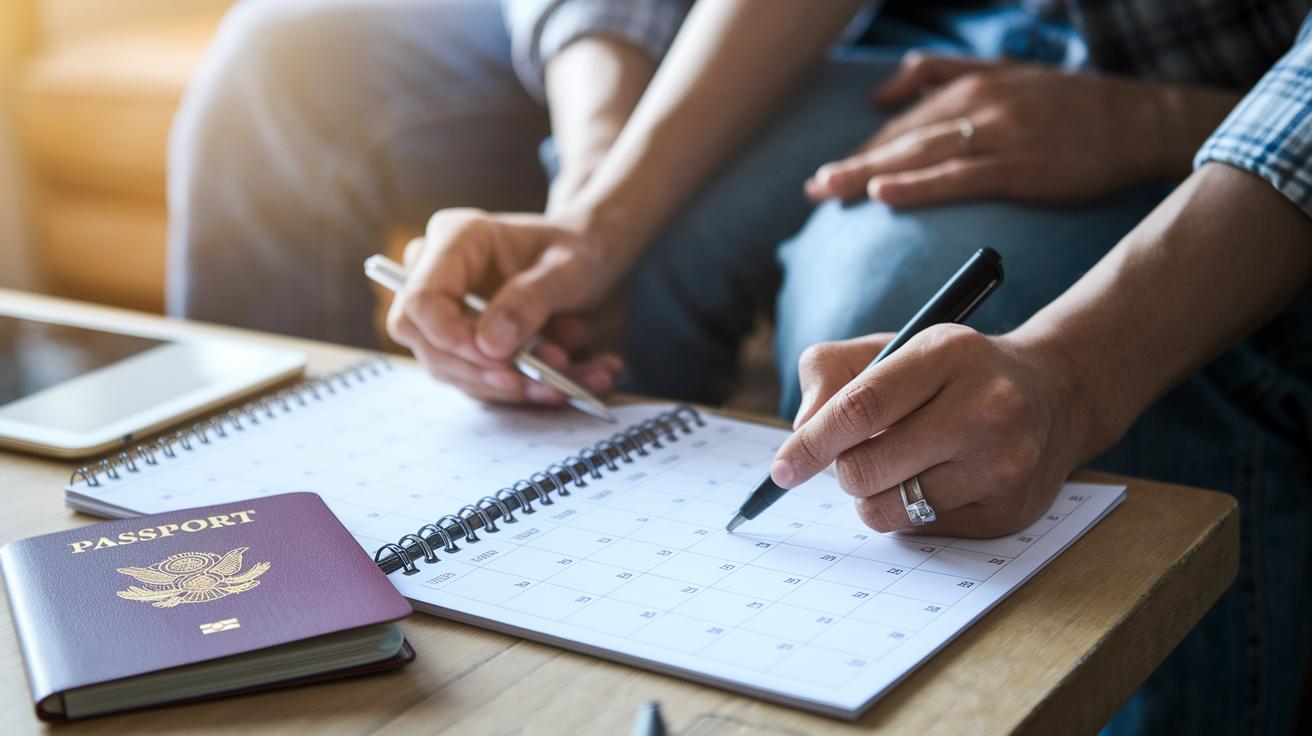
Start your journey by picking your travel dates about 6 to 12 months ahead. This early start gives you time to request time off and sort out care for your pets or kids. Imagine not having to rush into plans when everyone’s busy with school and work.
Then, figure out a budget that feels right. It's a lot like catching off-season deals on a cozy hotel. With a clear budget, you can manage your money better and even find some special discounts.
Next, choose your destination carefully and double-check your passport. Make sure your passport is valid for at least six months after your return, if you can, a full year is even safer. Taking this step can save you from any issues at the border.
Also, look into whether you need a visa or an electronic travel authorization. And while you're at it, check with your local clinic or a travel health expert about any needed vaccinations.
Before you set off, buy travel insurance and let your bank know about your travel plans so your cards stay active. Lastly, update your mobile plan or get an international SIM card so you always stay connected on your adventure.
All in all, this little roadmap makes sure you cover everything, from picking the right dates to checking those important documents. Each step helps set the stage for a smooth, stress-free trip.
Pre-Trip Tasks for Your Checklist
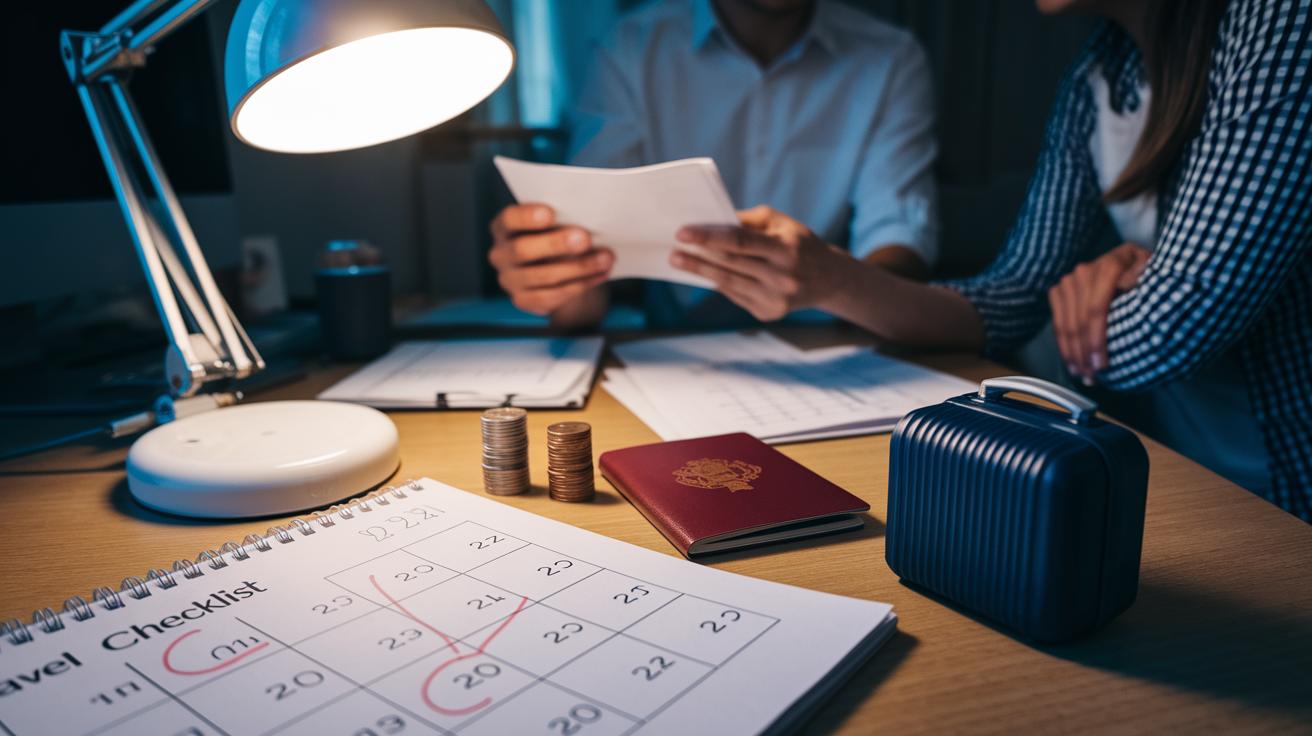
Before you set off on your adventure, use this handy checklist to cover all your bases without repeating what you’ve already planned. It’s like having a travel buddy remind you of all the little details.
- Make sure you’ve pinned your travel dates on the calendar and arranged help for things like childcare or pet care. I always mark my vacation on my calendar and lock in pet care well in advance.
- Plan your travel budget by thinking about off-season deals and any special activities you want to try. For example, I set aside extra money for a food tour I didn’t want to miss.
- Check your passport’s expiry date and apply for any needed visas or travel authorizations (such as ETIAS or eTA) ahead of time. I made sure mine was valid and got my eTA sorted early.
- Look into any vaccinations you might need based on your destination and book an appointment at your local clinic if required. I scheduled my vaccine visit after reading the travel advisory.
- Let your bank and credit card companies know about your travel plans to keep your transactions smooth overseas. A quick call to my bank once saved me from payment issues abroad.
- Refresh your mobile plan by updating your data or roaming package so you can stay connected while exploring. I switched to a travel plan that suited my destination’s network perfectly.
- Reserve tickets for events, tours, or even your favorite restaurants ahead of time to dodge those last-minute surprises. Booking early saved me from waiting in long lines at a popular museum.
- Collect all your important travel documents and keep them safe, with digital backups if possible. I like saving scans of my itinerary and passport in a secure cloud folder.
Checking off these tasks well before your trip means less stress when you’re about to leave, and more time to enjoy every moment.
Packing Essentials Checklist for Your Trip

Make packing a breeze with our handy printable checklist. This guide organizes your gear into clear, easy categories so you can pack smartly, travel light, and focus on enjoying every moment of your adventure.
-
Clothing:
- Bring base layers that work with the local weather to keep you cozy.
- Pack rain gear so you stay dry if a sudden shower hits.
- Include a set of nicer clothes for any special occasions.
-
Toiletries:
- Use travel-size bottles for shampoo and soap.
- Remember to carry any prescription medications in their original bottles.
- Toss in a few small first-aid items like bandages and antiseptics.
-
Electronics:
- Don’t forget your smartphone, its charger, and a portable power bank.
- Pack a universal adapter so you can plug in your devices no matter where you are.
-
Documents:
- Keep your passport and a printed copy of your travel plan (itinerary means a plan for your trip) ready for smooth border checks.
- Bring along hotel confirmations and your travel insurance details for extra peace of mind.
-
Cash and Cards:
- Set aside some local cash along with an emergency credit card.
-
Optional Gear:
- Consider packing binoculars and a camera to capture those memorable moments.
- If you love exploring underwater, a snorkeling set might be the perfect extra item.
Use this checklist to simplify your packing and let the adventure begin!
Travel Documents Checklist and Organizer
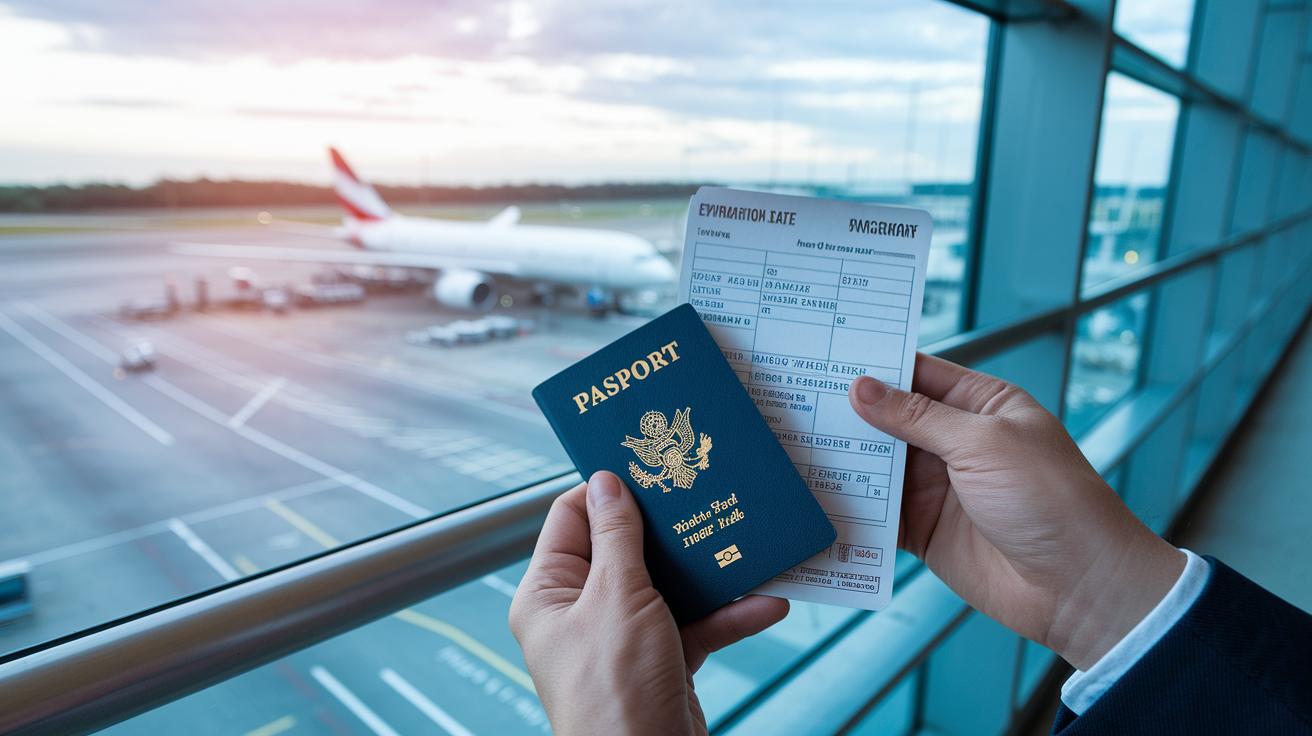
Before you set off on your adventure, double-check that all your travel documents are sorted out. Imagine arriving at the airport and realizing a key piece of paperwork is missing, it’s a real mood killer. Start with your passport. Make sure it’s valid for at least six months after your return, and keep photocopies in a separate bag. A handy tip? Snap scans of important pages and store them safely in a secure cloud folder. I always chuckle when a friend says, “I never board a flight without a final look at my passport’s expiration date.”
- Passport valid for six months, with extra photocopies stored separately.
- Visas or electronic travel authorizations (like ETIAS for Europe or eTA for Canada).
- Travel insurance papers, complete with emergency claim guidelines.
- Both printed and digital copies of your flight, hotel, and tour confirmations.
- Health documents, including vaccination records and a list of prescription medications.
- A list of emergency contacts, featuring embassy details, local emergency numbers, and family information.
Using both digital and paper methods to organize your documents is a smart move. For example, save your scanned files on a password-protected device, and don’t forget to print a hard copy to keep with you. Gather everything in one travel folder, it’s like having all your travel secrets neatly tucked away and easy to grab when you need them.
Trip Itinerary Planning Checklist
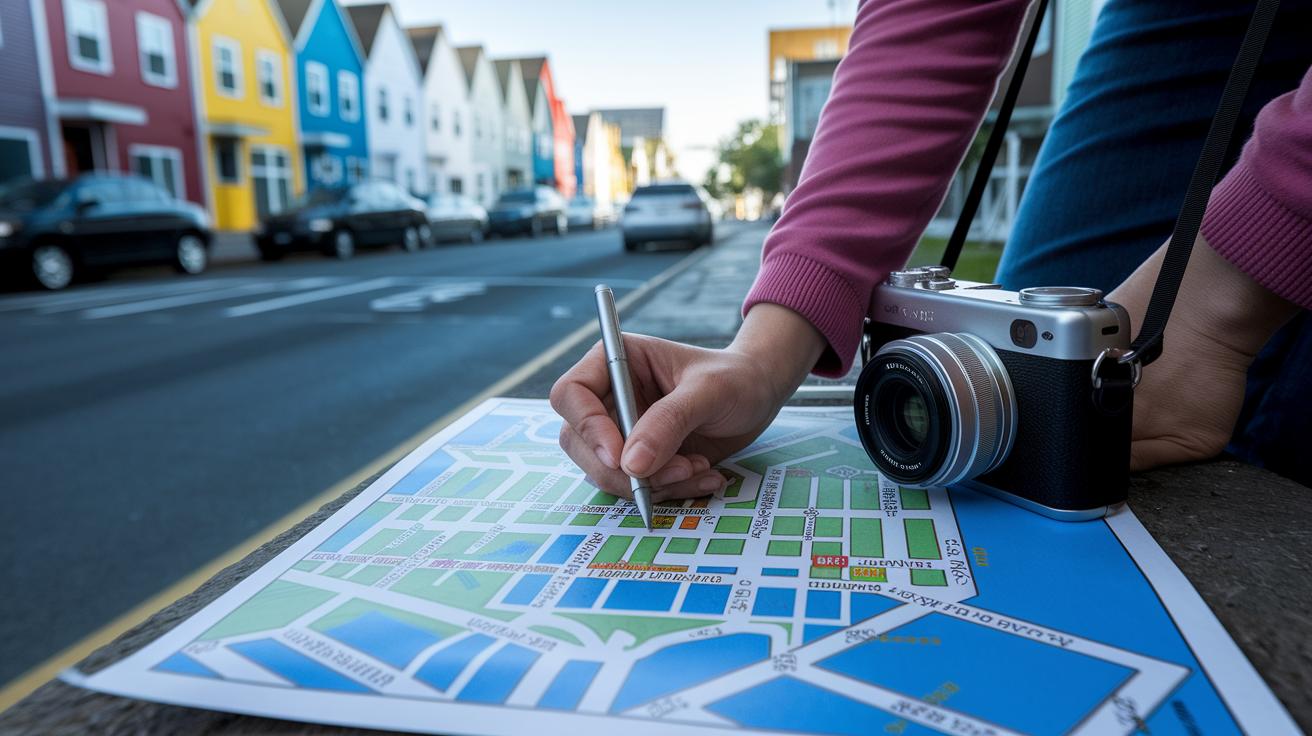
Planning your trip one day at a time can really make your adventure stress-free. I like to start by checking out major spots on Google Maps, so I can see which neighborhoods and landmarks are close to each other. It makes sense to group attractions that are near one another; that way, you won’t spend too much time on the road. For example, you might spend a day exploring art districts, parks, and local markets that are all just a short walk away.
Book any popular activities ahead of time, this means places like theme parks, guided tours, or thrilling local activities need an early reservation. I always try to leave some extra minutes between plans, just in case of delays or a quick break along the way. A fun fact I learned is that many travelers swear by extra time; it often leads to those spontaneous detours that can be the best part of your journey.
There are plenty of digital tools out there to help you build your plan. Many of us use handy apps like TripIt or even a simple Excel sheet to keep track of flight times, bookings, and local transport. If you’re curious about how to get the most out of these travel tools, there’s a great guide available that shows clear steps and examples. Plus, sharing your live schedule with family or friends is a smart way to stay connected and safe on your adventure.
Mixing scheduled activities with free time keeps your day light and fun. Map out your start times, the time you think it’ll take to travel between spots, and even plan for short meal breaks. And don’t forget to pencil in a moment for that perfect cup of coffee or a delicious street food bite, these little pauses often become your favorite memories.
Accommodation and Reservation Checklist
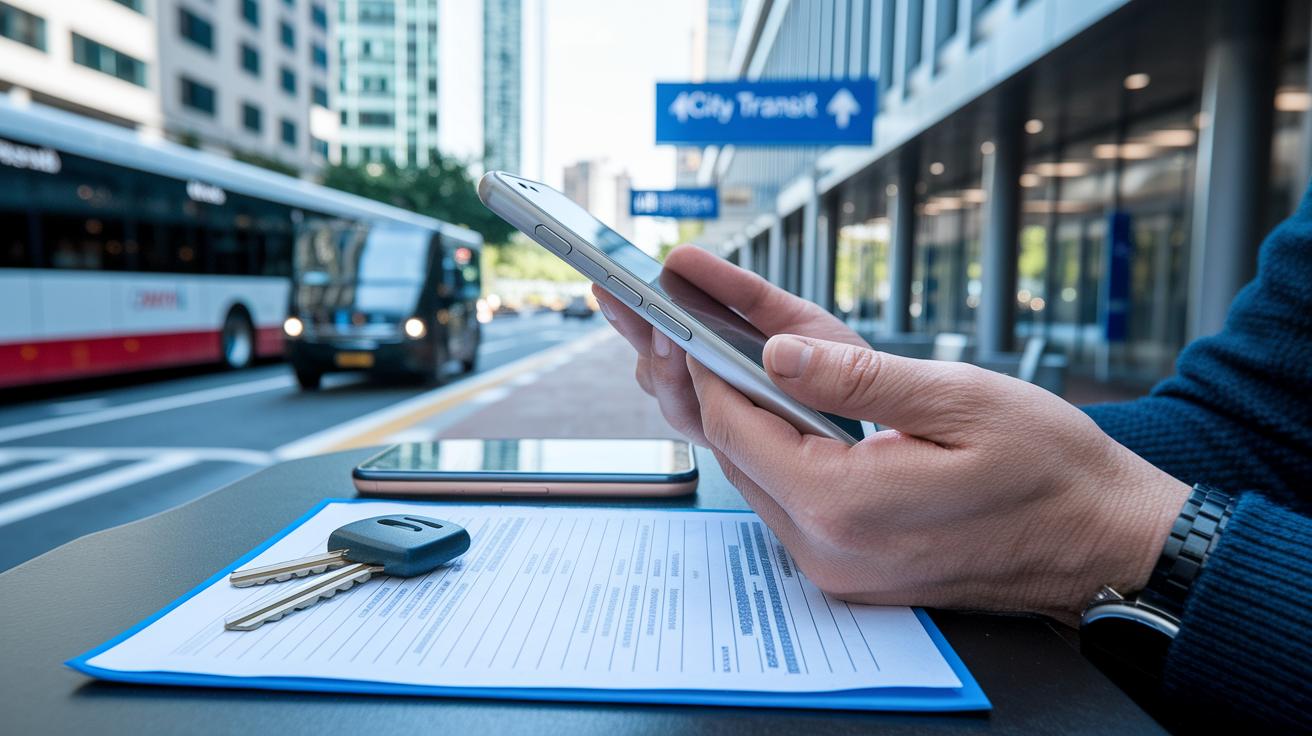
Start by picking a place to stay that is close to busy transit spots and cool local attractions. This smart choice helps you save time and money, making your trip feel more fun. When you compare hotels or resorts, check the check-in and check-out times and see if there’s any paperwork to fill out before you arrive. Keep an eye out for extra fees or cancellation charges that could affect your budget. It helps a lot to organize all your reservations, whether it’s lodging, a car rental, or a fun tour, in one spot.
- Compare lodging options based on how near they are to transit links and major attractions.
- Check the cancellation rules and note any extra fees for additional amenities.
- Save and label all confirmation emails or booking codes in one easy-to-find folder or app.
- Write down check-in and check-out times along with any pre-arrival paperwork.
- Keep track of every booking, from hotels to car rentals to activity plans, in one central spreadsheet.
Taking these steps makes it easier to manage every detail before you set off, reducing surprises along the way. It not only keeps things organized but also gives you peace of mind so you can focus on enjoying every moment of your travel adventure.
Emergency Preparedness Checklist for Your Trip
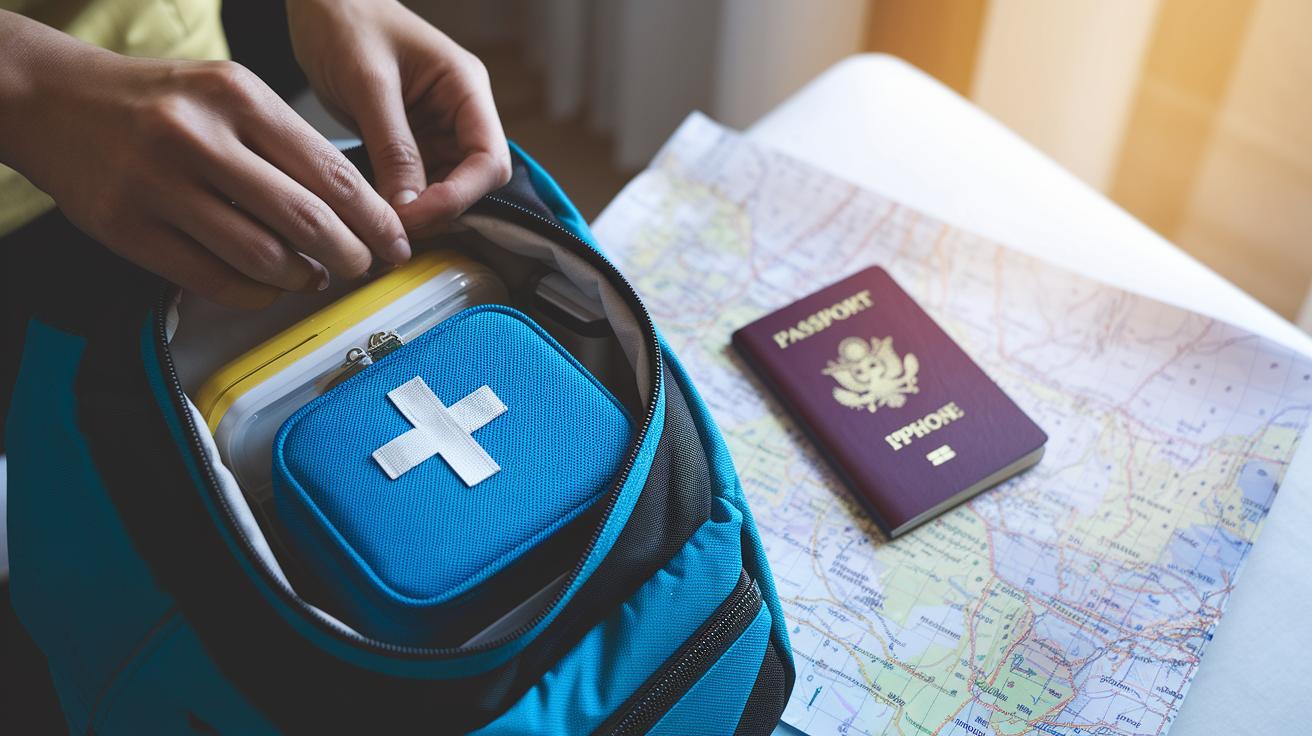
Smart travel means being ready for surprises. Taking a few simple steps can help you stay safe when exploring new places. Imagine having everything you need right at your fingertips when the unexpected happens.
- Pack a small first-aid kit with band-aids, antiseptic wipes, and pain relievers.
- Make photocopies of your passport, ID, and insurance cards and keep them in a safe spot.
- Stash some emergency cash in a bag apart from your main wallet.
- Jot down local emergency numbers and contact details for nearby embassies.
- Bring your travel insurance details along with claim contacts saved in your phone or a little notebook.
- Set up your phone with a roaming plan or a local SIM, and download offline maps to help you navigate unfamiliar streets.
- For more travel safety advice, check out these tips: https://thetravelinginsider.com?p=836.
Having everything organized means you can quickly grab what you need in a pinch. This way, you can focus on enjoying your journey with peace of mind.
Final Words
In the action, we touched on setting travel dates, fine-tuning your budget, and getting your documents in order. We also broke down packing lists, outlined daily plans, and prepared for unexpected moments.
This trip planning checklist ties all the details together step-by-step so every task feels manageable. Taking these tips on board makes each part of trip planning feel clear and leaves you ready for a fun, worry-free experience.
FAQ
Q: What types of trip planning checklist templates are available?
A: The trip planning checklist templates come in PDF or interactive formats that cover everything from selecting travel dates and setting a budget to booking accommodations and packing essentials. They also offer versions for families and international trips.
Q: What is the 1 2 3 4 5 6 packing rule?
A: The 1-2-3-4-5-6 packing rule assigns items to six categories to create a simple, balanced packing system. It helps you organize clothing, shoes, accessories, toiletries, and gadgets efficiently.
Q: What are the 5 W’s of travel planning?
A: The 5 W’s of travel planning include who is traveling, what your activities are, when the trip will occur, where it takes place, and why you’re traveling. This helps cover all essential planning details.
Q: What should be included in a trip plan and what are the five steps to planning a trip?
A: A trip plan should include travel dates, budget, destination details, required documents, and a daily itinerary. Its five steps typically involve planning basics, booking arrangements, confirming essential details, smart packing, and completing pre-trip tasks.