


Have you ever wondered if a simple tradition could reveal a community’s true soul? UNESCO’s list of living customs (officially called the Intangible Cultural Heritage List) shows that age-old ways can still sparkle with life. Think of it like a treasured family recipe that has been passed down for generations. From lively music and dance to time-honored rituals and crafts, these customs keep history alive even today. Nearly 200 countries join in this celebration, each adding its unique touch to traditions that remain bold as the world keeps on changing.
UNESCO Intangible Cultural Heritage List: Bold Traditions
UNESCO celebrates the living traditions that fill communities with history and heart. These include customs, music and dance, rituals, and crafts passed down through the years, a bit like a cherished family recipe that connects past and present. Nearly 200 countries work together to safeguard not just buildings and artifacts, but the very practices that make each place unique.
This special list shines a light on traditions that capture the spirit of community life. It features everything from time-honored storytelling and lively performances to social events and hands-on crafts. These practices are not frozen in time; they continue to grow and change, keeping their magic even when life gets modern.
- Oral traditions and expressions
- Performing arts
- Social practices, rituals, and festive events
- Knowledge and practices about nature and the universe
- Traditional craftsmanship and skills
Think of the UNESCO Intangible Cultural Heritage List as a bridge from old customs to today’s ways of living. By highlighting oral tales, dynamic performances, and skilled hands-on work, it helps communities celebrate what ties them to their history. And for travelers, it offers a chance to step right into the living traditions that shape a place’s true identity.
Criteria for UNESCO Intangible Cultural Heritage List Selection
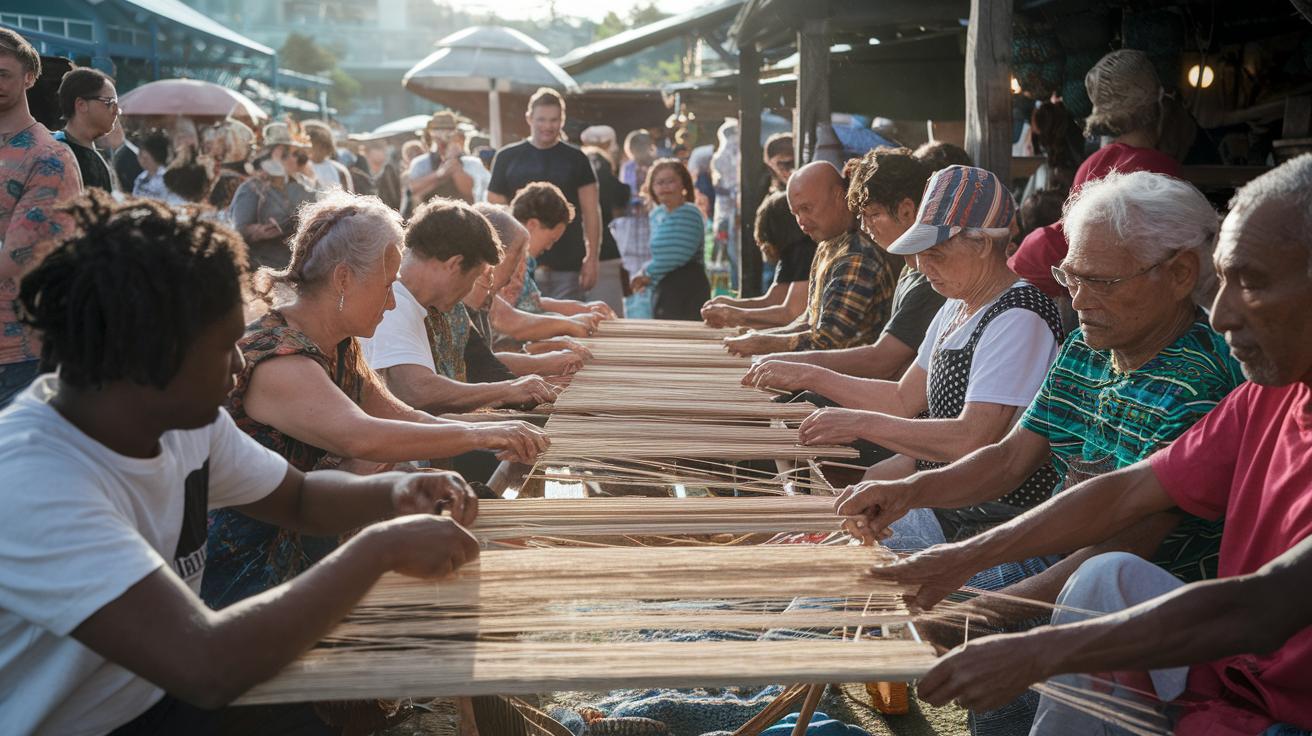
UNESCO carefully checks traditions by looking at how they weave into everyday community life. They don’t just focus on old buildings but also on customs that feel alive and meaningful for local people.
Community involvement is key. Traditions need to be practiced every day by locals and passed down through generations, keeping them fresh and relevant, even as the world changes.
Another important part is spotting risks. Experts look for signs that a tradition might lose its special meaning if it’s taken out of its usual setting. This way, they make sure that each cultural practice stays strong and continues to thrive.
In the end, this thoughtful approach not only honors the value of these living traditions but also helps communities gain the support they need to keep their cultural heritage alive for years to come.
Representative UNESCO Intangible Cultural Heritage Traditions
UNESCO has brought together traditions that connect us to our past and shape our local identities. These customs range from mouthwatering cooking methods to soulful music performances. The table below shares six unique cultural expressions where every entry shows how communities work hard to keep their traditions alive. For example, think of the heartfelt care behind an authentic pizza at Pizzeria Da Michele or the lively beats of Gnawa music in the busy streets of Marrakesh.
| Tradition | Location | Year | Category |
|---|---|---|---|
| Naples Neapolitan Pizza | Naples, Italy | Listed at various times | Culinary Tradition |
| Gnawa Music Events | Marrakesh, Morocco | 2008, 2019 | Music and Performance |
| Borobudur Gamelan | Borobudur, Indonesia | 2021 | Musical Expression |
| Pearling Fjiri | Muharraq, Bahrain | 2021 | Maritime Craft |
| Al-Qudoud al-Halabiya | Aleppo, Syria | 2021 | Traditional Musical Form |
| Blue and John Crow Mountains Maroon Heritage | Blue and John Crow Mountains, Jamaica | 2003, relisted 2008 | Cultural Expression |
These traditions show us that local customs aren’t just preserved, they are celebrated daily. Each tradition is a lively reminder of how communities pass down skills, crafts, and songs from one generation to the next. They inspire pride and invite everyone to explore the rich cultural roots that make each place unique. Thanks to UNESCO’s efforts, we see that heritage lives on in every meal, every performance, and every crafted detail that binds us to our history.
Recent UNESCO Intangible Cultural Heritage List Updates
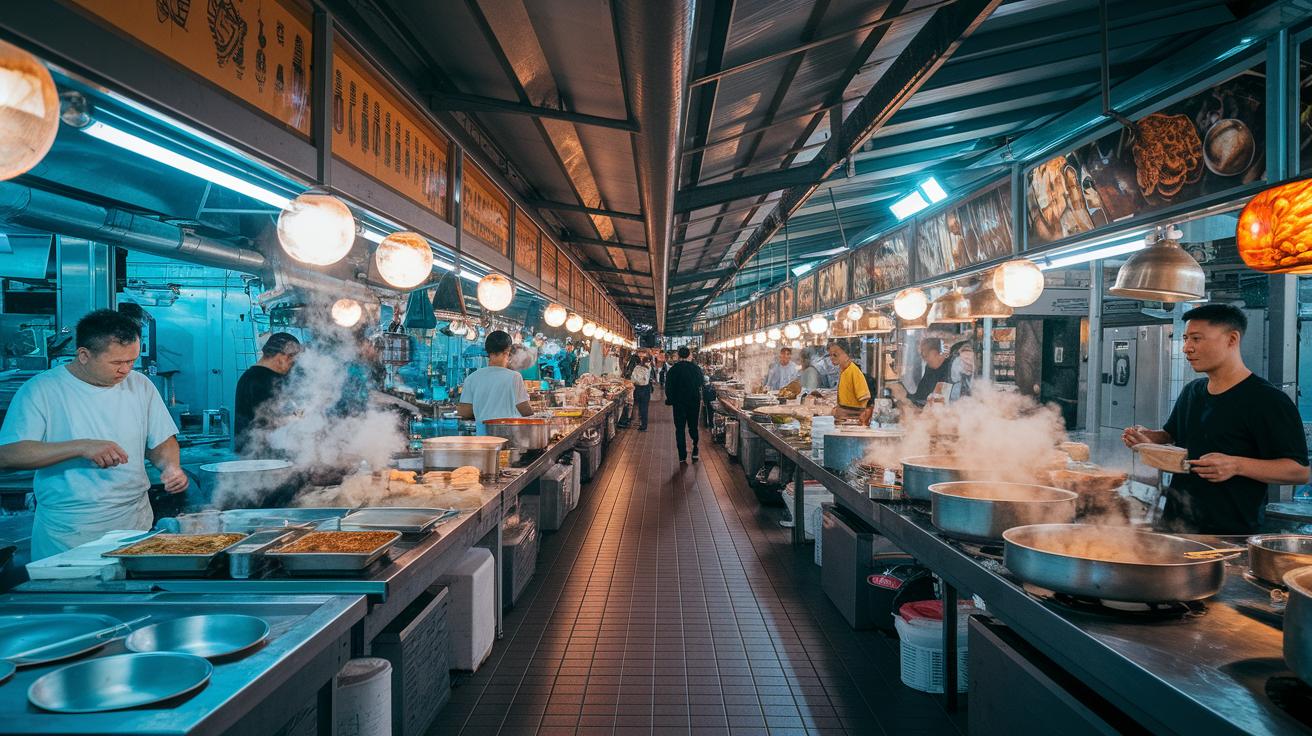
In 2022, UNESCO welcomed some exciting new entries that really capture the local vibe. Think of Vietnam’s Chăm pottery, Singapore hawker centres buzzing with life, and the timeless French baguette tradition. Every entry shows off not just amazing crafts or delicious food, but also the daily cultural habits that make each community unique. Imagine the care that goes into crafting a perfect baguette, a true symbol of local pride and skill.
Between 2019 and 2021, UNESCO added more treasures like Al Ain’s traditional date-palm irrigation system. This goes to show that safeguarding culture isn’t just about famous monuments. It’s about preserving everyday practices, from old irrigation methods to the vibrant energy of local markets, that hold deep meaning for communities.
Looking ahead, a cool shift is on the horizon. New digital documentation and online archival projects are set to take center stage. Think of it as building a digital storybook that carefully records customs, rituals, and unique skills. This modern twist promises to keep our shared heritage alive and well for future generations.
Indian Entries in the UNESCO Intangible Cultural Heritage List
India proudly boasts over a dozen traditions on UNESCO's intangible cultural heritage list, each one a vivid snapshot of the country's rich customs and age-old performance arts. Think of it like wandering through a living museum where every practice is a treasured family secret, passed down to share the deep-rooted stories of its people.
Ramlila traditional theatre is a great example. In some towns, these performances continue all night, captivating locals with dramatic retellings of epic stories. Meanwhile, the lively Chhau dance, with its bright masks and expressive movements, brings old legends to life. It’s more than just a staged act, it is a heartfelt display of cultural identity and community spirit.
To keep these traditions alive, local groups document them, often using digital recordings that are later shared as open-access PDF archives. This modern approach makes it easier for communities to preserve and showcase their heritage for the world to enjoy.
Challenges and Future Directions for the UNESCO Intangible Cultural Heritage List

It’s surprising to learn that in some villages, a century-old craft is now practiced by only a handful of skilled artisans. Around the world, many cherished customs are slowly fading because modern life and changing habits push old traditions aside. It’s a real wake-up call for everyone who values cultural heritage.
New ideas to save these traditions are taking shape. Folks are using modern tools like virtual reality and community-led digital storytelling (basically, locals sharing their stories online) to capture the heart of age-old ceremonies and performances. Think of these as high-tech snapshots that help preserve and share the magic of traditional events with younger generations.
Local experts and community leaders are now working side by side to design plans that protect these unique customs. They approach this challenge like tweaking a cherished family recipe, mixing just the right amount of tradition and modernity. It’s about honoring each culture’s special flavor while making sure these practices continue to thrive.
Looking forward, many are optimistic about creating lasting solutions. By blending modern preservation techniques with smart policies, there’s hope that the UNESCO heritage list will keep serving as a strong support for communities. This effort helps ensure that traditional cultural expressions remain vibrant in our ever-changing world.
Final Words
In the action of exploring cultural treasures, this post took you through the meaning and protection of traditions, evaluated key selection criteria, and highlighted must-visit examples from the unesco intangible cultural heritage list. We also touched on recent updates and India’s unique entries that shine light on community practices. The insights shared invite you to see these living expressions as more than relics, they’re lively parts of our world waiting to be experienced. Enjoy the path ahead with renewed wonder!