


Have you ever wished you could travel back in time? India's top five UNESCO cultural landmarks let you do just that. Picture yourself strolling by majestic monuments that whisper stories of centuries past. You can almost feel the cool stone under your fingers and hear the soft murmur of history as you wander these ancient sites.
These treasures show off India's deep artistic roots and the amazing craftsmanship of its people. It's pretty incredible to see history so close to the buzz of everyday life. In this guide, we'll share what makes each site special and why these places hold a timeless charm. Ready to join an unforgettable journey steeped in culture and wonder?
UNESCO Cultural Heritage Sites in India: Comprehensive Overview
India is a vibrant tapestry of history and art, boasting 44 UNESCO World Heritage Sites as of 2025. Out of these, 35 celebrate the country's deep cultural roots, showcasing centuries of artistic, religious, and architectural wonders. Imagine wandering through streets where every monument tells a tale of a bygone era.
Take a closer look at these top ten cultural gems that truly capture India’s heart and soul:
| Site Name | Location | Year Inscribed |
|---|---|---|
| Taj Mahal | Agra, Uttar Pradesh | 1983 |
| Khajuraho Group of Monuments | Madhya Pradesh | 1986 |
| Bodh Gaya | Bihar | 2002 |
| Ajanta Caves | Maharashtra | 1983 |
| Ellora Caves | Maharashtra | 1983 |
| Humayun’s Tomb | Delhi | 1993 |
| Red Fort Complex | Delhi | 2007 |
| Hampi | Karnataka | 1986 |
| Group of Monuments at Mahabalipuram | Tamil Nadu | 1984 |
| Jantar Mantar | Jaipur, Rajasthan | 2010 |
These remarkable sites spread across regions, from the majestic Taj Mahal in the north to the ancient rock-cut wonders in the south, offer a unique peek into India’s layered past. Each landmark, whether born in the Mughal era or carved out in ancient times, follows UNESCO’s exacting criteria, highlighting both regional distinctiveness and a shared national pride in preserving heritage.
In truth, exploring these sites feels like piecing together a massive, colorful jigsaw puzzle of history. With stops in Uttar Pradesh, Bihar, Maharashtra, Tamil Nadu, and Rajasthan, you can feel the pulse of local culture while experiencing the grandeur of a united and timeless legacy. This collection of sites isn’t just a list – it’s a heartwarming invitation to witness India’s living history.
Mughal Era UNESCO Monuments in India: Symbols of Imperial Grandeur
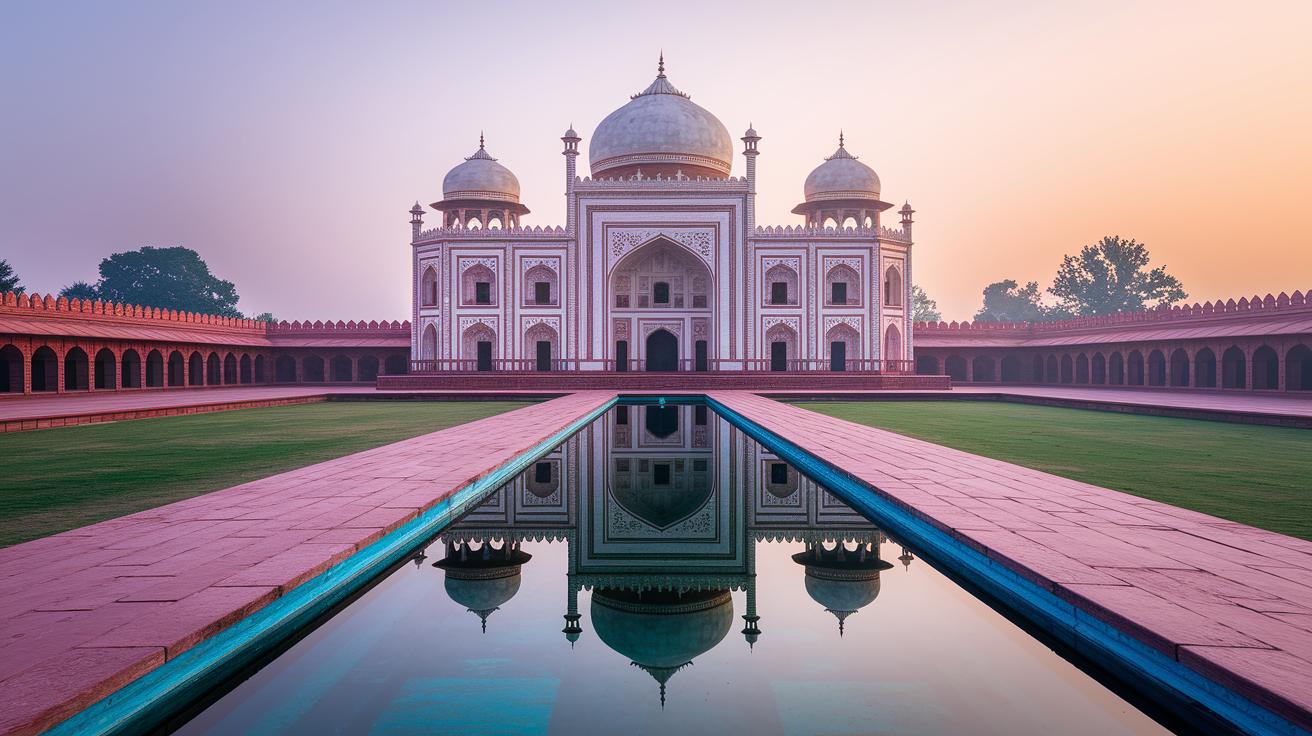
Mughal rule completely changed India’s look. Imagine elegant designs and bold structures coming together, the result is a treasure trove of art and power that still amazes today.
Taj Mahal
The Taj Mahal in Agra is more than just a building; it’s a love story in stone. Built between 1632 and 1653 from bright white marble, it shows off the Mughal love for perfect symmetry and detailed work. Walk around and you’ll see graceful domes and pools that reflect its beauty. Ever wonder why this monument captures hearts worldwide? It’s because every arch and carving whispers a timeless tale of passion and beauty.
Humayun’s Tomb
In Delhi, Humayun’s Tomb, finished in 1570, marks a big milestone. It was the very first garden-tomb in India, a space where nature and structure become one. With arches that are perfectly balanced and calming gardens that invite you to take a stroll, it set the stage for future Mughal wonders. It feels almost like you’re stepping into a peaceful memory of the past.
Red Fort Complex
The Red Fort Complex in Delhi, built in 1638 from vivid red sandstone, is a strong reminder of royal might. Its massive walls, intricate details, and blend of Persian and Timurid designs tell you stories of grand ceremonies and historical events. As you explore, you can almost hear whispers of the royal gatherings and spirited celebrations that once filled its halls.
Fatehpur Sikri
Just imagine a city planned with royal dreams in mind. That’s Fatehpur Sikri, founded in 1571 by Emperor Akbar as his capital. The city’s layout, along with its well-preserved buildings, shows a bold experiment in urban design during the Mughal period. And then there’s the Buland Darwaza, a towering gateway that makes you feel the power and ambition behind its creation. Walking through it is like stepping into a chapter of history where art and authority meet.
Together, these monuments open a window into a time when creativity and strength mingled beautifully. Every path you wander, every stone you see, tells the enchanting story of an era that still lives on in every detail.
Ancient Cave and Temple UNESCO Sites in India: Religious Artistry
Rock-carved art in India tells an age-old story of faith and skill. These ancient complexes, cut from stone, show how deep belief met clever craftsmanship long ago. They let you step into a world where every carving feels full of life and tradition.
Ajanta Caves
Ajanta Caves are from a very long time ago, built between the 2nd century BCE and the 5th century CE. They include 30 carved rock monuments where you can see bright murals that bring old Jataka tales (stories about the Buddha's past lives) to life. When you look at the soft brush strokes and warm colors, it feels like you are sharing a quiet moment with people of another time.
The layout of the caves resembles a peaceful canyon, with corridors and prayer halls that seem to whisper ancient secrets. Every cave tells its own story, showing off both great skill and deep devotion. This spot is a real treasure if you are on a tour of India's ancient marvels.
Ellora Caves
Ellora Caves were made between 600 and 1000 CE and house 34 rock-carved temples. This impressive complex is a mix of different faiths, with shrines for Buddhism, Hinduism, and Jainism. Detailed carvings here show the rich cultural mix of ancient India and fill the eye with many symbolic designs.
At the center of Ellora is the grand Kailasa temple. Carved out of a single rock, this temple is huge and full of refined art. It is a perfect blend of art and faith, allowing you to feel the strength of ancient Indian pride on a tour of these historical sites.
Buddhist Monuments at Sanchi
The Buddhist Monuments at Sanchi, built in the 3rd century BCE, are famous for the Great Stupa II and four beautifully carved toranas (ornate gateways). These monuments share timeless lessons of Buddhist thought through intricate stone carvings and a thoughtful layout.
With Ashokan pillars and carefully arranged stupas, Sanchi shows a high level of planning and symbolic storytelling. It stands as a key spot for exploring ancient Indian heritage, where every stone seems to speak of a time filled with rich spirit and creative genius.
| Site | Period | Key Feature |
|---|---|---|
| Ajanta Caves | 2nd century BCE–5th century CE | Jataka frescoes and monastery layout |
| Ellora Caves | 600–1000 CE | Multi-faith shrines and Kailasa temple |
| Buddhist Monuments at Sanchi | 3rd century BCE | Stupas with Ashokan pillars |
UNESCO Heritage Forts and Palaces of India: Royal Defense and Splendor

If you’re curious about the grandeur of Fatehpur Sikri’s imperial design, just hop over to the Mughal Era UNESCO Monuments section for more details.
Hill Forts of Rajasthan
Rajasthan’s hill forts are like pages from an epic story of bravery and clever defense. Built between the 5th and 18th centuries and recognized by UNESCO in 2013, these forts showcase massive stone walls and intricate layouts that once kept enemies at bay. Imagine climbing up to forts where every step tells a tale of royal valor and seasoned strategy.
- Chittorgarh
- Kumbhalgarh
- Ranthambore
- Amber
- Jaisalmer
- Gagron
Perched on high ground, these forts not only guarded vast territories but also offered breathtaking views of the surrounding landscape, giving their rulers the perfect vantage point to watch for approaching challengers.
Agra Fort
Step into Agra Fort, a stunning red sandstone masterpiece built in 1573 during the Mughal era. Wander through its robust courtyards, admire the intricate palatial rooms, and notice the impressive fortified gates that blend artistic beauty with military might. Ongoing restoration works are carefully preserving this historical gem, so its magic endures for those who come to marvel at its legacy.
Champaner-Pavagadh Archaeological Park
In Gujarat, the Champaner-Pavagadh site takes you back to the 16th century, where a fortified urban design brings together mosques, Hindu and Jain temples, and palaces. Walk among ingenious water structures that hint at advanced hydraulic engineering, and feel the mix of cultures that shaped this vibrant town. It’s a rare chance to see how different traditions blended together, leaving behind an architectural landscape that is both surprising and delightful.
Even today, small conservation efforts wrestle with challenges like weathering and aging structures. Working together to protect these historic marvels means future travelers will also get to experience their timeless charm.
Modernist and Urban UNESCO Sites in India: 20th Century Cultural Landmarks
In Chandigarh, the Capitol Complex is a real gem from the 1950s. Built with a bold vision in mind, its clean, geometric layout feels fresh and refreshing. You can stroll through open courtyards and marvel at the large, striking buildings, a lively reminder of daring design that still inspires the city today.
Over in Mumbai, Chhatrapati Shivaji Terminus impresses with its blend of Victorian Gothic and local flair. Built back in 1887, it’s more than just a transit hub; it buzzes with energy as millions pass through each day. Look closely at its detailed carvings and sturdy design, and you might feel the heartbeat of a bygone era mixed with today’s busy pace.
Mumbai also boasts a striking collection of Victorian and Art Deco architecture. Neighborhood landmarks like the Bombay High Court and Marine Drive whisper stories of early 20th century elegance. Their rhythmic patterns and distinctive facades offer a window into the stylish past, enriching India’s urban story in a way that feels both timeless and uniquely local.
Visiting UNESCO World Cultural Heritage Sites in India: Visitor Tips and Conservation
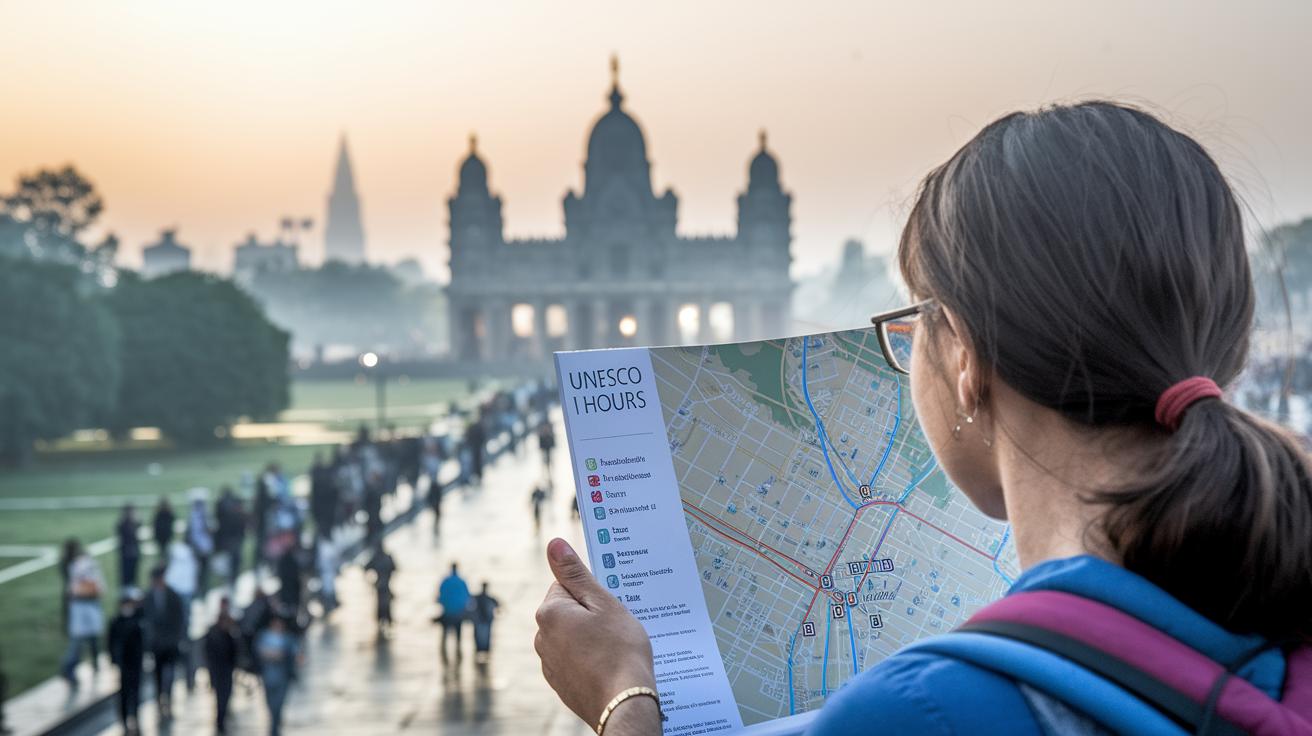
When you’re getting ready for a visit to India’s UNESCO sites, it helps to check the usual hours (6 AM to 6 PM) and remember that October through March is the busiest time. Planning ahead means you can wander through ancient temples and awe-inspiring ruins without any stress.
- Advance booking: Reserve your tickets early so you don’t spend time waiting in long lines.
- Best times: Go early in the morning or later in the afternoon when it’s cooler and the crowds are smaller.
- Dress codes: Choose respectful attire, especially when exploring places with religious importance.
- Photo rules: Look for posted guidelines to know the exact spots where you can take pictures.
- Guide services: Think about hiring a local guide who shares insider tips and helps you dodge tourist traps.
- Accessibility: Check what facilities are available if you need extra help moving around.
- Local etiquette: Follow community customs and be sensitive to local traditions when chatting with residents.
There are many great conservation projects in action. For instance, the Archaeological Survey of India is busy restoring sites like Ellora. UNESCO grants benefit treasures such as Sanchi, and local community groups in Hampi work hard to protect their history. Digital mapping at Khajuraho even captures every small detail for the future. By following the rules and planning carefully, your visit helps preserve these cultural gems while you enjoy the rich tapestry of India’s past.
Final Words
In the action, our guide broke down India's rich tapestry, from iconic Mughal monuments and ancient cave temples to stately forts, palaces, and modern urban gems. We shared useful tips so you can experience these sites with confidence and respect.
Each section offers a snapshot of India's vibrant legacy and practical advice for every traveler. May your trips spark lasting memories at any unesco world cultural heritage site in india. Enjoy every moment of your exploration!
FAQ
Frequently Asked Questions
What is the total number of UNESCO World Heritage Sites in India?
The total UNESCO World Heritage Sites in India stands at 44 as of 2025, reflecting a mix of culturally and naturally significant locations.
How many cultural and natural UNESCO heritage sites highlight India’s legacy?
India proudly features 44 sites, with 35 celebrating cultural achievements and seven recognized as natural heritage treasures.
Which site is known as the 42nd or 44th UNESCO heritage site in India?
The ranking of India’s UNESCO sites varies by source; there isn’t a universally assigned 42nd or 44th site, though current records list a total of 44 outstanding sites.
Where can I find detailed lists of India’s UNESCO World Heritage Sites?
Detailed and updated lists are available on Wikipedia and in downloadable PDF formats from official UNESCO resources, offering comprehensive site information.
What are some of the top UNESCO World Cultural Heritage Sites in India?
Top sites include landmarks like the Taj Mahal and the Khajuraho Group of Monuments, which capture India’s rich historical and architectural heritage.