
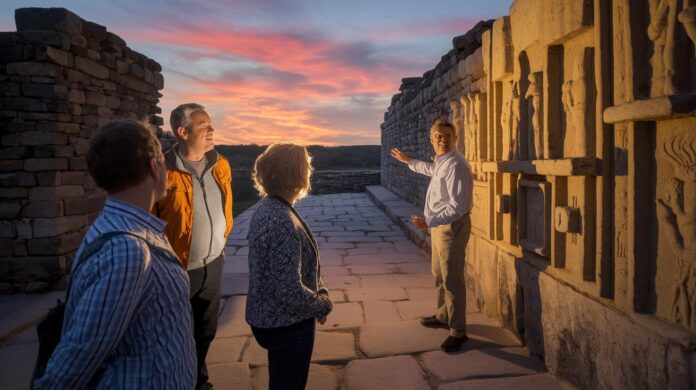

Ever wondered if you could hear history whispering its secrets? Research shows that when you dive into cultural heritage tourism, you can almost feel the old stories and traditions come to life. Picture quiet streets and ancient sites, where the past softly reaches out to help you connect with local customs in a whole new way. In this post, we'll chat about how exploring these historic treasures creates unforgettable moments that touch both your heart and mind. Get set to step into a world where history and today blend in the most enchanting way.
Understanding Cultural Heritage Tourism Experiences
Cultural heritage tourism invites you to explore a world filled with history, legends, timeworn monuments, and lively cultural events. It’s not just about seeing old buildings or famous sites, it’s about really diving into the stories behind them. Experts say this type of travel can mean everything from study tours and festival visits to performances and even pilgrimages. It’s designed for travelers who want to feel the heartbeat of a place, connecting with art, folklore, and traditions as they once wove through everyday life.
Travelers often choose heritage experiences because they crave genuine cultural discovery. Many of us look for moments when the past meets the present, where quiet streets and old neighborhoods whisper tales passed down through the generations. These journeys let you see firsthand how communities were built and shaped. You leave with personal insights into local traditions, carrying memories that linger long after the trip is over.
When planning a day exploring historical sites or a deeper dive into local history, you’ll find that a mix of guided tours, interactive displays (hands-on exhibits that let you engage with culture), and time to wander at your own pace creates the perfect adventure. Whether you’re admiring ancient monuments or enjoying a live cultural performance, every experience brings history to life and lets the echoes of the past resonate in your own story.
Top Cultural Heritage Tourism Destinations and Sample Itineraries
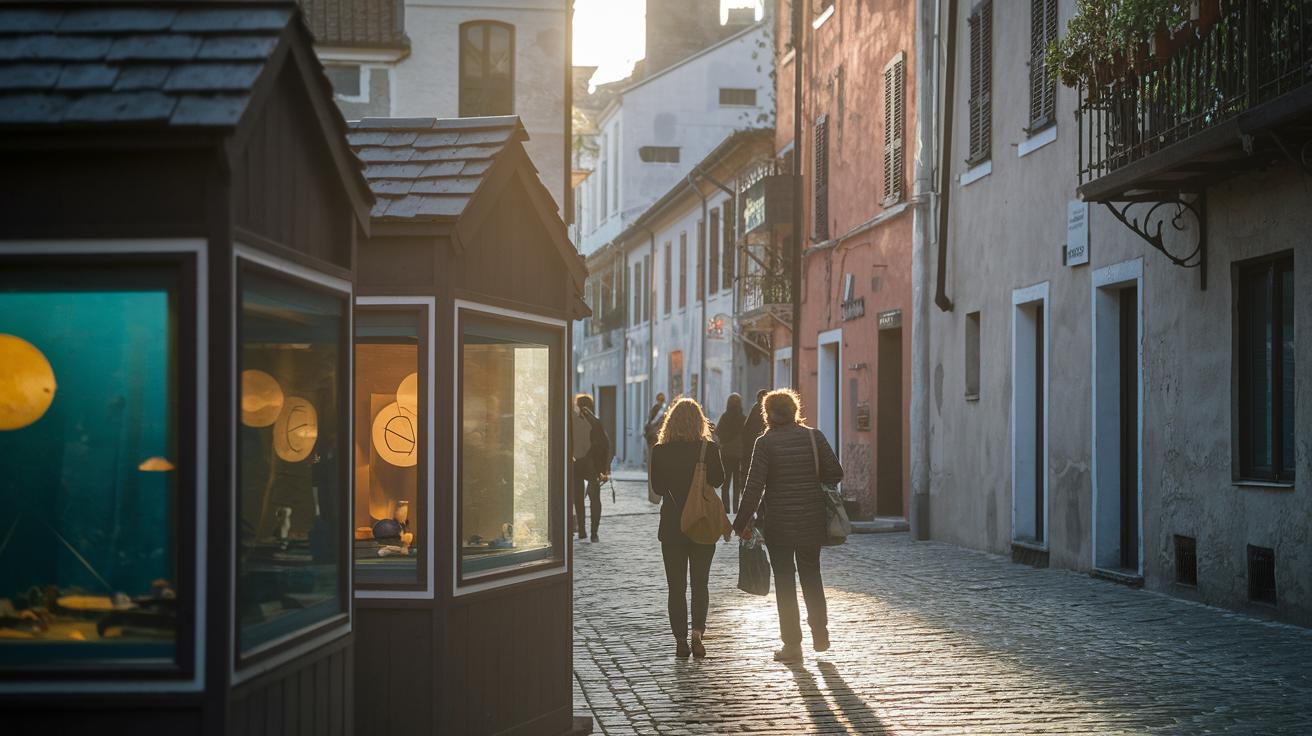
When planning a cultural heritage adventure, look for spots that let you feel history right under your feet. Choose places where you can walk through time with easy-to-follow stories and hands-on experiences. Think of historic buildings, local art, and special exhibits that make you feel like you’re part of the past. For example, Marston House Museum & Gardens and Warner-Carrillo Ranch House offer engaging tours, fun events, and even the chance to rent space, all in settings that burst with local charm.
You’ll want places that provide different ways to explore, from guided walking tours and self-run audio tours that help you learn at your own pace to online exhibits that connect you emotionally with history. Many of these destinations also share extra goodies like local heritage maps and surveys, making sure you leave with a clear picture of the area’s rich background.
Below is a sample 7-day itinerary that offers a mix of structure and freedom, letting you explore cultural gems at your own pace:
| Day | Activity | Location |
|---|---|---|
| 1 | Welcome Walk & Museum Introduction | Marston House Museum & Gardens |
| 2 | Self-Guided Audio Tour of Historical Landmarks | Local Heritage District |
| 3 | Guided Walking Tour with a Local Expert | Regional Cultural Circuit |
| 4 | Traditional Festival Excursion (UNESCO Intangible Cultural Heritage List) | Community Cultural Center |
| 5 | Interactive Workshop & Museum Shop Visit | Local History Museum |
| 6 | Exploratory Tour at a Historic Ranch | Warner-Carrillo Ranch House |
| 7 | Open Day for Personal Exploration and Reflection | Diverse Neighborhoods |
This plan is just a starting point. Feel free to mix in extra downtime or shift activities to match your vibe. Whether you’re all about guided group tours, self-paced adventures, or sudden museum stops, each day is crafted to take you on a journey that’s as unique as the local history it celebrates.
Preservation and Responsible Practices in Cultural Heritage Tourism
Heritage sites hold special stories, but too many visitors can gradually wear them out. Many sites now use clear rules to protect age-old traditions and local treasures. You can check out detailed advice at Cultural Heritage Preservation (it’s like a handy guide), which serves as a strong base for keeping these gems safe. Site managers work hard to welcome guests while naturally keeping ideas fresh as conservation travel evolves.
You play a big role too. Simple things like staying on marked paths and following posted signs make a huge difference. For example, avoiding the urge to touch fragile artifacts means everyone can share in these wonders without causing harm. A quiet, respectful mood helps history stay intact for those who come after us.
Local community groups add their own special touch by keeping watch over these sites. They monitor conditions, send out alerts when needed, and keep lists of places that need extra care. Together with wise visitor habits and clear rules, they create a strong network that protects our cultural treasures, ensuring our shared story shines on for generations to come.
Engaging with Local Traditions, Museums, and Guided Tours in Heritage Travel

Museums today are doing more than just showing old artifacts. They mix cool exhibits with online stories, augmented reality adventures, and even live events that let you experience history right from your living room. Imagine getting an email from Our Heritage eNews or Reflections with updates on hidden museum gems. For example, one small city museum used virtual reality to let visitors stroll through restored historic streets, making history come alive in a very real way.
Local guided tours are getting a tech upgrade too. Many guides now use mobile apps and live data to reveal secret details about historic spots. I remember one tour where an overlay of old maps sparked animated chats among the group. It was a friendly reminder that every step through history can still leave you in awe.
Self-guided experiences are blending modern tech with classic storytelling. Virtual tours now let you explore key landmarks with clear audio and striking digital visuals. It’s like having an audio guide whispering local stories, almost as if you were relaxing in a cozy café. This flexible setup is perfect for travelers who want to set their own pace while diving deep into local traditions.
Community workshops and volunteering bring the local culture even closer. People share personal tales about how joining a craft or cooking session helped them feel a deeper connection to their roots. One volunteer said, "Doing a basket weaving workshop not only taught me a traditional skill but also let me bond with folks who love our local customs." It’s these shared moments that make heritage travel feel genuine and full of heart.
Benefits of Heritage Tourism for Travelers and Communities
Heritage tourism invites you to step into a story of history and culture while lending a helping hand to local businesses. When you join in on community dinners, volunteer events, or workshop classes, you’re not just exploring a destination, you’re also boosting small shops and creating jobs. I remember hearing from a traveler who said, "I took a small museum tour that filled me with inspiration and lifted the whole community." These warm, personal experiences make each place feel full of life and diversity.
It’s also about connecting deeply with both your own story and that of the people you meet. Heritage experiences like traditional meals and craft workshops let you share in customs that have been passed down through generations. One local artisan mentioned, "Sharing my craft with visitors reminded me of the magic of our traditions." Such moments build a sense of belonging, threading together the past and the present in a way that touches every heart.
Heritage adventures mix real-life learning with everyday moments of discovery. Many trips include guided talks or even study-abroad programs (that’s a detailed plan for your trip) to help you see local history up close. These immersive sessions give you a clearer view of how communities lived and the values they cherished. Each visit leaves you with honest, lasting lessons that might just change the way you see today’s world.
Final Words
In the action, the article guided us through the rich world of cultural heritage tourism. We uncovered how heritage travel experiences blend history, local traditions, and hands-on encounters with historical sites. The post detailed top destinations, sample itineraries, and responsible practices that help preserve and appreciate age-old customs.
Every tip and insight shared shows how travel can be both fun and respectful to local cultures. Embrace these ideas and set out to explore captivating stories and customs in your next travel adventure.
FAQ
What is the meaning of cultural heritage tourism?
The meaning of cultural heritage tourism is that travelers visit sites and events which celebrate local history, traditions, art, and customs, giving them a chance to connect with the living past of a community.
What are some examples of cultural and heritage tourism?
The examples of cultural and heritage tourism include guided tours of historic monuments, museum visits, local festivals, and traditional performances that show how communities have preserved their customs over time.
What cultural heritage tourism facts should I know?
Cultural heritage tourism facts reveal that these trips often involve study tours, art events, local festivals, and visits to historical sites, offering engaging ways to learn about different cultures and histories.
What are the types of heritage tourism?
The types of heritage tourism consist of experiences like visits to museums, historic sites, cultural festivals, and local community tours where travelers gain insight into past traditions and everyday life.
What is the heritage tourism definition according to UNESCO?
The heritage tourism definition according to UNESCO focuses on travel that explores historical sites, cultural events, and traditional practices, inviting visitors to experience a community’s past and present in a respectful way.
Where can I find a cultural heritage tourism PDF?
Information in a cultural heritage tourism PDF typically includes detailed guidelines, research studies, and planning tips, available through educational platforms, government travel sites, or cultural institutions.