


Have you ever felt a sudden, shivery shake beneath your feet? It feels like the earth is sending you a quick message that something’s happening, and every second counts.
Imagine you're enjoying a stroll when you suddenly notice the ground trembling. In that moment, staying calm and acting fast can really make a difference. One good idea is to drop down low, then quickly look for a safe spot, either inside a sturdy building or out in an open area.
It might seem a bit startling at first, but knowing these simple steps can help you feel more secure the next time the earth decides to move. Stay alert and trust that a few quick, smart moves can keep you safe.
Earthquake safety tips: Stay Alert, Stay Safe
When the ground starts to shake, every second really matters. You need to move quickly to shield yourself from falling objects. Think of it like this: the moment you feel that sudden rumble, drop down on your hands and knees to keep from getting knocked over.
Once you're down, find a secure spot by getting under a strong piece of furniture or staying close to an interior wall. Doorways might seem safe, but they only work well in older houses built from unreinforced materials. Imagine yourself scooting away from windows and heavy items that could fall, settling into a safe corner.
Here’s a simple list of steps to remember:
- Drop, cover, and hold on
- Stay away from windows and heavy objects
- Remain indoors until the shaking stops
- If you’re outside, move to an open space
- If you’re in a car, pull over carefully
Quick thinking is your best friend during a quake. Keeping your cool and staying alert can be the difference between staying safe and getting hurt. Practice these moves until they feel as natural as taking a deep breath on a breezy morning.
Earthquake safety tips for home preparation

Getting your home ready for an earthquake is like planning for an unexpected adventure. You want to protect your favorite keepsakes and make sure everyone is safe when the ground starts to rumble. Start by checking each room for hazards and making simple fixes. Think of it like a little pre-trip check-up for your house.
Here are some friendly steps you can take:
- Anchor heavy furniture to walls
- Install latches on cabinets
- Secure water heaters and gas appliances
- Move breakable items to safer spots
- Check and update your home to meet building codes
- Look for dangers outside, like loose chimneys or overhanging eaves
- Plan a professional inspection for your home’s structure
Ever wonder how little adjustments can make a big difference? For example, using L-brackets or straps to secure bookcases and filing cabinets isn’t complicated at all. A quick check-up every now and then can help you spot any hidden weaknesses, especially in older homes. It’s a bit like giving your house a refreshing tune-up before a long drive.
By planning for a professional inspection, you can add extra supports like shear walls or secure the foundation with bolts. These measures help keep your home sturdy and can even save you from expensive repairs later on. Taking the time to prepare now might just be the best decision when an unexpected shake hits. It keeps your family safe and your treasured belongings secure, simply smart, right?
Earthquake safety tips: assembling your emergency kit and family plan
Getting ready for an earthquake means having a trusty emergency kit and a clear family plan. Picture yourself calmly grabbing enough supplies, like water, about one gallon per person per day, and food that lasts for at least three days, while outside, the world might be in chaos. This simple step can ease your worries when phone lines go silent and roads become tricky to navigate.
Here’s a list of must-haves for your kit:
- A three-day supply of water (one gallon per person per day)
- Nonperishable food items
- A first-aid kit for those small mishaps
- A flashlight with extra batteries for a little extra light when needed
- A battery-powered or hand-crank radio to keep you informed
- Essential medications because health can’t wait
- A multi-tool for those unexpected challenges
- A whistle for signaling if you need help
- Copies of IDs and insurance documents to stay organized
- A bit of emergency cash for unplanned expenses
Equally important is creating a family plan. Choose someone who lives outside the area as your go-to contact. When local lines are busy, it provides a lifeline to keep everyone connected. Pick a meeting spot where every family member, and even your pets, can come together after the quake. Deciding on roles ahead of time, whether it’s keeping an eye on little ones, checking on neighbors, or gathering supplies, makes all the difference when everything feels overwhelming.
Taking these steps will help you face an earthquake with a bit more confidence, knowing you’ve prepared for whatever comes your way.
Earthquake safety tips: evacuation strategy and shelter planning
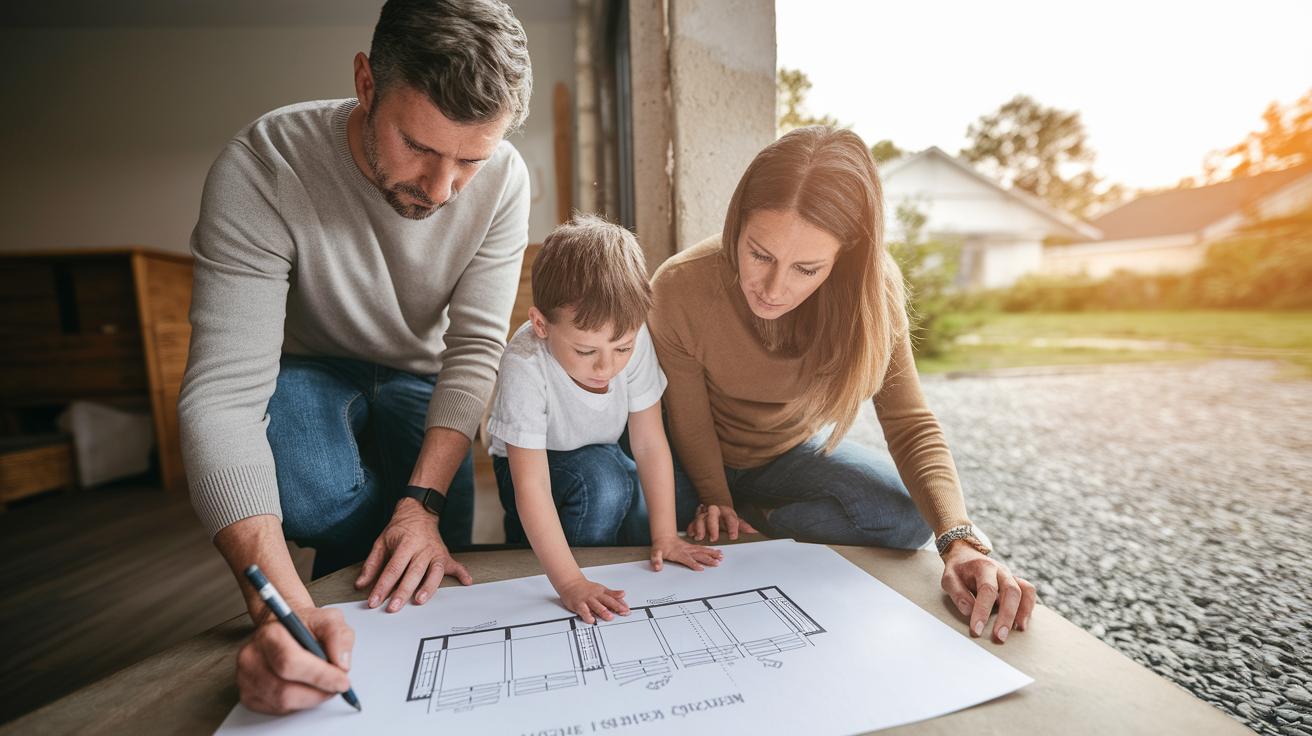
When the ground shakes, the most important thing is knowing a safe spot and how to reach it quickly. No matter if you’re indoors or out, it helps to plan ahead and pick out places that keep you safe. If you’re inside, head for a room without windows or choose a hallway on a lower floor where you can be away from falling glass. When you're outside, move to a clear, open space that’s at least 30 feet away from buildings, trees, streetlights, or power lines. Think of that open space as your personal safe zone, free of hazards.
It also helps to sketch out your escape routes. Plan your main path and a backup route from every level of your home or office. This way, when the shaking starts, you’ll know exactly where to go without getting caught up in chaos.
| Location Type | Safety Level | Key Considerations |
|---|---|---|
| Open outdoor area | High | At least 30 feet from buildings, trees, streetlights, and power lines |
| Interior safe room | High | Windowless space on the lowest floor |
| Doorway | Limited | Safe only in older unreinforced adobe structures |
| Hallway | Moderate | Can offer cover, but check for obstacles |
It’s a good idea to practice your escape plan every few months. Running these drills helps everyone know their role and builds confidence. When a real quake occurs, you’ll be able to move quickly and calmly to a safe spot, just like you planned.
Earthquake safety tips: aftershock response and post-quake safety
When the ground finally stops shaking, don’t let your guard down just yet. Even after the main quake, tremors (aftershocks) can still hit without much warning. I remember hearing about a summer day in California when a 6.4 was quickly followed by a 7.1. It really shows how tricky these moments can be, so it’s wise to check your surroundings carefully before stepping back into a building.
Step outside and take a good look around. Check for obvious signs of damage like cracked walls or broken glass, and listen for any hints of gas, electricity, or water leaks. Stay clear of areas with fallen power lines or walls that don’t look safe. Sometimes, it’s best to wait a little longer until you’re certain everything is secure.
Here’s a simple list to follow right after the shaking ends:
- Inspect and secure utilities
- Assess structural integrity
- Avoid hazards and debris
- Wait for the official all-clear
Even if things seem calm, keep in mind that aftershocks might pop up again, especially near the coast where landslides or tsunamis are possible. Staying alert and calm really can help you and everyone around stay safe during this critical time.
Earthquake safety tips: community and workplace readiness drills
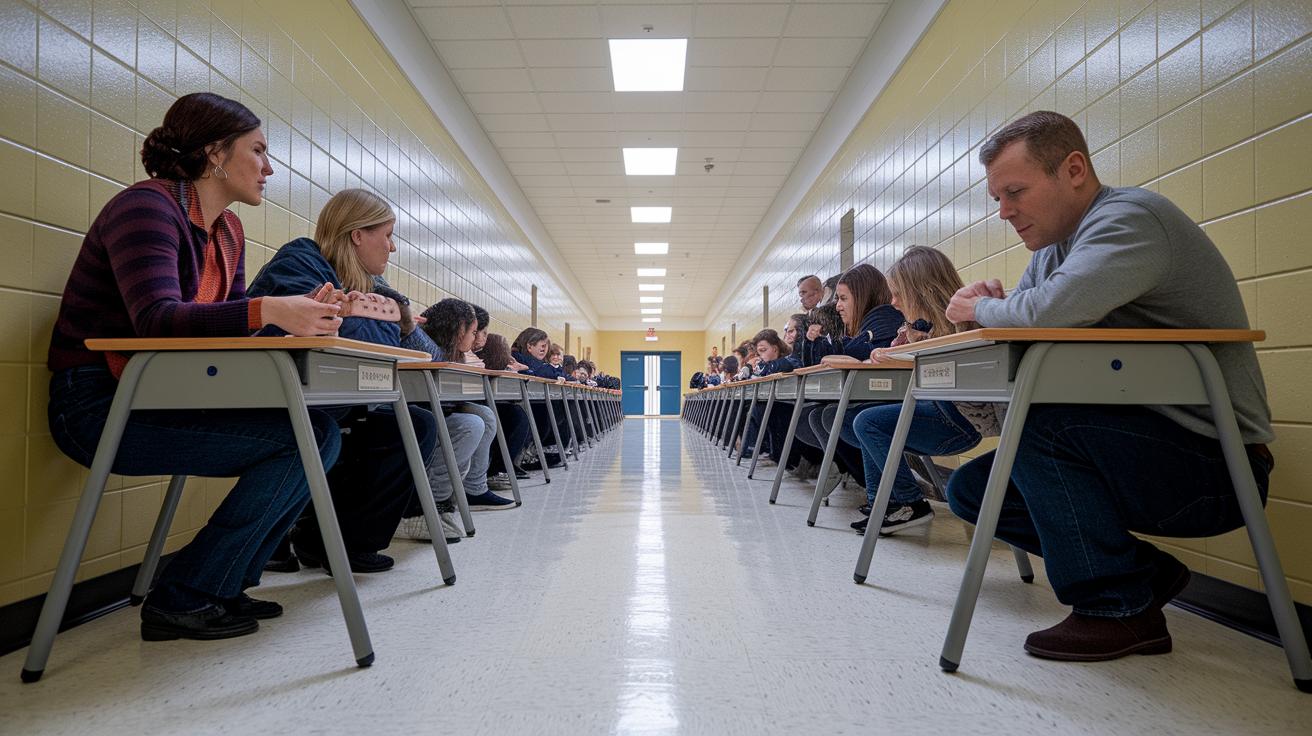
When friends and neighbors join forces, everyone feels a little safer. Regular drills help you get used to the right moves without overthinking, almost like riding a bike after enough practice. By teaming up with nearby folks, schools, and offices, we all share the care of staying secure.
School preparedness drills:
In schools, simple assemblies give students a chance to practice their drop, cover, and hold on moves. It’s like a mini rehearsal for the big moment when an earthquake might hit. Kids learn exactly where to take cover while teachers brush up on their roles, helping everyone act calmly and confidently. Soon enough, these drills become a part of daily life, making the whole school feel prepared and alert.
Workplace quake procedures:
At work, setting up clear evacuation teams makes sure that every person knows what to do when the unexpected happens. Leaders quickly check on everyone’s well-being and make sure that important equipment is safely stored away. Regular drills also show staff how to operate basic safety tools, like first-aid kits, fire extinguishers, and AEDs (automated external defibrillators, a device that helps restart the heart during emergencies). This kind of practice not only builds confidence but also smooths out the team’s response when a real quake occurs.
When communities share these drills and safety tips, they form a strong network where everyone can face potential earthquakes more effectively, just like a well-coordinated travel team exploring a new city together.
Final Words
In the action, we covered quick, clear earthquake safety tips for immediate response. We discussed steps to protect yourself during shaking, home prep, assembling emergency kits, planning evacuation, and aftershock caution.
We also touched on community and workplace drills to build real confidence. Following these earthquake safety tips can help you feel ready and secure no matter what happens.
Safety matters, stay prepared, stay positive, and trust in your well-practiced plans.
FAQ
What are effective earthquake safety tips before, during, and after an earthquake?
The comprehensive earthquake safety approach begins with preparing emergency supplies and a family plan, relies on performing drop‐cover‐hold actions during the shake, then emphasizes careful post‐quake checks to avoid hazards.
Where is the safest place to be during an earthquake?
The safest location during an earthquake is usually inside on an interior wall or under sturdy furniture, away from windows and heavy objects, unless your structure requires alternative measures.
What are some earthquake safety tips for schools and kids?
The school and kids earthquake safety guidelines start with practicing regular drills, using drop‐cover‐hold techniques, following trusted teacher instructions, and designating safe assembly points during and after tremors.
What are basic steps to survive an earthquake?
The basic earthquake survival steps involve dropping to your knees, covering your head with sturdy protection, holding on until shaking stops, and then moving cautiously to a clear, open area if you are outdoors.
What are important safety tips to consider after an earthquake?
After an earthquake, vital safety measures include checking for any structural damage, shutting off utilities if leaks are detected, moving away from debris or unstable structures, and waiting for a clear word from local authorities.
What does “Earthquake safety tips Drawing” refer to?
The earthquake safety tips drawing refers to a visual guide that illustrates safe zones, cover options, and key actions during tremors, making it easier for you to remember crucial steps in a quake.