


Low-cost airlines get a lot of hate online because travelers compare them to full-service carriers like Emirates or Singapore Airlines. That expectation mismatch creates a flood of negative reviews: no free water becomes 'terrible', a 1 kg extra bag turns into rage when charged Rs 2,500, or a missed web check-in that costs Rs 3,000 at the airport draws fury. Understand that low-cost carriers price tickets low and unbundle services to survive — extras are how they earn. Their rules are strict and deviations are charged to keep base fares low. Once you accept the model, complaints make more sense.
Why low-cost airlines get slammed online
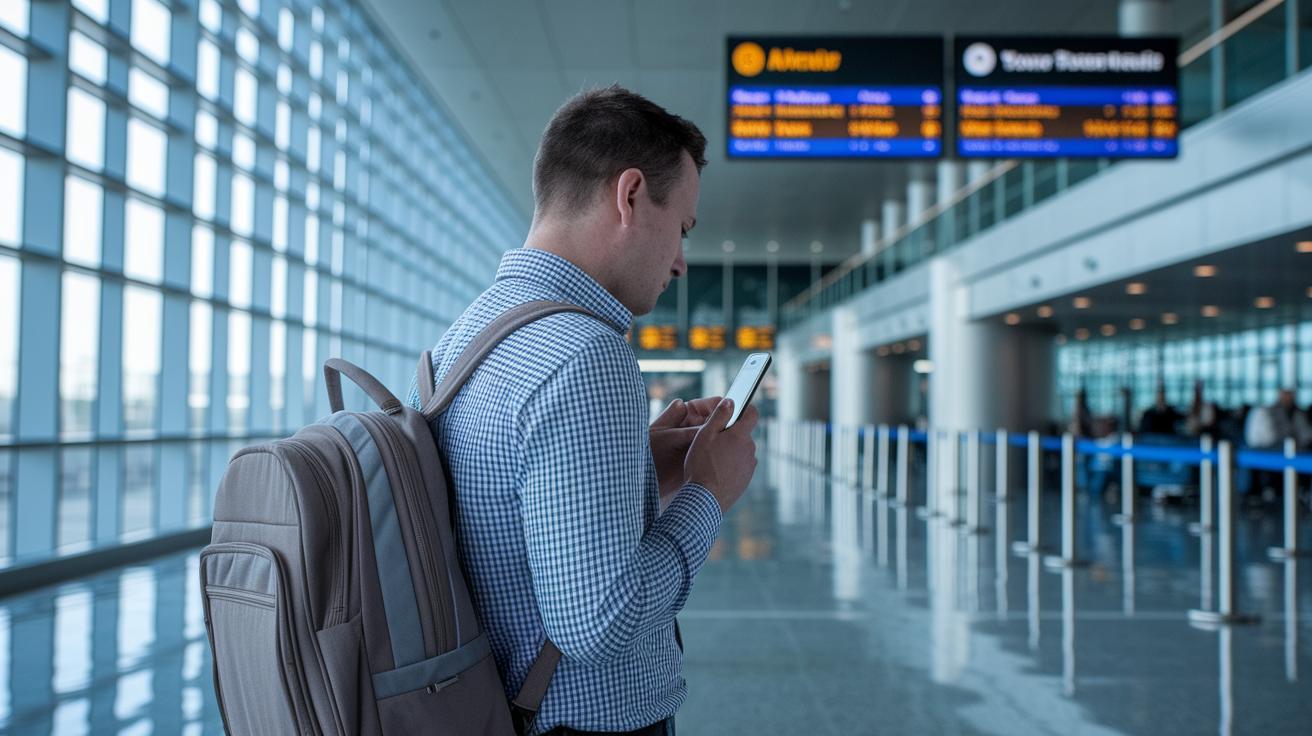
Low-cost airlines get a lot of hate online because travelers compare them to full-service carriers like Emirates or Singapore Airlines. That expectation mismatch creates a flood of negative reviews: no free water becomes 'terrible', a 1 kg extra bag turns into rage when charged Rs 2,500, or a missed web check-in that costs Rs 3,000 at the airport draws fury. Understand that low-cost carriers price tickets low and unbundle services to survive , extras are how they earn. Their rules are strict and deviations are charged to keep base fares low. Once you accept the model, complaints make more sense.
Plan ahead: avoid surprise fees
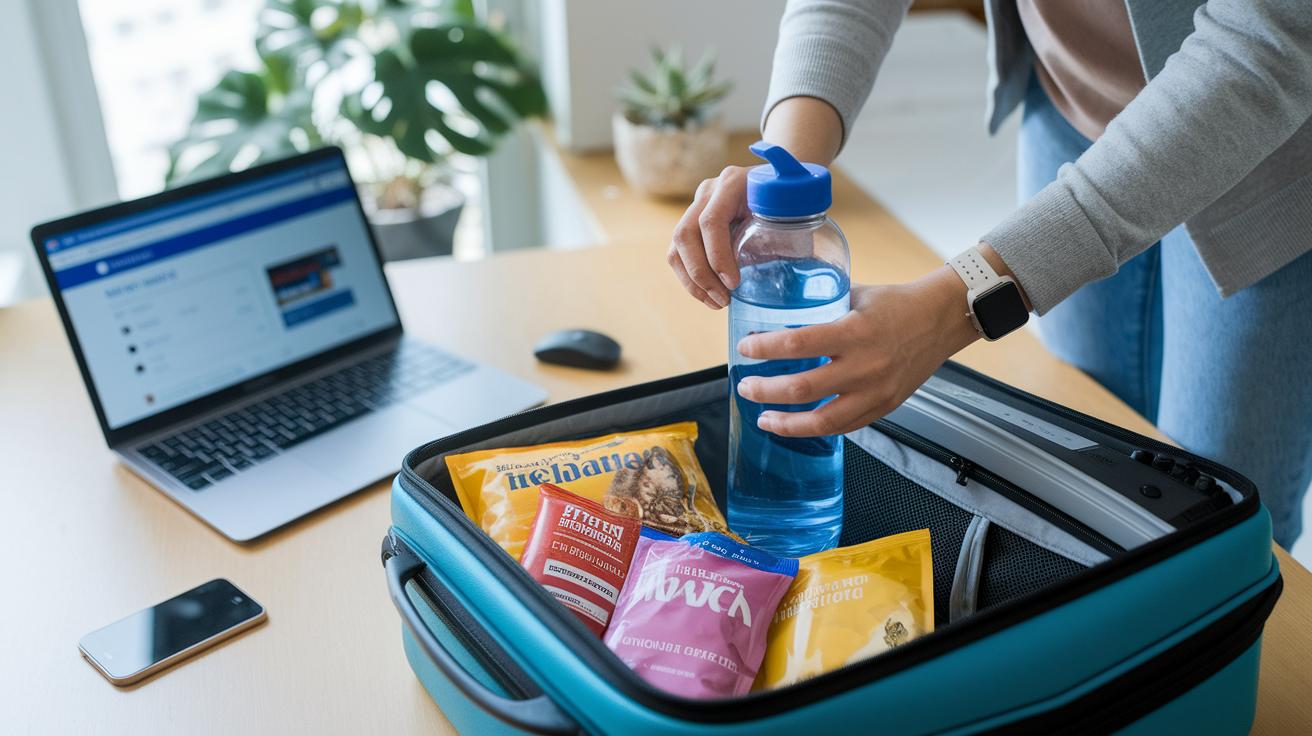
Low-cost airlines keep base fares low by charging for nearly everything extra. Avoid paying surprise fees by planning: bring your own water and snacks; web check-in well before your flight because airport check-in fees can exceed the ticket itself; if a physical boarding pass is required, print it beforehand; buy checked baggage allowance online , it's usually much cheaper than paying at the airport; double-check carry-on dimensions and weight , staff will enforce even a few inches or a kilo; pre-book seats if you want window/extra legroom, or accept random seating to save. Small prep saves big money.
Bring your own entertainment and comfort

Many low-cost carriers remove seatback screens and complimentary amenities to keep fares low. Download movies, shows, ebooks and playlists onto your phone or tablet before travel; bring a comfortable pair of headphones (and a small power bank if allowed in cabin , keep it in carry-on); pack a lightweight blanket or scarf; a small inflatable pillow helps for naps. Also check which airport the carrier uses , LCCs often fly to secondary, cheaper airports that can add significant ground travel time and cost. Knowing these details beforehand avoids surprises and keeps your journey comfortable on a budget.
Hacks travelers use (tried and tested)

If you're trying to squeeze the most value from a tight allowance, seasoned budget travelers have a few tricks: wear your backpack or heavier clothes to the gate , staff often don't weigh worn bags, which can save kilos; if your hold bag is overweight, move laptops, cameras, chargers, and power banks into a personal item or hand-carried pouch (most airlines allow a small personal bag); carry shoes or bulkier items separately; distribute weight across items. These hacks worked for me on multiple LCC flights, but use them responsibly , gate agents can still enforce rules, and pushing too far risks delays or fines.
Industry trend: more carriers unbundle services
Unbundling , charging separately for baggage, seat selection, food and even water , started with classic low-cost carriers and is now an industry-wide trend. Many full-service airlines have introduced 'basic fares' that look cheap until you add essentials. The drivers are simple: ancillary revenue boosts profit margins, and à la carte pricing lets customers pay only for what they use. For travelers, it means reading fare rules closely and comparing total trip cost, not headline price. Expect more airlines to follow this model as competition and rising costs push carriers to find new revenue streams.
Budget flying changed who travels
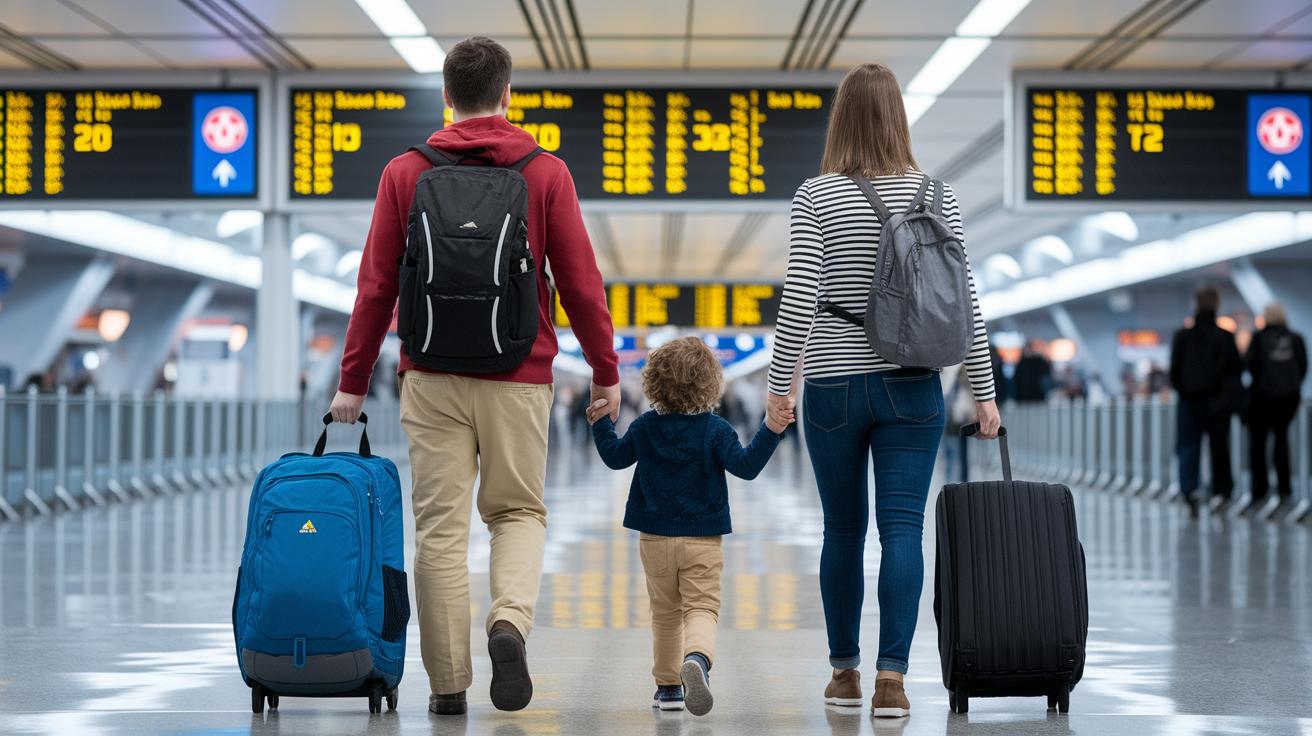
Low-cost carriers haven't just changed pricing , they've reshaped who can travel. Decades ago only wealthier or business travelers could afford regular flights; budget airlines opened the skies to students, families and first-time flyers by cutting fare barriers and creating high-frequency, low-cost networks. That democratisation spurred tourism, weekend breaks and cross-border commuting. With more people comfortable flying, expectations and demands shifted, too , airlines now balance low prices with minimal frills. The result: travel accessibility up, but travellers must trade amenities for price. If accessibility is your priority, low-cost carriers are a major win.
When to choose a low-cost airline (and when not to)

Low-cost airlines are a practical choice when your priority is price and you're willing to trade service for savings. Choose them for short hops, solo weekend trips, or when you can travel light and plan ahead. Pick a full-service carrier when you need included checked bags, flexible rebooking, extra legroom, lounge access, or a guaranteed level of service. Remember to calculate the total cost , seat selection, bags, airport transfers and in-flight purchases can make a 'bargain' pricey. I've flown Ryanair, AirAsia X, EasyJet and Norwegian on rock-bottom fares without paying extra; be prepared, not surprised.