


What's the most underrated city in the world? A surprising winner: Bologna, Italy. In a poll of 175 travel enthusiasts, experts and agents, this red‑tiled city keeps popping up as a must‑visit bucket‑list stop thanks to three things: an unrivaled food scene, layers of history and architecture, and exceptional accessibility. Often overshadowed by Florence and Venice, Bologna rewards visitors with delicious, affordable eating at bustling markets and family‑run osterie, medieval towers and miles of arcaded porticoes, and fast rail links that make day trips a breeze. If you want authentic Italy with fewer crowds, put Bologna at the top of your list.
Why Bologna is the World's Most Underrated City

What's the most underrated city in the world? A surprising winner: Bologna, Italy. In a poll of 175 travel enthusiasts, experts and agents, this red‑tiled city keeps popping up as a must‑visit bucket‑list stop thanks to three things: an unrivaled food scene, layers of history and architecture, and exceptional accessibility. Often overshadowed by Florence and Venice, Bologna rewards visitors with delicious, affordable eating at bustling markets and family‑run osterie, medieval towers and miles of arcaded porticoes, and fast rail links that make day trips a breeze. If you want authentic Italy with fewer crowds, put Bologna at the top of your list.
A Food Lover's Paradise: Bologna's Legendary Cuisine

Bologna is, first and foremost, a food city. It’s the birthplace of tagliatelle al ragù and tortellini , recipes you'll find passed down in family kitchens and on Michelin menus. Markets like Mercato di Mezzo and the Quadrilatero neighborhood let you taste mortadella, Parmigiano‑Reggiano and fresh pasta at stall prices. Try crescentine or tigelle with cured meats, and stop at traditional osterie where pasta doesn't pretend to be fancy , it's simply perfect. Food tours and hands‑on cooking classes are plentiful, and the nearby towns of Modena and Parma offer balsamic and cheese tastings, making Emilia‑Romagna a genuine gourmet playground.
History & Architecture: Medieval Streets and Porticoes
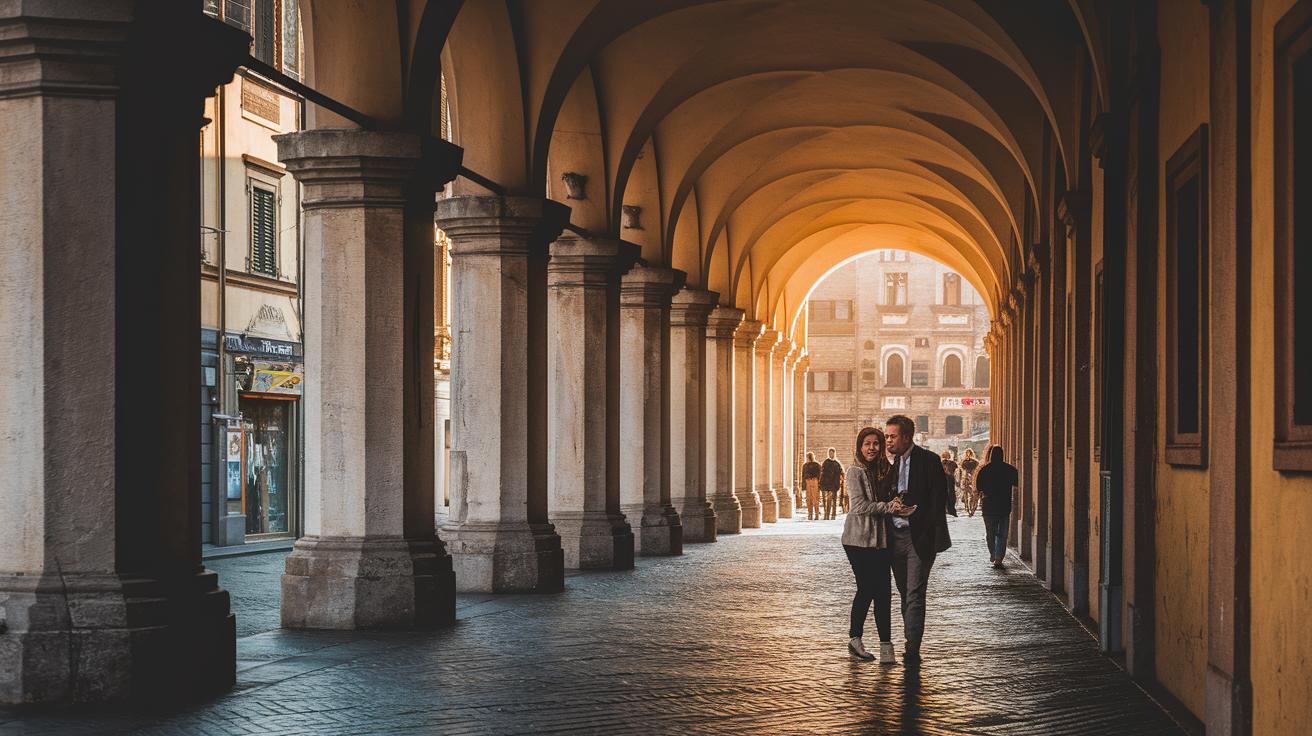
Walk Bologna and you’ll feel layers of history beneath your feet. The University of Bologna, founded in 1088, is one of Europe’s oldest, and its medieval legacy includes the leaning Torre degli Asinelli and Torre Garisenda that punctuate the skyline. The vast Piazza Maggiore opens onto the imposing Basilica di San Petronio and the ornate Archiginnasio, once the university’s seat and home to the old Anatomical Theatre. Bologna’s signature arcades , porticoes that run for nearly 38 kilometers , shelter leisurely strolls through centuries of art, Renaissance palaces and Baroque churches, giving the city a uniquely intimate, lived‑in architectural character.
Accessibility: A Gateway in the Heart of Italy

One reason Bologna punches above its weight is sheer accessibility. Bologna Centrale is a major rail hub on Italy’s high‑speed network, putting Milan, Florence, Venice and Rome within one to two hours by train. Guglielmo Marconi Airport connects Europe and some long‑haul routes, so reaching the city is straightforward. The compact historic center is eminently walkable, with trams and buses for farther neighborhoods. Because of its central location in Emilia‑Romagna, Bologna also makes a perfect base for day trips to Modena (balsamic vinegar, Ferrari), Parma (cheese and ham) and Ferrara, letting you pack a lot into a short visit.
What to Do: Top Experiences in Bologna
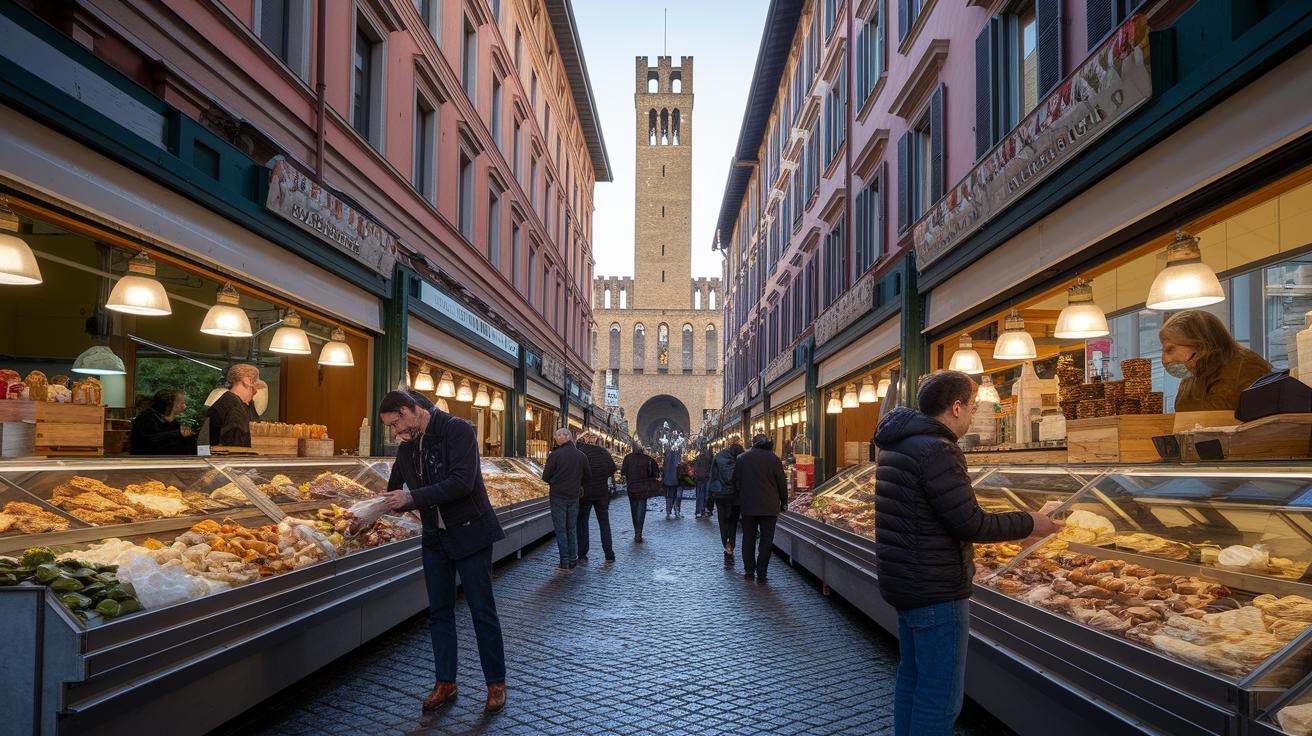
Don’t overplan , but do these things. Start in the Quadrilatero market to sample local bites, then climb the Torre degli Asinelli for panoramic city views. Walk under the porticoes to the hillside Sanctuary of the Madonna di San Luca for a rewarding hike and viewpoint. Visit the Archiginnasio and its tiny Anatomical Theatre, explore the Pinacoteca Nazionale for local art, and wander quiet lanes in the Santo Stefano quarter. For food fans, book a cooking class or a balsamic tasting in nearby Modena. Evenings come alive with aperitivo bars and cozy osterie where locals gather late.
Practical Tips: When to Visit and Where to Stay
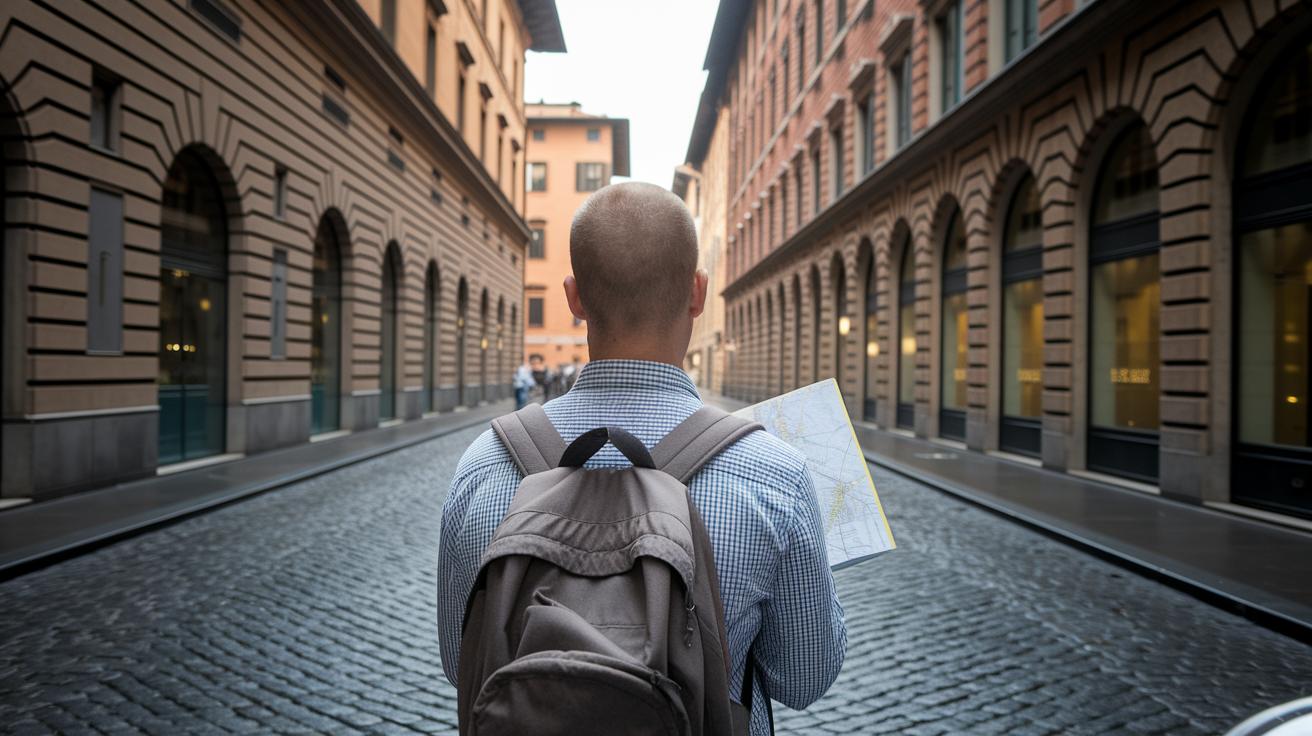
Plan for two to three days to taste the essentials; a week lets you day‑trip and slow down. Best times to visit are spring and early autumn for mild weather and fewer crowds; August can be hot and some family‑run places close for holidays. Stay in the Centro Storico or Santo Stefano for atmosphere, or near the station for convenience. Bring comfortable shoes for cobblestones and arcades, and learn a few Italian phrases to charm locals. Cards are widely accepted but carry small cash for markets. Book popular restaurants and tower climbs in advance, and prepare to eat late like the Bolognese.